The reviews for Pleasanton South Nursing and Rehab are polarized: many families and observers praise the caregiving staff and therapy program, while others raise significant operational and management concerns. Positive comments center on compassionate, hardworking frontline staff, a well-regarded rehabilitation/therapy team, and warm staff–resident relationships that contribute to visible resident engagement and improved mood. Several accounts describe staff who routinely go beyond basic duties and create an inviting atmosphere that residents and families appreciate.
At the level of clinical care there is a mixed picture. The facility’s therapy and rehabilitation services receive consistently positive mentions, and numerous reviewers describe attentive, personalized caregiving. However, other comments indicate inconsistent adherence to physician orders and gaps in clinical documentation. These documentation and order-adherence issues are tied to lapses in care continuity and make it harder for families to verify that care plans are being followed as written. Reviewers also expressed concerns about the facility’s ability to meet the needs of residents with multiple or complex conditions.
Staff culture is described as both a strength and a liability. Many reviews emphasize compassionate, family-oriented staff and teamwork on many shifts. At the same time, recurring themes include low pay and low morale among direct-care workers, interpersonal conflict, and what is characterized as tribalism or factionalism among staff. These workplace dynamics appear to contribute to operational instability and may affect staff retention and day-to-day care delivery.
Management and safety oversight are areas of notable divergence. Some reviewers describe supportive, hands-on leadership and well-run operations; others report weak leadership, management relationships that raise concern, and management unresponsiveness to serious complaints. There is an allegation of medication theft and accompanying concerns about how such incidents were handled, including a filed complaint with CMS/Medicare and a requested licensing investigation. Taken together, these accounts point to gaps in medication-management controls and in the facility’s incident-response processes.
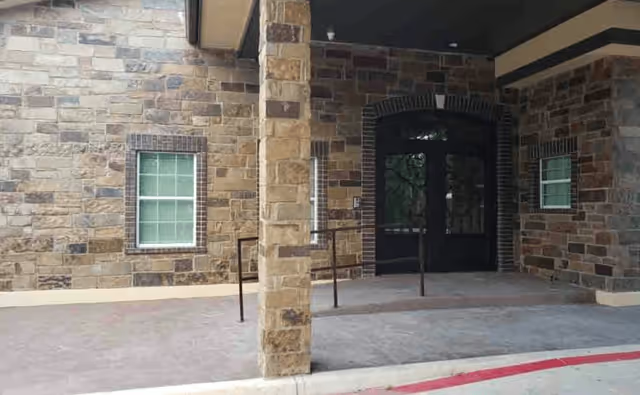
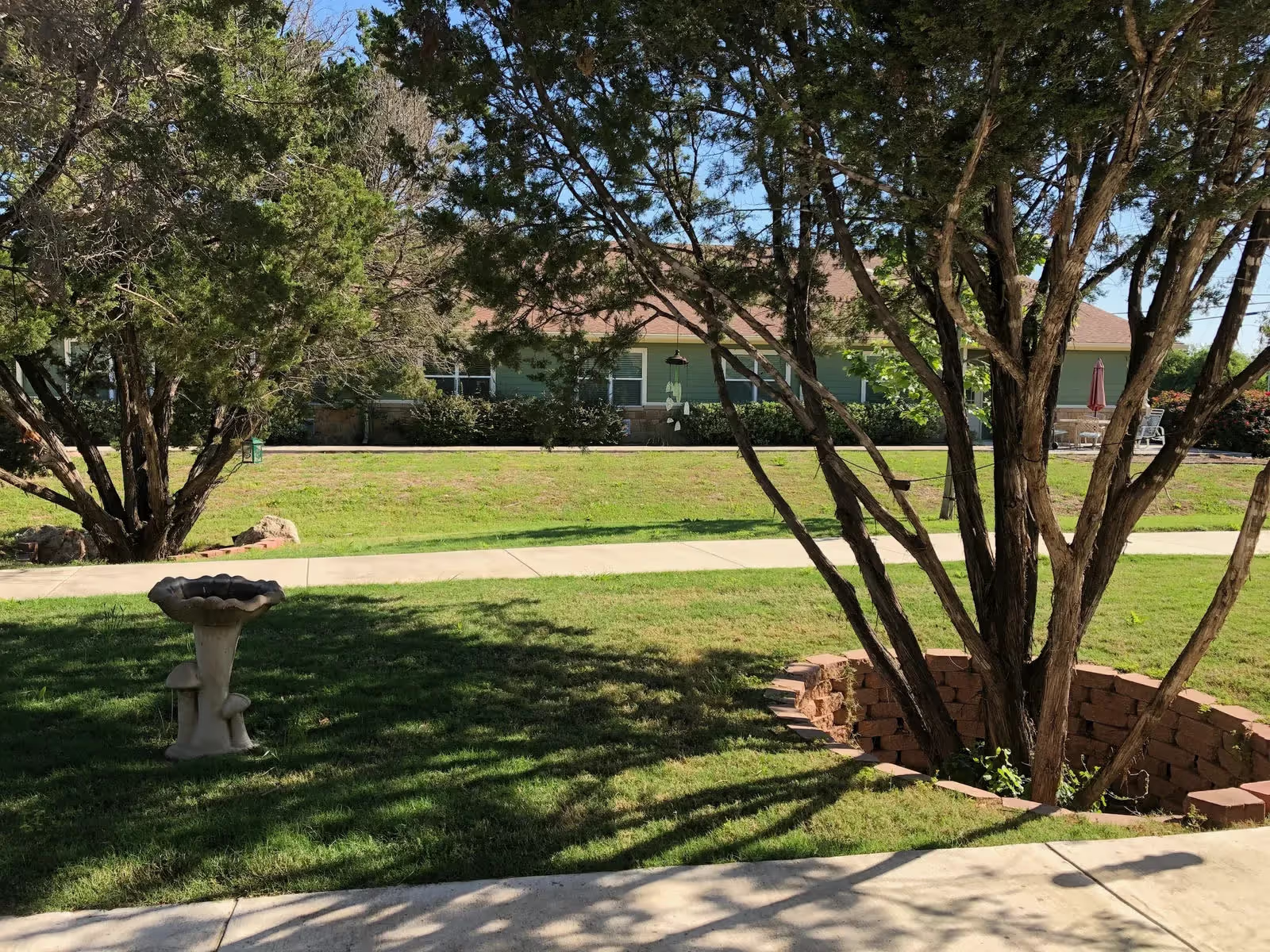
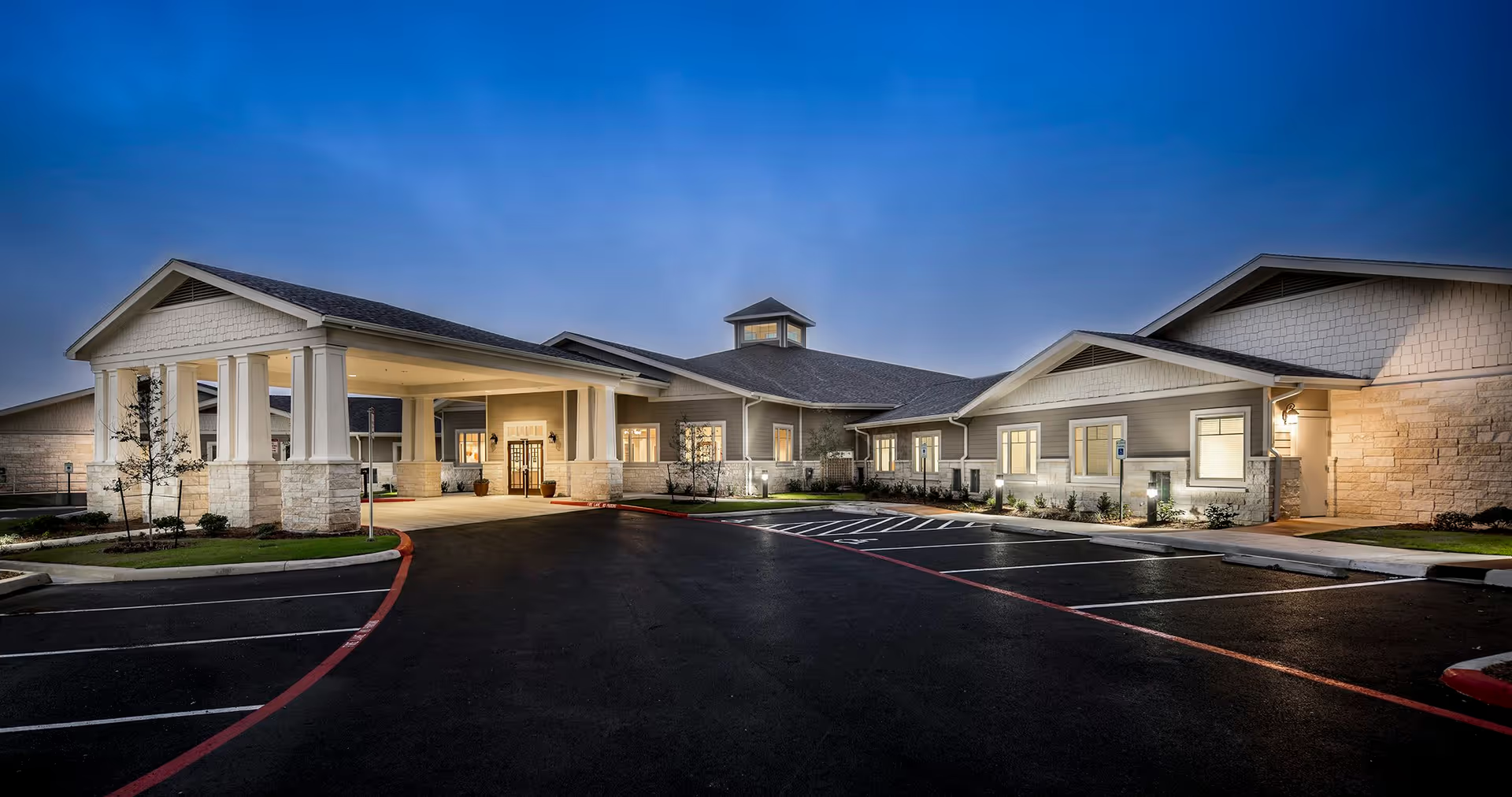
Facility and environment impressions are also mixed. Several reviewers describe an inviting, pleasant atmosphere and collaborative staff presence, while others report organizational disarray and sanitation concerns. Direct evidence about dining and organized activities is limited in the review set: therapy/recreation is consistently noted as a positive component, but specific comments about dining quality and activity variety are sparse.
For families evaluating this facility: consider an in-person visit focused on operational and safety questions. Ask to review recent staffing patterns and staff turnover rates, examples of how clinical orders are tracked and documented, medication-management policies and incident logs, and how the facility coordinates care for residents with complex needs. Observe shift change and mealtimes, request to sit in on an activities session or therapy evaluation, and ask management for documentation of regulatory history or any active investigations. The facility shows clear strengths in staff compassion and rehabilitation services, but reviewers’ operational and oversight concerns warrant careful, specific inquiry before placement.