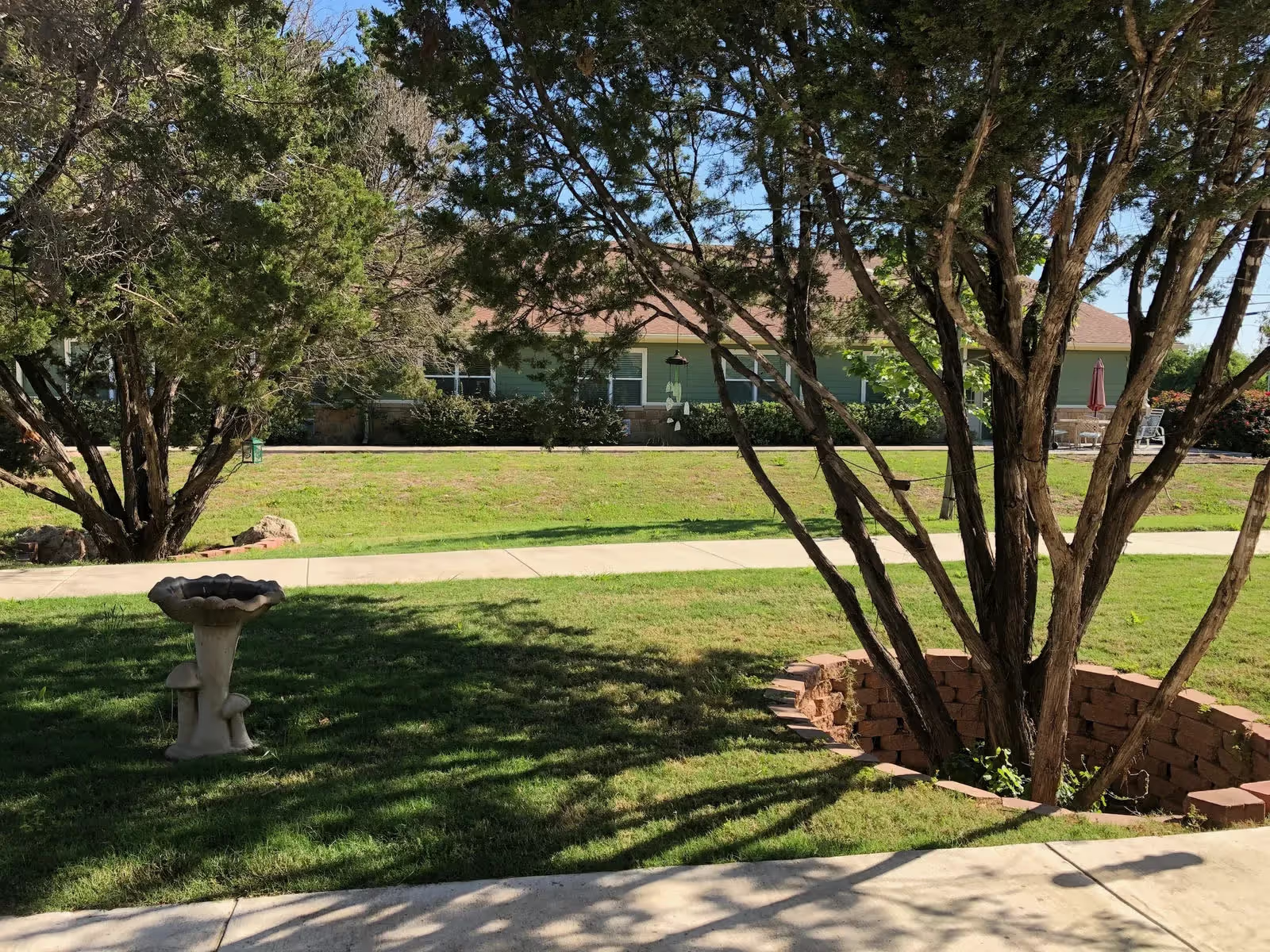
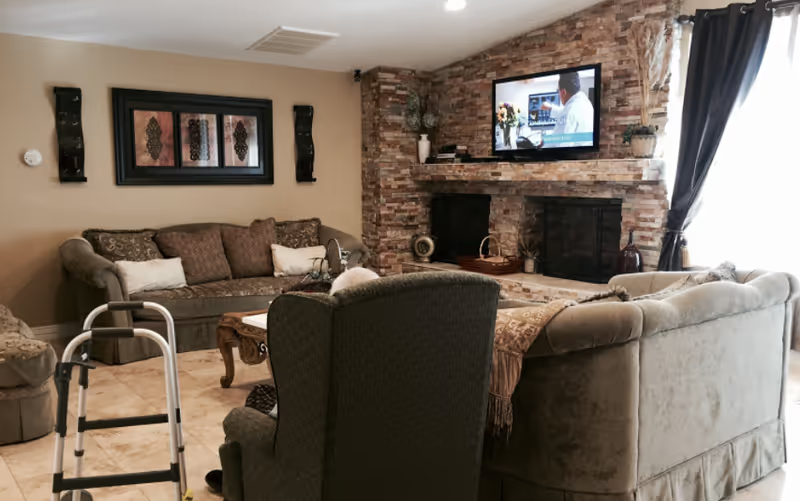
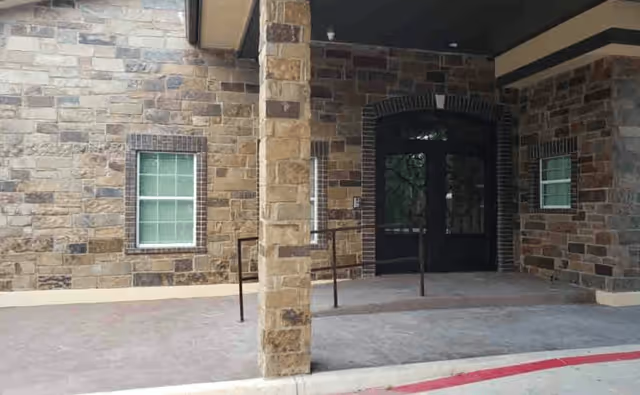
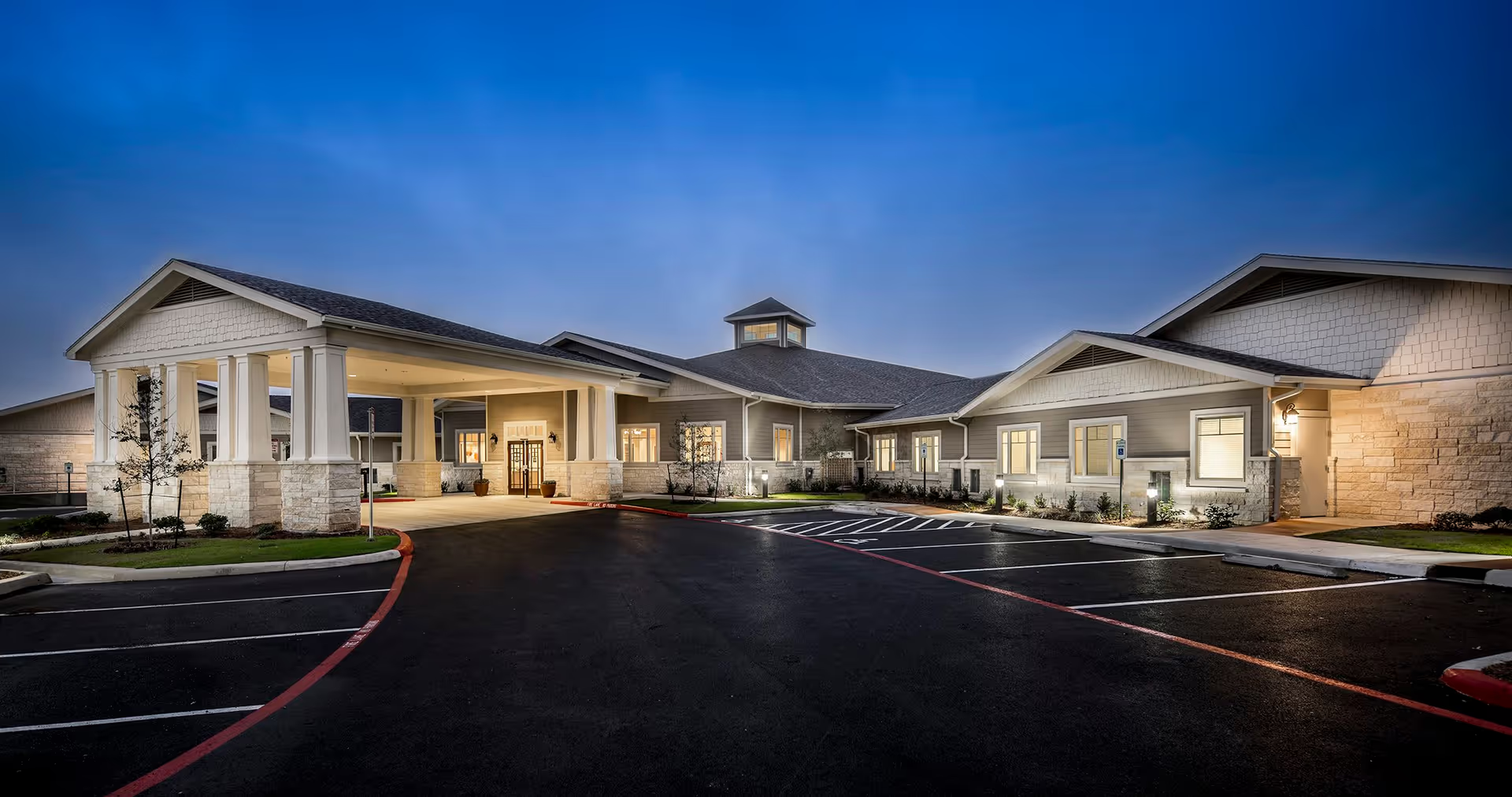
The Heights of Atascosa elicits strongly polarized responses. Many families and former residents describe a clean, welcoming building with a clear sense of community, active programming, and effective rehabilitation services that produce measurable functional gains. Positive comments emphasize compassionate, family‑oriented caregivers, engaged front‑desk and admissions personnel, accessible leadership, and clinical strengths such as wound care and successful management of complex feeding needs. Therapy staff are frequently praised for motivation and clinical skill, and activity offerings (gardening, cooking, religious services, seasonal events) contribute to resident engagement and social inclusion.
At the same time, a significant subset of accounts raises operational concerns that cluster around clinical responsiveness, staffing patterns, and communication. Themes include inconsistent timing of medication administration, gaps in bathing and toileting assistance, and limited overnight and weekend responsiveness. Reviewers describe variability in staff skill and patience that can affect continuity of care. Several comments point to shortcomings in fall‑prevention and transfer‑safety practices, and to instances where clinical issues were not escalated or communicated to families promptly.
Dining and therapy availability show mixed performance. Positive reports note adequate food and a pleasant dining environment, but others describe meals arriving cold, limited menu variety, and inflexible meal choices. Therapy and rehabilitation are generally seen as a strength during weekday services, yet multiple accounts indicate reduced therapy intensity on weekends or limited scheduling outside standard weekday hours.
Management and family communication are additional areas of divergence. Leadership and specific clinical managers receive praise for responsiveness and problem resolution in several cases, yet other families describe poor notification about clinical changes, delayed transfers, and slow responses to infection‑control or skin‑care concerns. A small number of serious allegations, including missing funds and adverse outcomes, were raised and may warrant direct follow‑up with facility management or regulators for verification.
In sum, the Heights of Atascosa appears to deliver high‑quality rehab and activity programming within a clean, community‑oriented environment for many residents, supported by dedicated therapy teams and engaged leadership. Prospective residents and families should weigh these strengths against reported variability in nursing responsiveness, overnight and weekend coverage, meal consistency, and family‑notification practices. For those considering placement, targeted questions about staffing ratios, medication‑administration protocols, fall‑prevention measures, meal options, and communication procedures will help clarify whether the facility’s operational practices align with the resident’s clinical and social needs.