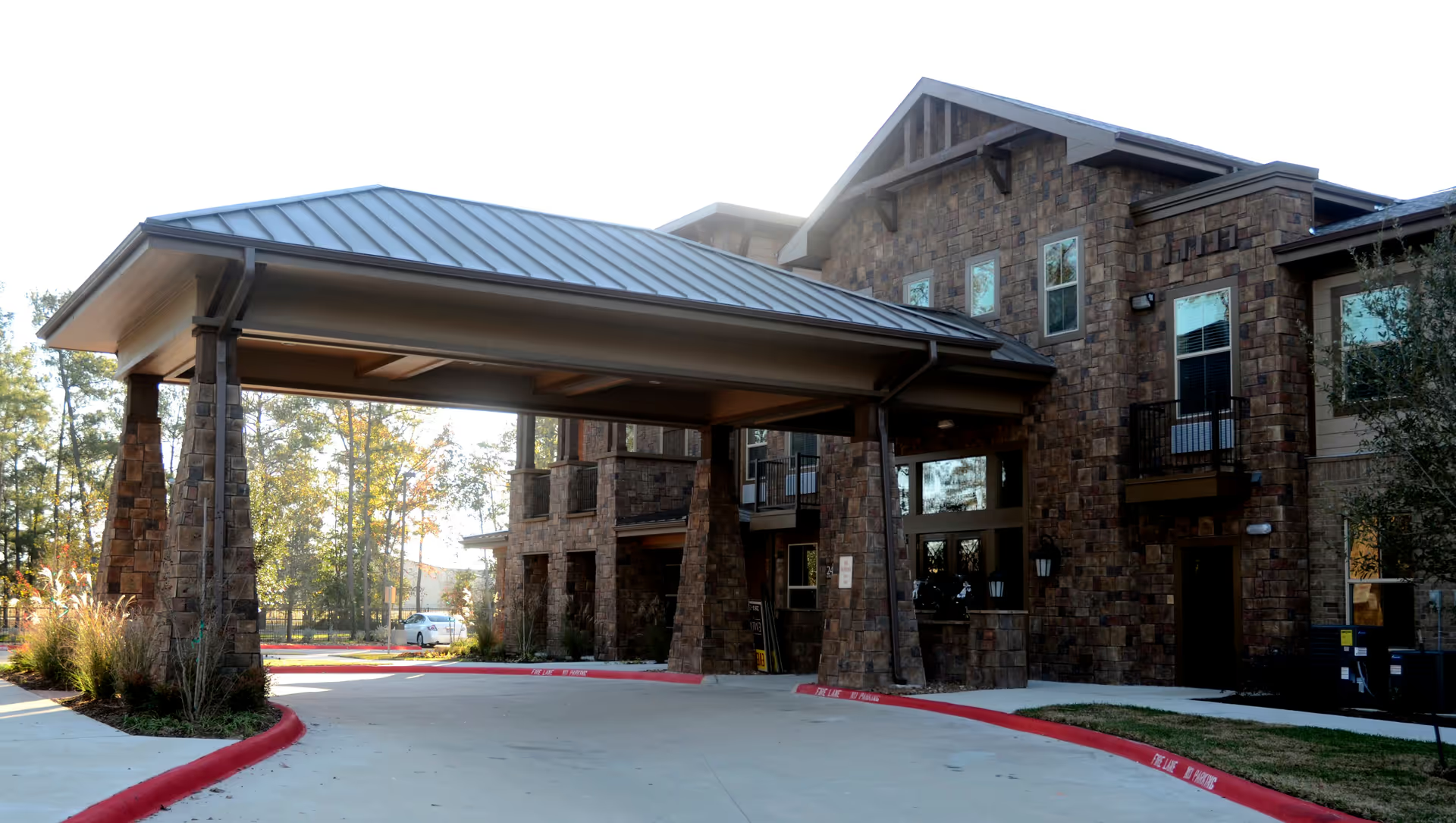
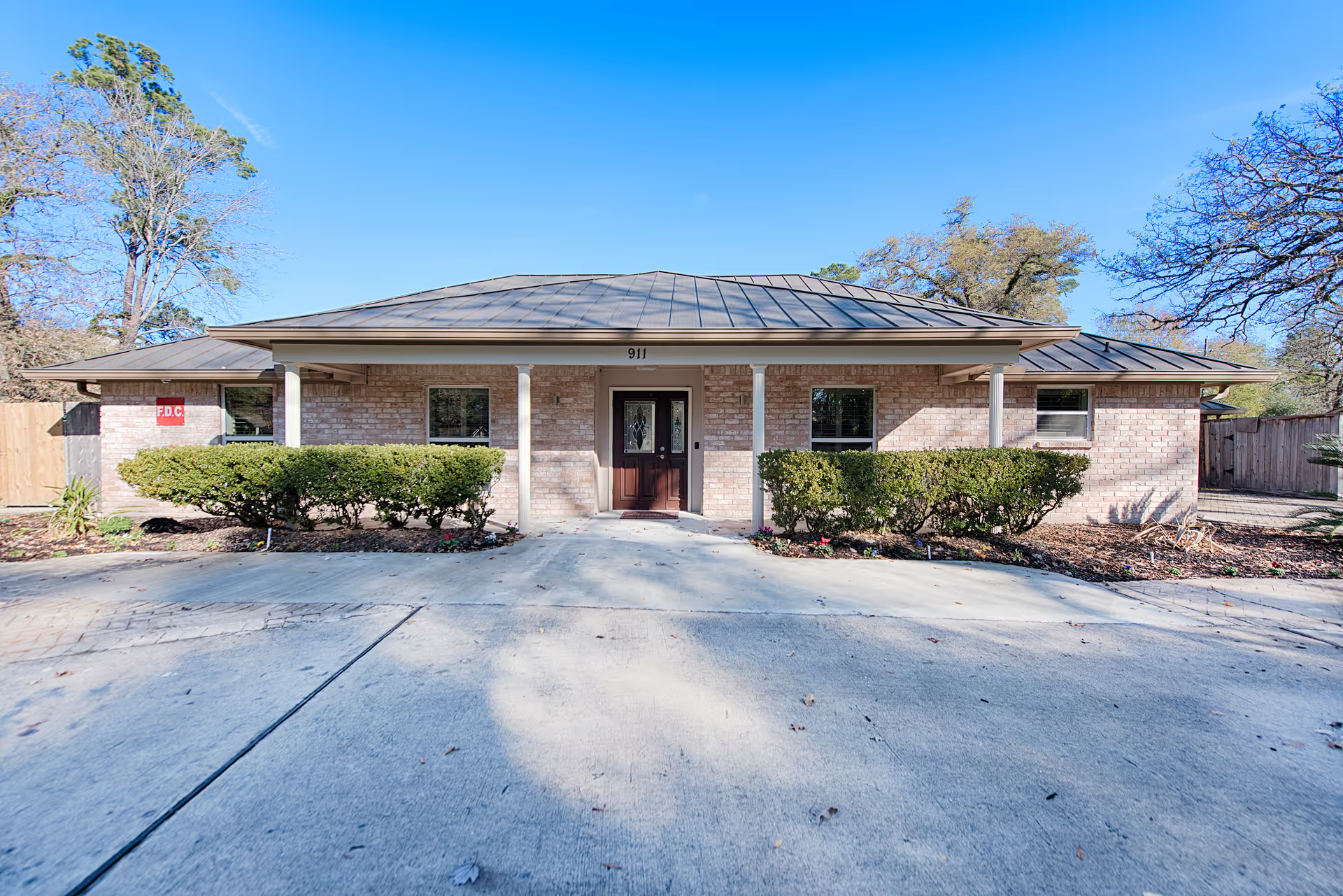
Caring Hands Senior Care Home receives a predominately positive set of comments about everyday caregiving, the homelike environment, and the facility’s cleanliness and grounds, while a subset of reviews raises operational concerns that prospective families should evaluate during a visit.
Care and clinical support: Many families describe highly personalized, hands-on care with staff who engage residents socially and assist with activities of daily living. The home is characterized as licensed and nurse-owned/monitored, and several reviewers praised the facility’s ability to coordinate higher-level services such as nurse practitioners and hospice for residents with advanced needs. At the same time, there are notable concerns related to medication management and sanitation-related care processes; a portion of reviewers indicated inconsistent medication administration and delays in attending to continence-care needs, which families should verify with facility leadership and by reviewing clinical processes and staffing coverage.
Staff and management: Reviewers commonly highlight caring, stable staff and a family-like atmosphere, with management described as hands-on and accessible by some families. Conversely, other reviewers raised issues about the tone and transparency of ownership and admissions staff, including assertive sales practices and unclear explanations of fees or admission criteria. This mix suggests relatively consistent frontline caregiving but variability in how management and admissions present policies and handle difficult conversations.
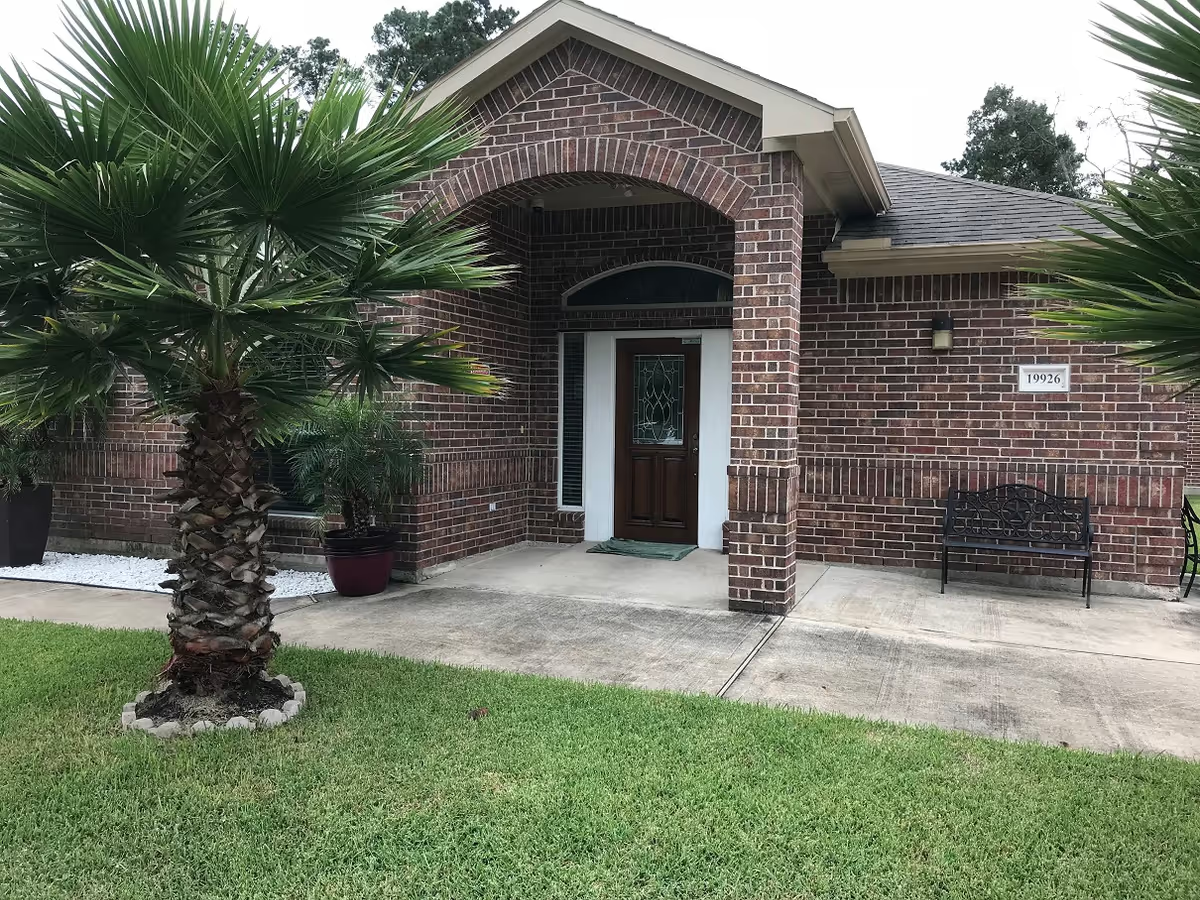
Dining, activities, and facilities: Meals are frequently described as home-cooked and well-prepared, and the facility’s cleanliness, private-room options, and outdoor amenities (gazebo, walking paths, bird feeders) receive positive mention. Activity offerings appear to be flexible and individualized; however, structured programming may be limited, particularly for residents with cognitive impairment, so families seeking robust scheduled activities should confirm the programming options and daily schedules.
Costs and admissions: Multiple comments call out higher monthly cash costs and the involvement of senior-advisor commissions or broker fees; families should request detailed written fee schedules and clarify any third-party broker arrangements. There were also questions about clinical admission policies for higher-acuity diagnoses (for example, cancer or complex medical needs), indicating a need to confirm the facility’s intake criteria and readiness to manage specific conditions before placement.
Notable patterns and guidance: The dominant strengths are small size, personalized care, cleanliness, and supportive end-of-life coordination. The dominant operational concerns are aggressive marketing practices, uneven management transparency, and clinical-process inconsistencies (medication administration and incontinence-care/sanitation). Prospective residents and families would benefit from an in-person visit that includes: observing staff–resident interactions, reviewing the medication-administration and incontinent-care protocols, inspecting private rooms and common areas, asking for examples of nurse/hospice coordination, getting a written fee breakdown (including any broker commissions), and speaking directly with current families if permitted. These checks can help reconcile the generally favorable caregiving reports with the operational issues some reviewers experienced.