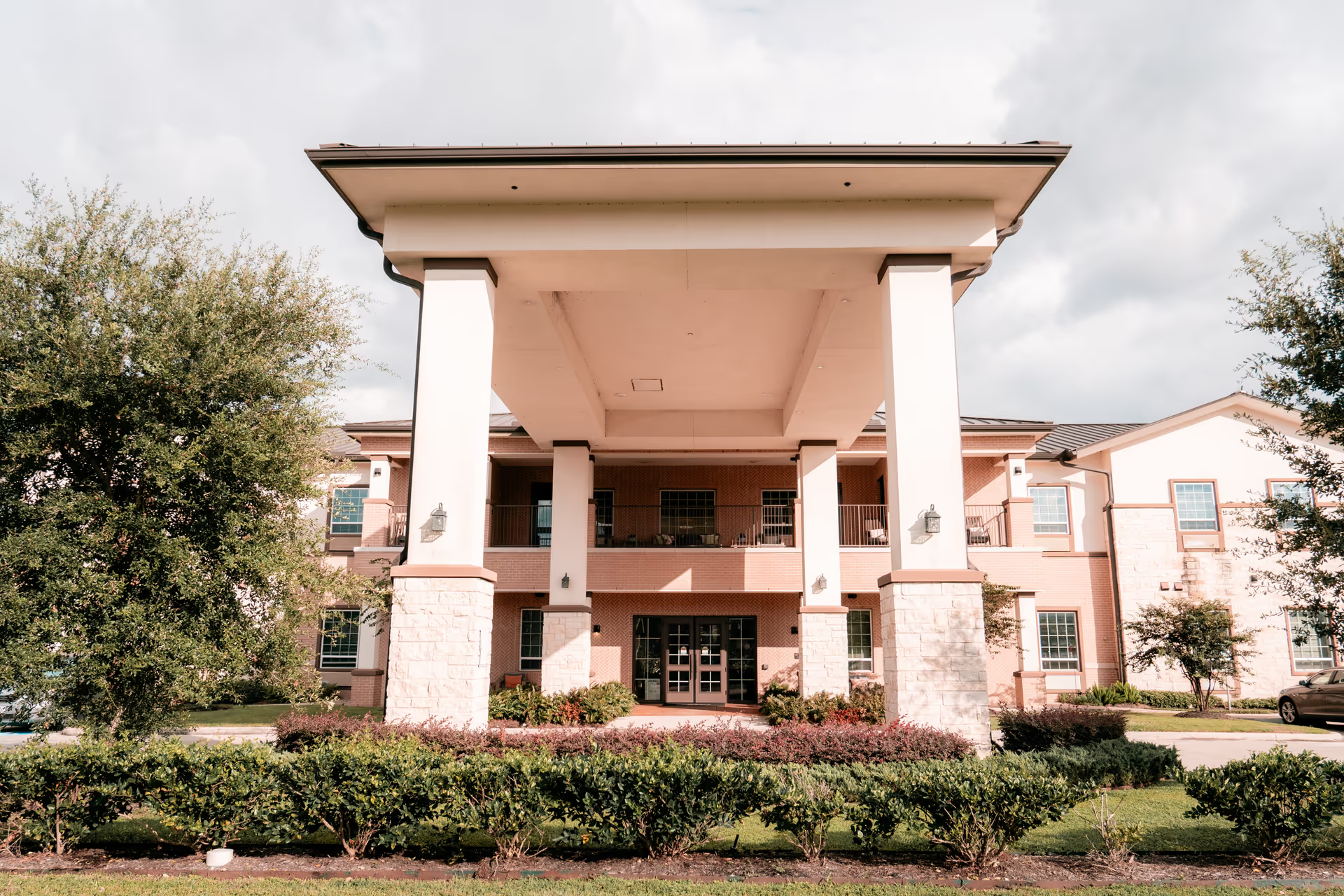
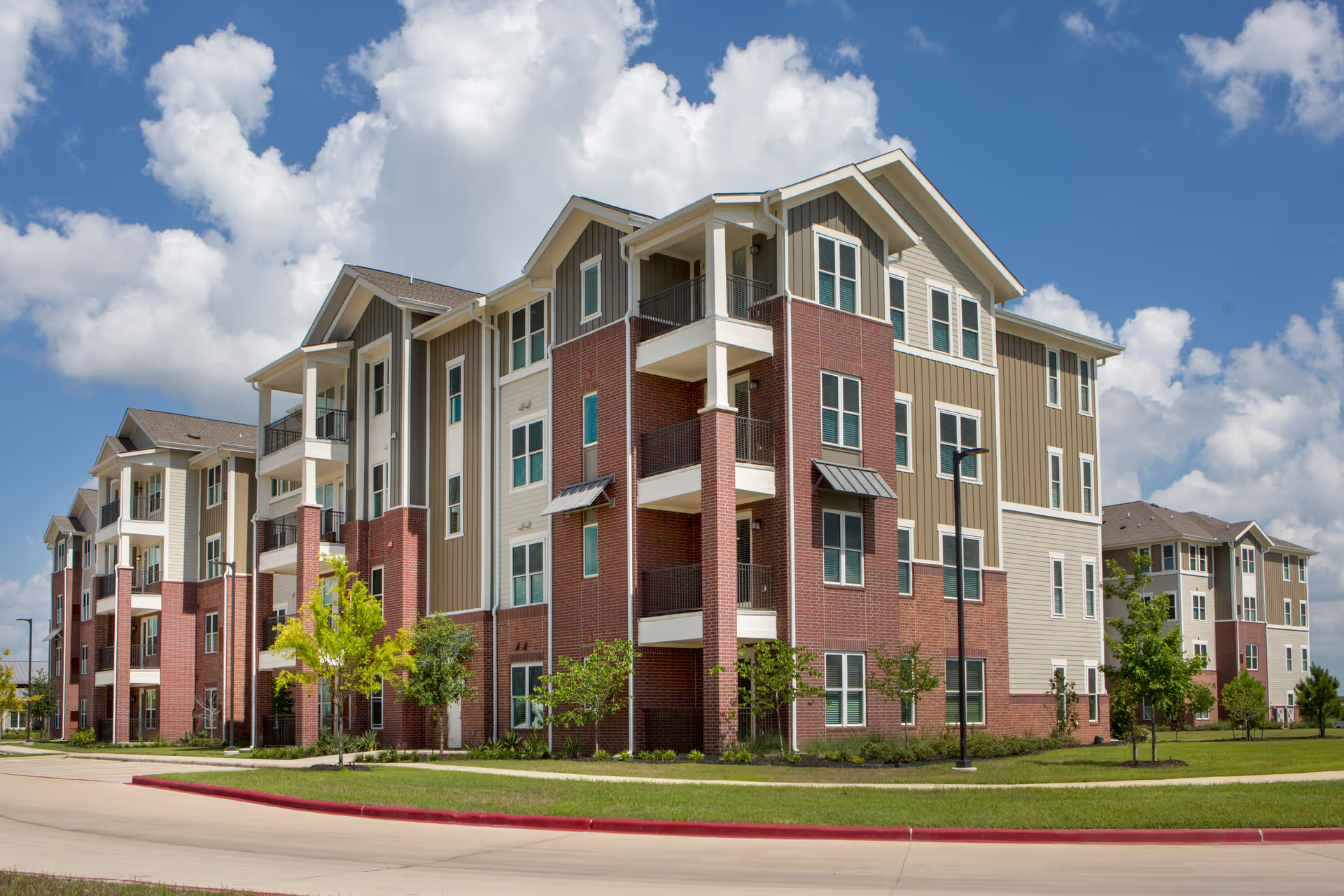
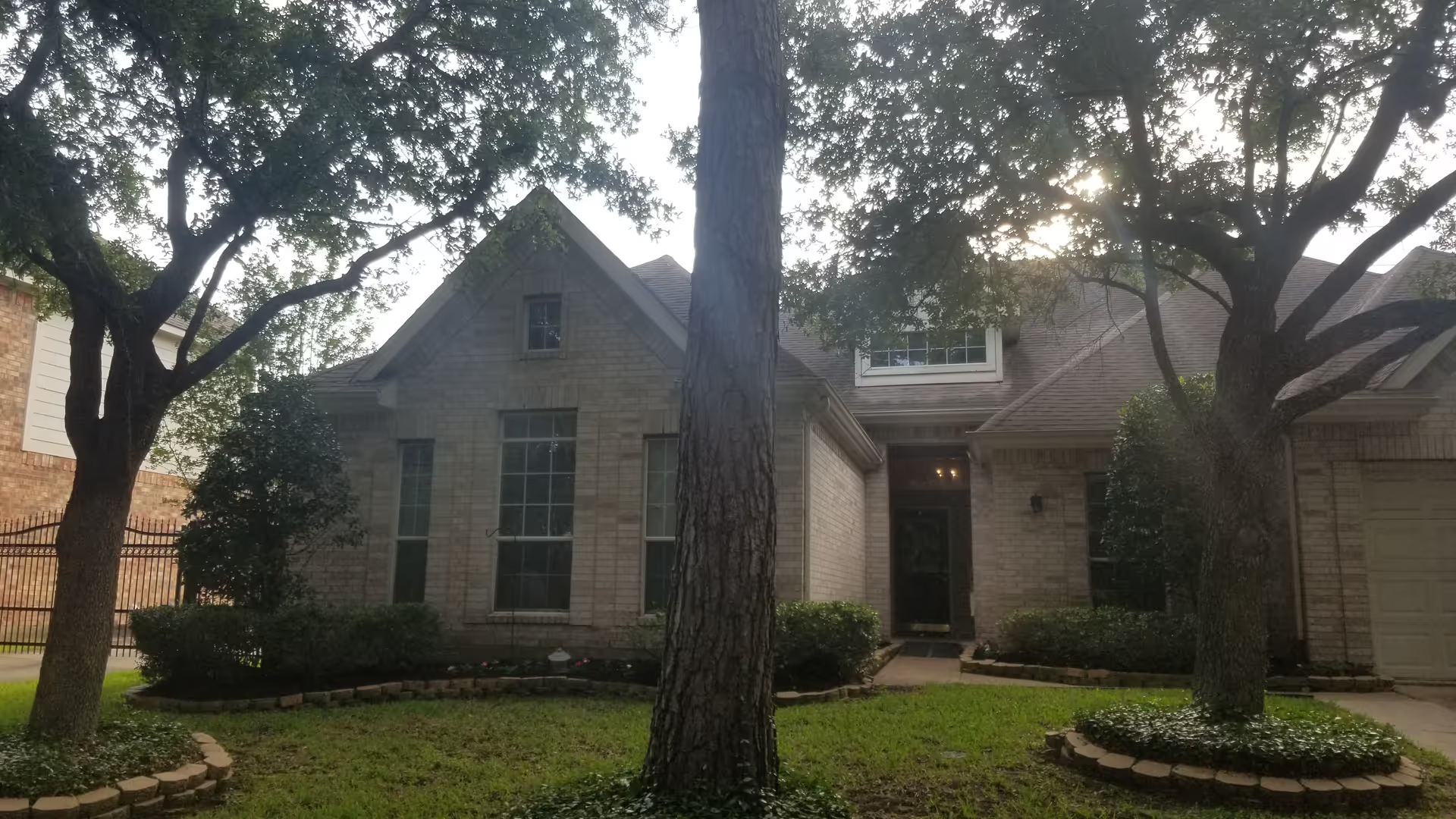
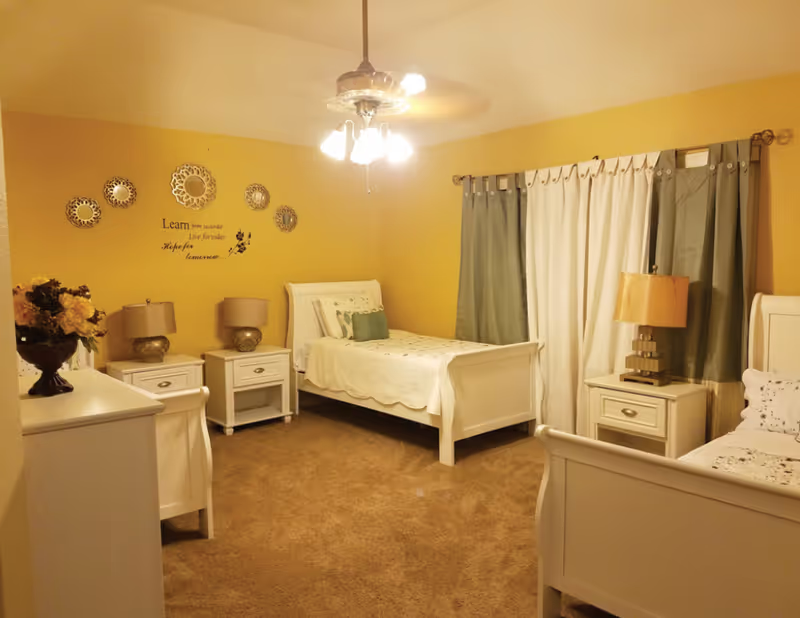
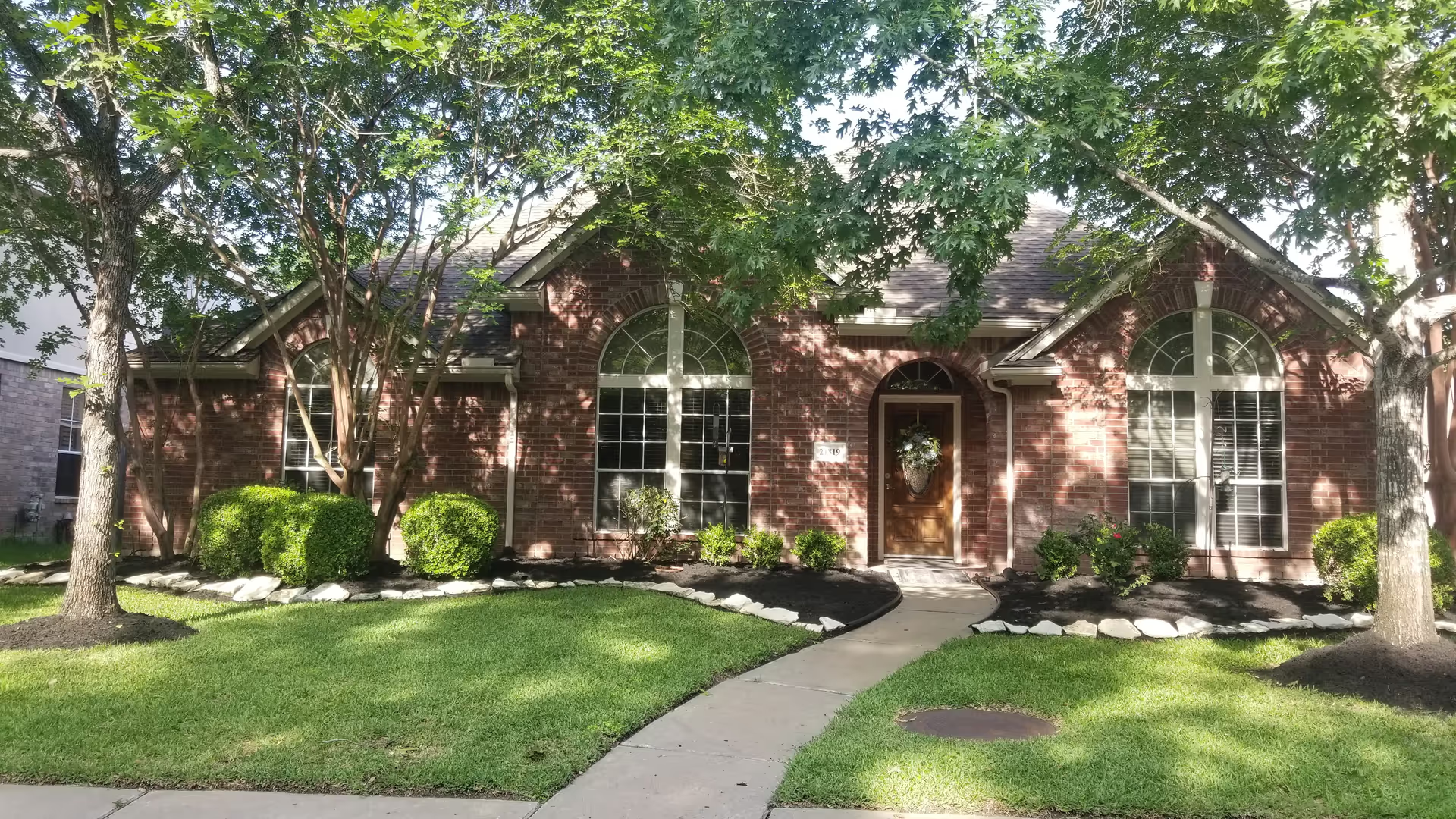
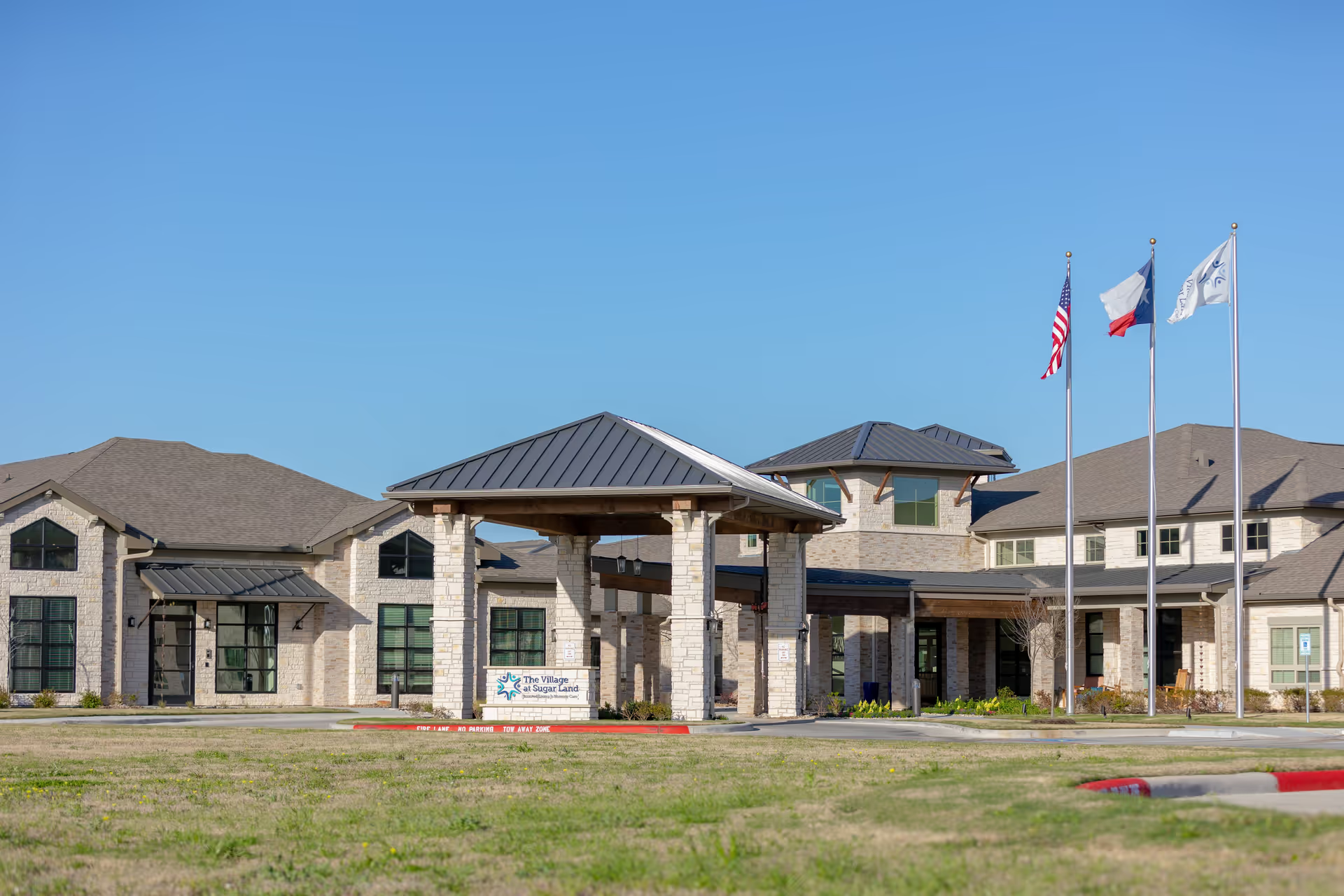
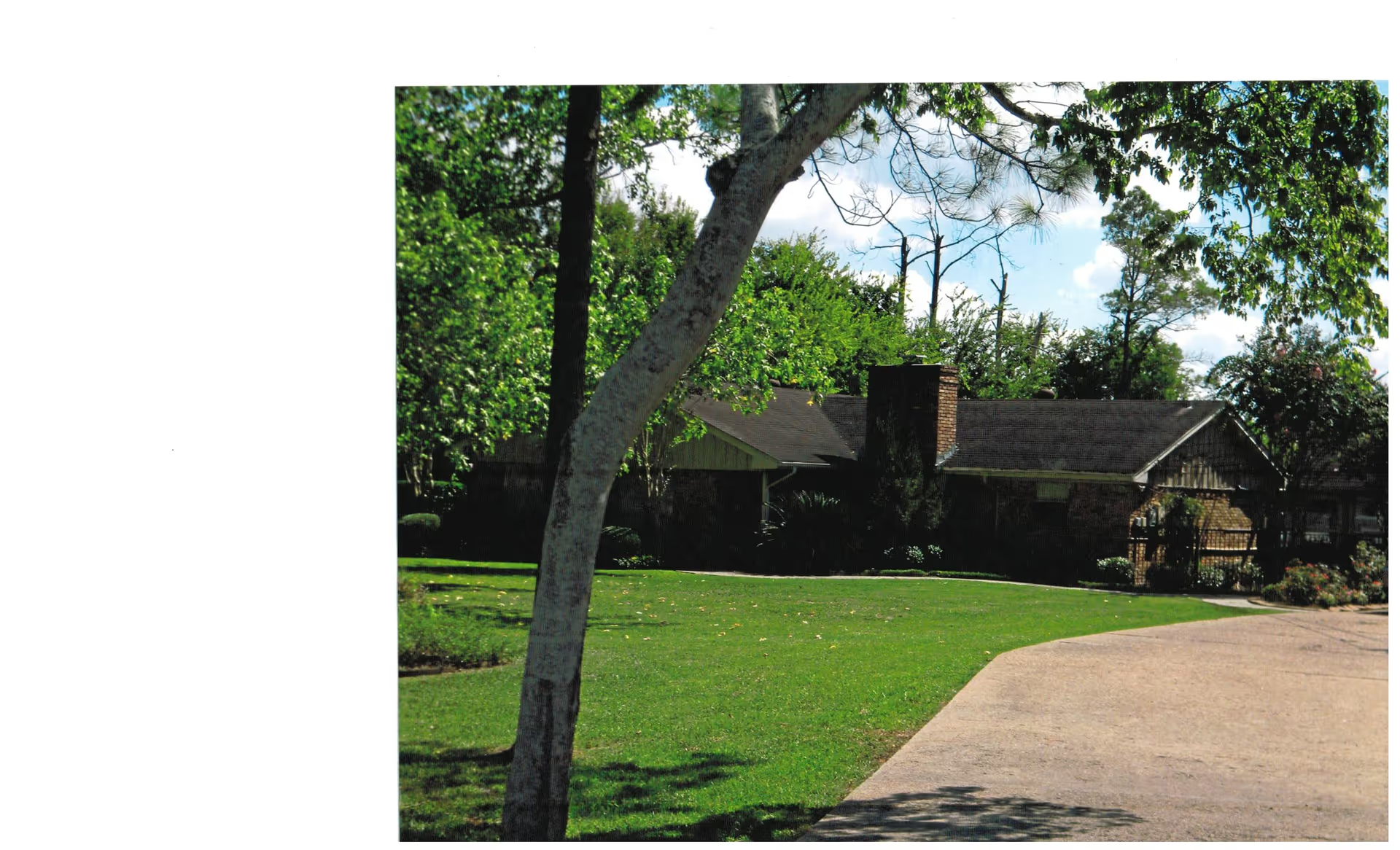
Reviews describe a facility with clear strengths in day-to-day caregiving and environment alongside operational weaknesses that have affected some families. Positive accounts emphasize a small, home-like setting with consistently described compassionate staff, many of whom are long-term employees. Several families highlighted 24-hour coverage with multiple caregivers per shift, individualized care plans, and staff familiarity with dementia and memory-care needs. The facility is also characterized as clean and modern, located in a safe neighborhood, and offering respite and hospice options that some families found helpful.
Care quality and staffing emerge as a mixed area. Many reviewers praised attentive, loving staff who provide hands-on support, personal attention, and continuity of care; examples include successful weight restoration and attentive Alzheimer’s care. At the same time, there are recurring operational concerns about inconsistent staffing levels and supervision coverage, and specific comments that suggest gaps in emergency-protocol adherence and in timely responsiveness. These issues point to variability in day-to-day reliability rather than a uniformly positive or negative pattern.
Dining and nutrition are likewise uneven. The dining area and cleanliness receive favorable mentions, and some residents are described as eating well. However, reviewers also describe limited menu variety, frequent reliance on simple offerings (for example, sandwiches), and occurrences of cold or otherwise unsatisfactory meal delivery. Coupled with comments about insufficient monitoring of fluid and nutritional status in a few cases, families should ask targeted questions about meal planning, specialty diets, and how the facility tracks intake.
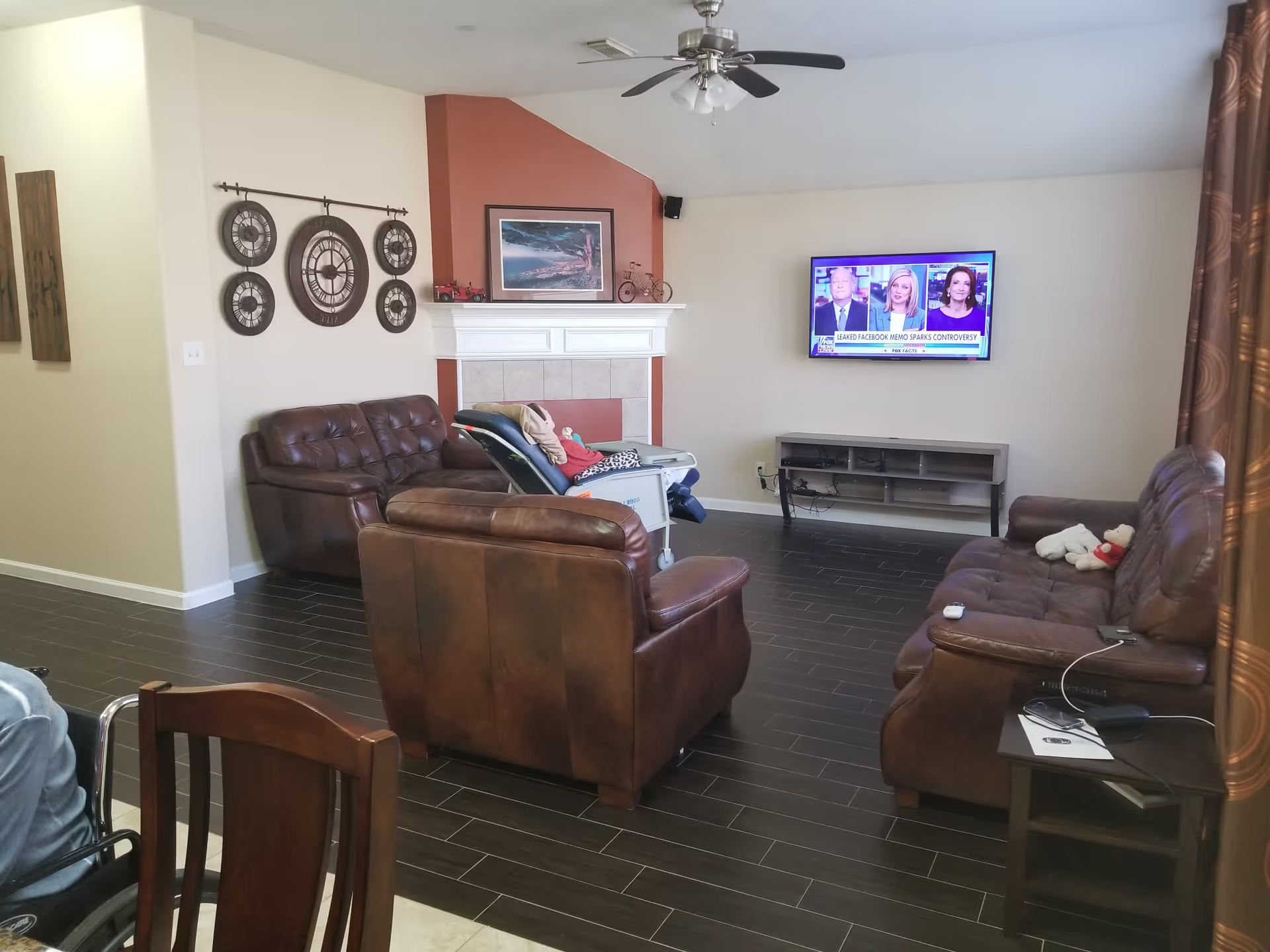
Activity programming and social life show divergent experiences. Several reviewers note daily social activities, pleasant social atmosphere, and opportunities for personalization and privacy. Others described minimal organized activities, no dedicated activity coordinator, and situations where television was the primary form of engagement. The facility’s small-house model can facilitate close social interaction but may also limit space for group activities and mobility devices.
Physical plant and accessibility present strengths and constraints. The building is generally described as clean, easy to navigate, and suitably home-like, but room sizes are small and communal spaces may be tight for wheelchairs or multiple mobility devices. Some reviewers found the common-area layout and mismatched seating to be uninviting, which can affect social engagement and comfort for visitors.
Management and communication show both responsiveness and gaps. Positive notes include instances of management or named staff being personally available and accommodating, which families appreciated. Contrasting accounts point to language barriers with some staff and inconsistent family communication or lack of information provision. Prospective families should verify language support, points of contact, and how the facility communicates clinical changes and emergency events.
Overall, the pattern in reviews is mixed: the facility demonstrates strengths in compassionate, individualized caregiving, cleanliness, and a small-house atmosphere, but operational issues—particularly variable staffing/supervision, inconsistent activity programming, communication barriers, and uneven meal quality—have led to divergent family experiences. Recommended next steps for prospective residents and families are in-person visits, direct questions about staff-to-resident ratios and emergency protocols, review of activity schedules and menus, and verification of language and family-communication practices before placement.