The Cottages at Chandler Creek is described primarily as a specialized memory-care community with a small-household feel. Families value its ability to support residents with dementia at different stages, including people with substantial care needs. Several families describe improved comfort, eating, participation, or cooperation after move-in, while others emphasize continuity in a familiar setting as needs increase, including through hospice care. The community also offers respite stays and coordinates nursing, therapy, physician, and hospice services.
Staff care is a prominent strength in many accounts. Families commonly describe caregivers as kind, attentive, and familiar with residents’ individual routines and preferences; some also note long staff tenure and strong relationships with leadership. Communication is frequently praised, including prompt responses and updates about health changes. However, experiences are not uniform: some families describe difficulty reaching staff, delayed follow-through on administrative matters, or inconsistent communication tone. Staffing shortages and turnover are also raised as concerns. One family described concerns about resident access to rooms and snacks, while another raised room-upkeep and meal-removal concerns; these accounts differ from numerous positive descriptions of cleanliness and daily care.
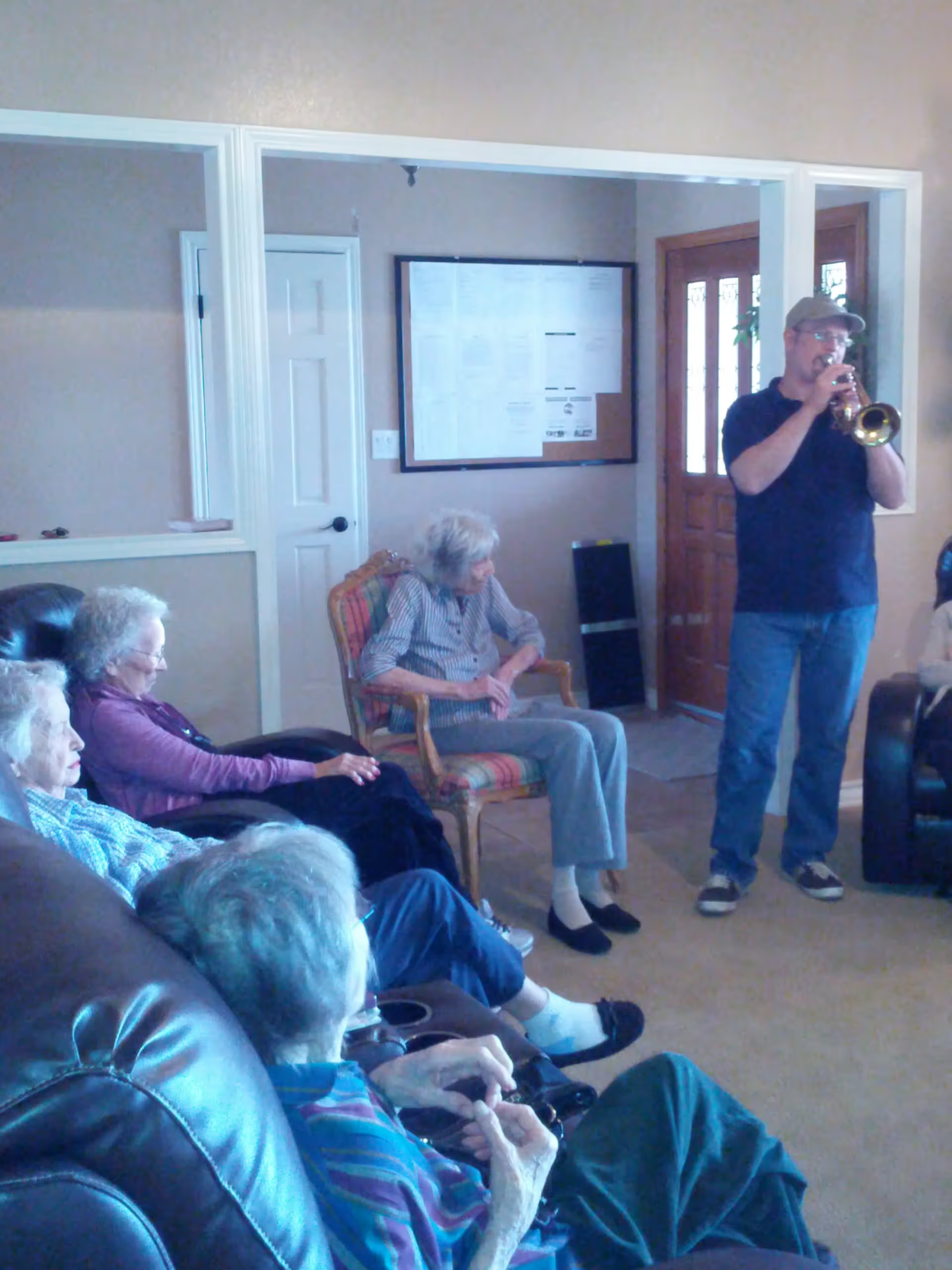
Dining is often characterized as home-style, with food prepared on site, snacks available, and staff willing to accommodate familiar preferences. Many families speak positively about taste and meal quality. Other accounts describe food as only fair, inconsistent, or repetitive, with limited fresh-food variety. Activity programming is another frequently praised feature, including music, dancing, games, exercise, crafts, worship, celebrations, and family events. Some residents participate actively, though one account found that activity options and opportunities for conversation did not match the resident’s needs; families may want to ask how programming is adapted to different abilities and interests.
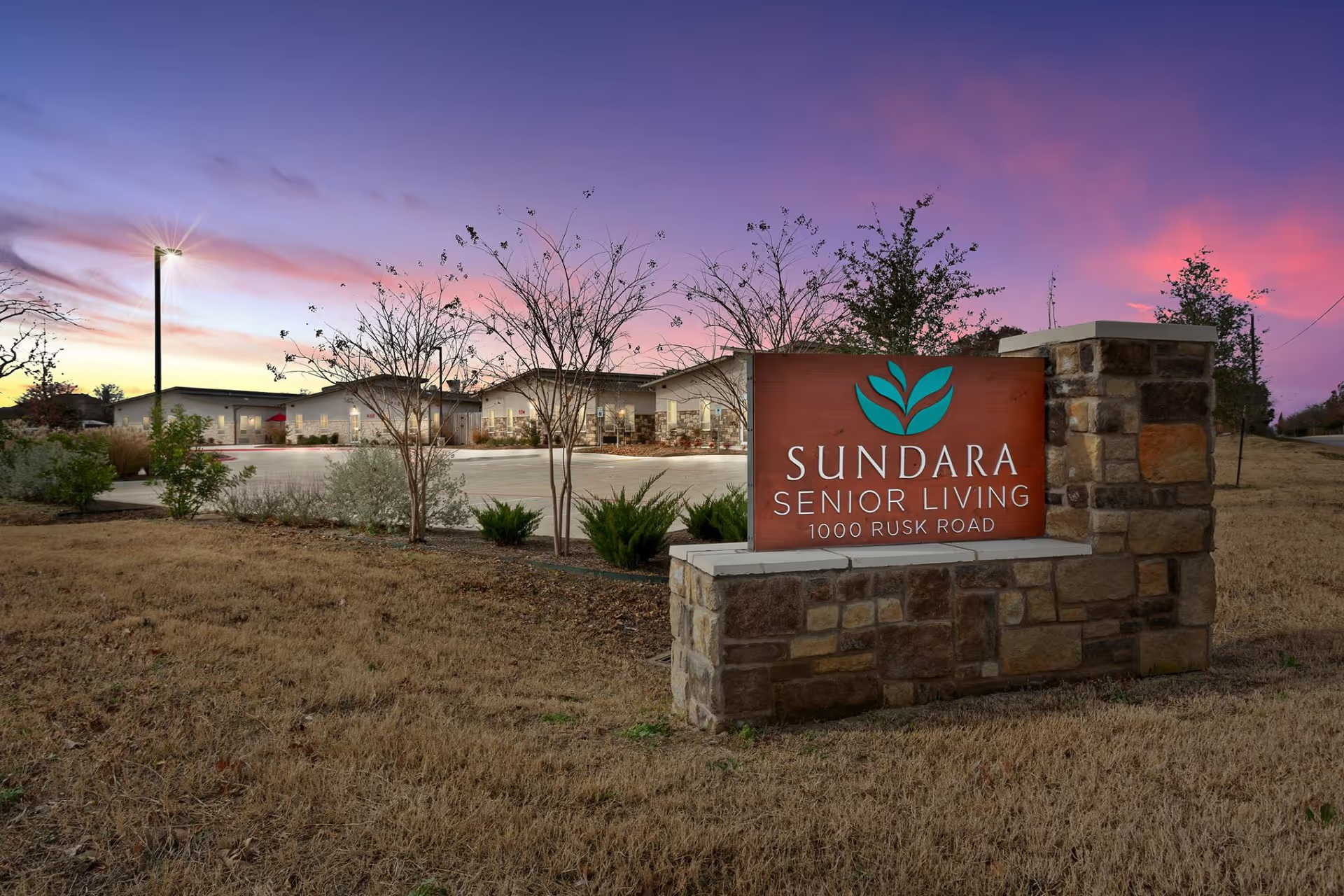
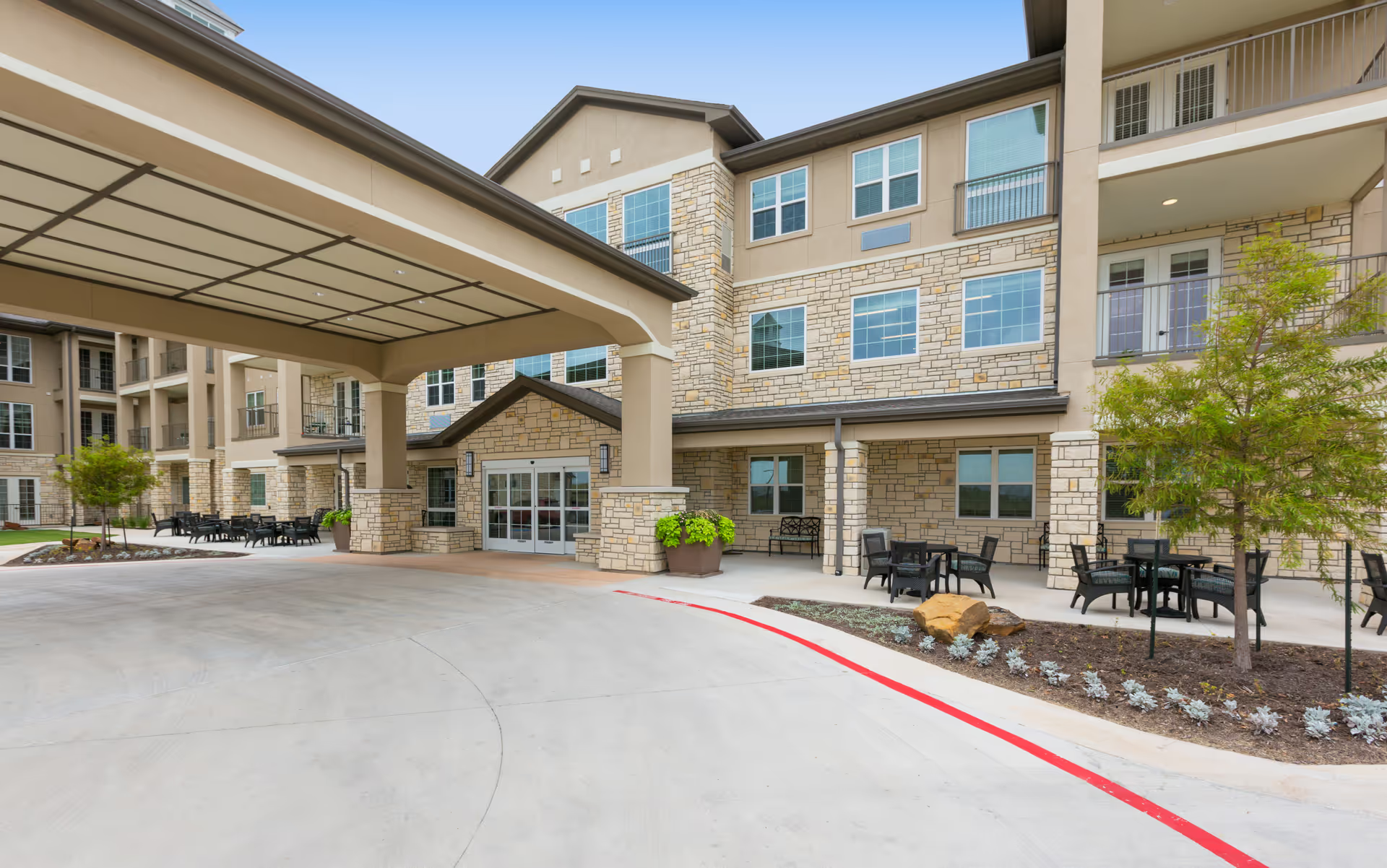
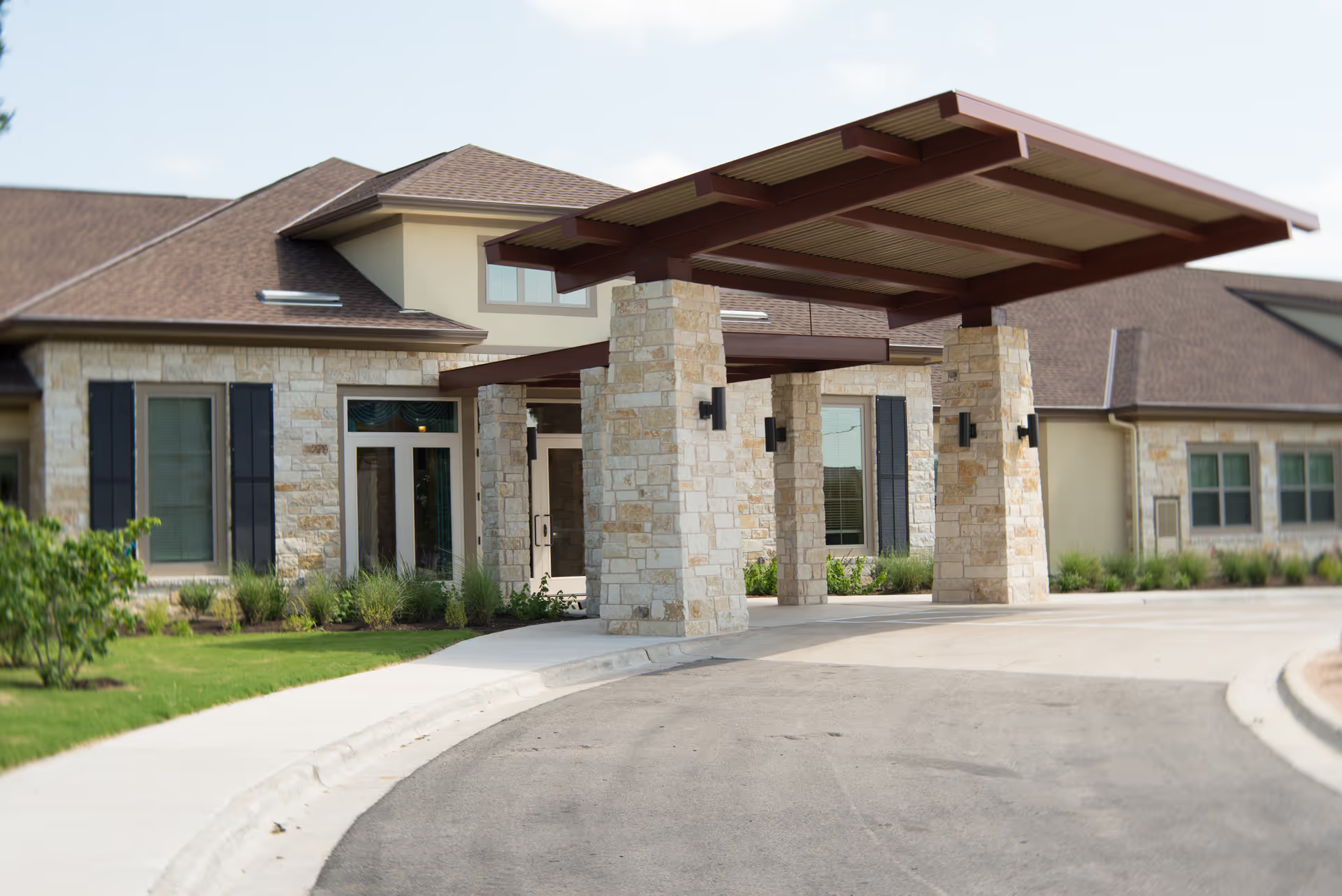
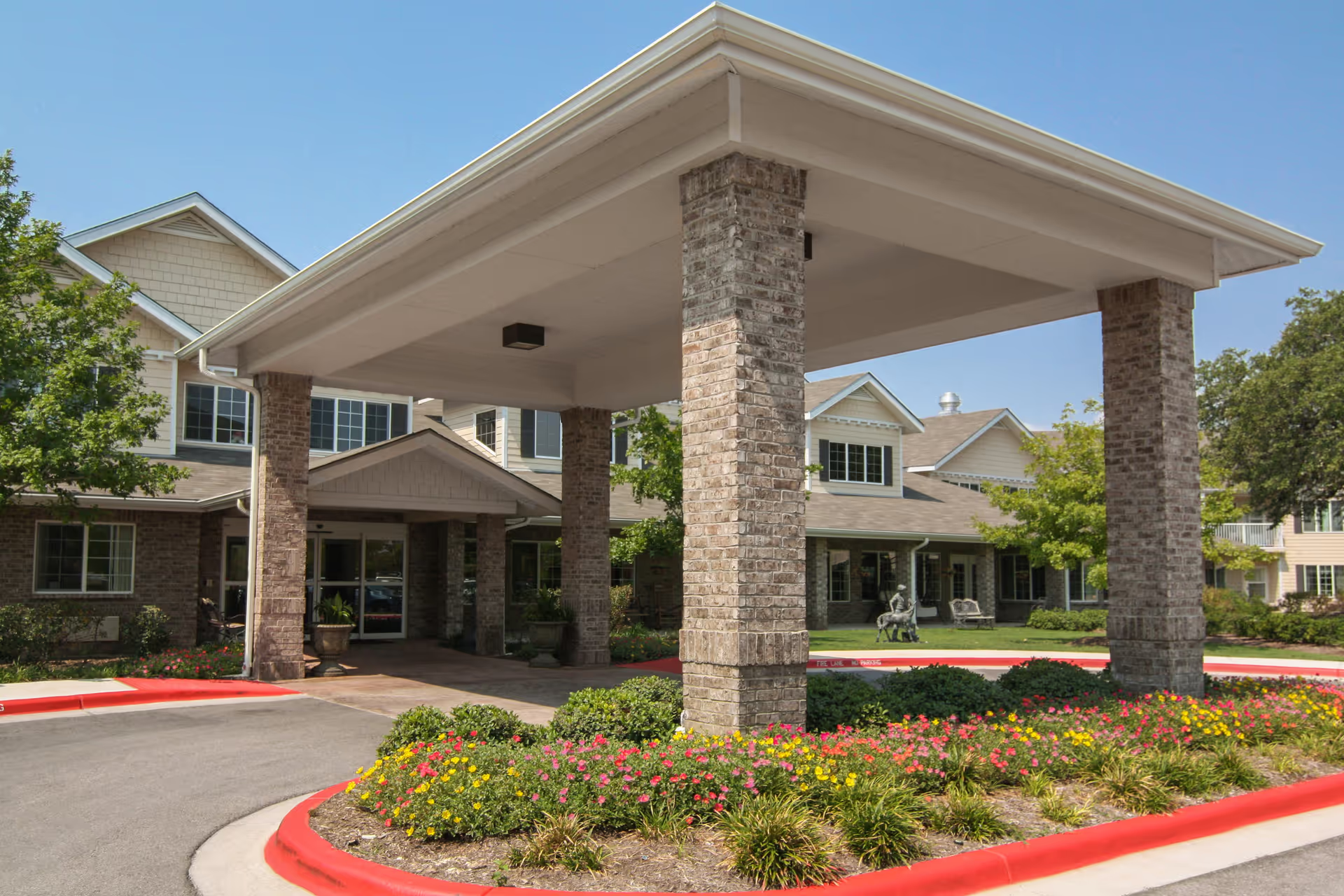
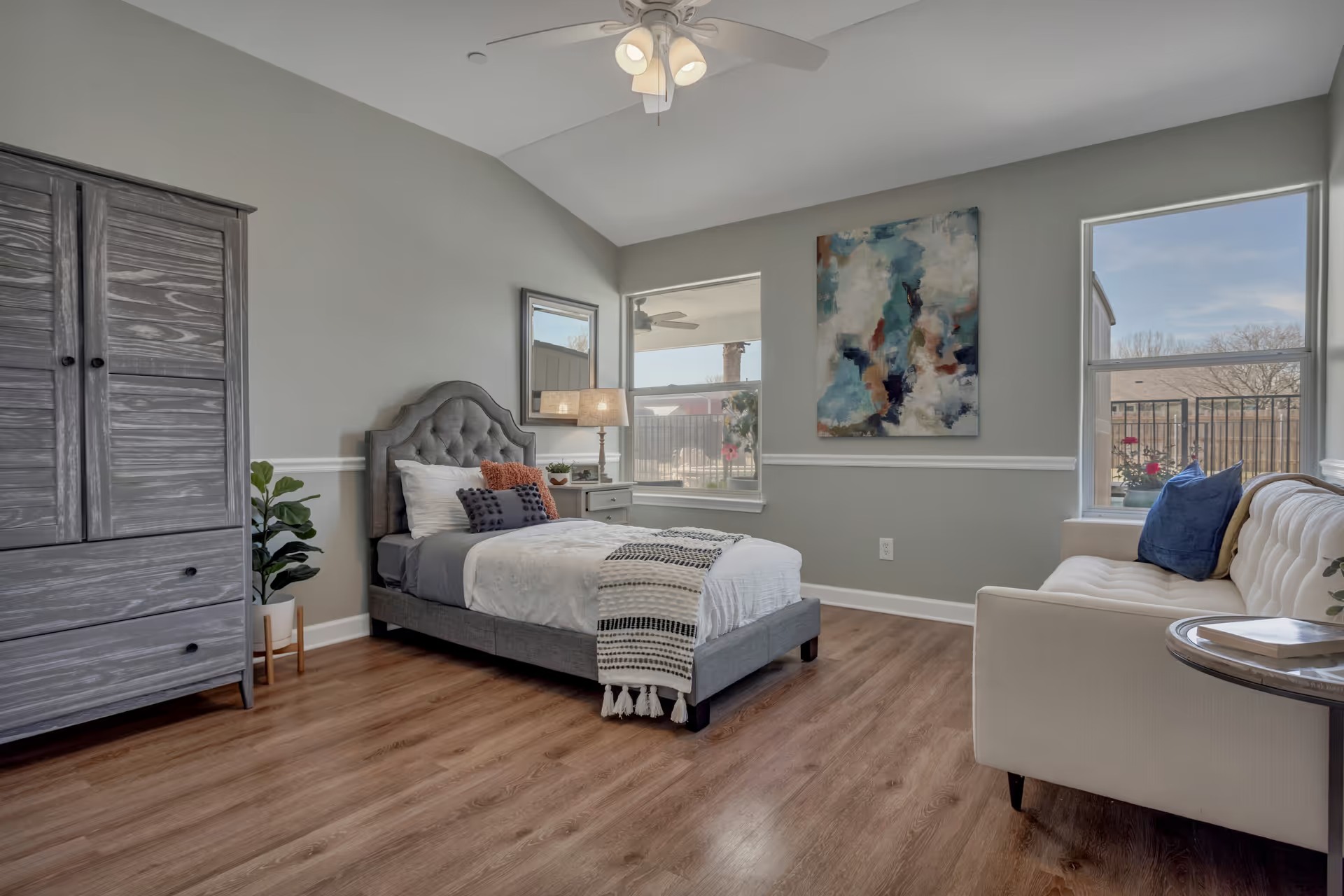
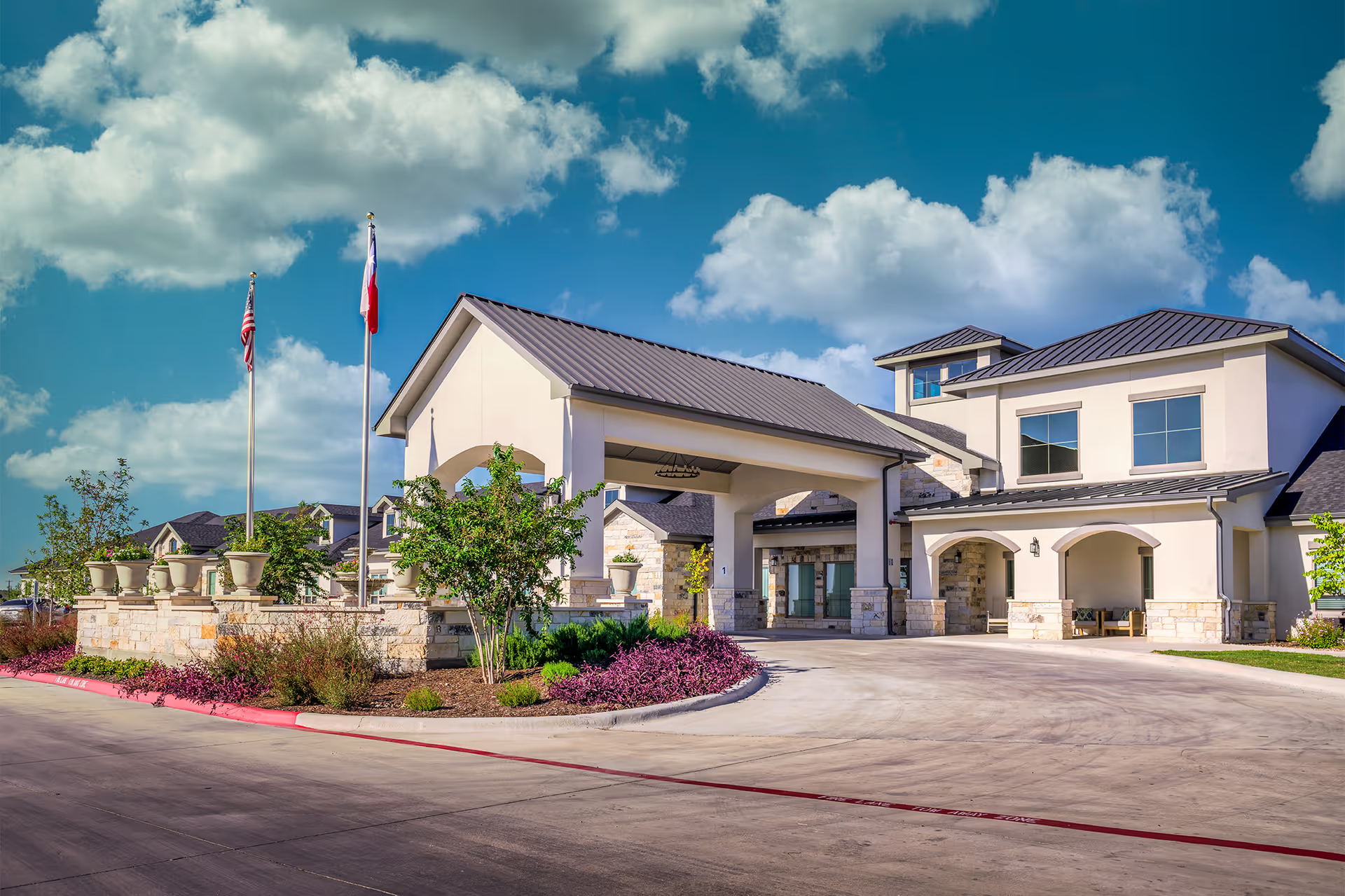
The physical environment is commonly described as clean, bright, attractive, and more residential than institutional, with shared living and dining spaces, outdoor areas, and secured settings. Room arrangements vary, and some prospective families found rooms small or had concerns about shared-room layouts and bathroom access, so a tour of the specific room type is advisable. Management receives strong praise for involvement and help with urgent placements, but some families report inconsistent follow-through, including with calls, paperwork, and billing. Cost is a concern for some, and at least one prospective family found that its funding arrangement was not accepted. Overall, feedback is largely favorable, especially regarding personalized dementia care, staff relationships, activities, and continuity; prospective residents and families should also ask directly about staffing coverage, communication procedures, room and bathroom configuration, dining options, payment arrangements, and access to personal belongings and snacks.