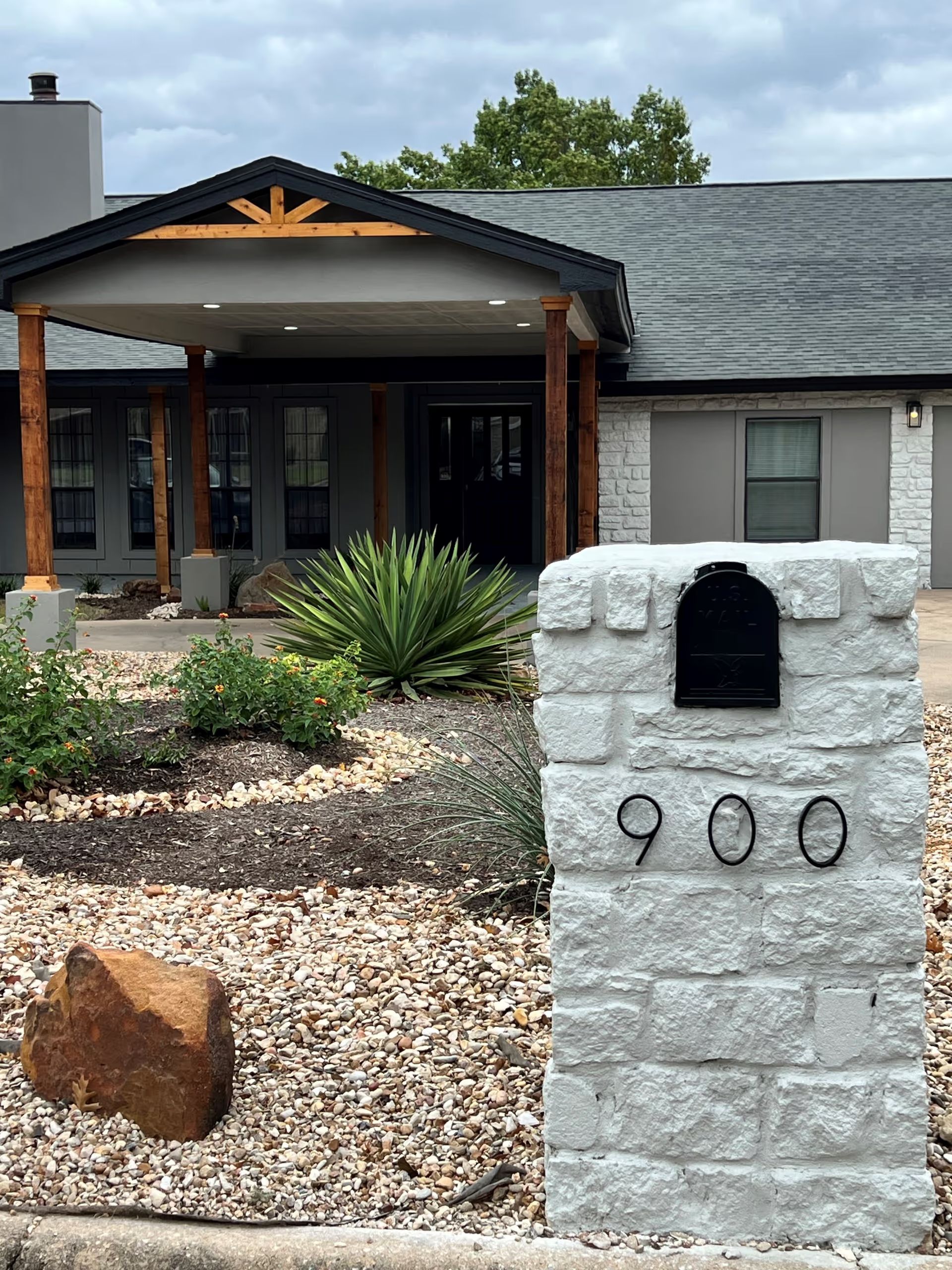
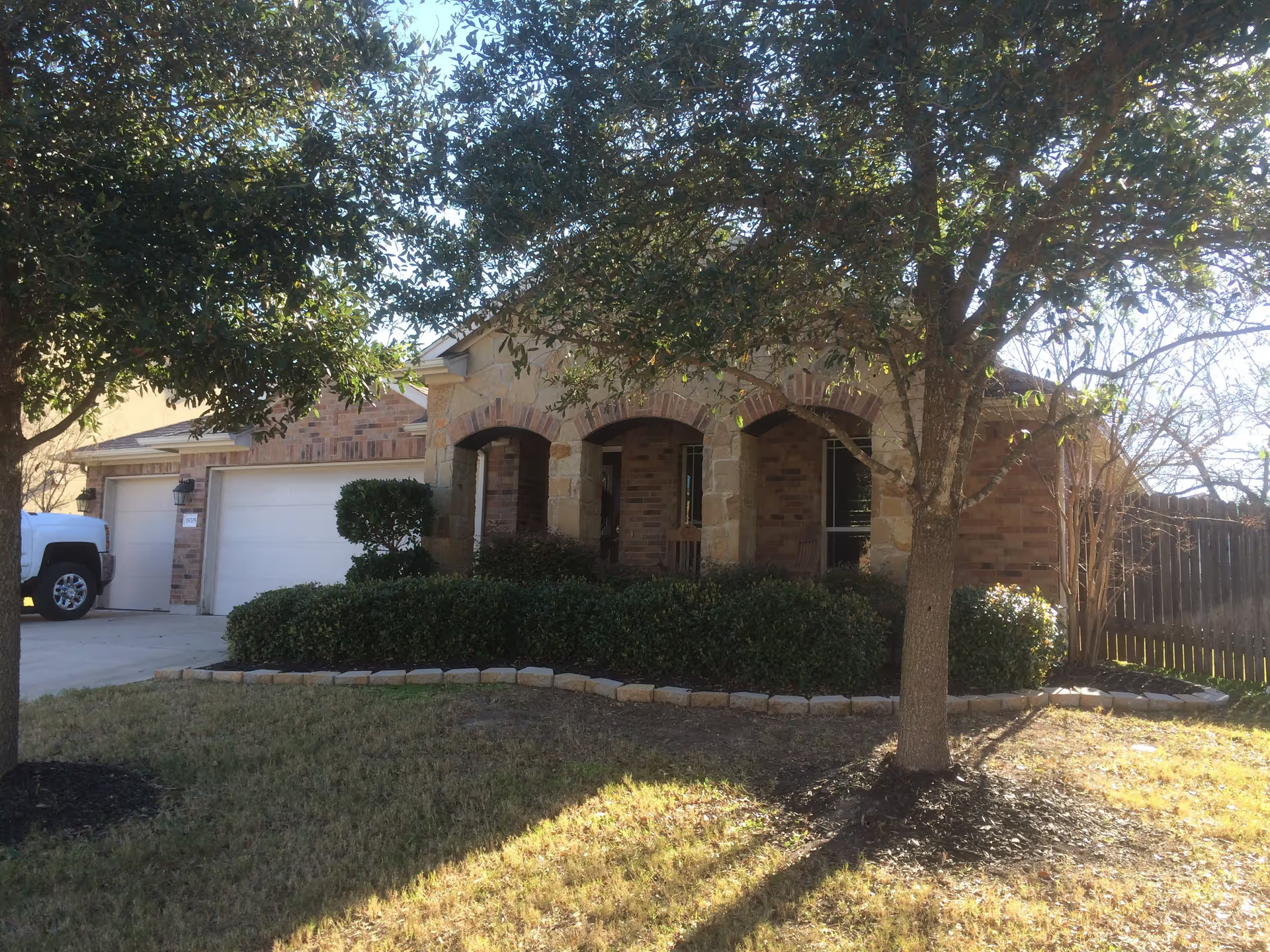
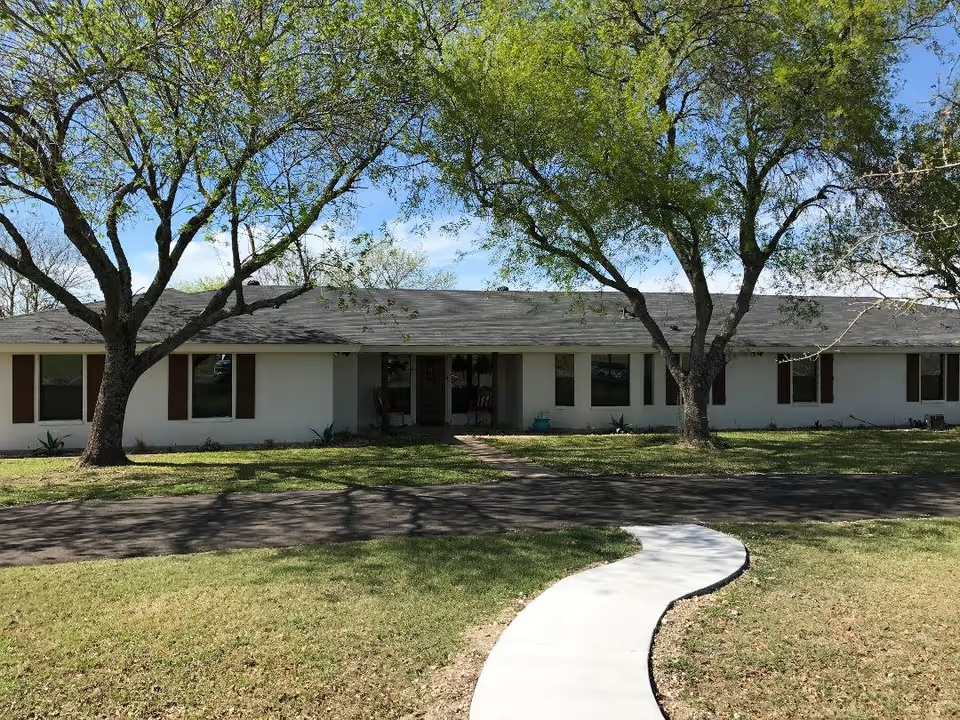
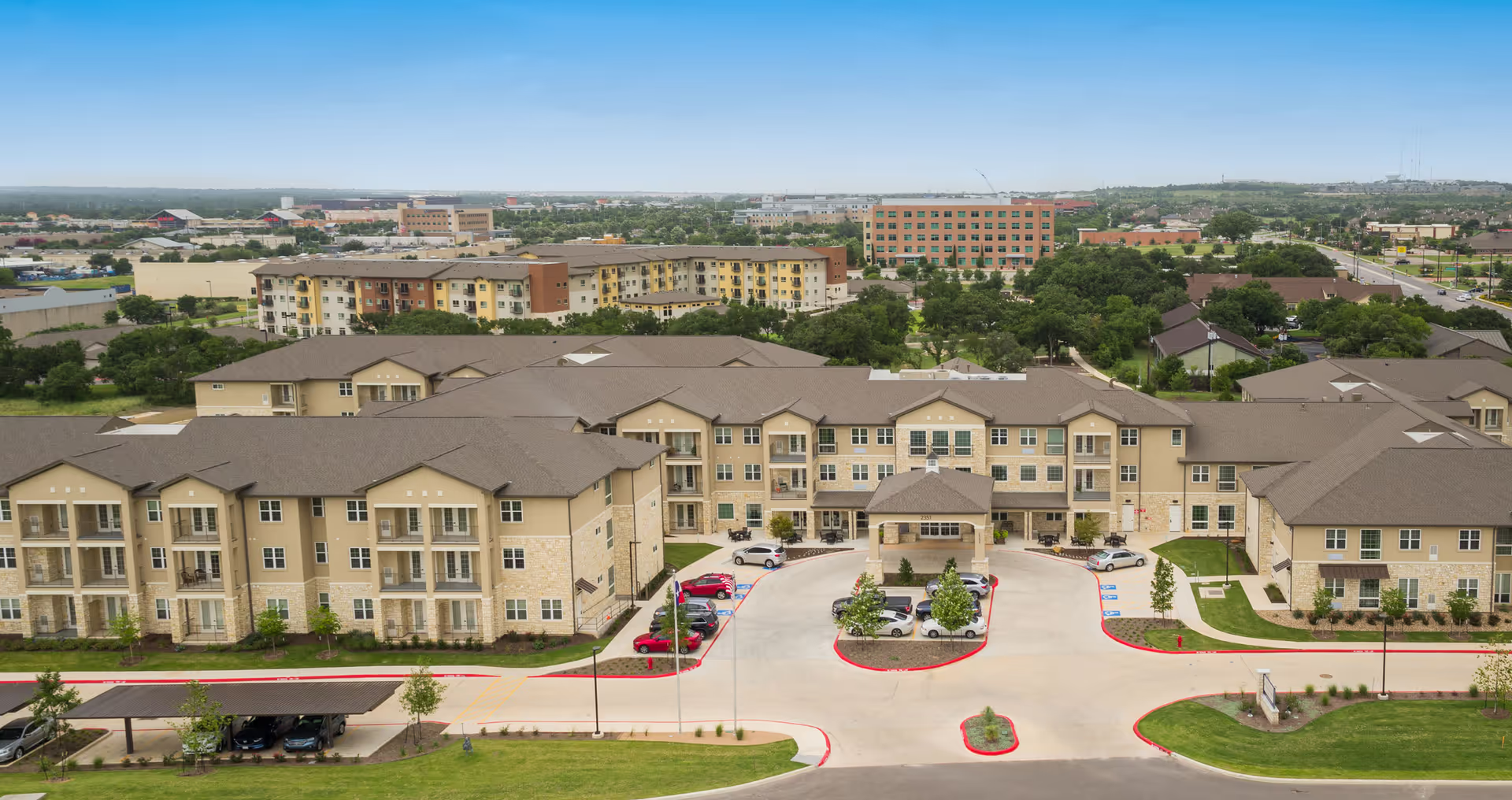
The reviews present a mixed but clearly patterned picture of Sundara Senior Living. Many families describe a small-home, memory-care model that feels domestic rather than institutional: two residences with 16-bed households, home-cooked and made-to-order meals, and staff who are perceived as warm, individualized, and emotionally supportive. Owners and directors are frequently cited as accessible and comforting, and several accounts emphasize quick placement, smooth transition assistance, culturally tailored programming, and built-in pricing that families found straightforward. For some residents the setting appears to provide safety, dignity, and meaningful one-on-one attention.
At the same time, a number of substantive operational concerns recur across reviews. The most significant are clinical- and process-related: medication-administration errors, lapses following physician orders, and other medication-management control weaknesses. Related issues include inconsistent dementia-specialty training among staff and variable staffing levels that affect responsiveness and timeliness of care. There are also descriptions of gaps in clinical coordination and emergency readiness (for example, oxygen-management and inter-provider communication breakdowns) that families should evaluate when placing a medically complex resident.
Environmental and service-delivery issues are another common theme. Some families reported housekeeping and maintenance operation gaps, including room and bathroom cleanliness and delayed repairs or replacements. Meal service is described positively in several accounts but inconsistently in others; concerns include variable food quality, high-sodium choices, and limited visible hydration options. Activity programming receives mixed feedback as well — while some homes offer engaging, individualized activity and chores suited to residents with dementia, others lack visible calendars, resident-centered scheduling, or sufficient cognitive-engagement offerings.
Communication, oversight, and hiring practices are additional areas of concern. Several families noted weak or uneven family communication and the absence of formal family-governance mechanisms such as a family council. There are mentions of hiring and background-screening weaknesses and isolated serious conduct concerns; these items suggest prospective families should ask about staff recruitment, background checks, and how the community investigates and responds to conduct issues. Management tone and accountability are described inconsistently across reviews, with both praise for empathetic leadership and critiques of impersonal or unresponsive administrative interactions.
Taken together, the pattern suggests Sundara may provide a high-quality, family-oriented memory-care environment when its staffing, training, and operational controls are consistent — but families should perform due diligence. Recommended pre-admission questions include specific protocols for medication administration and error reporting, staff-to-resident ratios and dementia training standards, housekeeping schedules, meal and hydration policies, activity calendars and cognitive-engagement plans, clinical coordination procedures (including emergency responses), and details on hiring and background-screening processes. Visiting in person and requesting documentation or references on the areas above will help determine whether the home's strengths align with a given resident's clinical and social needs.