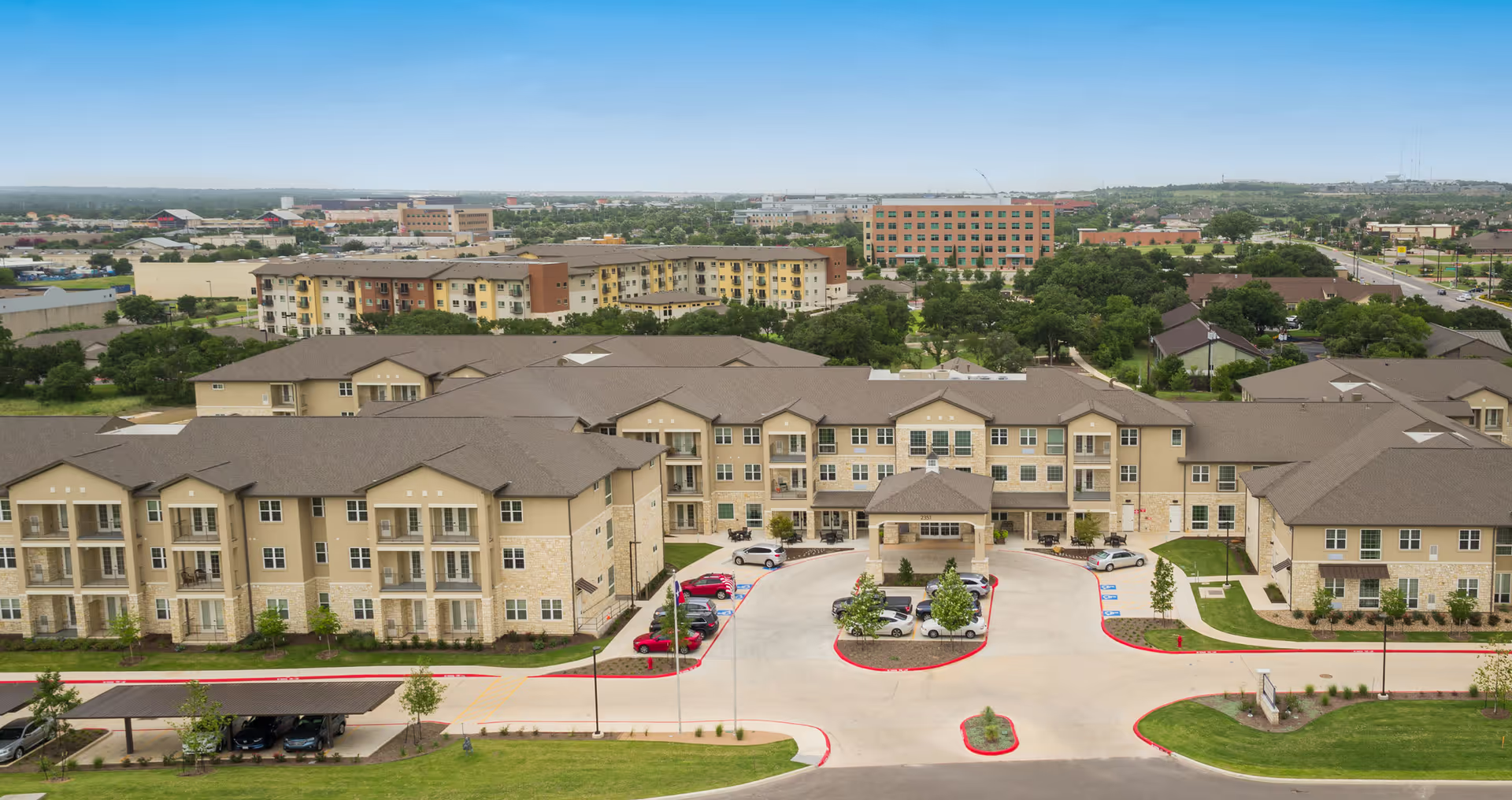
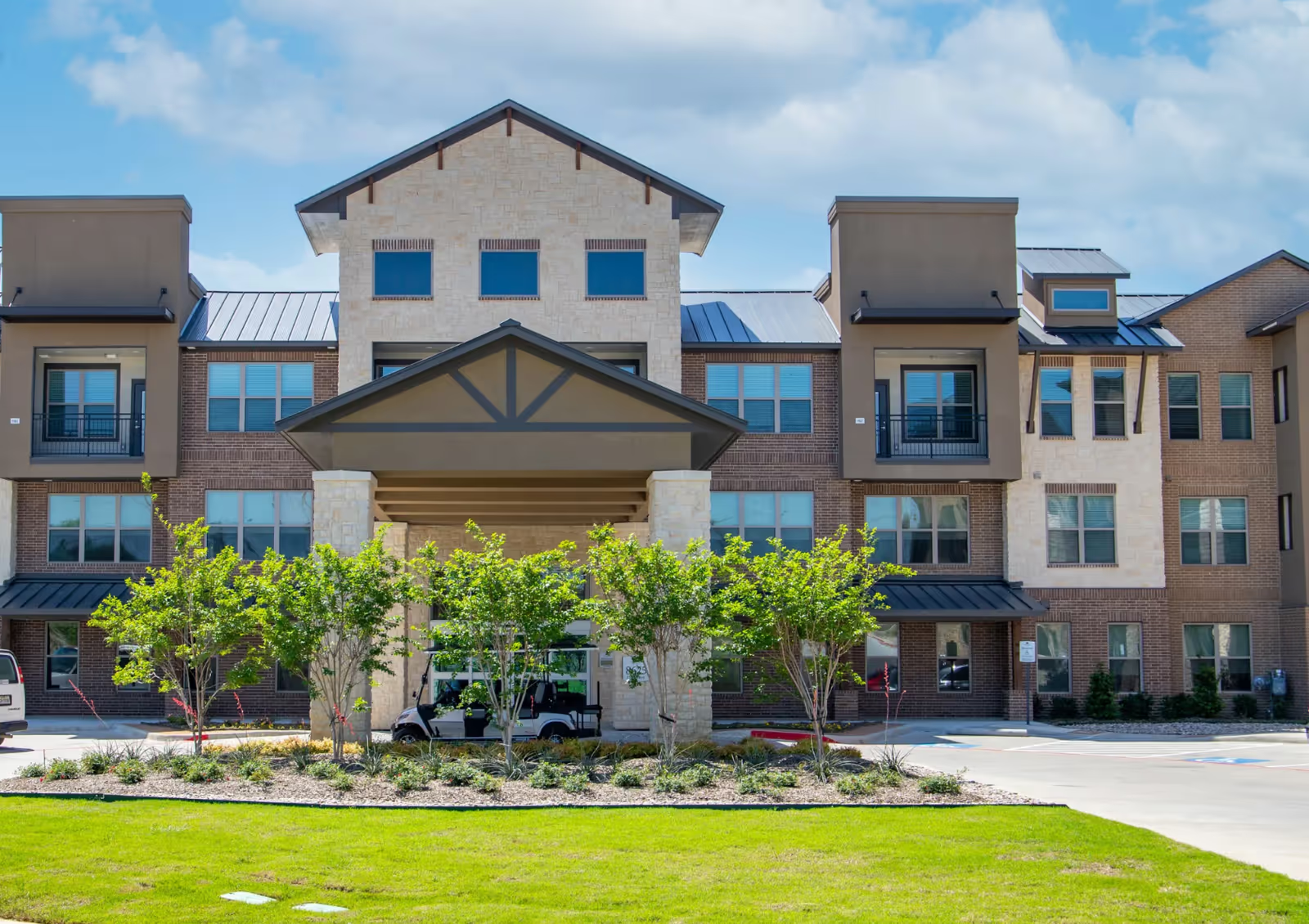
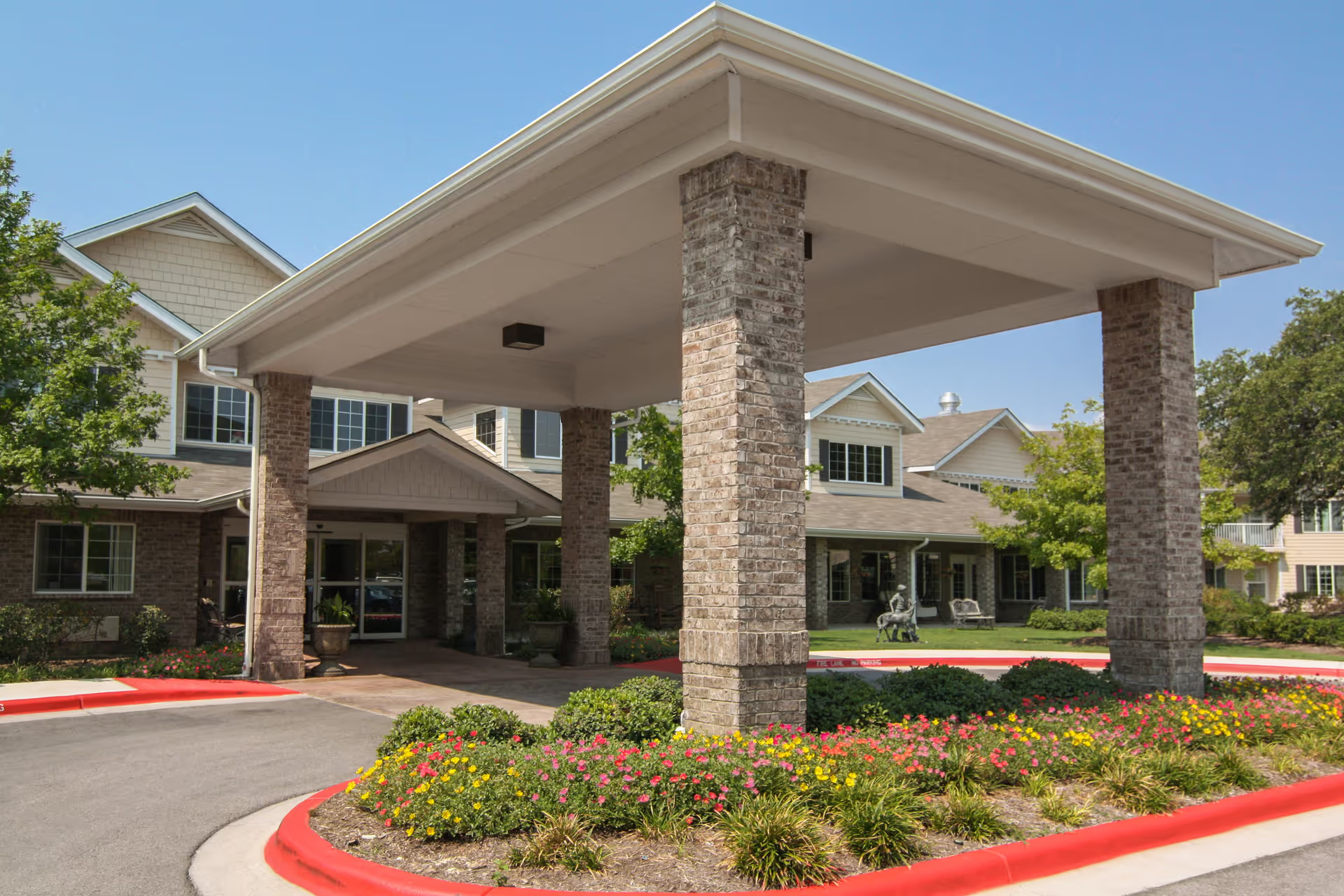
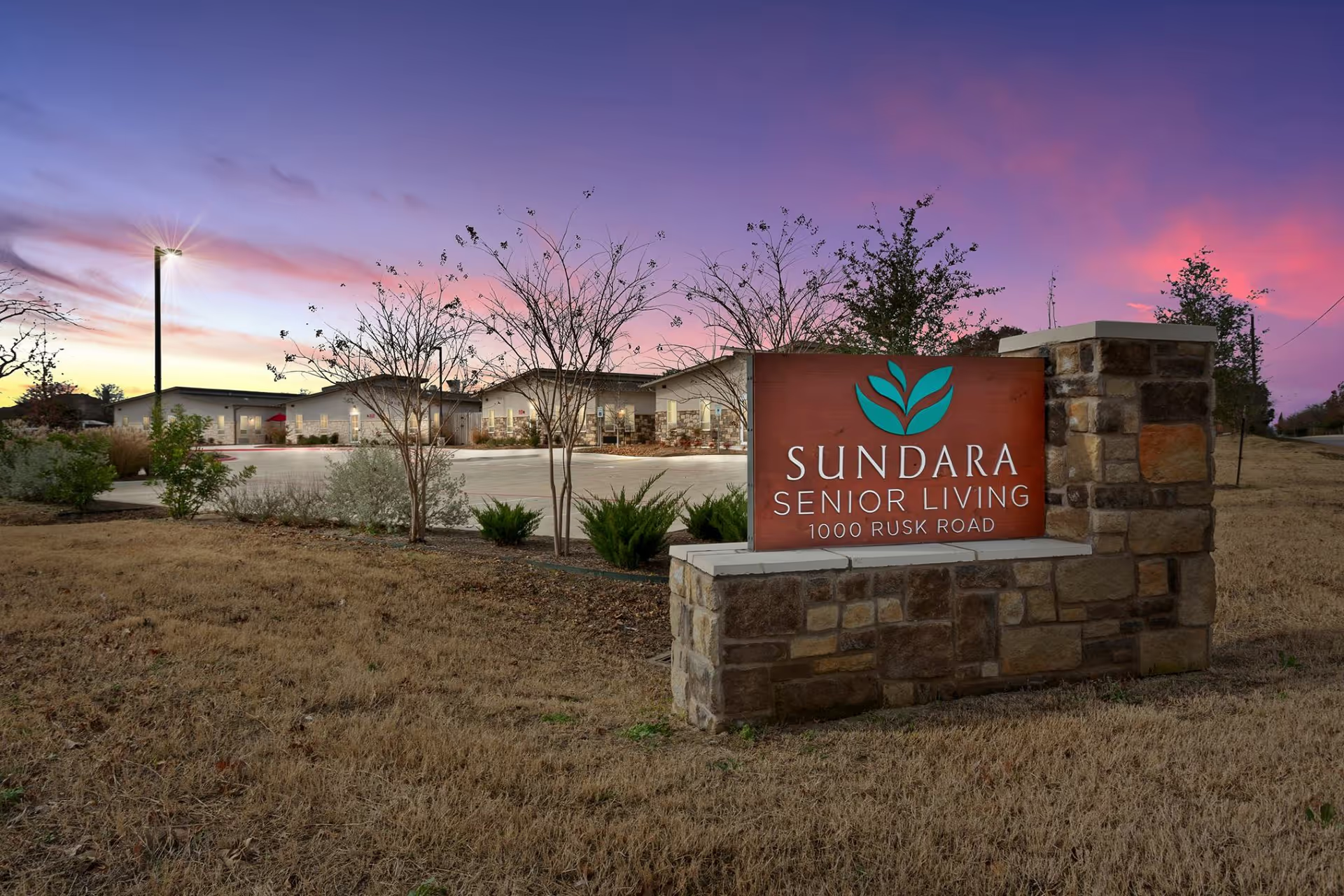
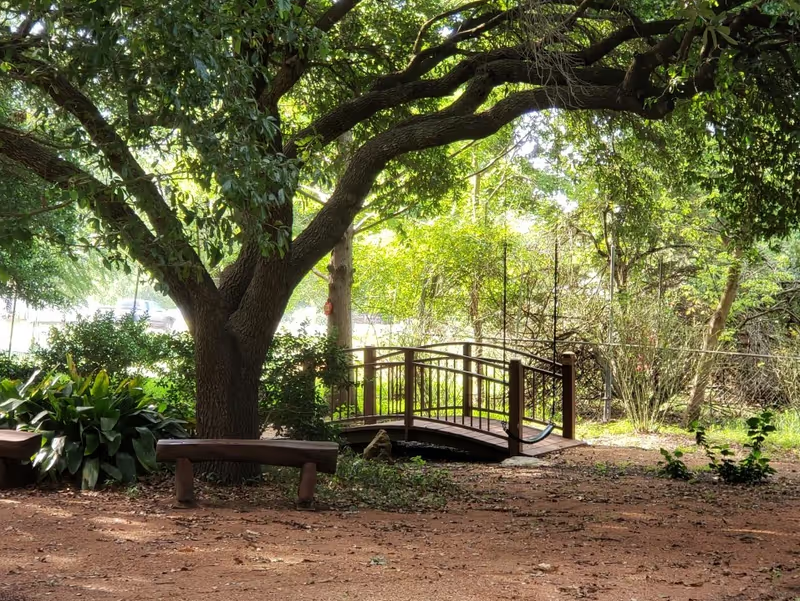
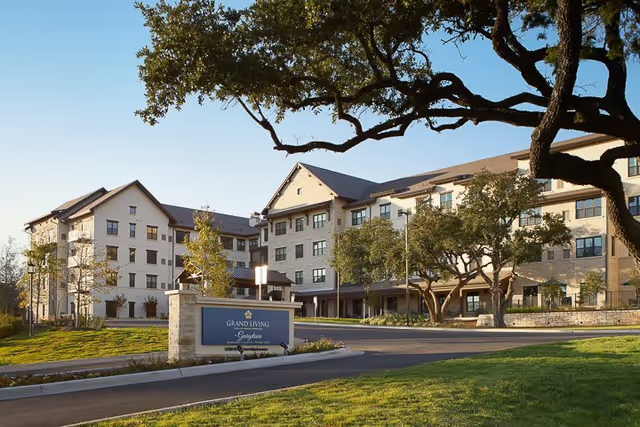
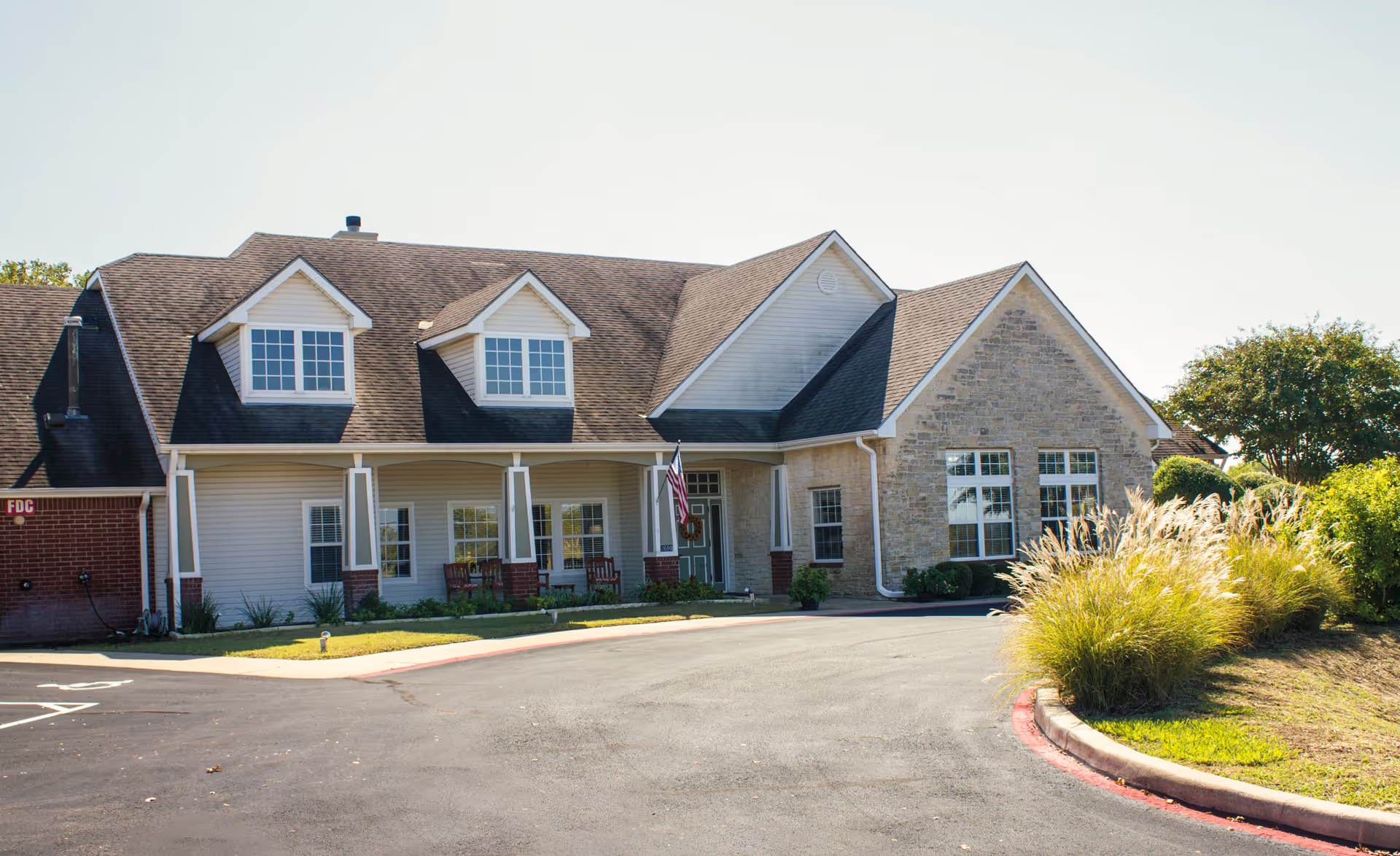
Overall impression: The facility presents as a clean, modern memory-care community with a strong emphasis on dignity, resident engagement and family communication. Physical spaces and private units are well maintained, with thoughtful design elements (pleasant overhead lighting, private showers, courtyard gardens) and safety technology such as motion sensors. Many families experienced a welcoming admissions process and an active concierge role that eased transitions.
Care and staff: Caregiving teams are frequently described as compassionate, patient and dementia-aware, and the community maintains around-the-clock licensed nursing coverage. Reviewers highlighted dementia-focused training, inclusion of less-mobile residents in activities, and the presence of a social worker and therapy supports. At the same time, an important operational pattern is inconsistent staffing and caregiver continuity: leadership and administrative turnover, along with periodic shortages of aides, have been associated with delays in routine care tasks, variability in resident attention, and uneven family experiences. Prospective families should inquire about current staffing ratios, leadership tenure, and how float or backup staff are deployed.
Clinical operations and safety: The facility uses technology to support resident monitoring and family communication (tablets, social-media updates, motion detection), which families found reassuring. However, reviewers also note gaps in medication-administration processes and clinical documentation on occasion; these are operational vulnerabilities that can affect clinical reliability if not actively managed. There are also intermittent sanitation and pest-control concerns cited by some families, indicating a need to confirm current housekeeping and pest-management practices during a visit.
Dining and services: Dining is often described positively — restaurant-quality meals, accommodations for taste preferences, and a lively kitchen team. Multiple reviewers appreciated meal customization and transportation assistance. Conversely, there are repeated operational notes about missed meal deliveries and occasional unaccommodated preferences; these point to variable meal-service continuity and communication between care and dining teams. Ancillary services such as an on-site salon, mobile medical/dental visits, outings van and therapy offerings are strengths.
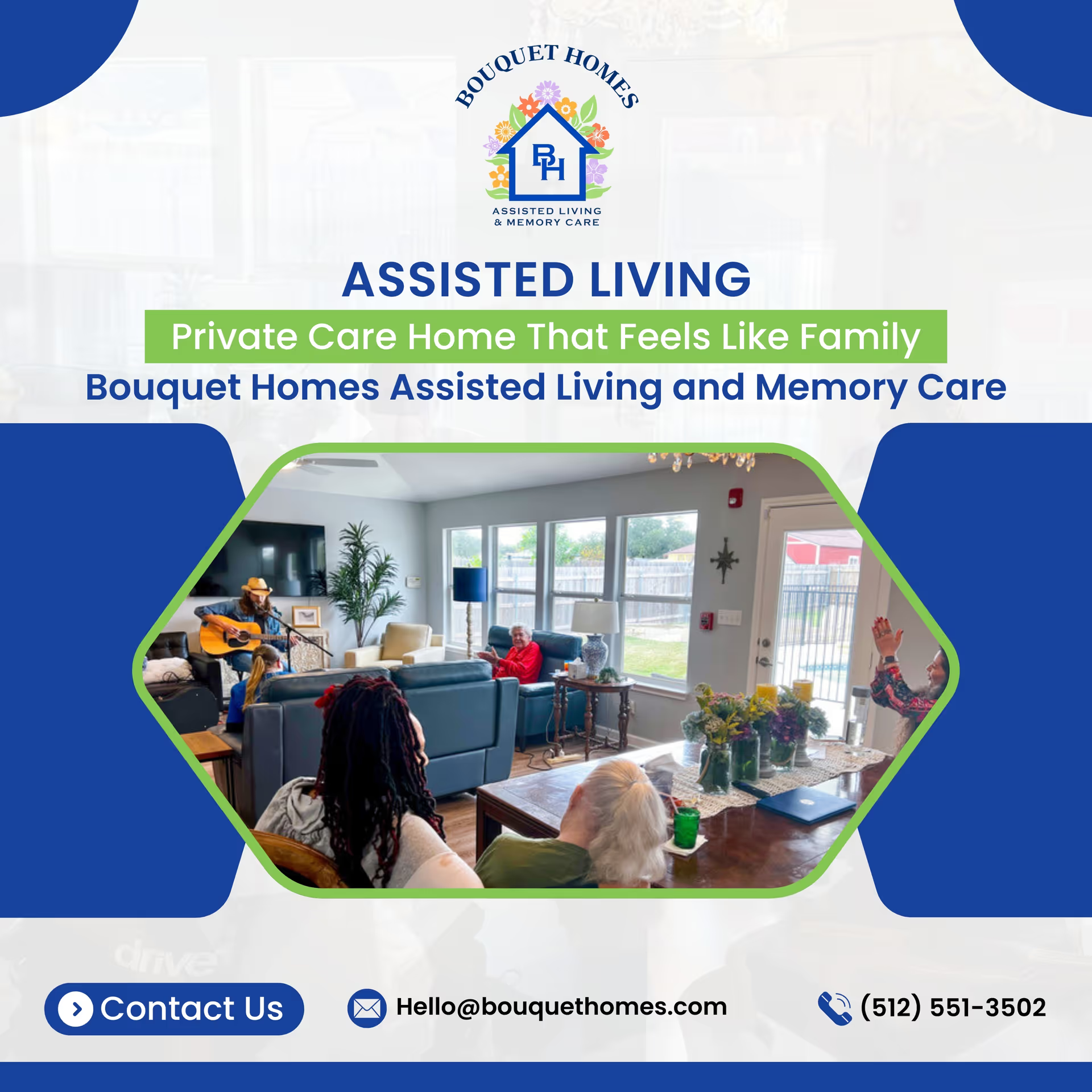
Activities and social programming: Activity offerings are broad (arts and crafts, music, exercise, memory games, outings) and many families saw residents as engaged and participating. The program also makes efforts to include bedridden residents. That said, activity quality appears uneven: some describe highly engaging, individualized programming while others found certain sessions insufficiently creative or overly large-group oriented. Recent hires and changes in activity leadership were noted as attempts to address this variability.
Management and family communication: Communication with families is a clear strength for many — proactive updates, timely emails/texts, and an assigned family liaison. Conversely, administrative consistency and tone can vary; some families experienced very supportive executive-level engagement while others encountered less responsive or blunt administrative interactions. Leadership turnover and ownership transitions have been reported to create transitional friction; reviewers who stayed with the community often noted improvement after new management stabilized operations.
Notable operational patterns and recommendations: The reviews paint a picture of a high-quality physical environment and many dedicated caregivers supported by clinical resources, offset by recurring operational issues tied to staffing stability, administrative consistency, and certain service processes (medication workflows, laundry/personal-item tracking, meal delivery). Prospective families should (1) verify current staffing ratios and leadership tenure, (2) ask about medication-administration and clinical documentation protocols, (3) review laundry and personal-item handling procedures, (4) observe activity programming when residents are present, and (5) confirm pest-control and housekeeping processes. These checks will help determine whether recent managerial improvements have addressed the operational gaps some families experienced.
Bottom line: The facility offers many strengths that are important for memory-care residents — skilled nursing presence, dementia-aware staff, ample social programming, modern facilities and active family communication — but it also exhibits operational variability in staffing, administrative consistency and certain service processes. For families prioritizing environment and dementia expertise, this community may be a strong candidate; for those prioritizing uninterrupted hands-on assistance and consistent administrative responsiveness, an on-site comparison visit and direct questions about current staffing and process controls are advisable.