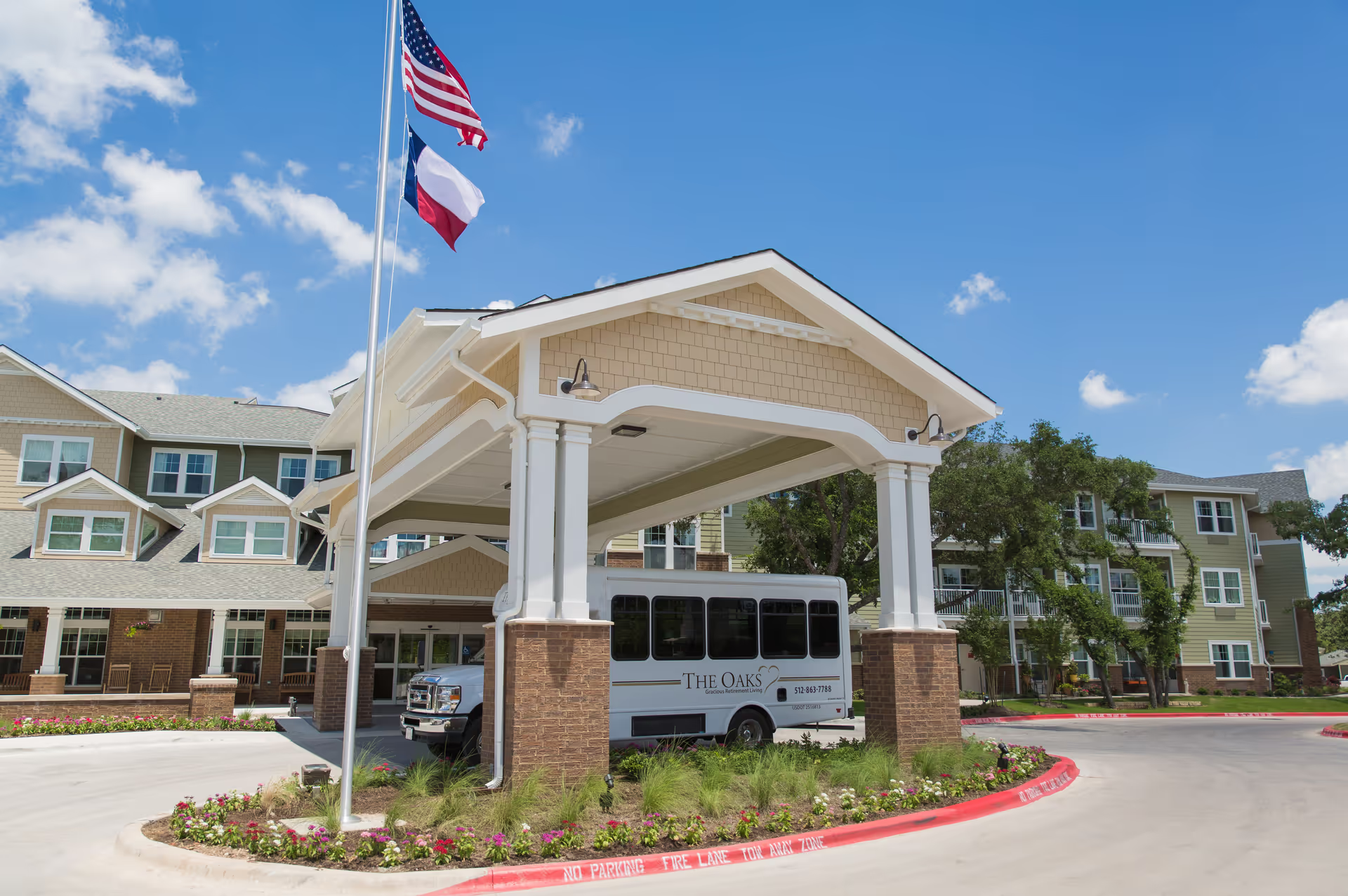
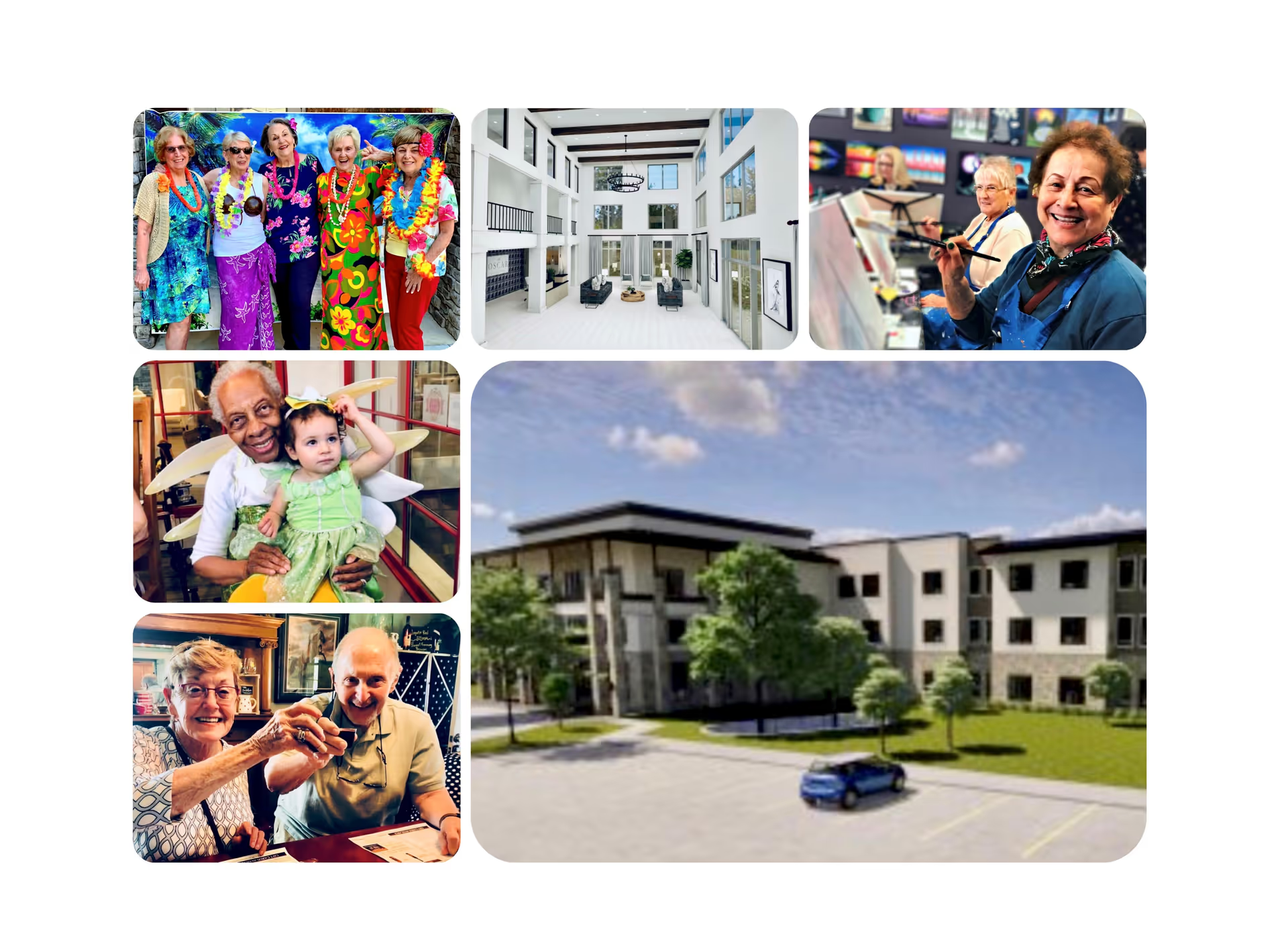
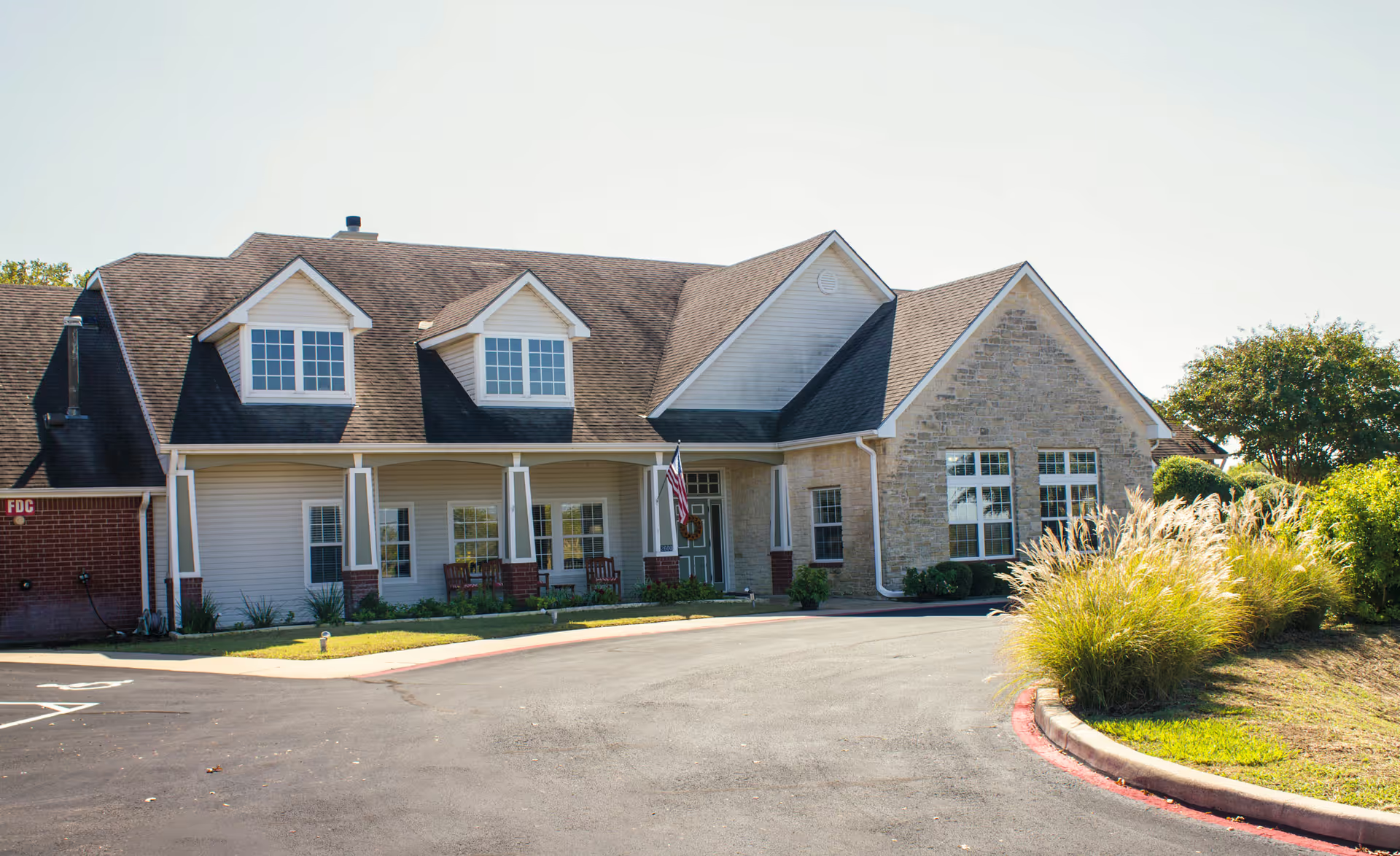
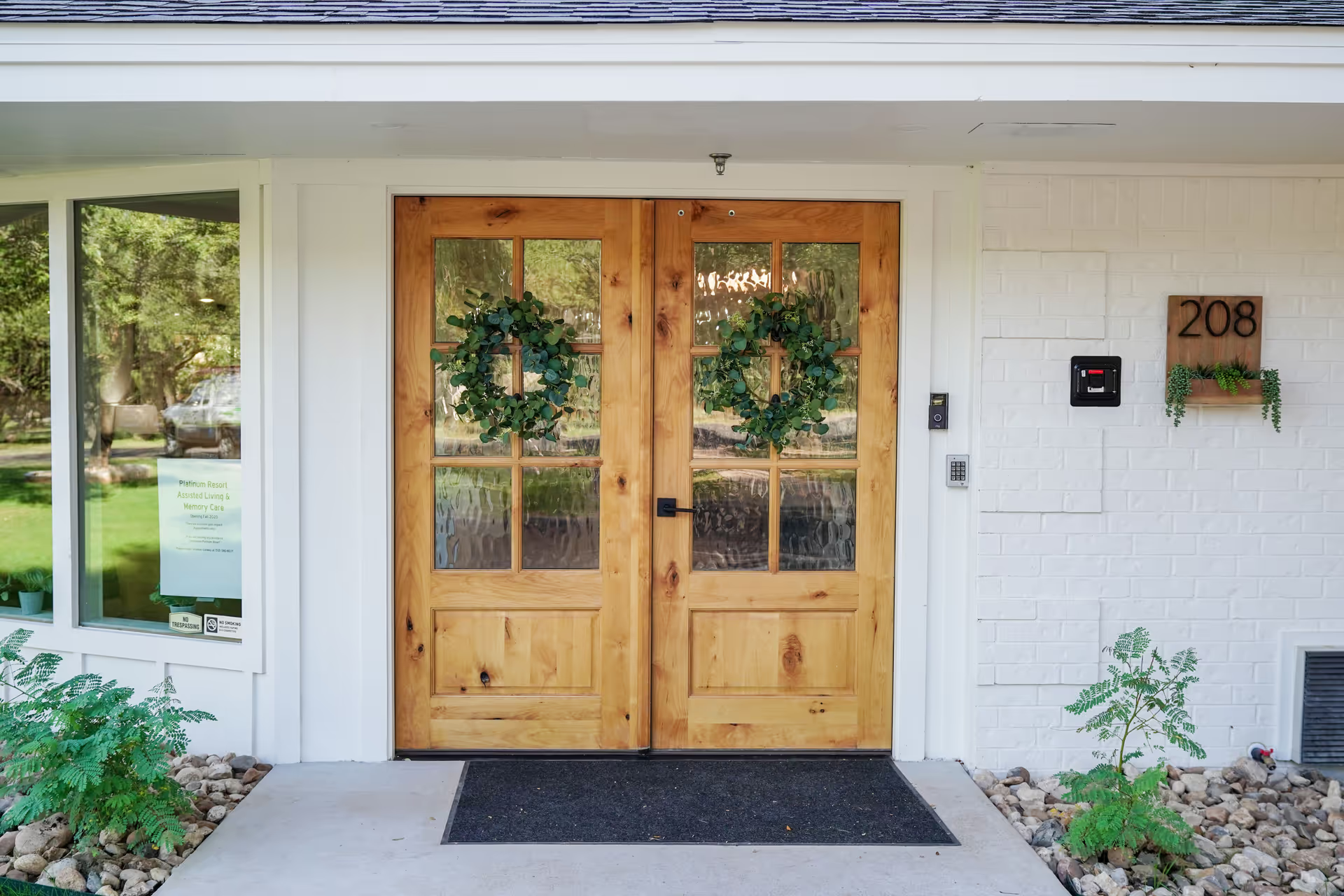
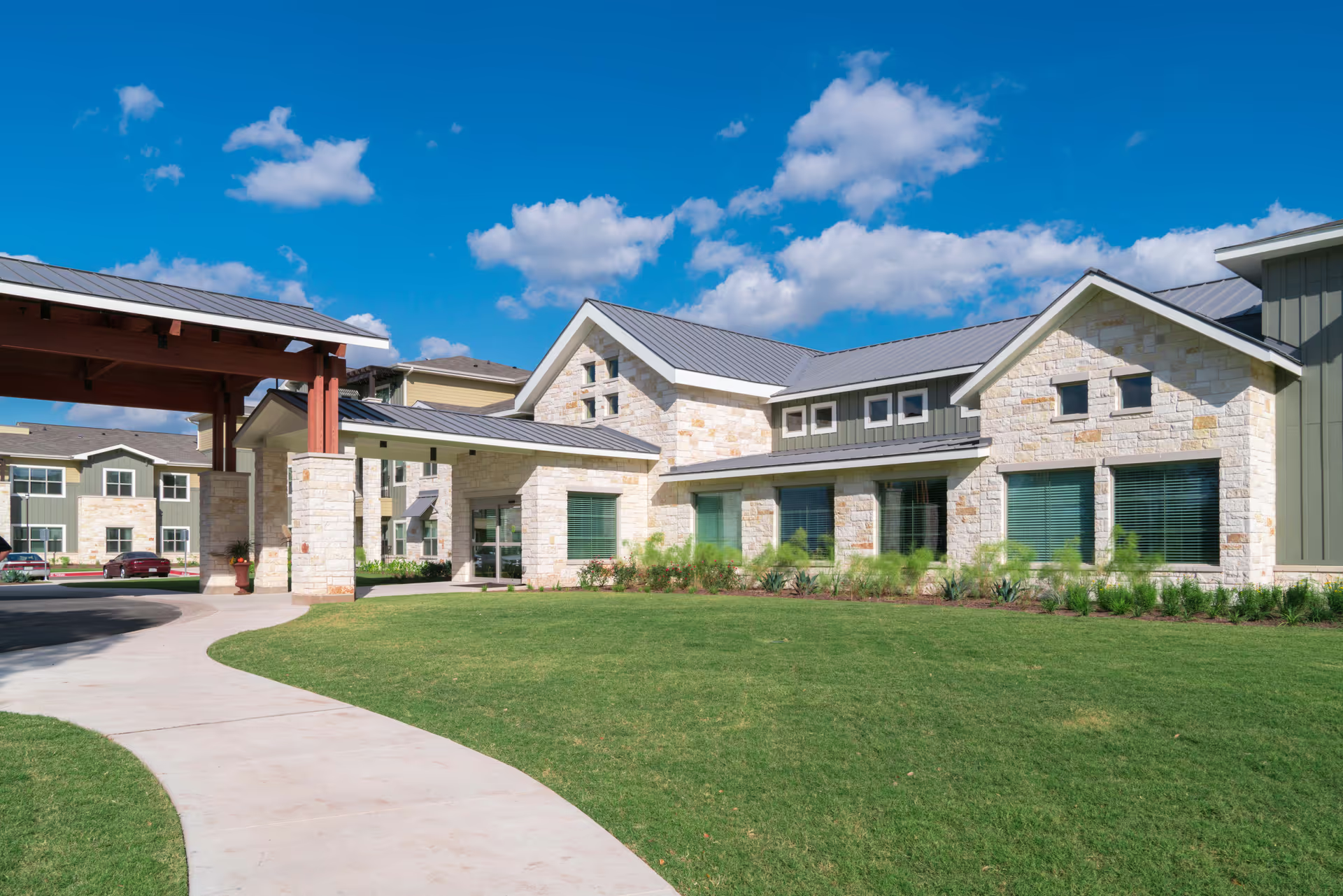
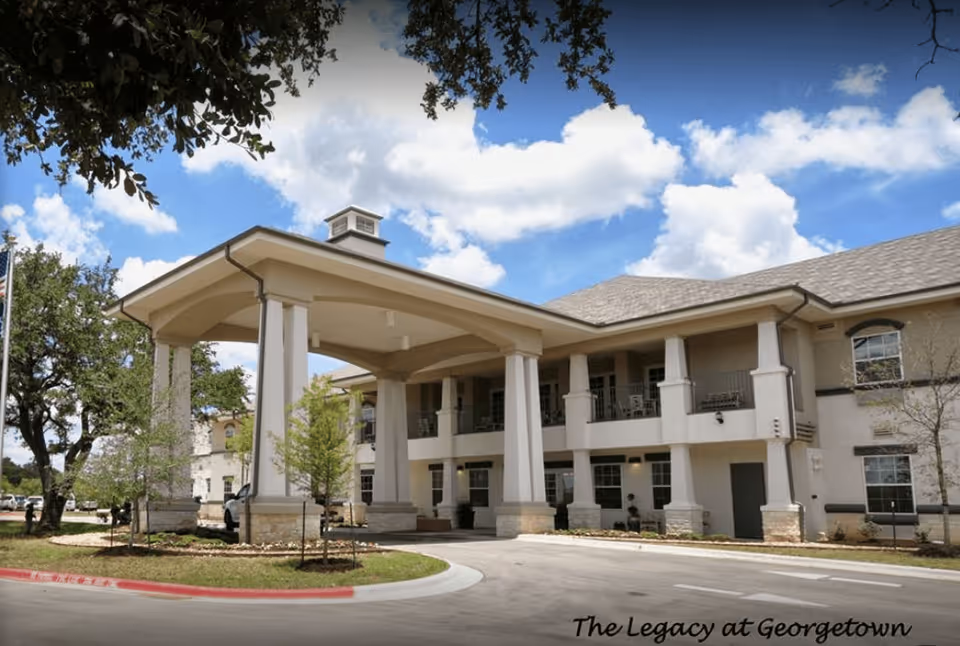
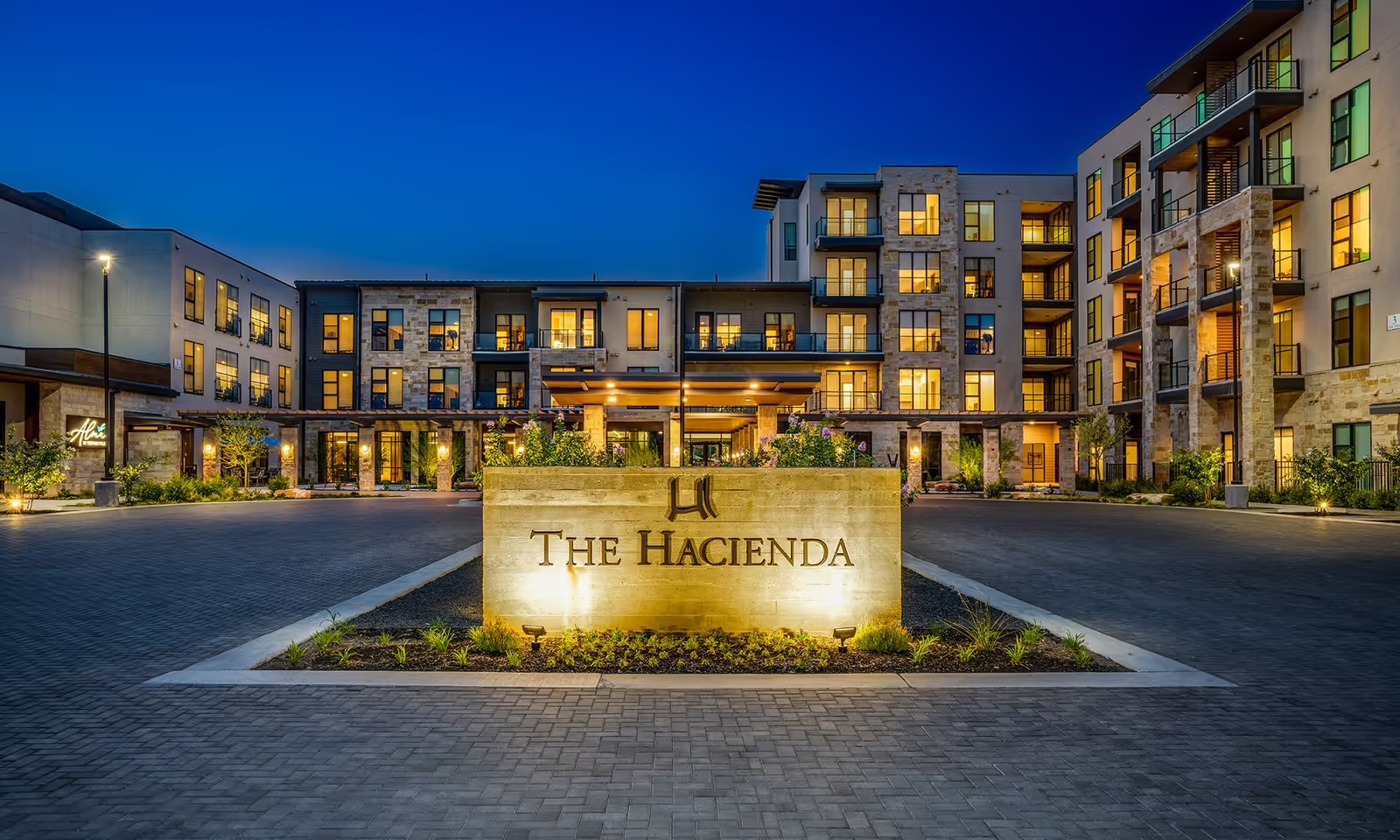
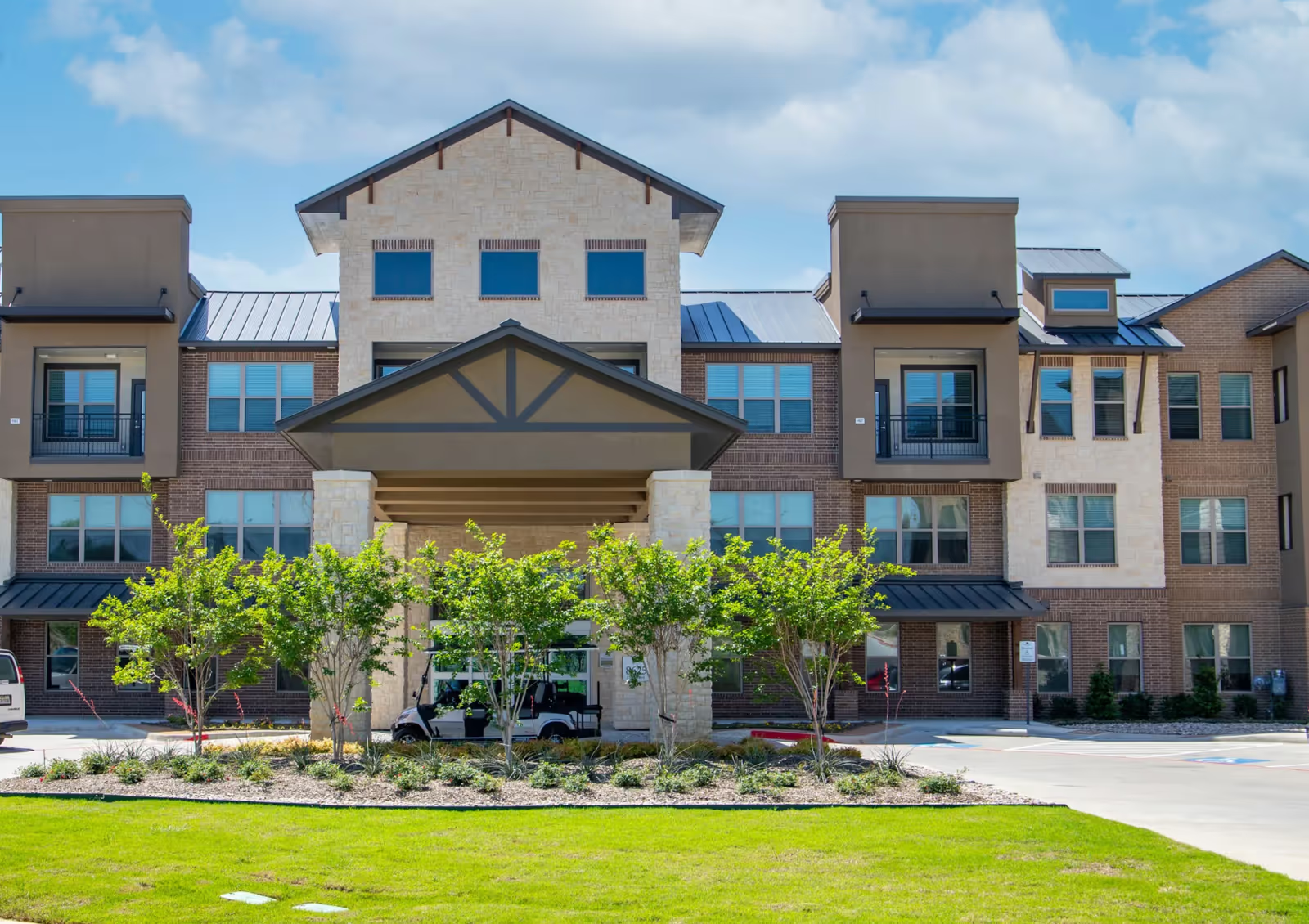
Grand Living at Georgetown presents as a high-end, amenity-rich senior living community with substantial strengths in care, programming, and physical plant. The campus is consistently described as clean, bright, and well maintained, with a resort-style presentation that includes multiple dining venues, a spa and salon, a theater, and both a full fitness center and a swimming therapy pool. These facilities support a broad lifestyle offering intended to appeal to active independent-living residents as well as those planning for an age-in-place transition.
Clinical and caregiving services are frequently characterized as compassionate and attentive. The facility supports 24-hour nursing coverage and an age-in-place model that allows couples and individuals to remain on site as care needs change. Families and residents highlighted responsive maintenance and facilities management and cited examples of leadership engagement and constructive responsiveness to family feedback. Several reviews singled out individual staff and program leaders—particularly the fitness director—for effective, safety-focused programming that contributes to mobility, balance, and confidence for residents with neurologic conditions.
Dining and culinary services are a prominent positive. The community emphasizes chef-driven, restaurant-style meals across multiple dining rooms, with menu variety and accommodations for preferences. Reviewers praised meal quality and the ability to satisfy selective eaters. Dining is positioned as both a nutritional service and a social amenity, with multiple venues used to create variety and engagement.
Activity programming is broad and frequent, supporting social, cultural, and physical engagement. Regular live entertainment, themed happy hours, movies, singalongs, and structured fitness classes are recurring highlights. Specialty offerings such as Parkinson’s-focused Rock Steady Boxing and targeted physical-therapy modalities were described as best-in-class and influential in maintaining resident independence. These opportunities, together with robust transportation and concierge services, contribute to an impression of a lively, communal environment.
Operationally, the strongest patterns are leadership visibility and proactive facilities management; reviewers noted effective emergency handling and attentive maintenance staff. However, prospective residents and families should be aware of some operational limitations identified in the feedback. A common theme is the facility’s pricing, which some perceive as high relative to unit size or alternative housing options. Separately, there are recurrent comments about variability in front-line administrative responsiveness—notably phone-answering, initial-tour hospitality, and occasional inconsistencies in customer-service tone. These are trait-level communication and hospitality issues rather than clinical-care deficits, but they can affect the move-in decision and early family interactions.
In sum, Grand Living at Georgetown appears well suited for people seeking an upscale, activity-rich community with strong fitness and therapy programming and a robust dining program, particularly for those who prioritize continuity of care and an age-in-place model. Families should verify current pricing and ask targeted questions about administrative responsiveness and tour experience during the decision process to ensure alignment with expectations regarding communication and hospitality.