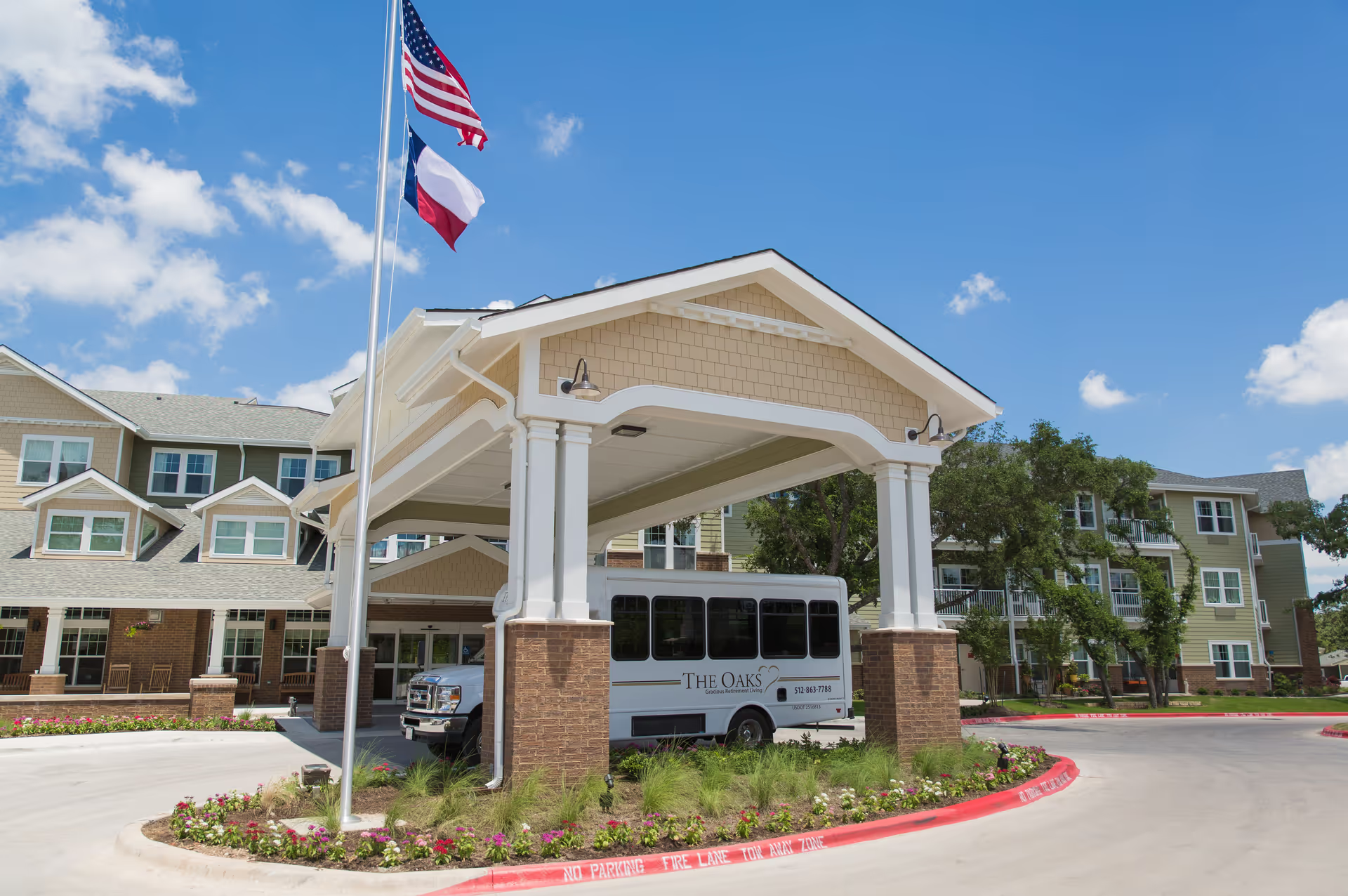
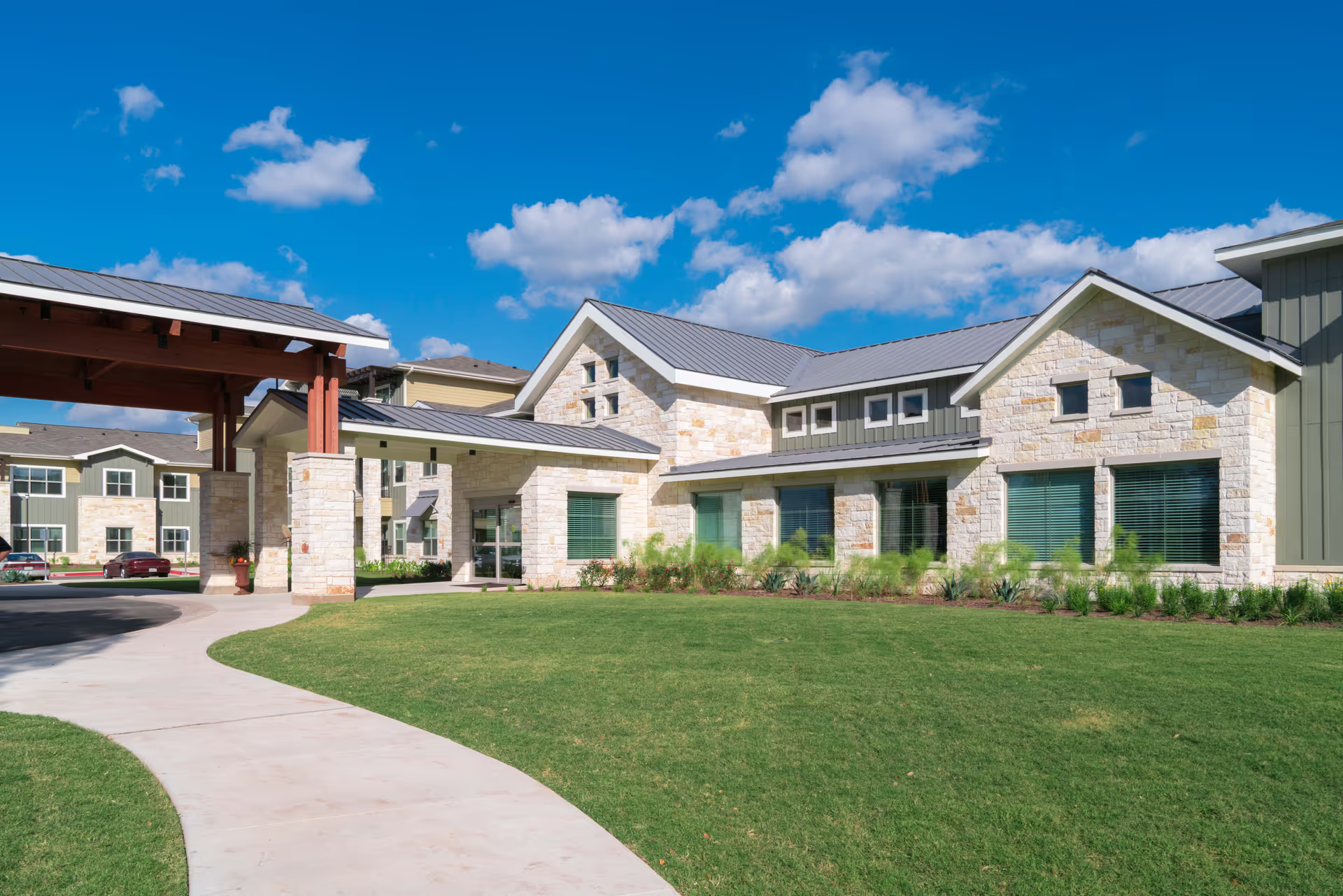
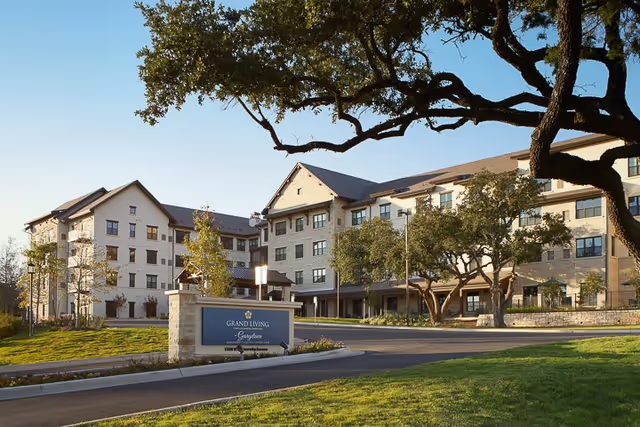
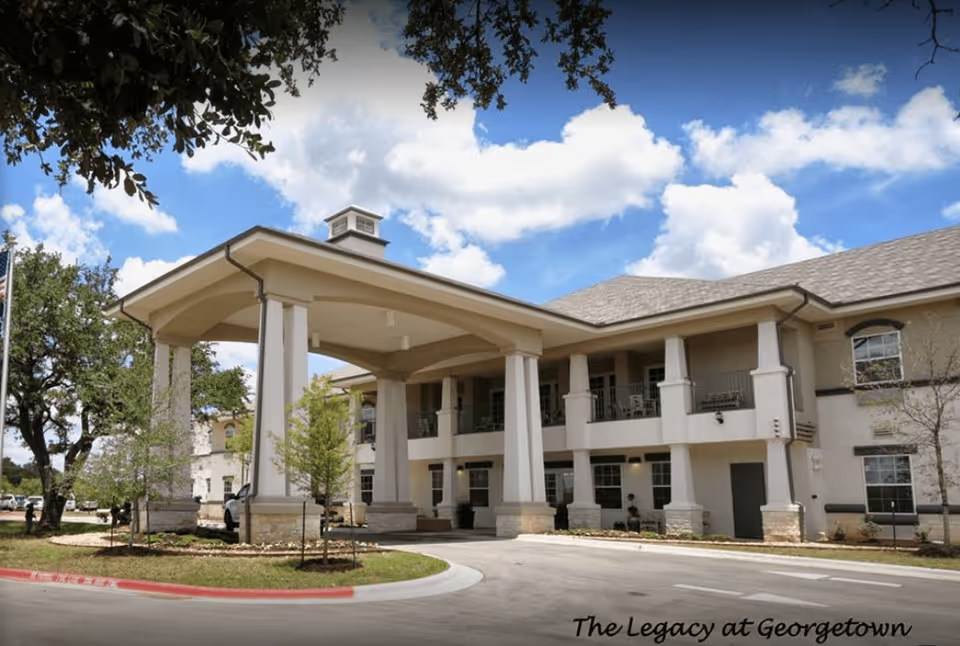
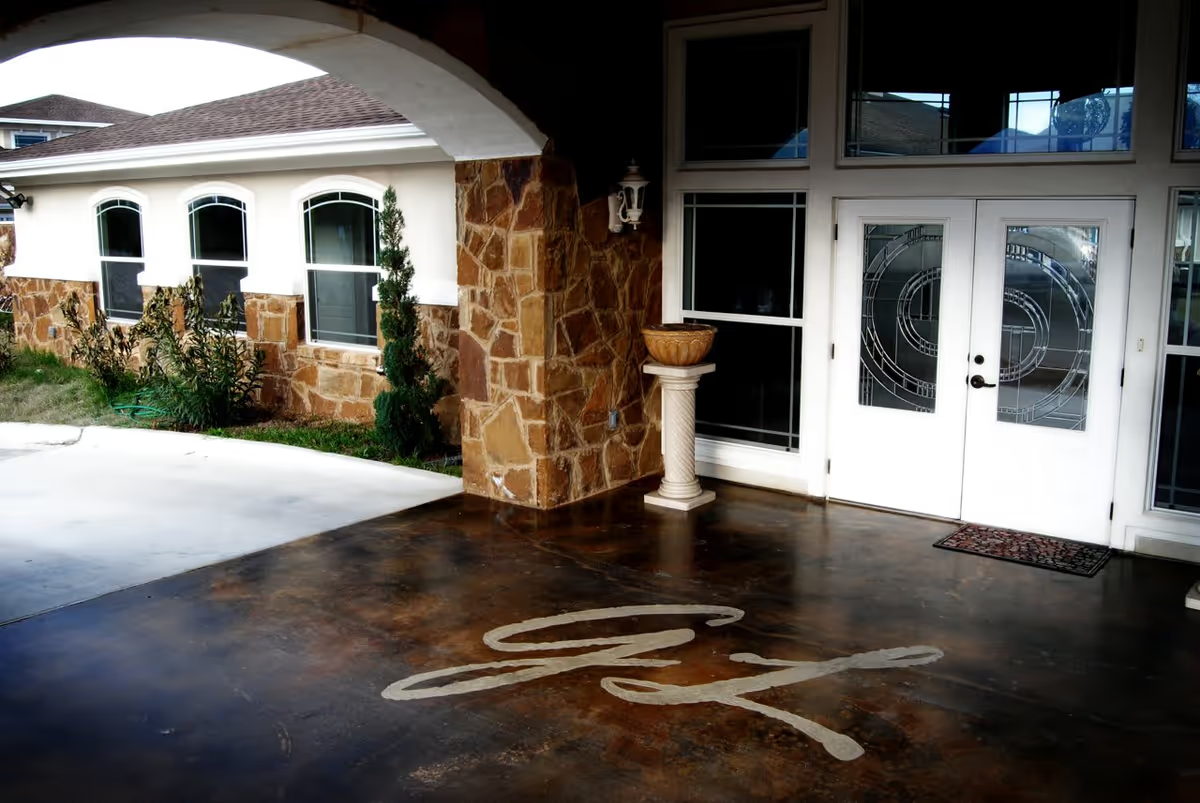
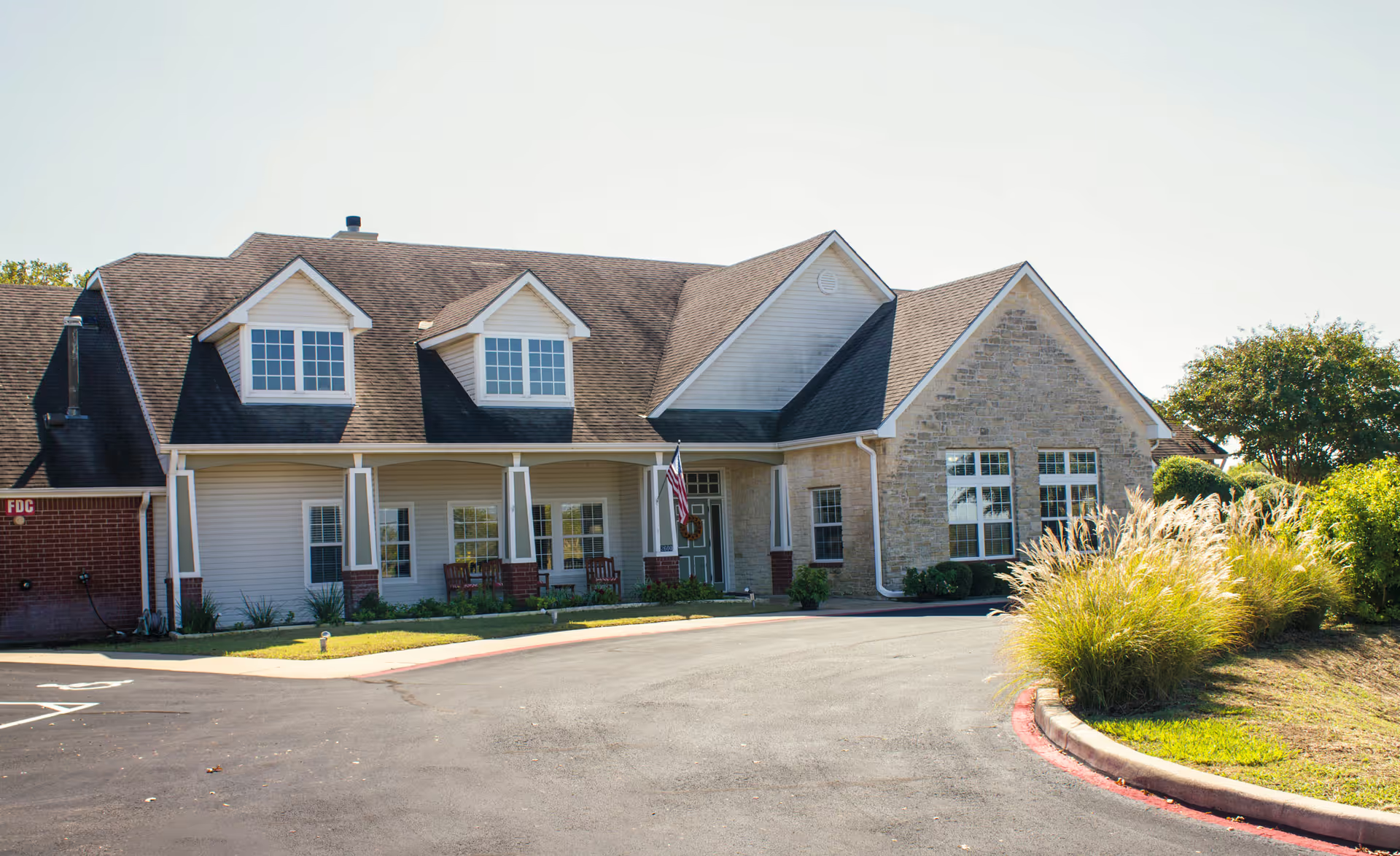
Overall impression: The Oscar at Georgetown presents as a newly built, thoughtfully designed senior community with a broad set of amenities and an active social environment. Reviewers consistently praise the physical plant — attractive architecture, well-kept grounds, multiple indoor and outdoor gathering spaces, and a range of recreational options (gardens, game areas, indoor saltwater pool, outdoor pool, fitness facilities, and a bar/bistro model). Many families and prospective residents reported positive initial impressions from tours and described the community as welcoming, clean, and comfortable.
Care quality and clinical concerns: Clinical and care-related feedback is mixed. Positive accounts emphasize attentive frontline caregivers and a well-regarded memory-care program. Conversely, there are serious operational concerns related to medication administration and clinical documentation, and some reviewers described care-plan follow-through issues. These point to weaknesses in medication-management controls and clinical recordkeeping rather than a consistent absence of caring staff. Prospective residents and families seeking assisted or memory care should ask for current medication-administration protocols, MAR completeness, and recent quality audits during a tour.
Staff and culture: Staff are a frequent strength in the reviews. Many reviewers singled out individual staff and described an empathetic, engaged culture among nursing, dining, maintenance, and activity teams. Several comments also highlight a positive workplace environment for employees, which can support staff retention and continuity of care. That said, there are intermittent reports of variability — particularly around activity leadership and staffing coverage — suggesting that program delivery depends in part on personnel consistency and schedules.
Dining and food service: Dining is a prominent theme with mostly favorable remarks about the chef, variety of venues, and formal/informal options. At the same time, there are recurring comments about inconsistent meal quality (temperature control, lukewarm meals), limited snack-bar offerings, and a need for more disability- or texture-appropriate menu accommodations. Pricing concerns for certain meal options were also noted. Prospective residents should request sample menus, ask about dietary accommodations, and observe mealtime service during a visit.
Activities and social life: The community's social calendar and activity offerings receive strong praise for variety and community-building effects. Reviewers describe lively events, classes, and accessible social spaces that help residents form friendships. Some feedback highlights variability in programming when activity staffing is limited; potential residents should review typical weekly schedules and staffing ratios for activities they care about.
Facilities, maintenance, and operations: The facility is generally noted as clean, well-maintained, and thoughtfully outfitted with modern finishes. Maintenance responsiveness is frequently praised for quick repairs. Operational concerns appear around project timelines and opening delays, as well as some front-desk or access-process inefficiencies (for example, walk distances or time-critical access). Those planning a move should clarify expected move-in timelines, entry/access procedures, and any outstanding construction or operational phases.
Management and responsiveness: Local management and many team members are described as communicative and proactive in event planning and resident engagement. However, a recurring theme is mixed responsiveness from corporate-level channels and occasional dissatisfaction with how certain care or administrative issues were handled. Families valuing responsive escalation paths should ask how concerns are elevated and documented and request examples of recent issue resolutions.
Notable patterns and recommendations: The dominant positive pattern is a strong hospitality model: attractive amenities, convivial social life, and many staff who demonstrate warmth and responsiveness. The dominant cautionary pattern is operational: lapses in medication documentation/administration, inconsistent dining execution, variability in activity staffing, and occasional corporate/management responsiveness gaps. For families and prospective residents, a recommended next step is an in-person tour that includes: observation of a meal service, review of current clinical documentation practices, discussion of medication-administration protocols, examination of activity schedules and staffing, and clarification of any outstanding construction or opening timelines. These targeted inquiries will help reconcile the facility's clear strengths with the operational areas where reviewers have expressed concern.