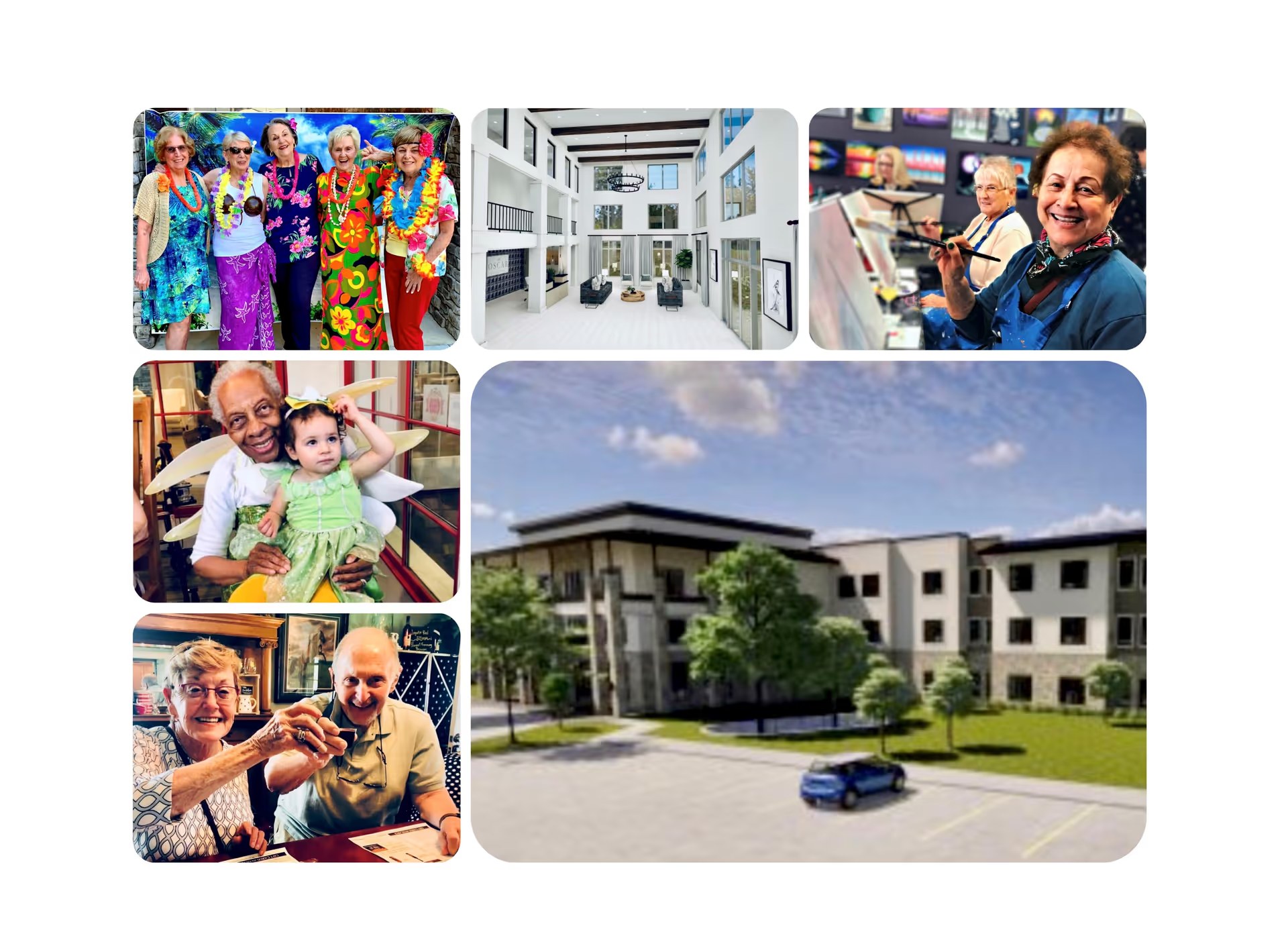
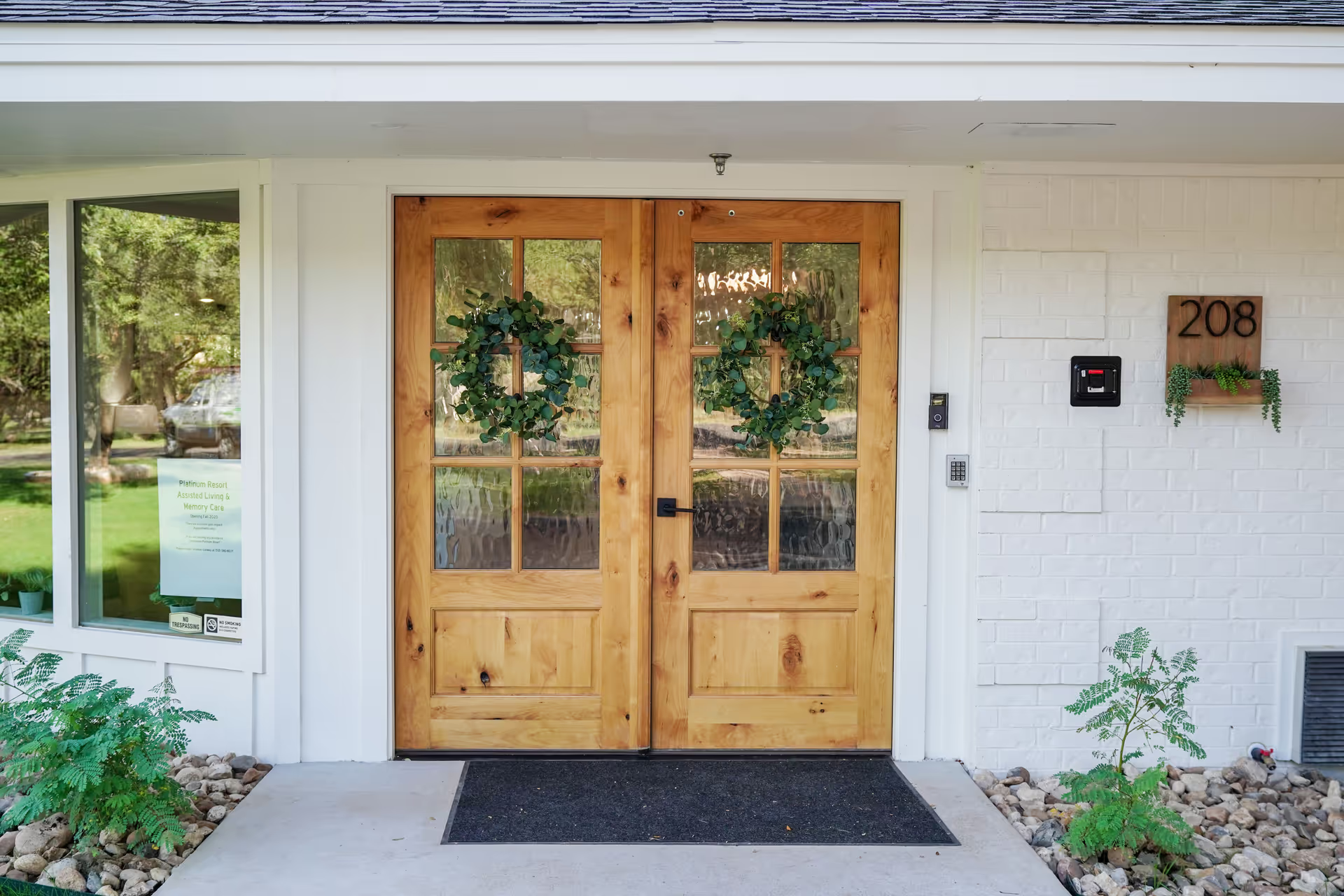
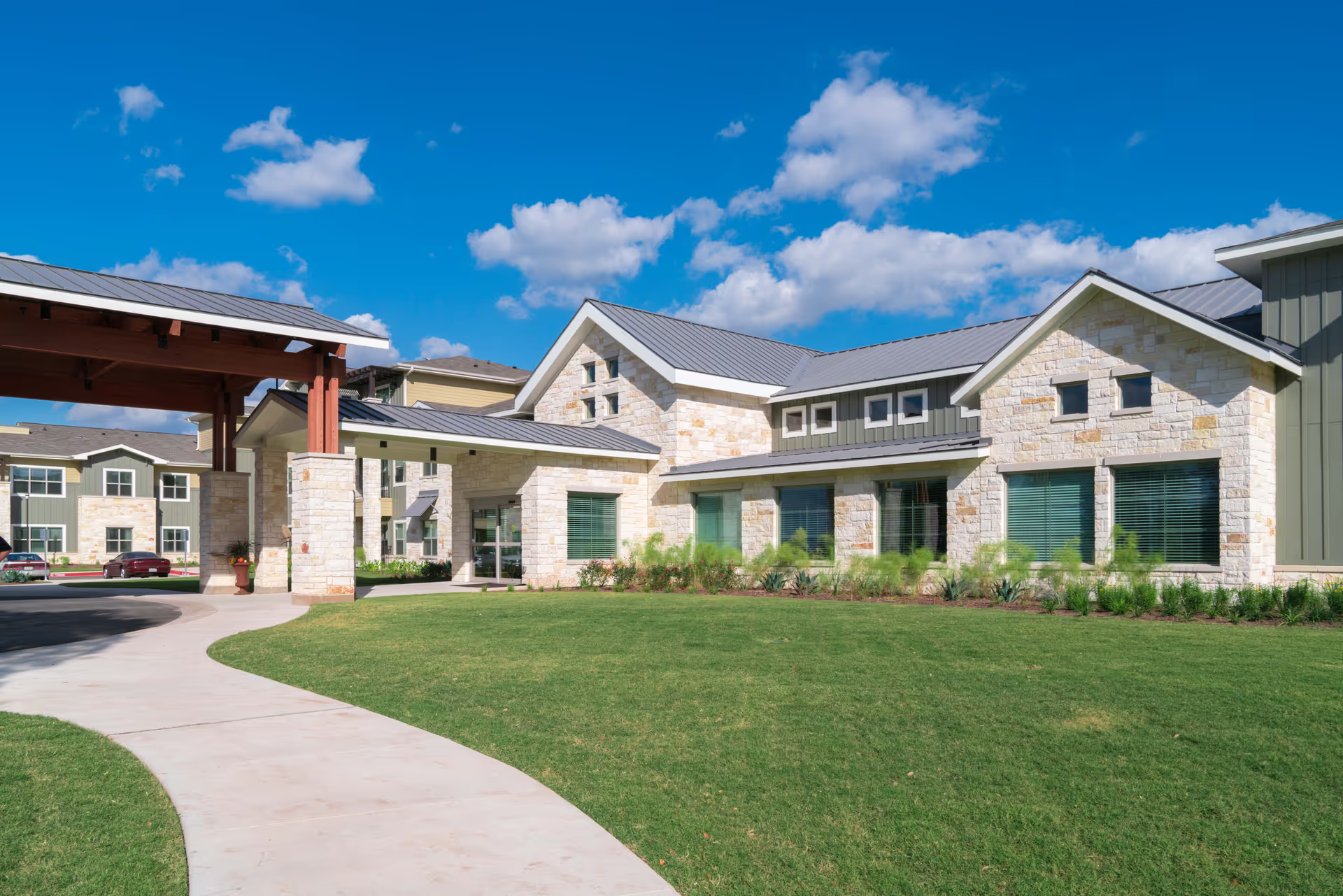
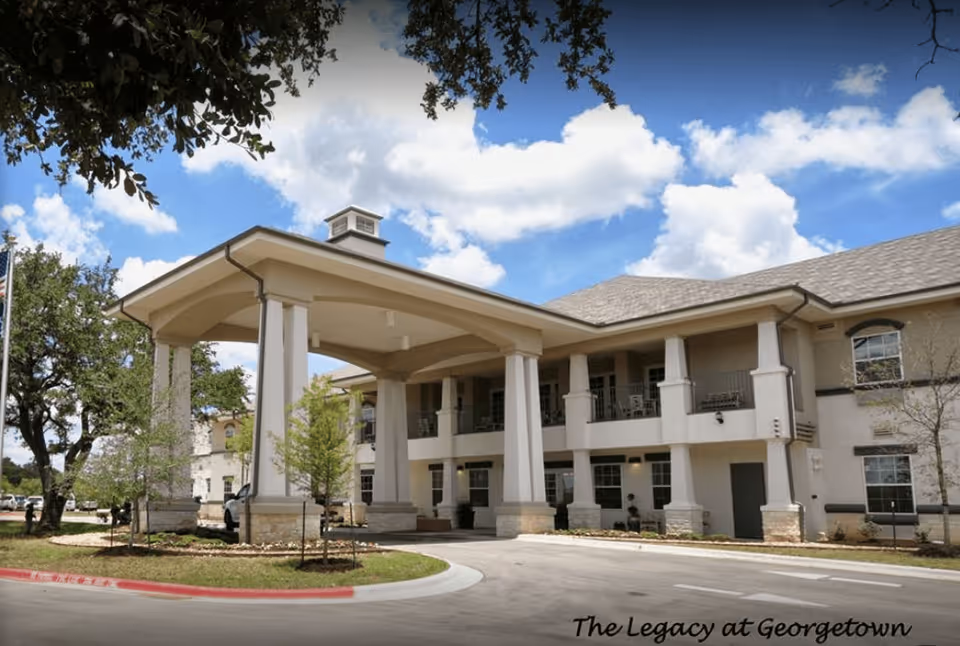
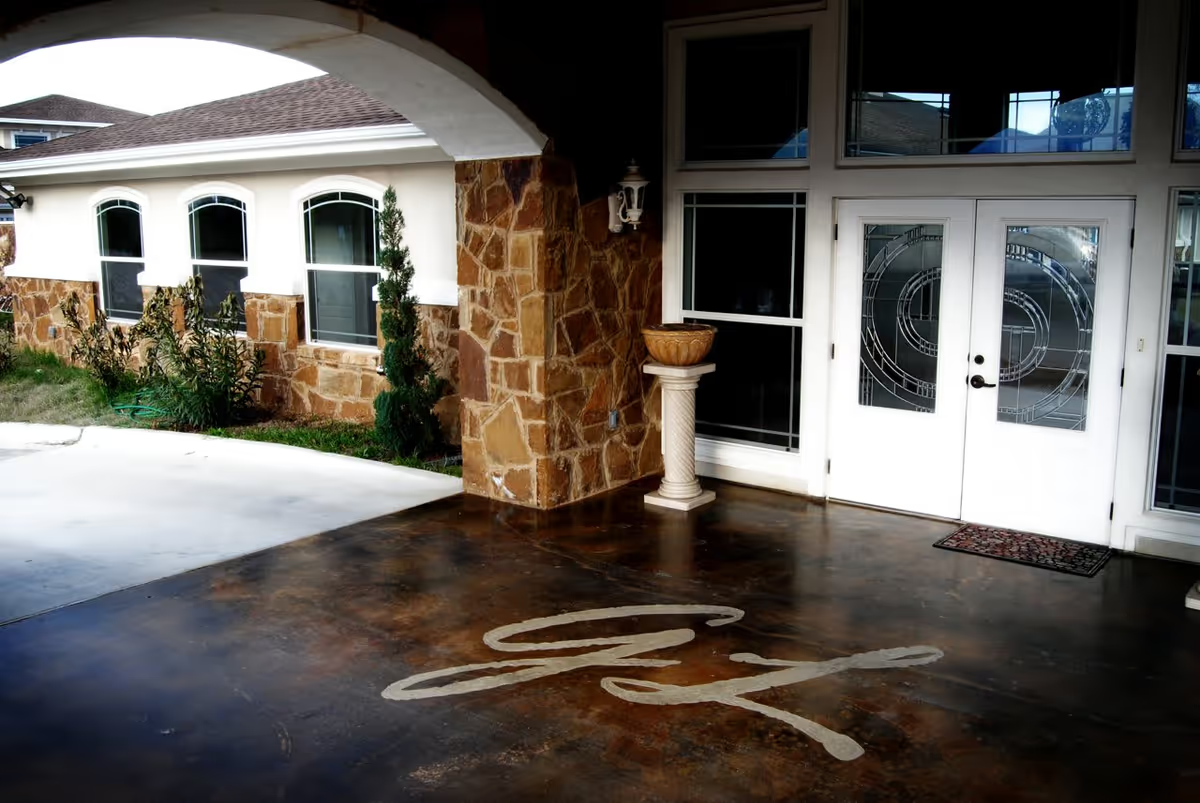
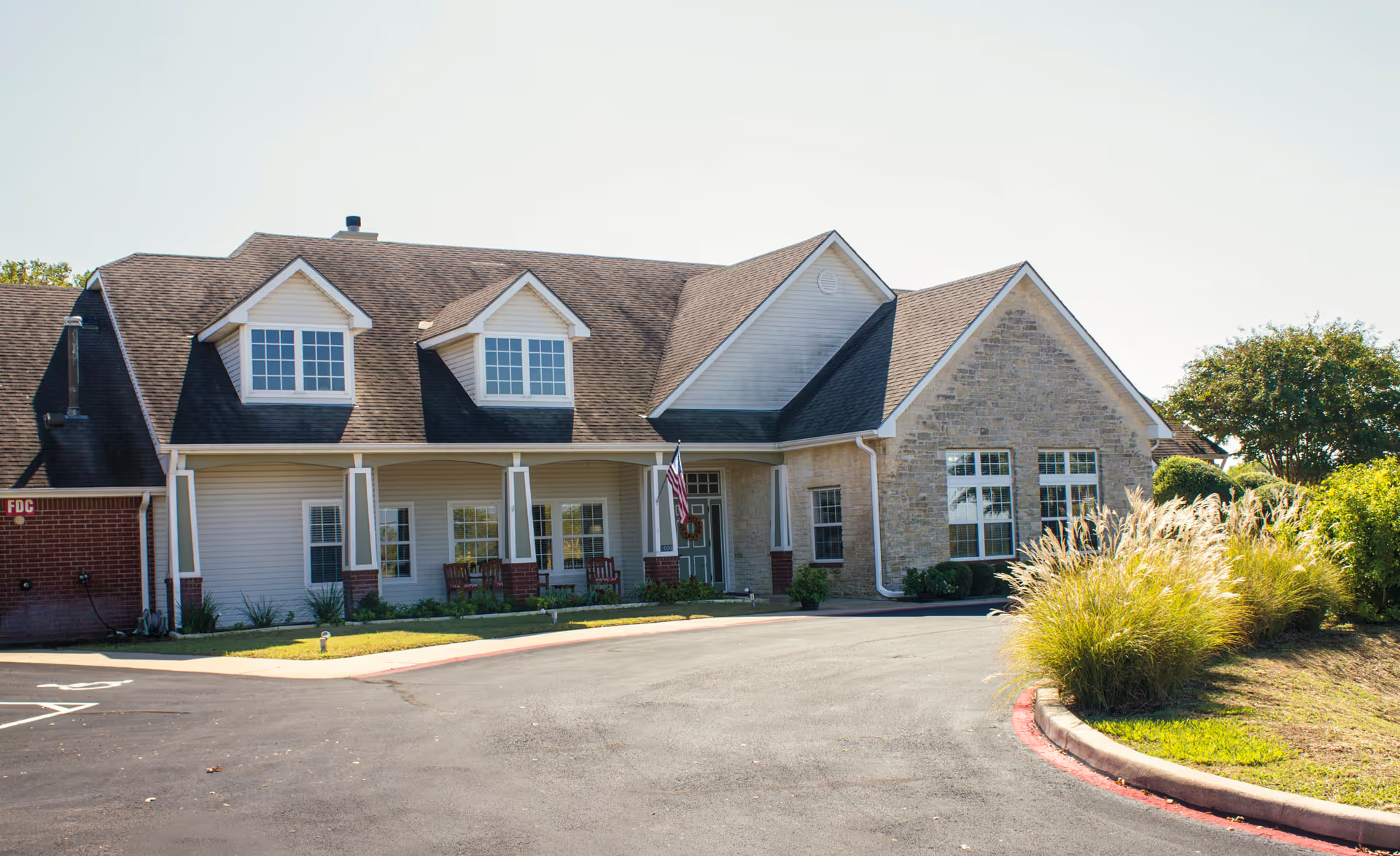
Overall impression The Oaks presents as a well-appointed independent-living community that many families describe as home-like and activity-rich. The property features renovated common spaces, bright interior design, a range of amenities (movie theater, library with fireplace, chapel, beauty shop, gym, coffee bar) and landscaped outdoor areas with patios and raised garden beds. Apartments are typically studio or one-room formats with kitchenettes or small kitchens and private patios on lower levels; month-to-month contracts and competitive pricing are highlighted by several families as value propositions.
Care and staff A consistent strength is the staff and on-site management. Reviewers emphasize compassionate, resident-focused employees and managers who live on or near site and provide hands-on oversight. Staff are described as learning resident preferences, engaging personally, and providing rapid responses to needs. This culture produces many accounts of smooth transitions and personalized attention. At the same time, there are repeated notes about intermittent staffing shortages and turnover; reviewers link these staffing patterns to slower service during peak times and variable cleanliness tasks.
Dining and kitchen operations Dining is a central feature: the community employs chefs and offers three meals daily, menu variety, and occasional high-quality dishes. Many families praise the food, portioning appropriate for seniors, and special items sent home. However, operational issues recur: variable food quality and inconsistent portion sizes across days, long meal-service times, rigid meal schedules, and limited flexible or buffet-style options. Some reviewers report slow table service when staffing is reduced. These dining-service inconsistencies appear tied to staffing levels and scheduling practices rather than the absence of kitchen skill.
Activities and social environment Activities are a clear strength. The Oaks offers a broad calendar including arts and crafts, exercise classes (yoga, chair aerobics), brain games, movies (two showings a day), group games (bingo, cards, chair volleyball), outings, and volunteer opportunities. Activity staff are frequently described as energetic and engaging, contributing to a lively social environment that residents find welcoming and non-institutional.
Facilities, maintenance, and services Physical facilities and grounds are generally well maintained and attract positive comments about cleanliness, décor, and landscaping. Weekly housekeeping, linens/towels provided, and included laundry services are noted positives. Conversely, reviewers identify operational inefficiencies such as crowded resident laundry rooms, utility-room workflow issues, intermittent bed-change frequency, and occasional apartment-condition variability (furniture or landscaping needing attention). Parking constraints and logistical limits on transportation availability are also recurrent practical concerns.
Safety, transportation, and clinical scope Safety perceptions are mixed. Many families describe responsive maintenance and emergency-button systems, yet others cite perceived security gaps (easy access to the property) and inconsistent enforcement of smoking policies within the building. Transportation is convenient for appointments and outings, but there are notable concerns about driver conduct and traffic-safety practices; prospective residents should ask for details and observe shuttle operations. Clinically, the community is positioned for independent living; it lacks comprehensive on-site assisted-living or nursing care, so residents with progressing medical needs may require a transition to higher-level care elsewhere.
Management and notable patterns On-site management, when present and engaged, is frequently cited as a differentiator—staff who live on-site and managers who are hands-on improve communication and resident adjustment. There are also accounts of leadership transitions and variable responsiveness from different managers; prospective families should ask about current leadership stability. Smoking-policy enforcement, housekeeping cadence, dining flexibility, and transportation safety emerge as operational patterns to review during a tour.
Bottom line The Oaks is a strong option for independent older adults seeking an active, amenity-rich, and community-oriented environment with personalized staff attention and competitive pricing. The principal trade-offs to evaluate in person are dining-service flexibility and consistency, staffing levels during peak periods, transportation safety practices, parking logistics, and the facility’s capacity to support higher medical needs. Prospective residents and families should prioritize observing meal service, shuttle operation, current housekeeping routines, and management availability during their visit to confirm fit and operational reliability.