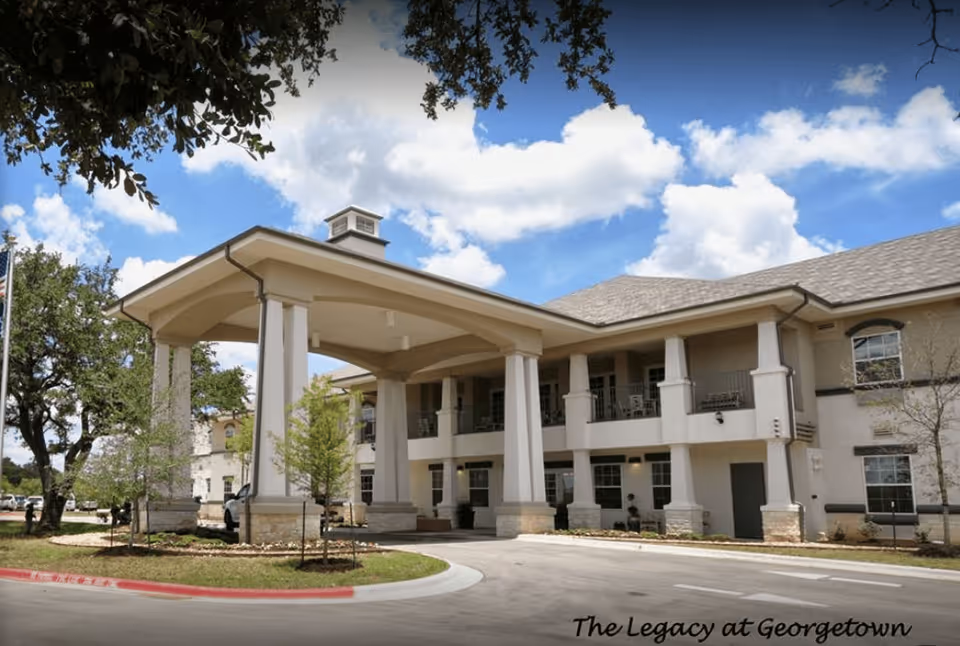
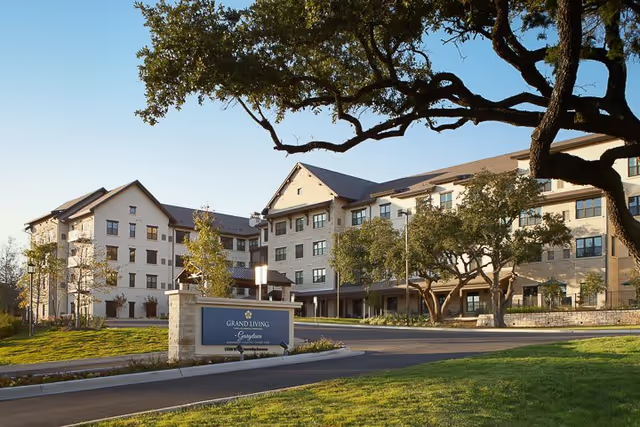
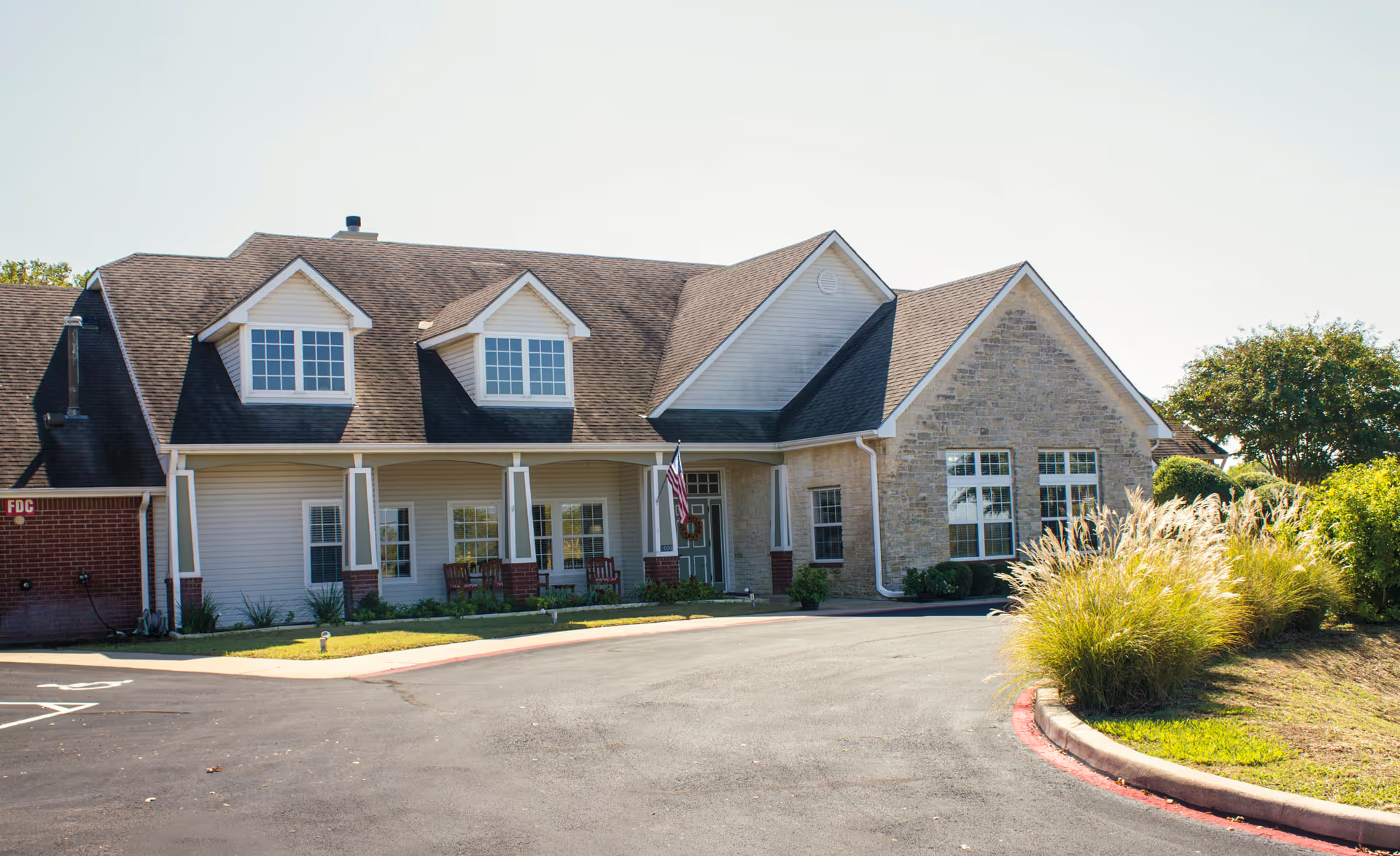
Georgetown Living presents as a small, rural memory-care community with a strong emphasis on personalized, dementia-focused care. Families consistently highlight compassionate, attentive frontline staff and a favorable caregiver-to-resident ratio that supports one-on-one interaction and individualized care plans. The community is Alzheimer’s-certified, with an on-site RN and therapy staff; reviewers frequently cite prompt medication adjustments and observable clinical improvements (for example, diabetes management and behavioral stabilization after medication changes).
Dining and daily life are commonly described as homelike. Meals are characterized as home-cooked and adaptable to individual preferences, and the dining environment is used for social engagement and celebrations. The activity program is broad, including exercise, crafts, games, music, pet/animal therapy and outdoor engagement with on-site animals and gardens. Outdoor spaces—enclosed courtyards, a koi pond, and farm-like grounds—are repeatedly noted as strengths that contribute to resident wellbeing and family satisfaction. Hospice and end-of-life services are available and described as compassionate and family-oriented.
Facility design and operations support supervision and safety: the layout provides clear sight lines to common areas, rooms are private and soundproof (with additional private rooms planned), and the memory-care unit is secure. Many families praise visible, hands-on leadership and proactive communication from administrators and caregiving teams. Reviewers report that the small, intimate environment fosters meaningful staff–resident relationships and a strong sense of community.
Notable operational patterns to consider: capacity is limited (wait lists and few vacancies), and room sizes are compact; prospective residents seeking larger living spaces or immediate placement may face constraints. The facility does not provide care for certain high-acuity medical needs (for example, tracheotomy care or ongoing chemotherapy), so clinical scope should be confirmed during placement discussions. Several families described variability in staffing continuity and occasional understaffing that can affect activity frequency and day-to-day consistency. There are also intermittent concerns about sanitation and interior maintenance in some areas, variable interior lighting/ambience in certain wings, and inconsistent tone in phone or initial communications.
For families evaluating Georgetown Living, the dominant themes are strong dementia expertise, warm and engaged caregiving, meaningful activities including animal therapy, and a peaceful rural setting. Important pre-admission questions to clarify in person include current bed availability, the facility’s limits for medical acuity, staffing patterns and turnover, room dimensions and accessibility features, and specific examples of recent housekeeping and maintenance practices. Observing staff–resident interaction during a visit and requesting recent clinical/medication-management examples will help assess fit for an individual’s clinical and social needs.