Across the summaries, Platinum Resort Assisted Living at Serenada is characterized as a small, residential-style assisted living home with a strong emphasis on personalized, family-like care. The facility’s 15-bed size and home-style layout are repeatedly cited as drivers of individualized attention, close staff–resident relationships, and a comfortable, non-institutional atmosphere. Families highlight a visible leadership presence, including hands-on owners and an engaged executive director, which contributes to a sense of oversight and owner-driven culture.
Clinical and caregiving elements are consistently described as strengths. Reviewers note individualized care plans, dementia-capable practices, coordinated physician visits, and hospice support when needed. Staff are described as compassionate and attentive, with examples of staff going beyond minimum duties and providing one-on-one time. The training emphasis and visible safety equipment suggest an operational focus on resident safety and ongoing staff education. At the same time, a pattern of staffing adjustments associated with organizational growth is noted; prospective families should inquire about current staffing stability and contingency coverage.
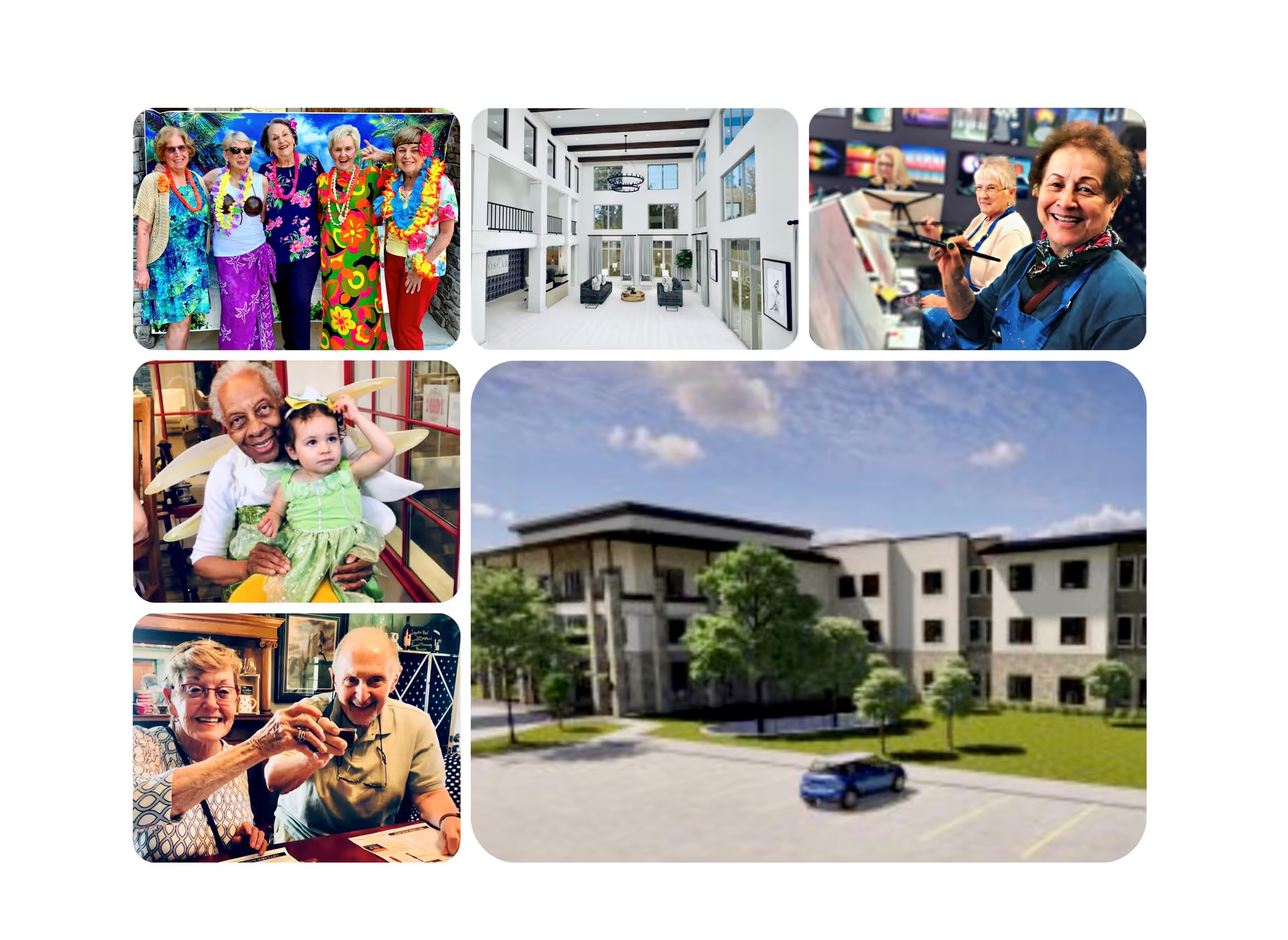
Dining and programming are highlighted as important contributors to day-to-day quality of life. The home employs a full-time chef and serves fresh meals that residents reportedly enjoy; resident participation in food-prep and baking activities is a recurring theme. The activity program includes social and creative options—bingo, live music, dancing, crafts, seasonal decorating—which reviewers say foster belonging and regular social engagement. These offerings align with the facility’s small-household model, emphasizing meaningful daily interactions rather than institutional routines.
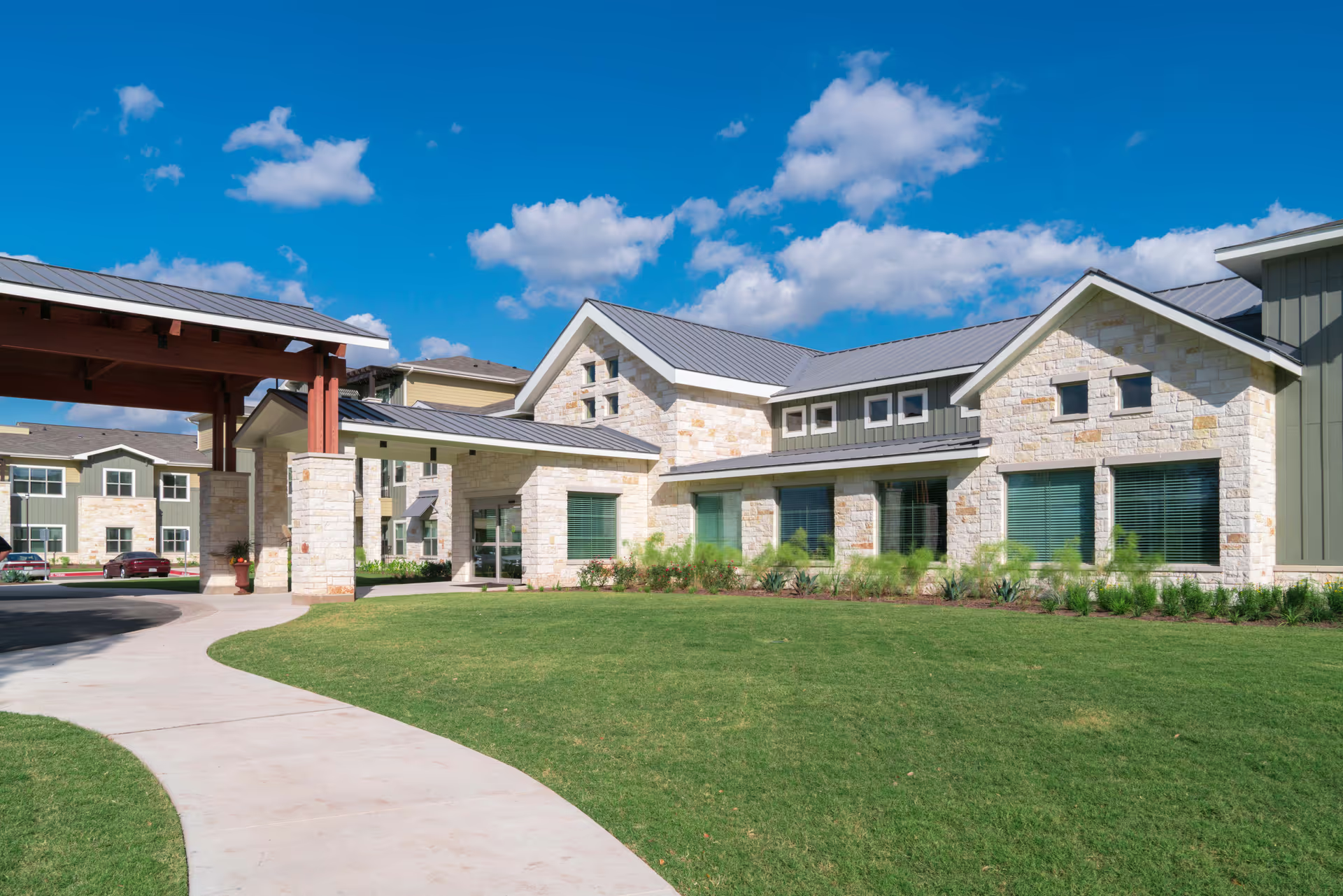
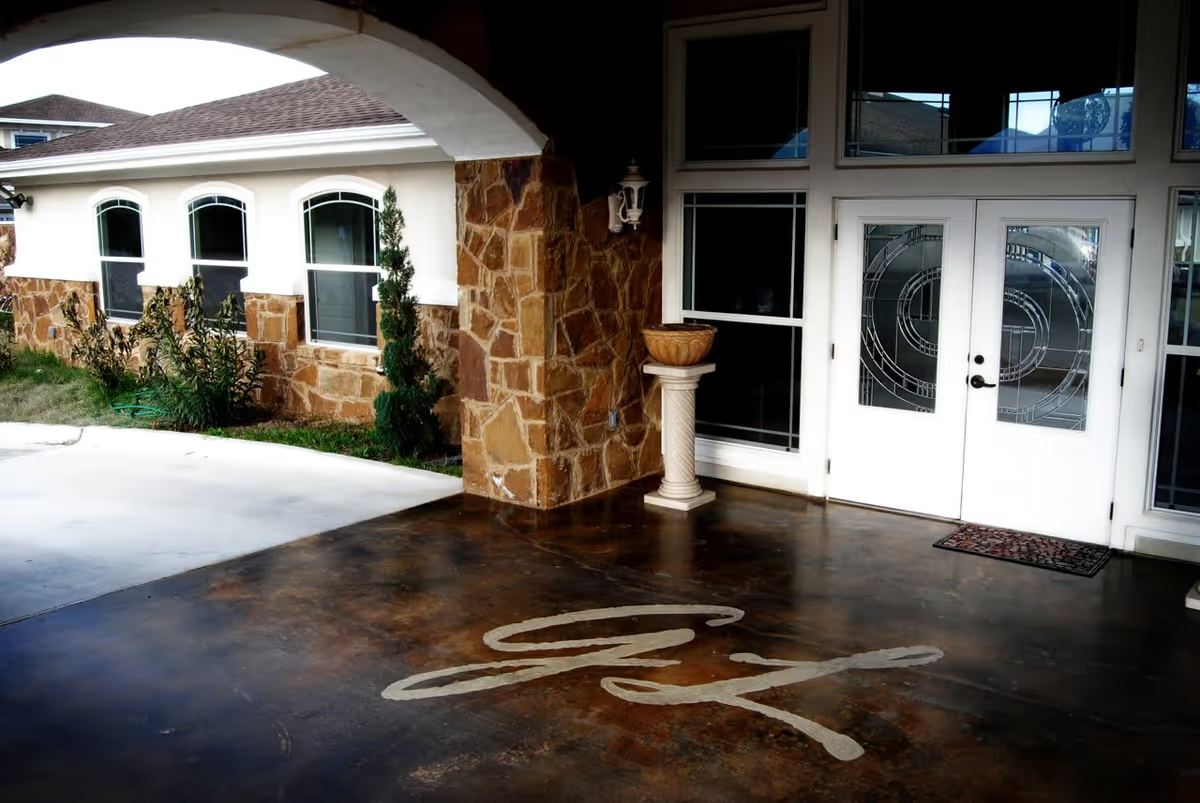
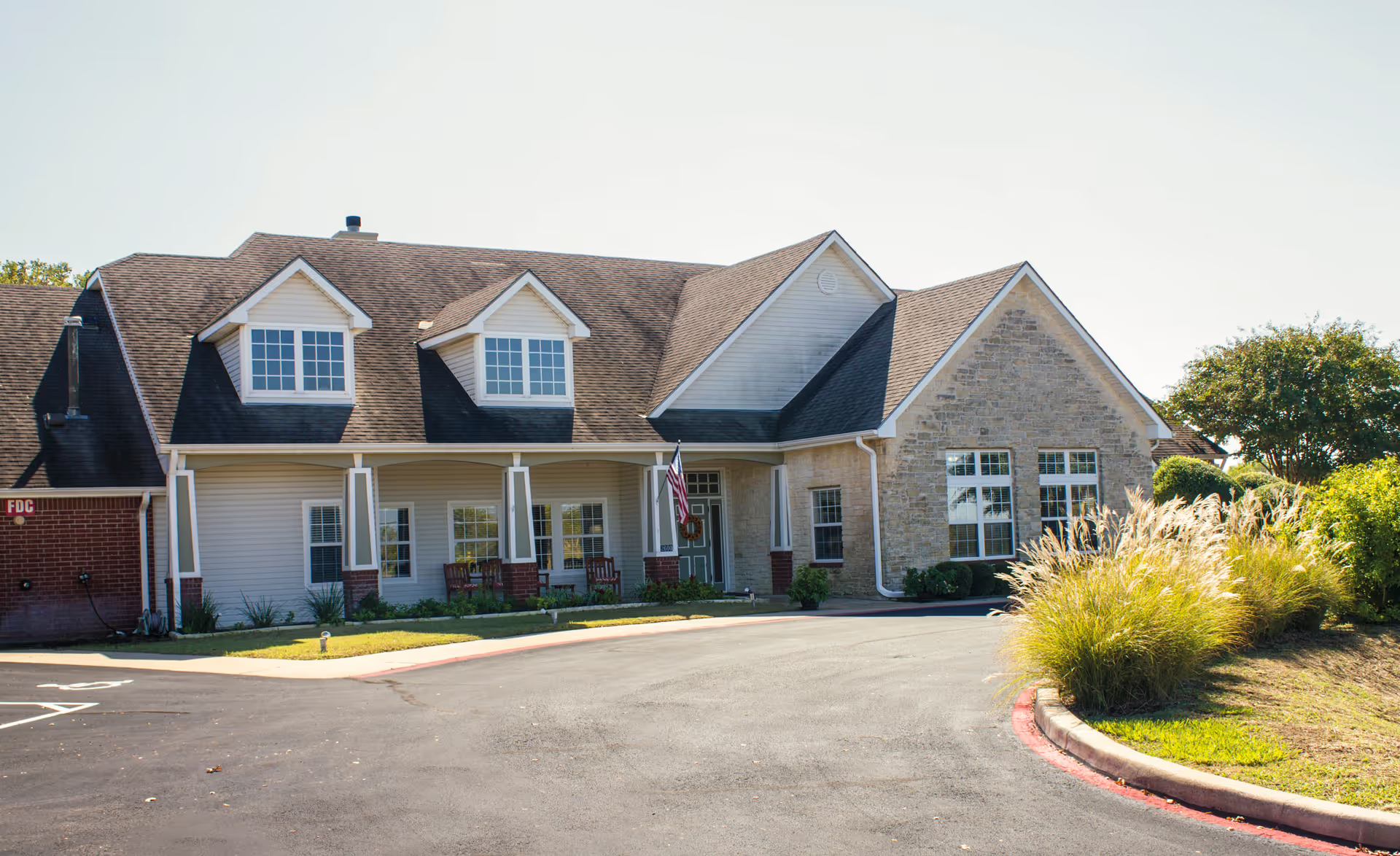
The physical environment and management style receive frequent praise: the house is described as clean, bright, and attractively furnished, located in a residential Georgetown neighborhood. Owners and leaders are repeatedly mentioned by name as being accessible and detail-oriented, and families speak positively about move-in logistics and family-inclusive events. Notable operational caveats include the limited scale inherent to a 15-bed setting (which can affect availability and on-site scalability of specialized services) and some variability in transition experiences when new residents arrive. Additionally, visitation policies tied to infection-control testing have been observed; families should clarify current visitation protocols when evaluating placement.
Overall, the pattern in the summaries suggests a facility that prioritizes relationship-based care, homelike surroundings, and active engagement for residents. Prospective residents and family members would be well served to confirm current staffing patterns, ask about transition support for new residents, and review any infection-control or visitation policies to ensure alignment with their needs and expectations.