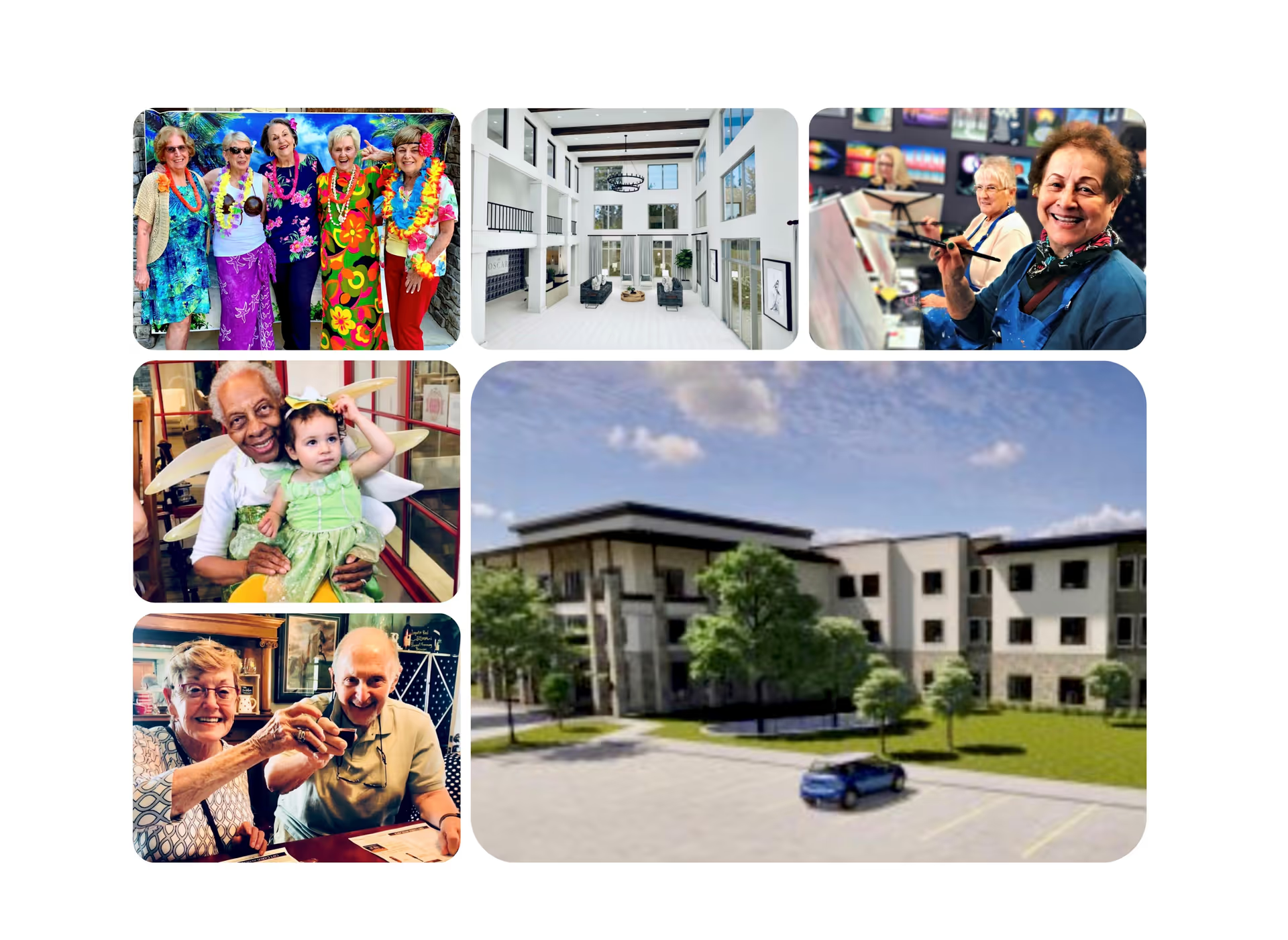
Overall impression Truewood by Merrill, Georgetown, presents as a facility with many strengths commonly valued by families: a broadly praised caregiving staff, clean and attractive common areas, varied dining offerings, and a full slate of amenities and activities. Multiple accounts describe the community as home‑like and socially engaging, with accessible rehabilitation services, faith programming, and apartment layouts that include large bathrooms and walk‑in closets. Move‑in coordination and transition support are frequently noted as smooth, and maintenance and housekeeping are described as responsive in many instances.
Care and staff Care quality is described inconsistently across accounts. Many families emphasize compassionate, attentive caregivers and staff who know residents by name and provide individualized support. At the same time, there is a clear pattern of staffing instability: turnover, variable caregiver skill levels, and periods of understaffing that can slow response times for assistance. These operational issues appear to drive most negative impressions of care. A separate and more serious pattern concerns medication administration: reviewers raised medication‑management and medication‑administration concerns that warrant focused inquiry during a tour or care‑planning conversation.
Dining and activities Dining is a frequently cited strength when operations are working as intended — reviewers praise varied menus, gourmet touches, and staff accommodation of some dietary needs. However, others note inconsistencies in meal temperature and occasional menu repetition or preparation concerns, suggesting variability in kitchen execution. The activities program is robust overall, with frequent social events, outings, games, music, and exercise classes. Families report strong activity leadership in many cases, but several reviewers said programming for residents in memory care felt limited or isolating, and suggested better integration or more dementia‑specific engagement would improve resident experience.
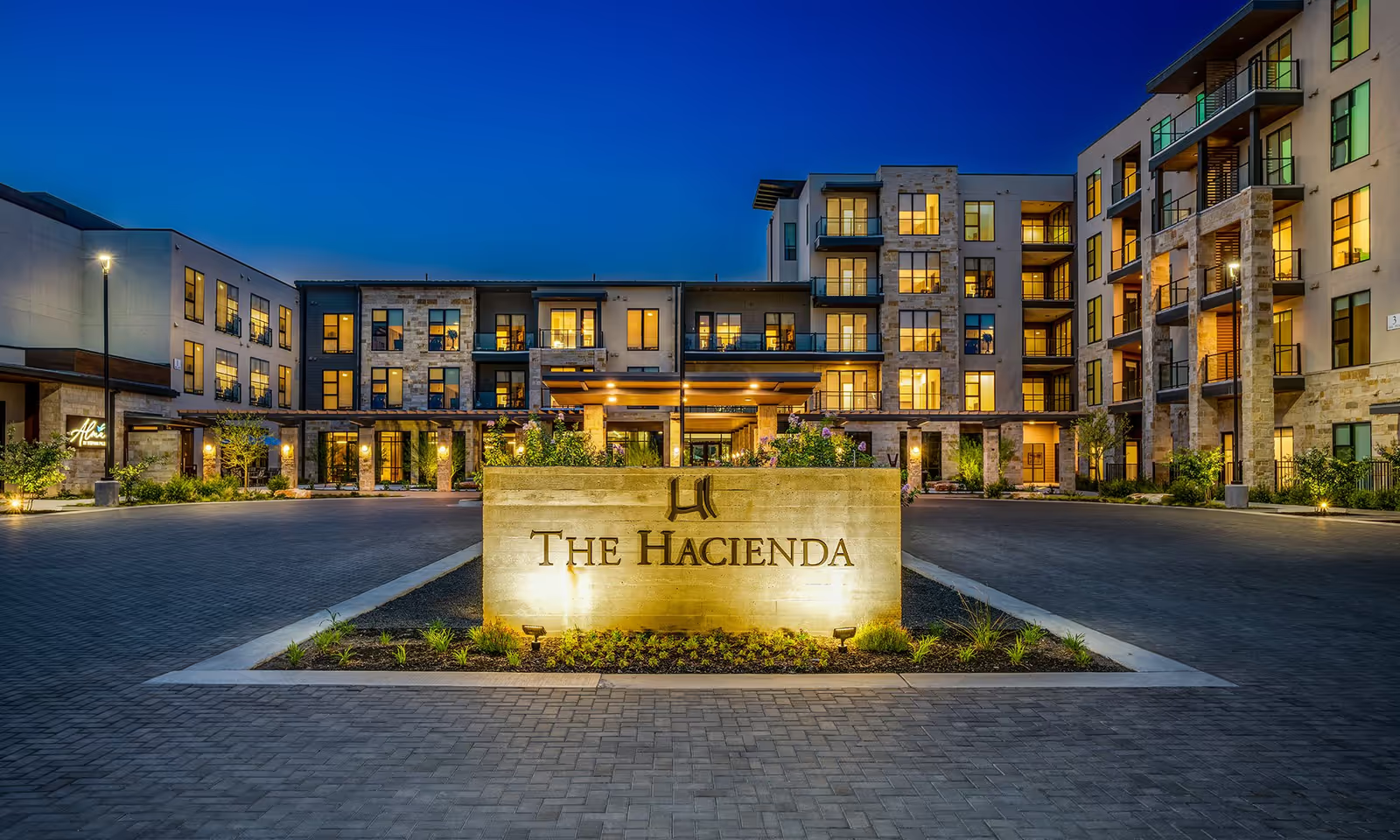
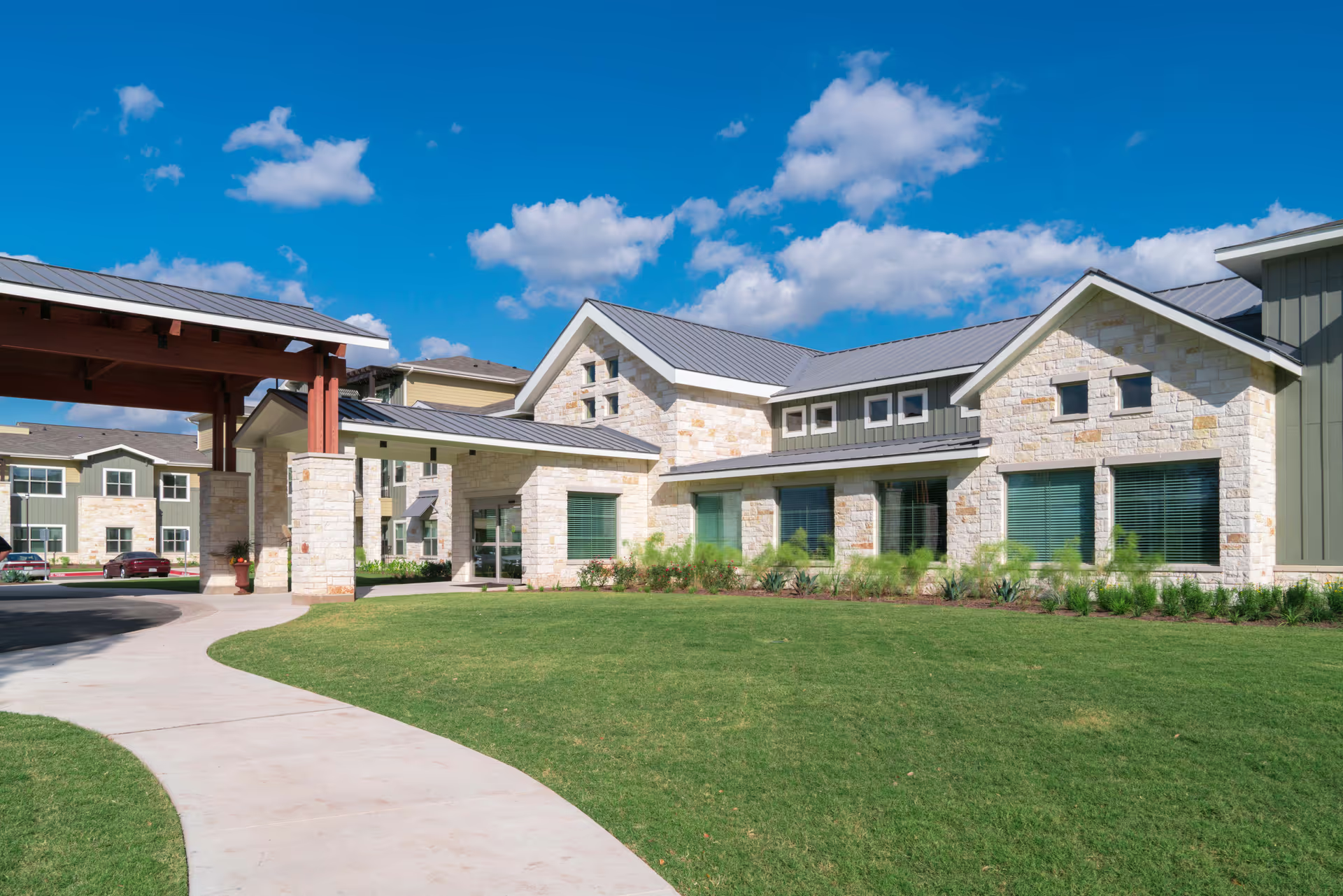
Facilities and amenities Physical spaces and amenities receive consistently positive comments: bright, tastefully appointed common areas, gardens and outdoor patios, theater, gym, salon, and library are all highlighted. Apartment sizes and configurations vary; many families find the units spacious and well laid out, though a subset described smaller units with fewer in‑room amenities and occasional maintenance or housekeeping lapses. Overall cleanliness of the community is a recurrent positive, but the inconsistency in individual apartment upkeep is an operational gap to check during a visit.
Management, communication and patterns to verify Management and family communication present a mixed picture. Numerous reviewers praised proactive, helpful managers and timely updates (including COVID communication and weekly rehab notes). Others described gaps in documentation, uneven follow‑through on concerns, and leadership turnover that contributed to uncertainty. Fee transparency also appears uneven: some families appreciate relative value and pricing, while others reported confusion about point‑based or tiered charges and memory‑care cost increases. Taken together, these patterns suggest the facility often delivers a strong social and nurturing environment but has recurring operational weaknesses in staffing stability, documentation, medication management, and consistent execution of dining and housekeeping.
What prospective families should do During a tour or meeting, families should directly ask about current staffing ratios and turnover, observe evening and night‑shift staffing, review medication‑management protocols and incident reporting, and request examples of memory‑care programming and its integration with the broader community. Clarify fee structure and any ancillary charge practices, and inspect the specific apartment under consideration for in‑room amenities and maintenance history. These focused inquiries will help determine whether the community’s strengths align with a particular resident’s clinical needs and social preferences.