The reviews present a mixed picture of care at this provider: several families praised a clean living environment, comfortable bedrooms, and staff who are pleasant and willing to transport residents to medical appointments. Ownership with a registered nurse background and round-the-clock staffing availability were cited as positives by some reviewers, and a number of families expressed satisfaction with meals and day-to-day interactions with caregivers.
However, multiple reviewer concerns point to operational weaknesses that may affect clinical safety and family confidence. Key clinical issues include inconsistent medication management and documentation, unclear diagnostic records, abrupt clinical changes such as uncontrolled blood-glucose events, and gaps in notification around transfers and acute care episodes. There are also references that have led to concerns following a resident's death; these comments are best understood as indicating families want clearer clinical communication and more robust incident-response processes.
Staffing and supervision patterns are a recurring theme. Reviewers described high turnover, the use of caregivers without formal certified-nursing-aide credentials, and staffing that includes friends or family members rather than uniformly credentialed hires. The owner/RN is noted as a resource, but reviewers indicate the RN does not reside onsite, which may limit immediate clinical oversight. These staffing dynamics are linked by families to inconsistent care, limited supervision, and variability in how resident needs are met.
Programming and daily life also show divergence between positive and negative accounts. While some residents and families report respectful interactions and satisfactory meals, others report a near absence of organized activities over extended periods, early enforced bedtimes for some residents, and limited recreational engagement. Dining continuity emerged as a concern in some comments because dinner service is reportedly outsourced from another location, creating uncertainty about meal consistency.
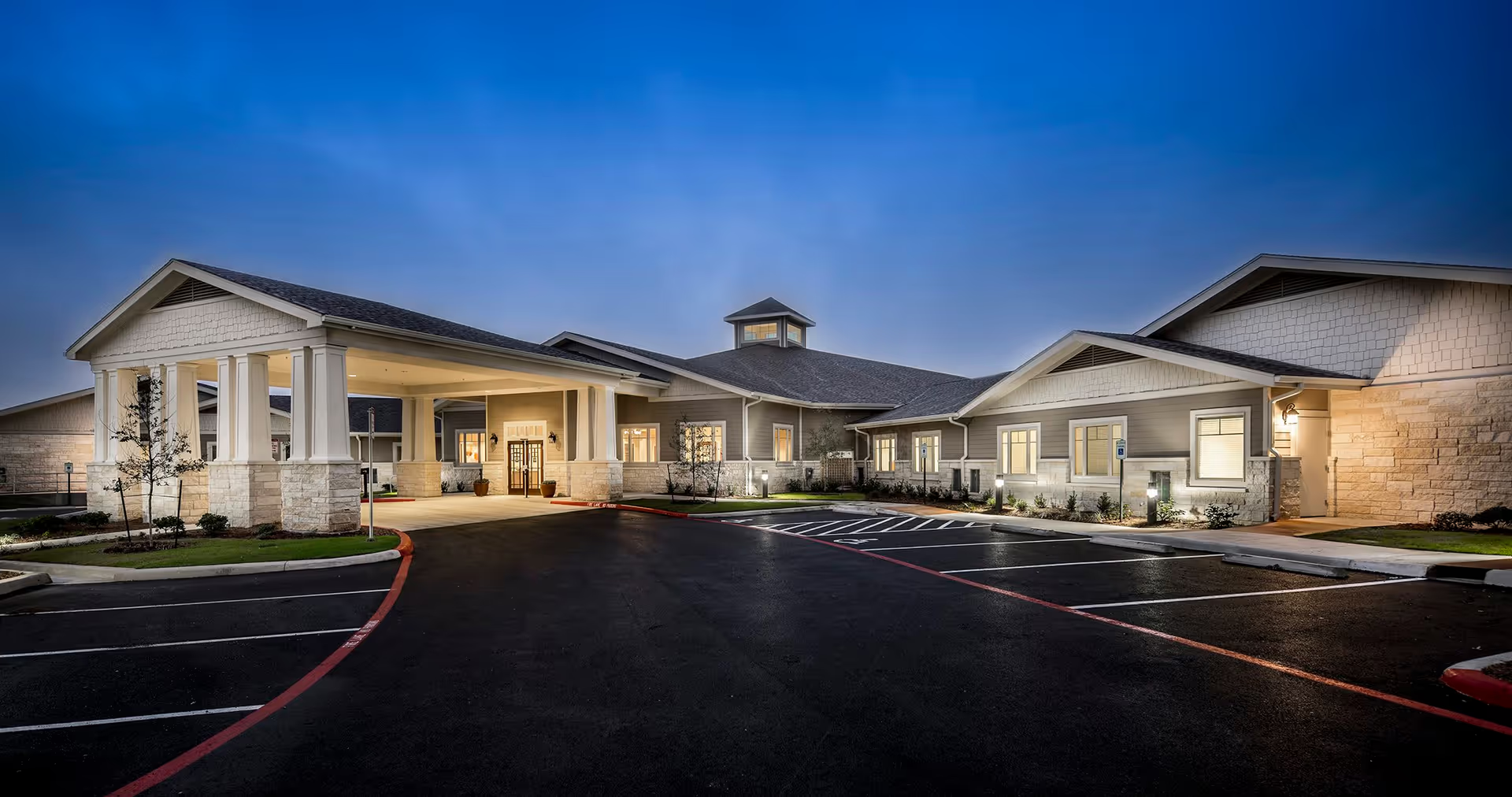
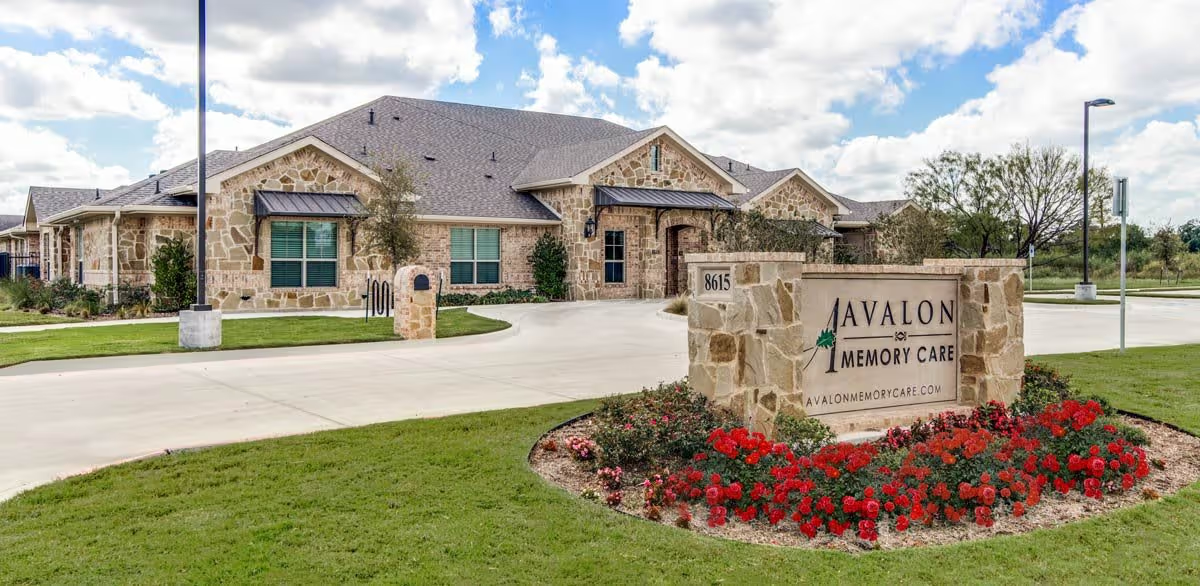
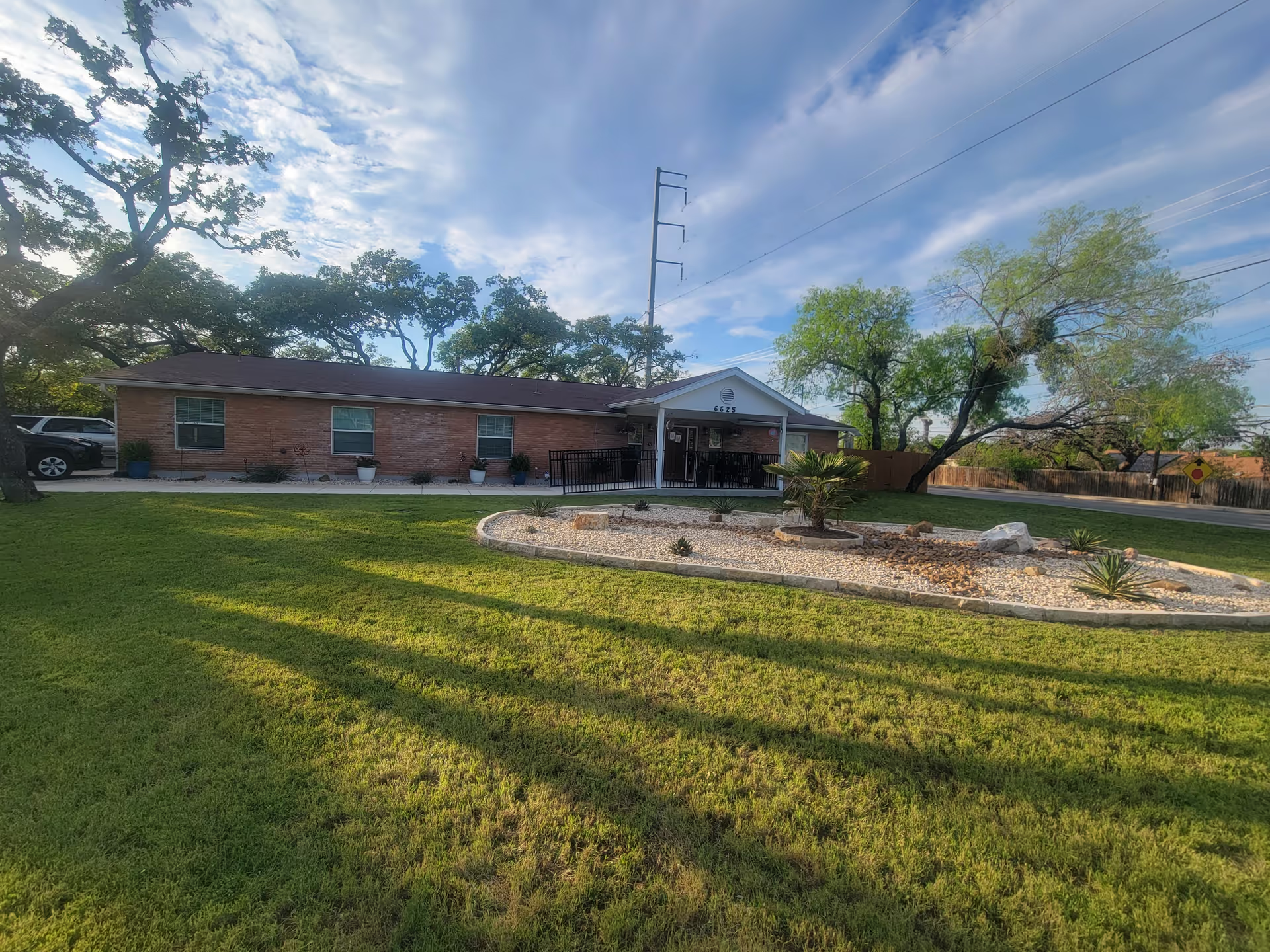
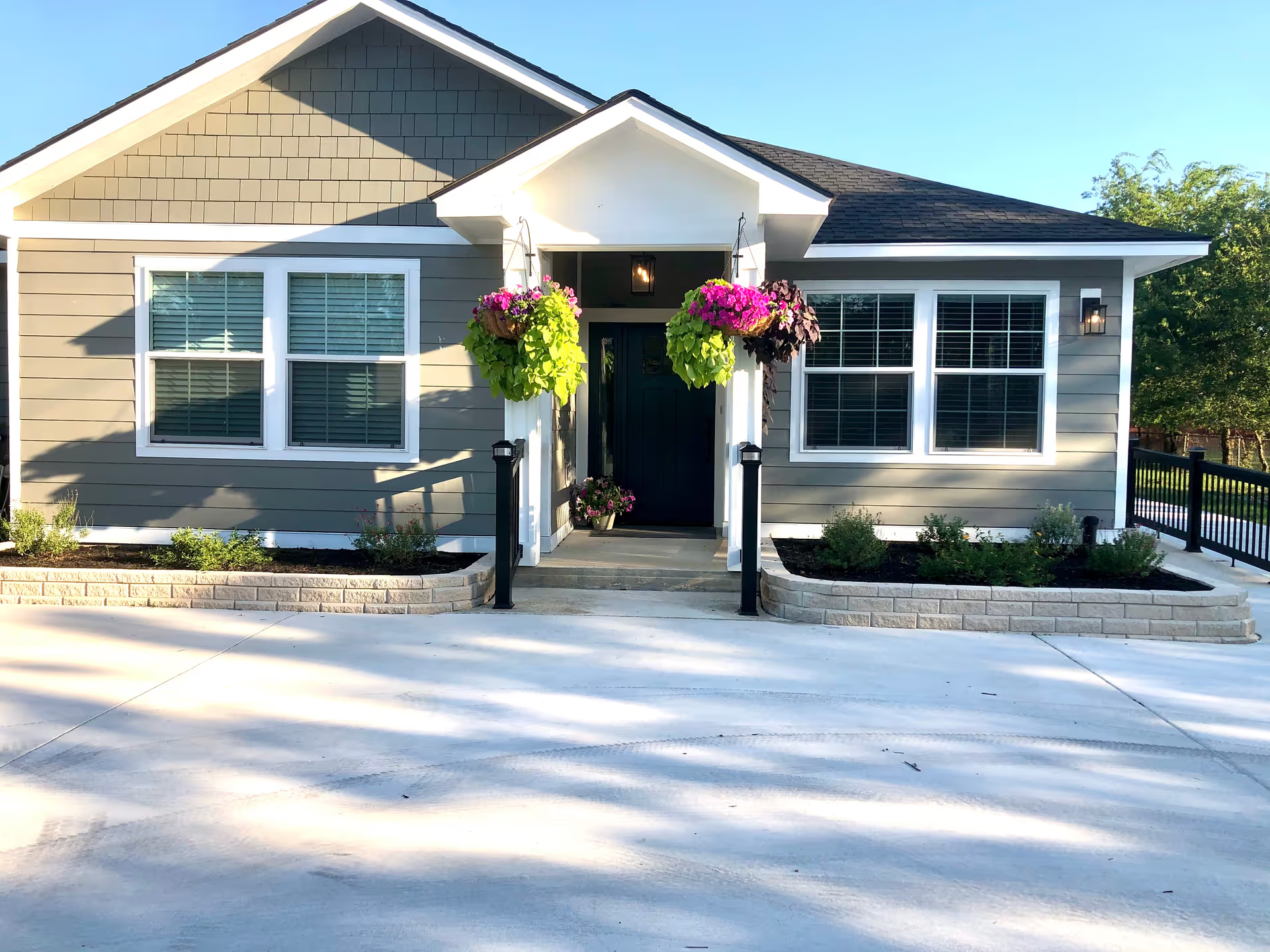
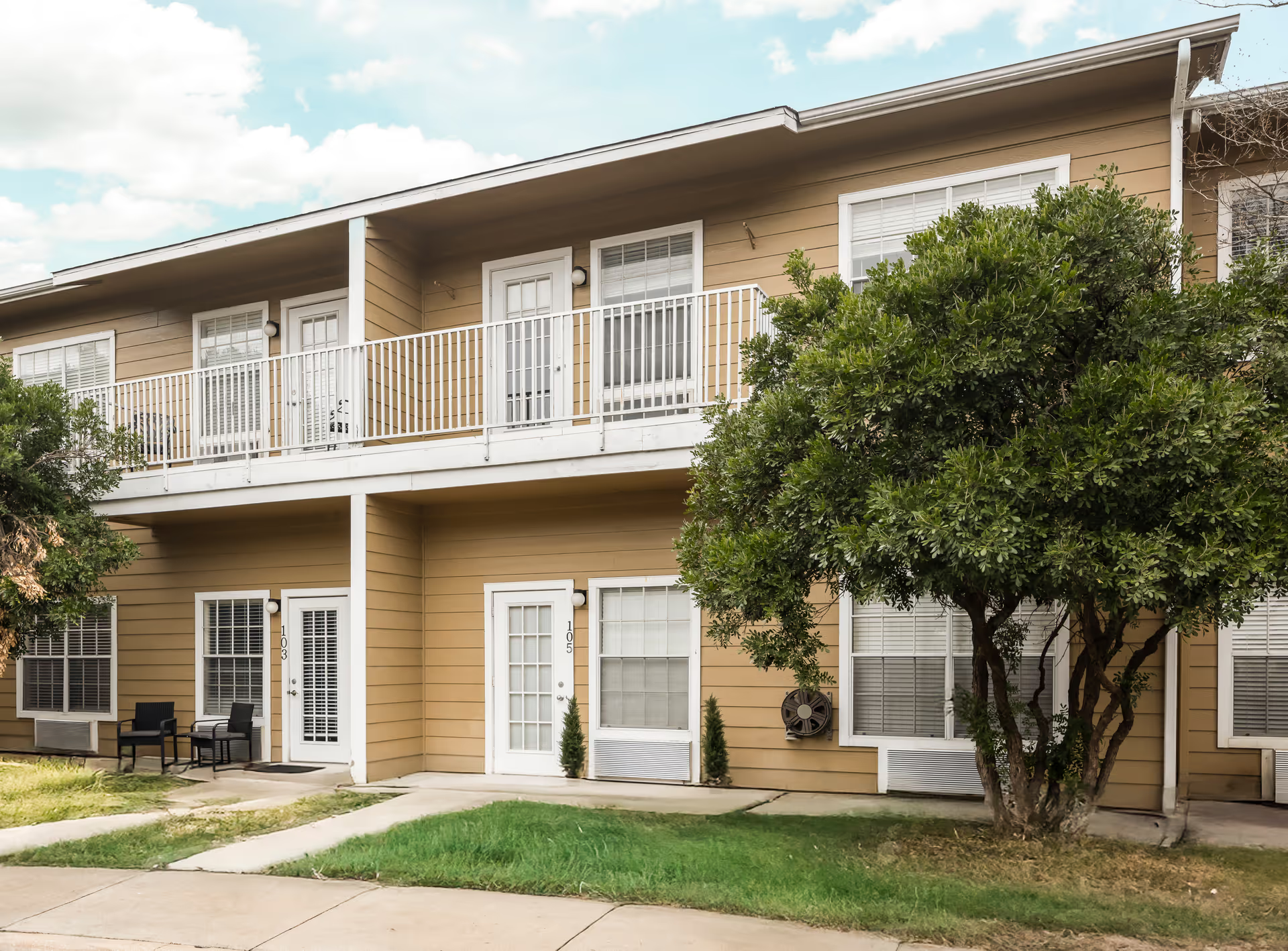
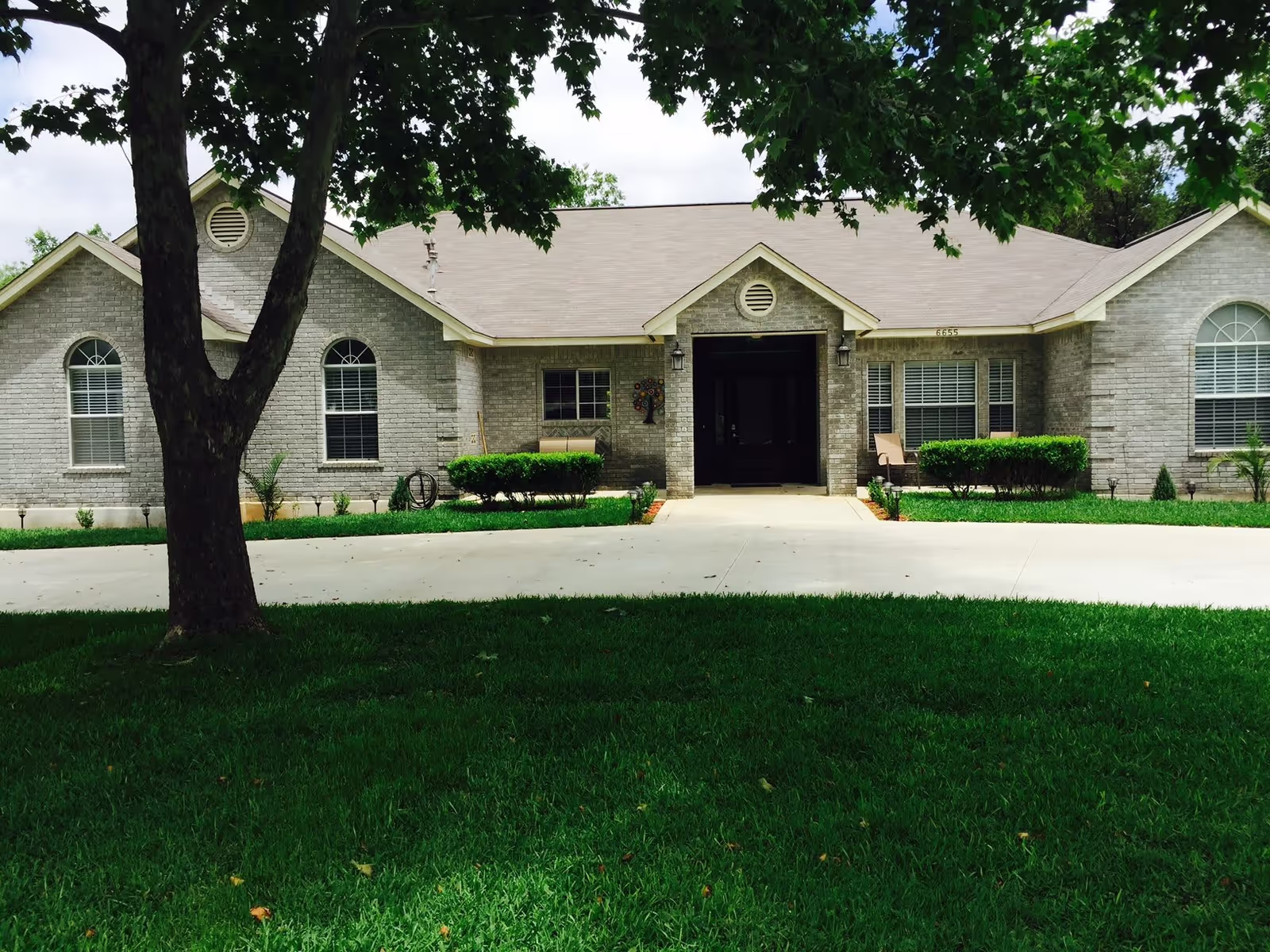
Facility-level and privacy concerns appear repeatedly: limited private apartment options, mixed-gender shared rooms, three-person rooms, and reports of nonstandard room conversions (for example, converted garage space). While interior cleanliness was often described positively, there are mentions of exterior maintenance issues and an on-site smoking area that may affect outdoor spaces. Families also raised practical concerns about lost or shared personal items, indicating weaknesses in personal-belongings management and property controls.
Taken together, the pattern suggests that prospective residents and their families should verify several operational areas when assessing this provider: current staff qualifications and turnover rates, medication-administration policies and clinical documentation practices, supervision and emergency-response procedures, the availability and scheduling of activities, the physical layout and privacy of rooms, and how meals are prepared and sourced. A thorough, in-person tour that asks for current staffing rosters, clinical protocols, and references from recent families will provide the clearest picture of whether this community meets an individual resident's clinical and lifestyle needs.