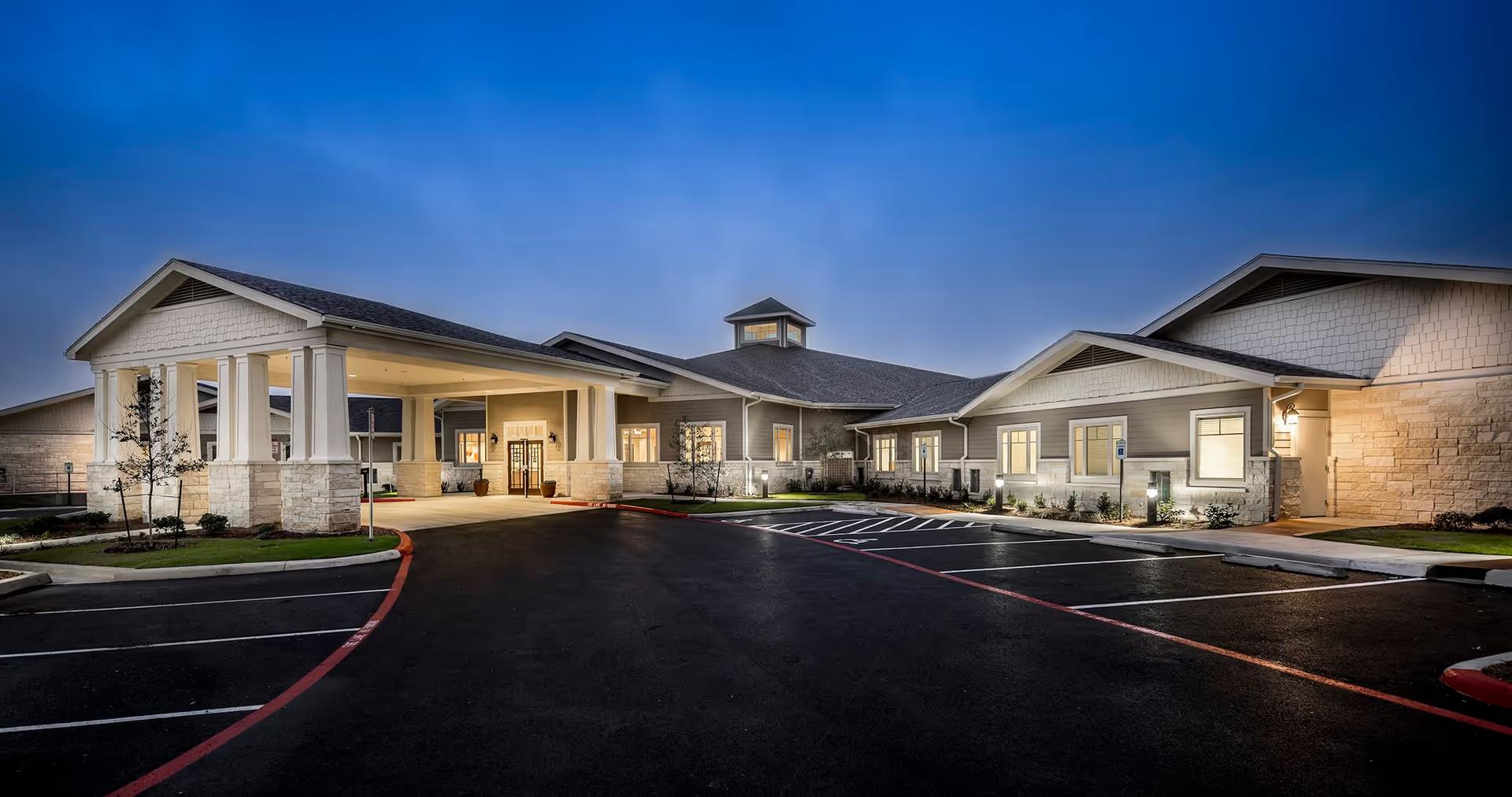
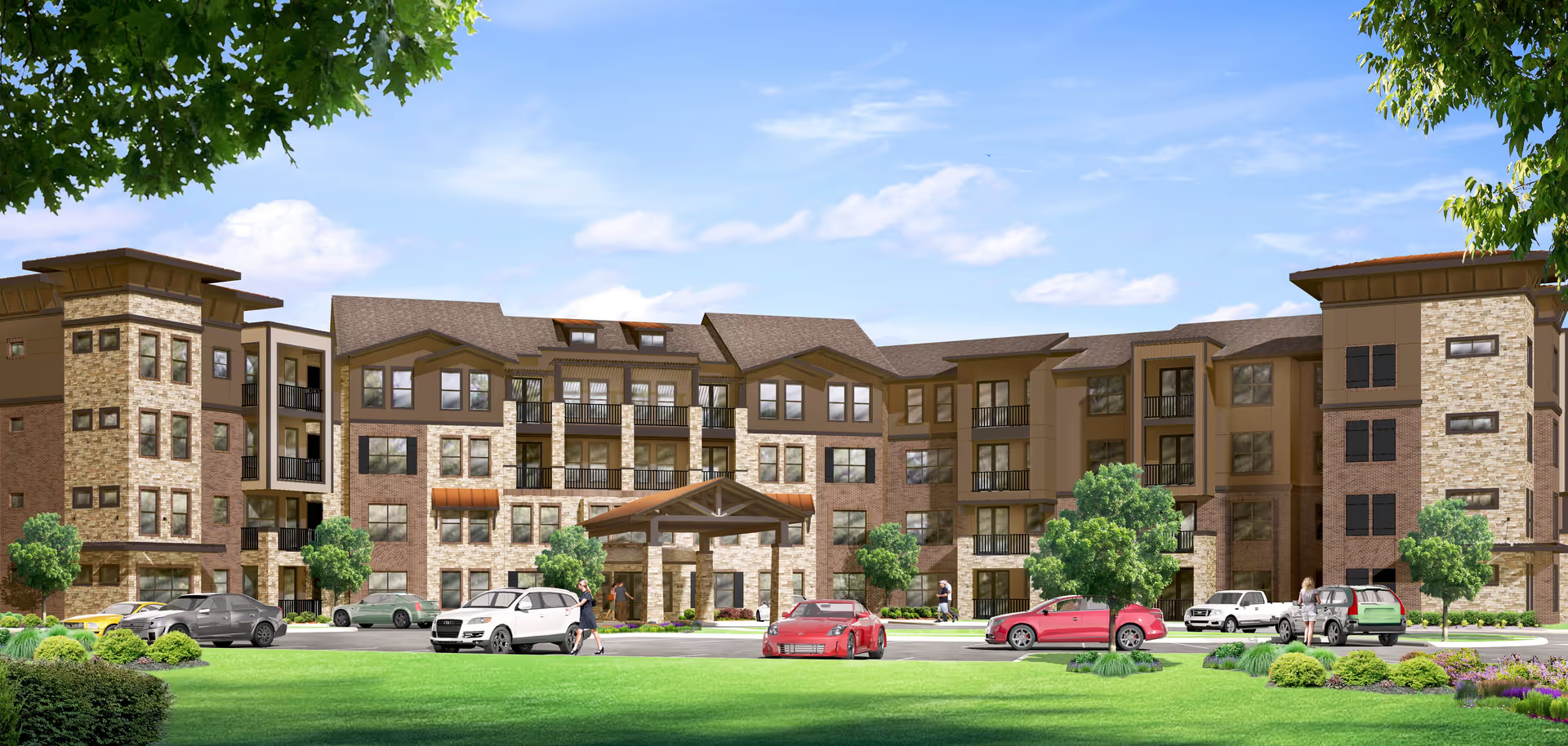
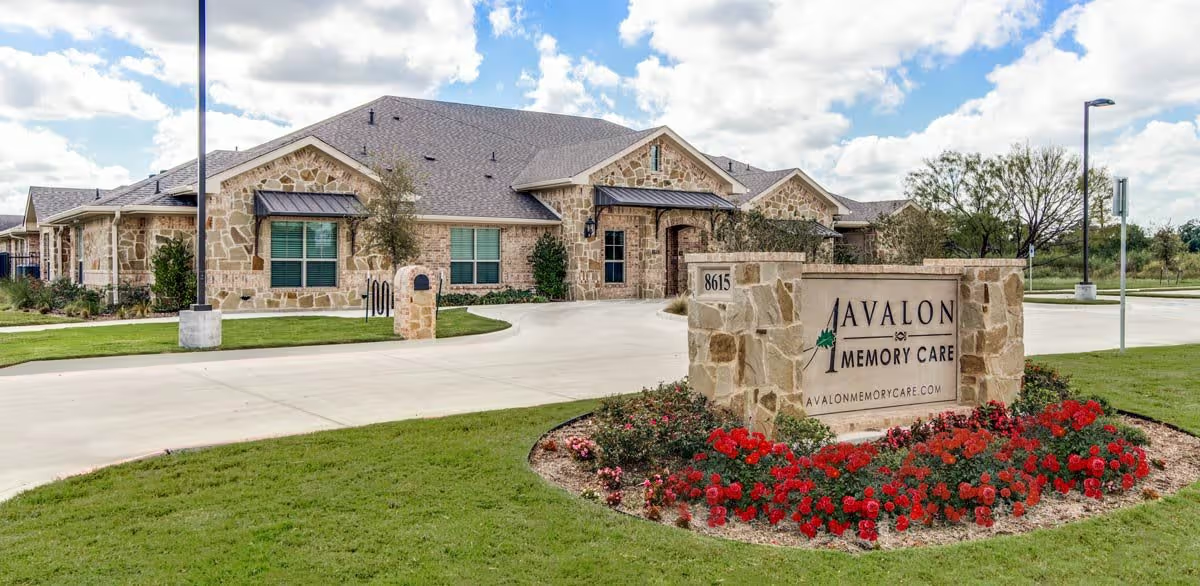
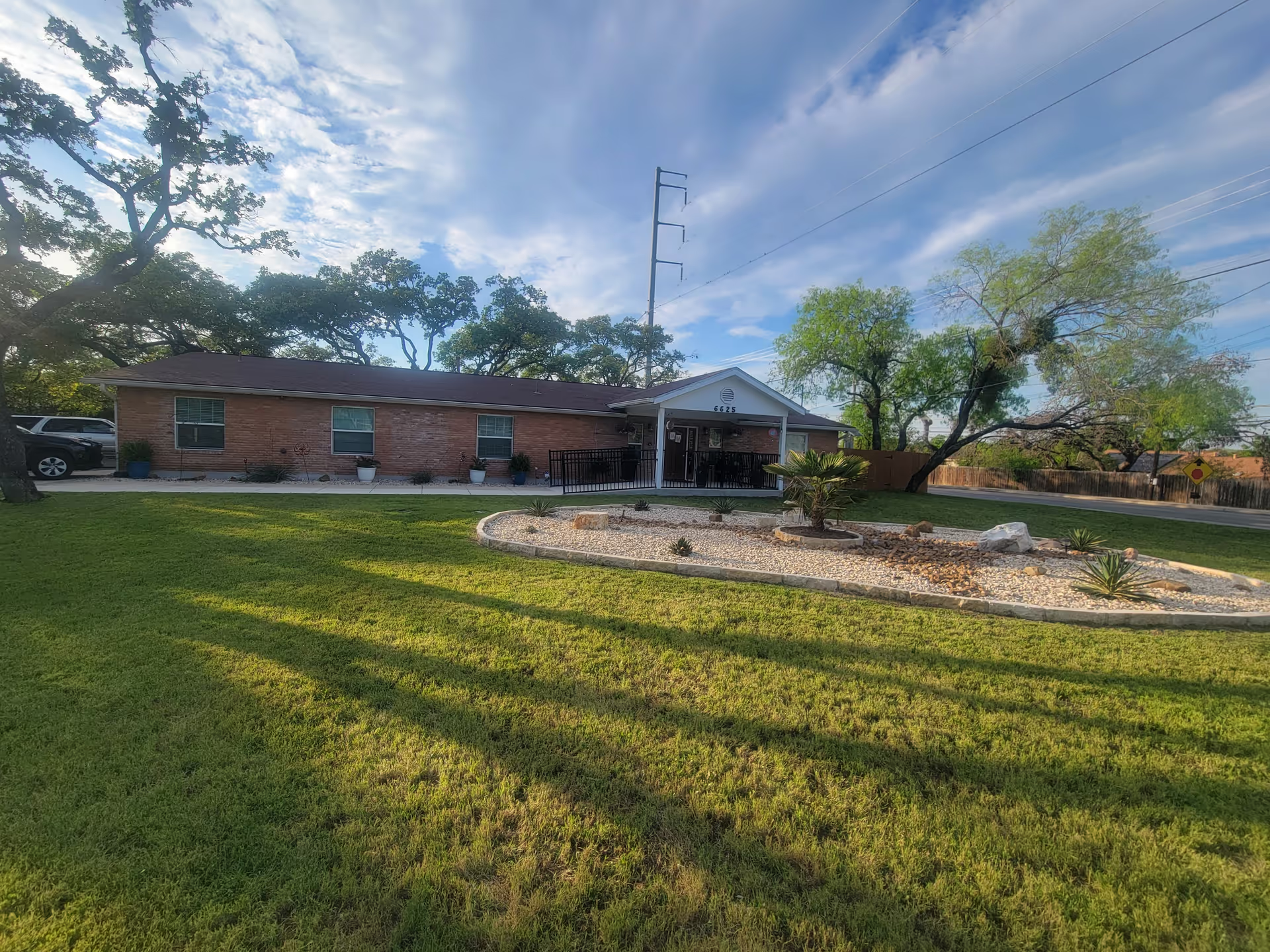
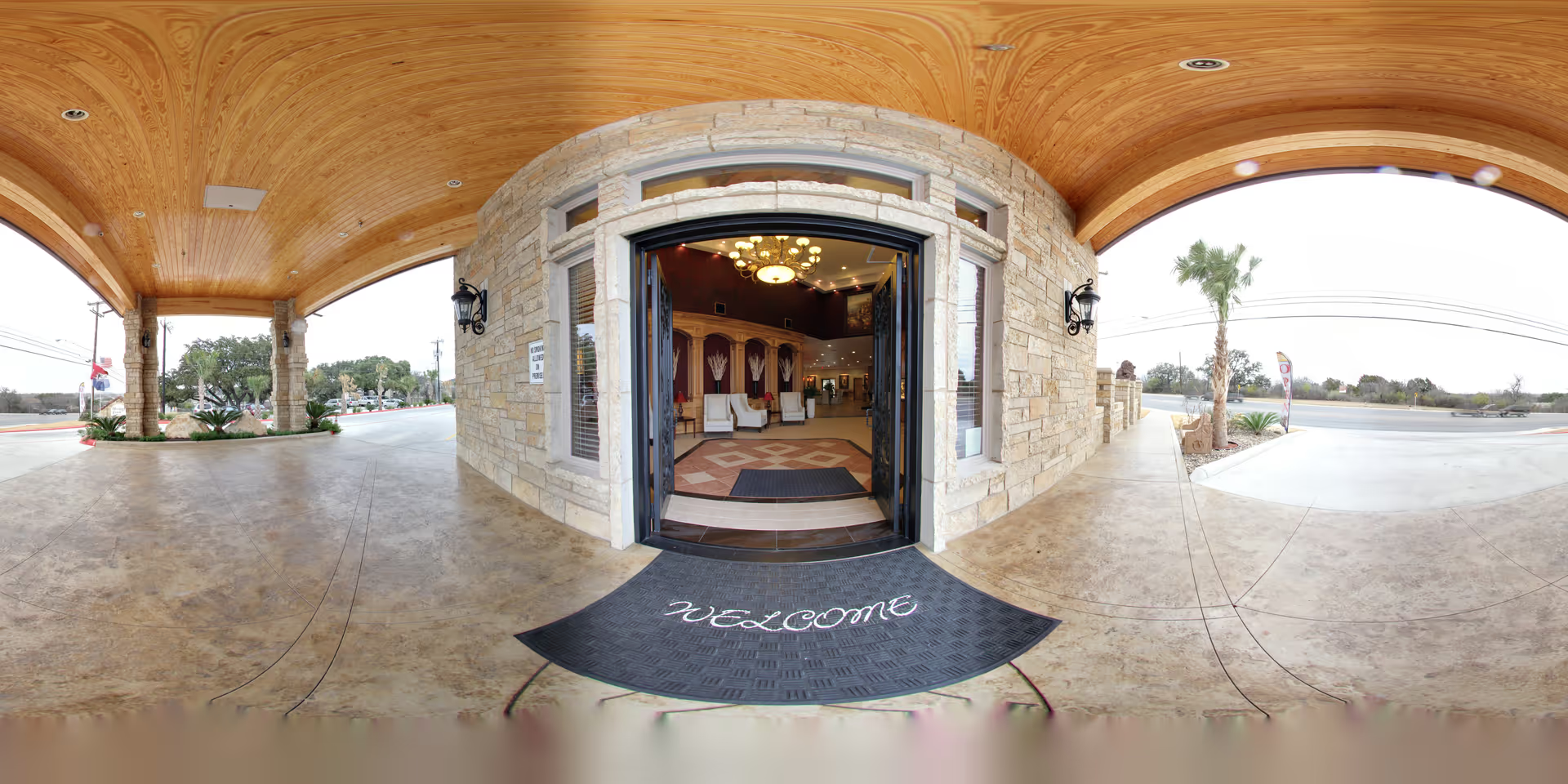
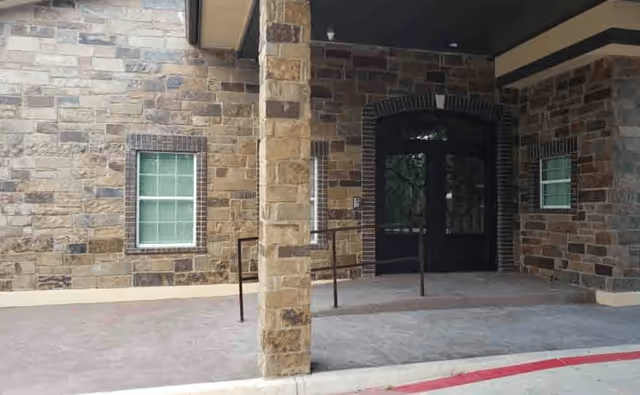
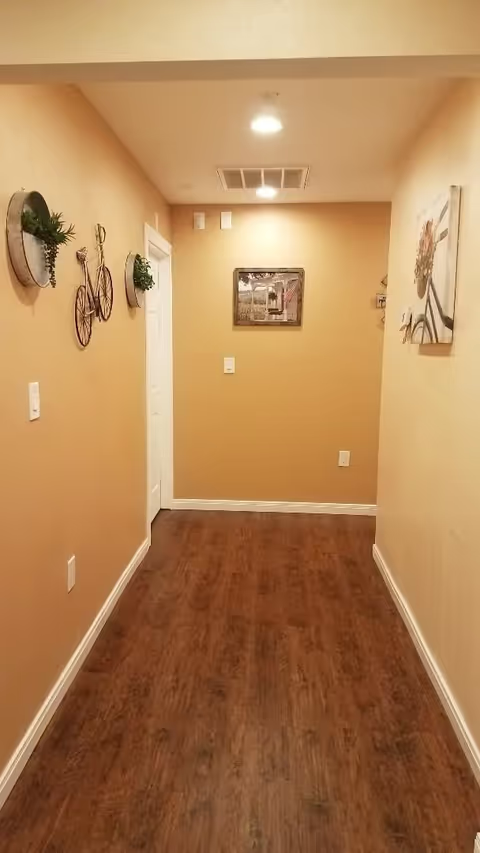
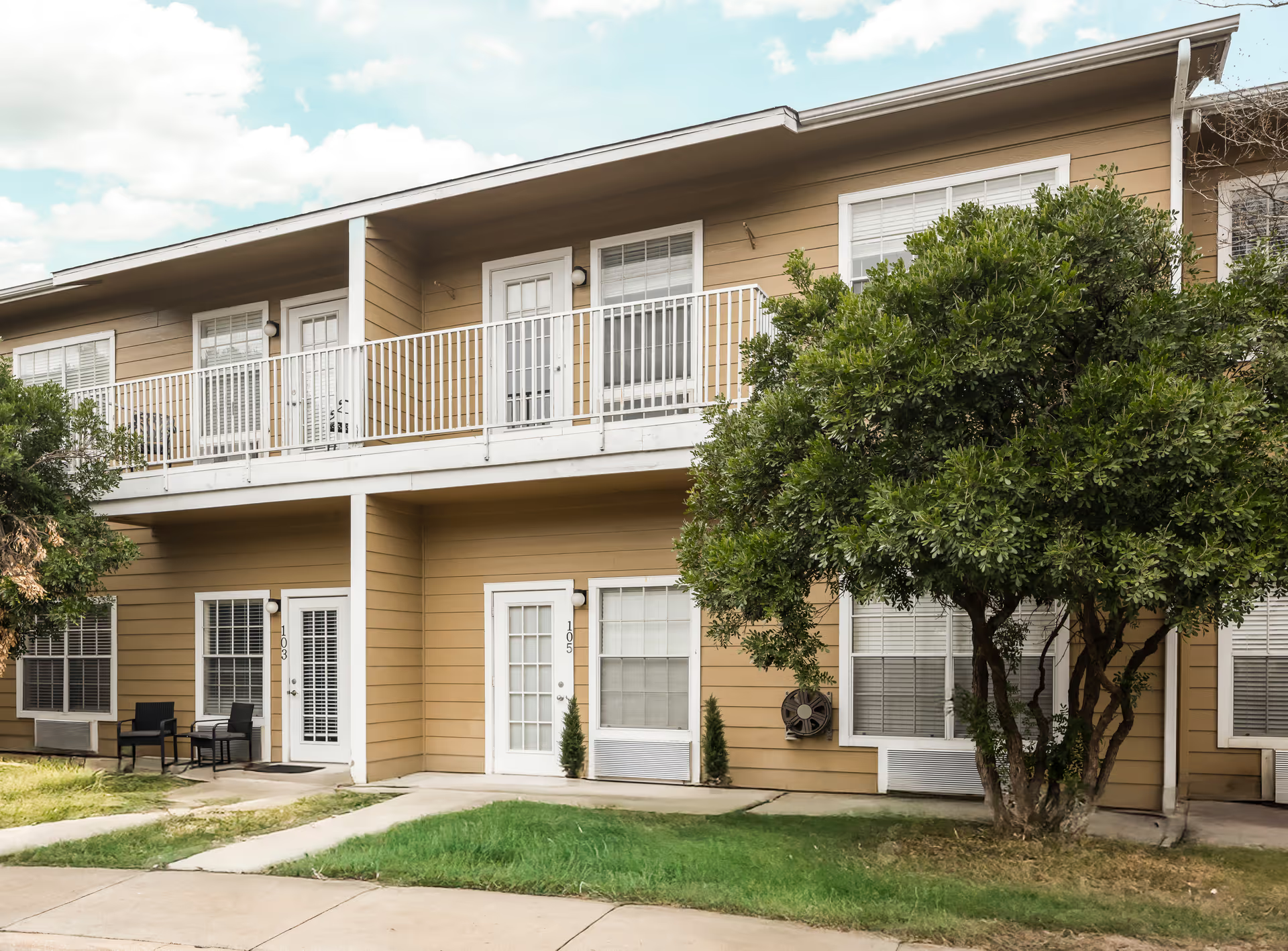
The reviews indicate a facility with many structural strengths but notable operational variability. Positively, the building is frequently described as modern and hotel-like, with private, spacious rooms and comfortable furnishings. Rehabilitation and therapy services are commonly praised — families and patients cite effective physical, occupational, and speech therapy and specific clinicians who facilitated recovery. Admissions staff and many bedside caregivers receive consistent commendation for professionalism, compassion, and individualized attention. Recreational programming, transportation services, timely laundry, and onsite wound-care capability are additional service strengths mentioned by multiple families.
Despite these strengths, a substantial pattern of operational weaknesses emerges. Staffing levels and scheduling appear to be inconsistent: reviewers describe delayed responses to call lights and alarms, slow pain- and medication-delivery, and limited assistance with activities of daily living during some shifts. Medication-administration controls and timing have been described as unreliable in some cases, and reviewers cite delays or missed doses as a recurring concern. Supply-chain gaps (for example, incontinence supplies, towels, and basic disposables) and intermittent equipment shortages (extra wheelchairs or missing rehab parts) affect daily care and rehabilitation ease for short-term patients.
Dining and housekeeping are areas of mixed performance. Some reports praise well-presented meals and accommodating dietary care; others describe bland or low-quality meals, small portions for special diets, and families supplementing food. Housekeeping and sanitation are generally adequate in many accounts, but other families reported cleanliness inconsistencies, odor concerns, pest-control issues in some rooms, and irregular housekeeping frequency. These mixed reports suggest variability between units or shifts rather than a uniform standard of performance.
Administrative and systems-level issues recur across reviews. Multiple families noted inconsistent communication from leadership, phone and front-desk accessibility problems, and challenges with discharge planning and insurance authorization. Several reviewers associated declines in service quality with administrative turnover and ownership changes. There are also serious individual allegations concerning personal-property security and billing/Medicare handling; these are significant enough to warrant direct verification with the facility and regulatory sources.
Safety and clinical continuity concerns are another recurring theme: inconsistent oversight during shift changes, occasional equipment malfunctions, and lapses in monitoring were cited. Conversely, many accounts highlight strong clinical performances — particularly in wound care, therapy, and individual nurses or CNAs — indicating that clinical skill exists but may be applied unevenly.
What this pattern suggests for prospective residents and families: the facility offers strong physical amenities and capable therapy teams, but operational reliability appears to vary. When evaluating this facility in person, focus on current staffing ratios (day and night), medication-administration protocols, recent leadership/ownership changes, supply availability, property-security procedures, and the facility’s complaint/incident reporting process. Asking for recent state inspection results, nursing-staff turnover data, and examples of how they handled prior incidents may help clarify whether the facility’s strengths will be consistently applied to a specific resident’s care plan.