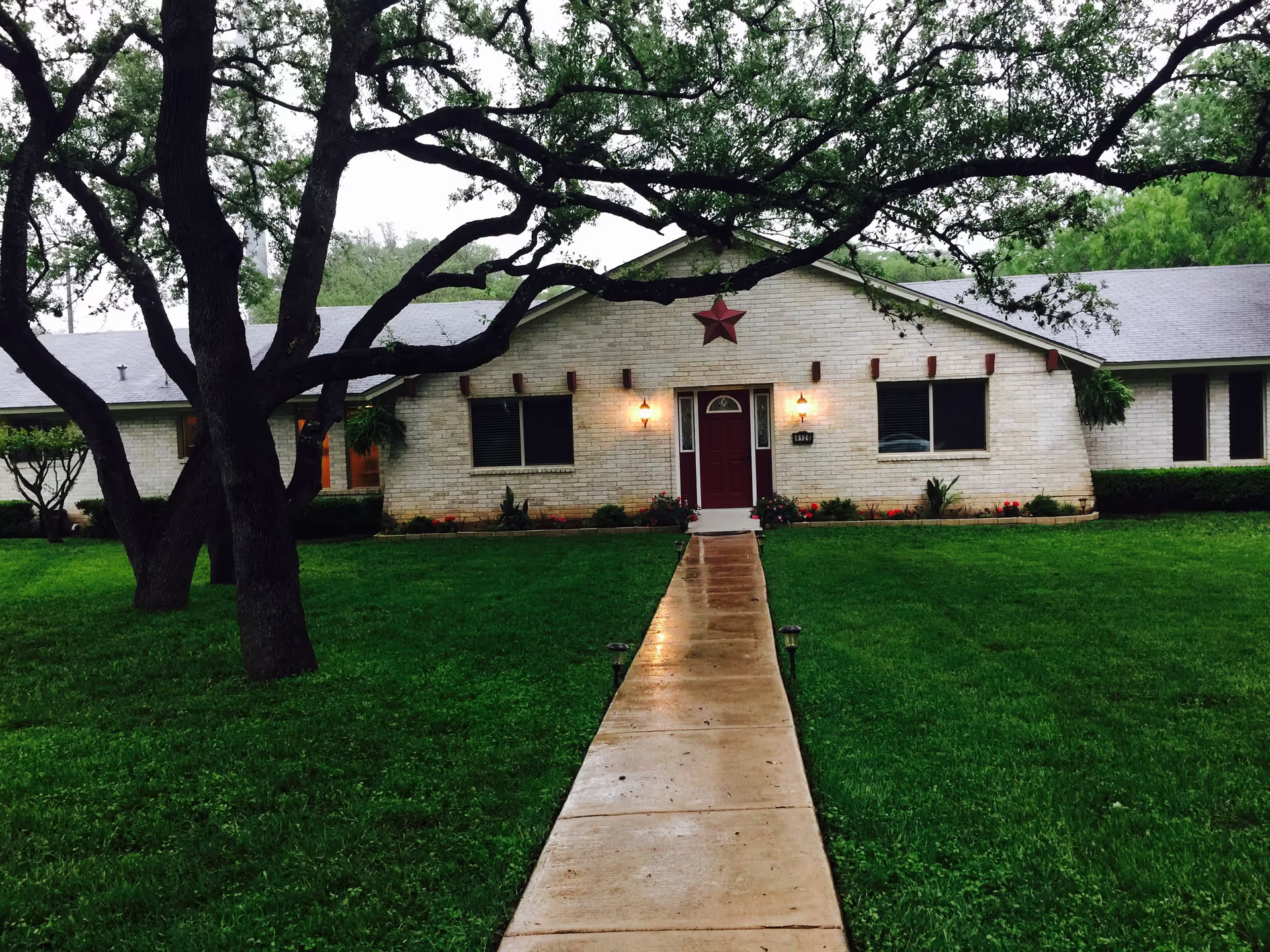
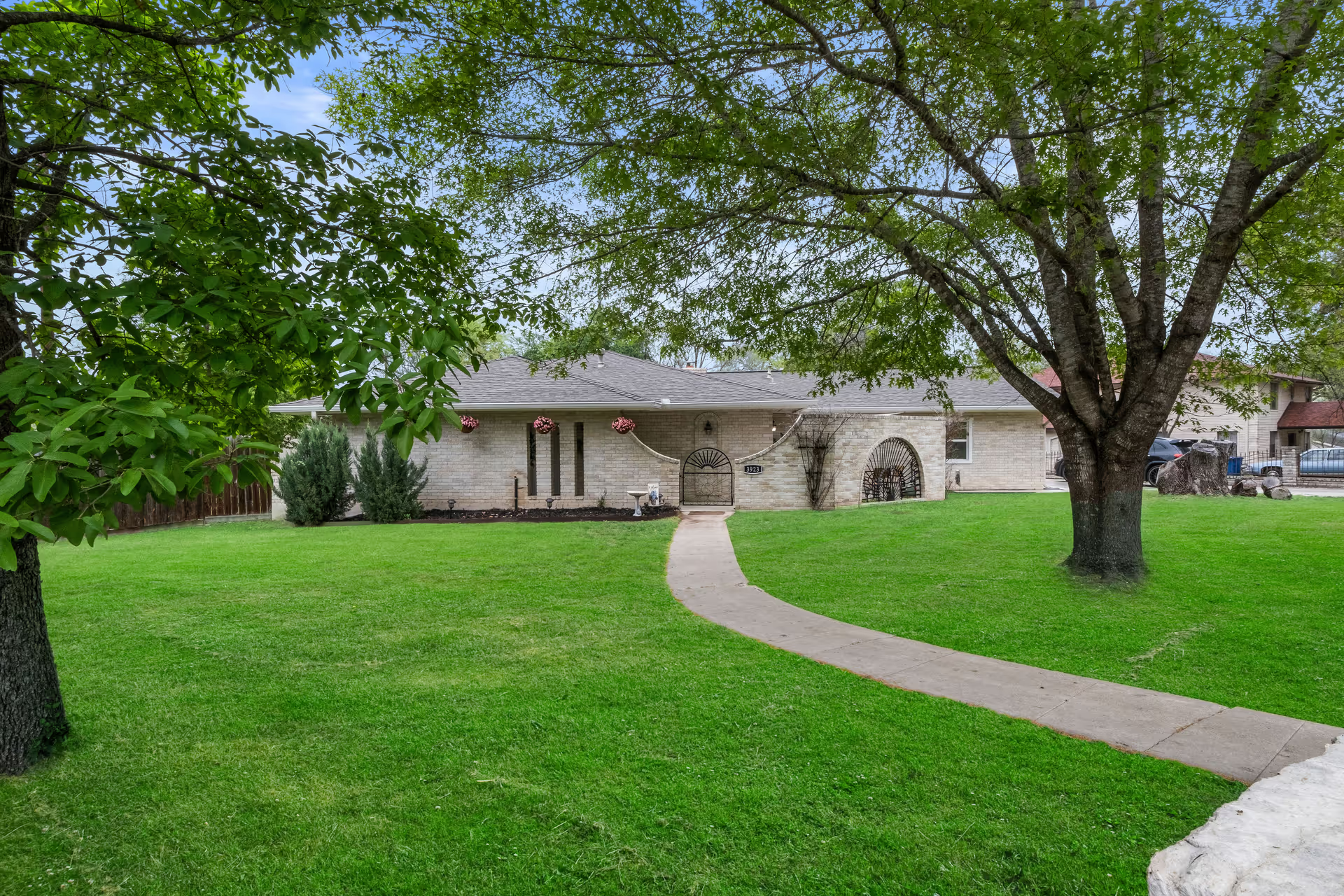
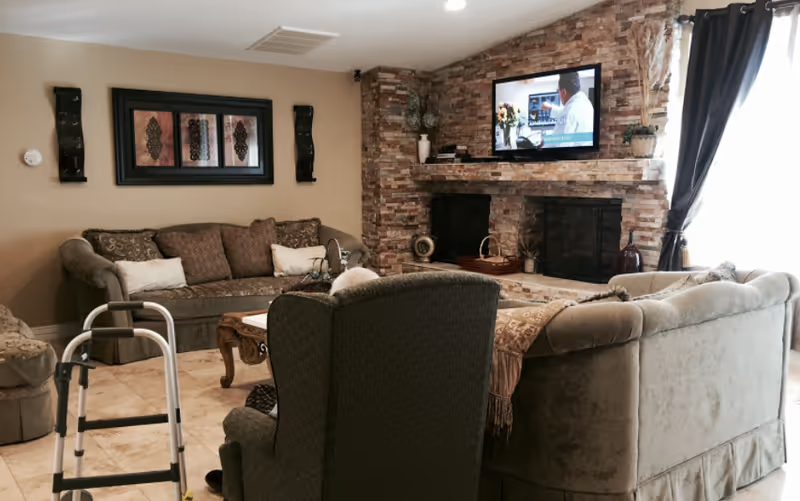
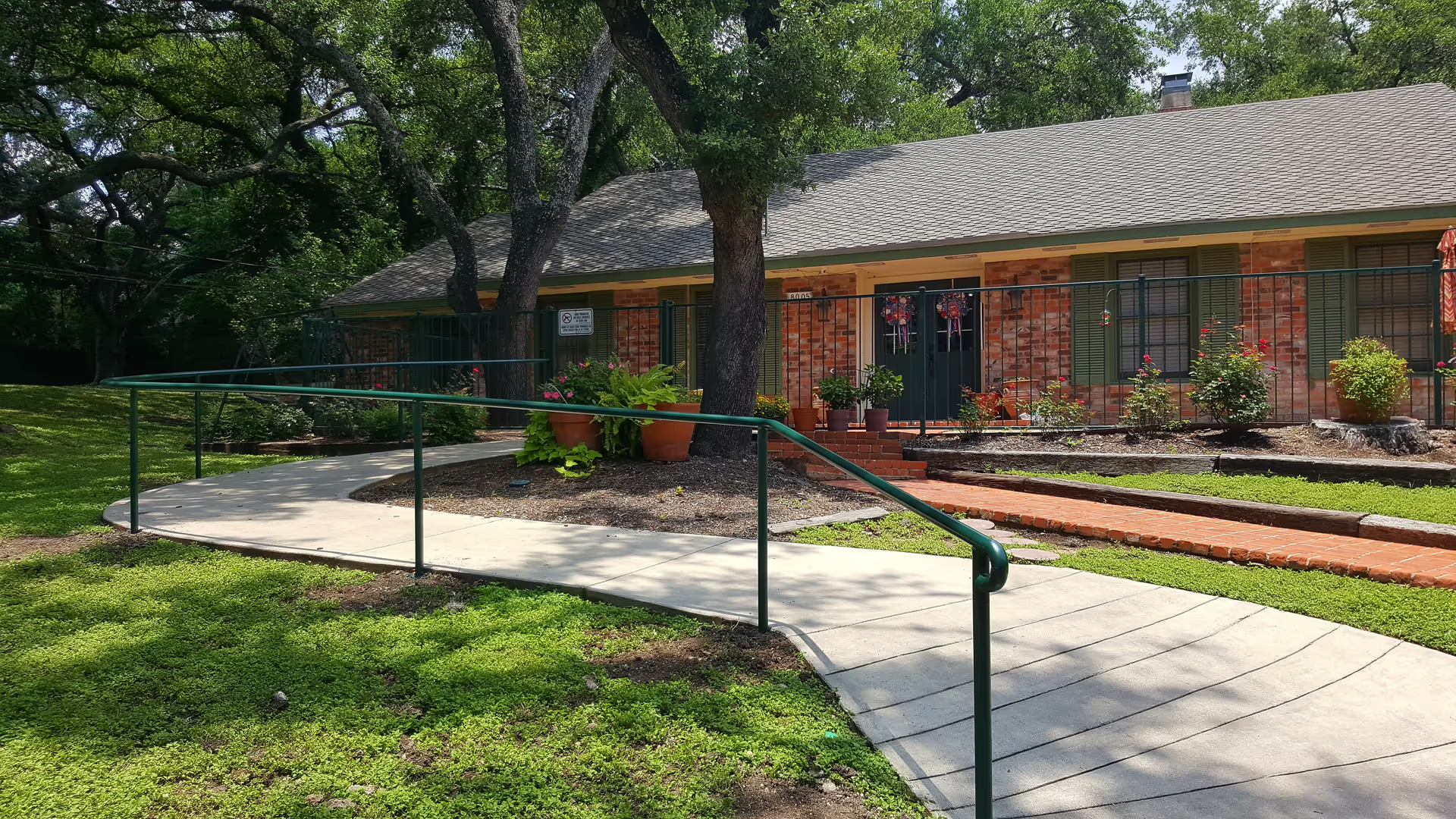
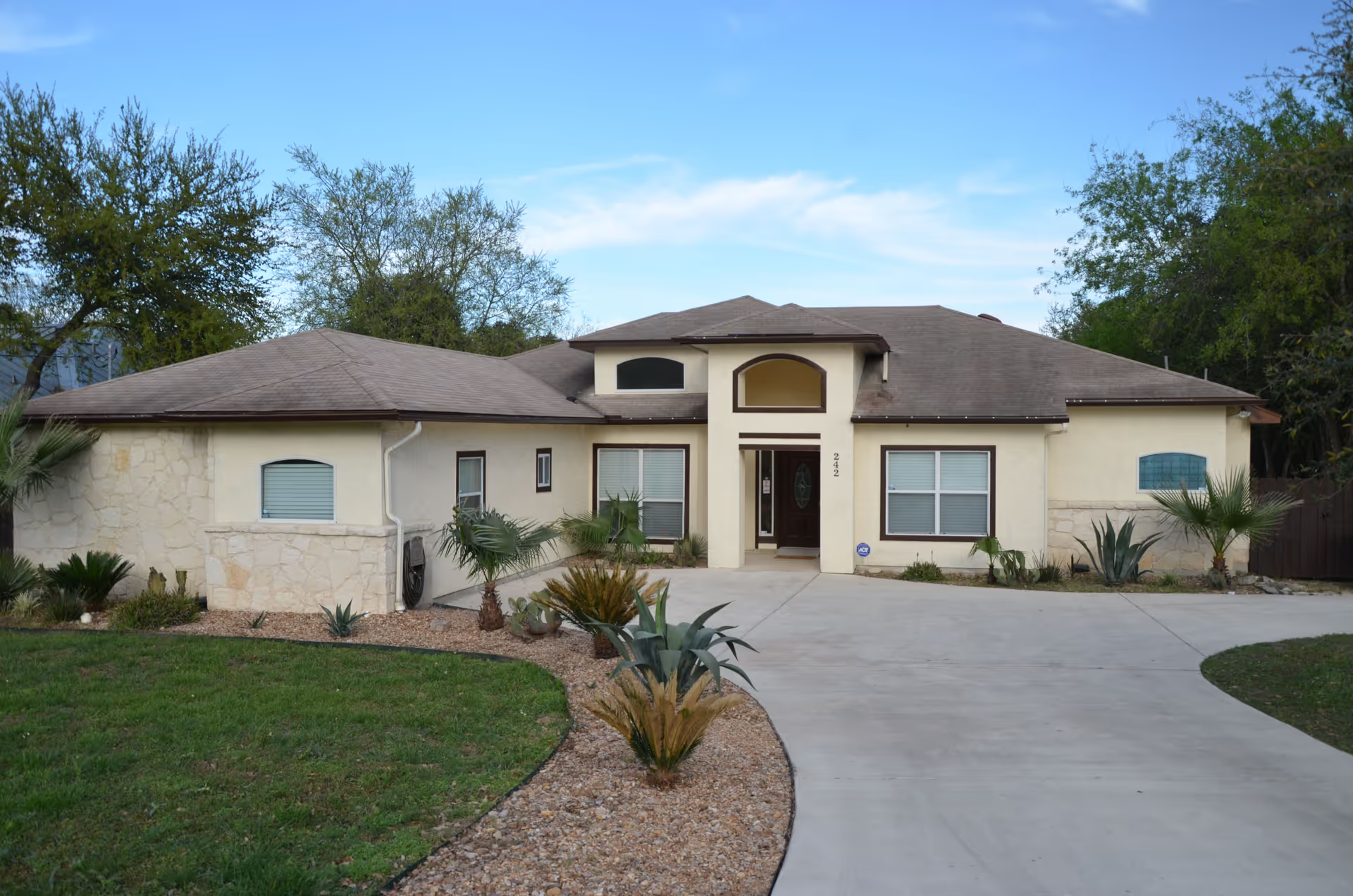
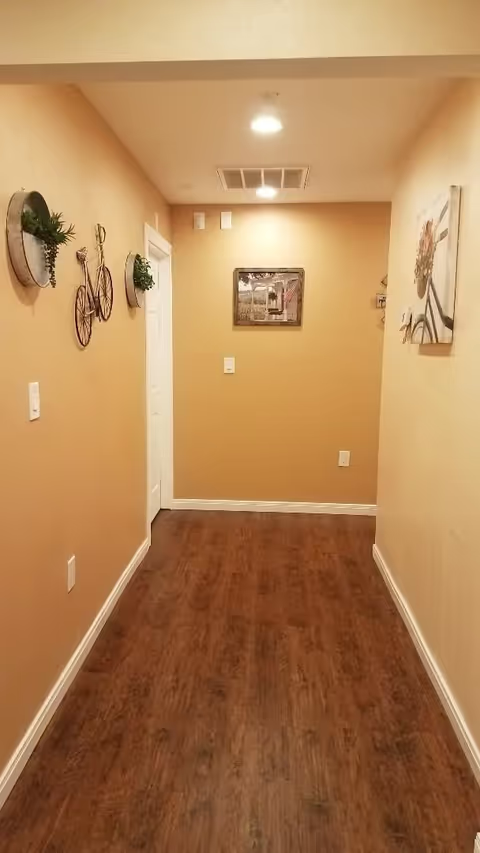
The reviews for Linda's TLC present a notably polarized picture. Many families describe a small, homelike setting with attentive, individualized care—staff are frequently characterized as kind, personable, and family-oriented. Several accounts highlight effective hospice partnerships, spiritual support, regular meals served in a social dining setting, and instances of measurable improvement in residents' appetite and weight. Physical accommodations are often described as clean, spacious, and comfortable, with private rooms and a peaceful atmosphere that some families found well suited for end-of-life and low-acuity care.
Care quality appears to vary by resident acuity. For residents with lower medical needs or those receiving hospice services, reviewers commonly praised personalized assistance with bathing, medication reminders, and social engagement. Nursing and hospice coordination is cited as a strength in many positive accounts. However, a subset of reviews describe serious clinical and operational concerns for residents with higher medical complexity or advanced dementia. These concerns center on medication handling, clinical oversight, and dementia-focused care protocols, suggesting the facility may be better suited to residents whose needs align with a small-home, hospice-oriented model rather than those requiring complex medical management.
Staff and atmosphere are frequent points of praise: many reviewers report warm interactions, individualized attention, and staff members who go beyond expectations to support families. At the same time, there are comments about inconsistent staff professionalism and conduct, and isolated accounts that describe substantial lapses in caregiver behavior. The contrast suggests variability in staff performance and the potential for inconsistent resident experiences depending on staffing at the time of care.
Dining and daily living are generally described positively: meals are regular, communal dining is valued by families, and some residents experienced weight stabilization or gain. Nonetheless, there are reported instances indicating inconsistent mealtime monitoring or access to food for some residents, which points to gaps in routine oversight rather than a uniform programmatic failure.
Facility-related strengths include a homelike layout, cleanliness in many areas, and a small census that enables staff to provide individualized attention. Operational weaknesses raised across reviews include medication administration controls, documentation and family communication practices, property and belongings management, and pressure-injury prevention protocols. Financial and admission-process concerns also appear: some families described mismatches between the service level presented at intake and the ongoing care delivered, along with questions about billing or prepayment handling.
Notable patterns: most positive feedback emphasizes compassion, individualized attention, and effective hospice care; most negative feedback centers on clinical safety, medication and documentation controls, and suitability for higher-acuity or dementia care. A small number of reviews referenced regulatory or law-enforcement involvement; these accounts are serious in nature and indicate the importance of direct verification. Prospective residents and families should confirm the facility’s experience with dementia and higher-acuity medical needs, ask for written care plans and medication-administration policies, review incident-communication procedures, and clarify billing and belongings policies before admission.
In summary, Linda's TLC appears to offer strong, person-centered care in a small, home-like setting for residents with primarily supportive or hospice needs. The facility shows several operational strengths but also exhibits variability in clinical oversight, communication, and administrative controls that warrant careful inquiry from families considering placement, especially for individuals with more complex medical or cognitive needs.