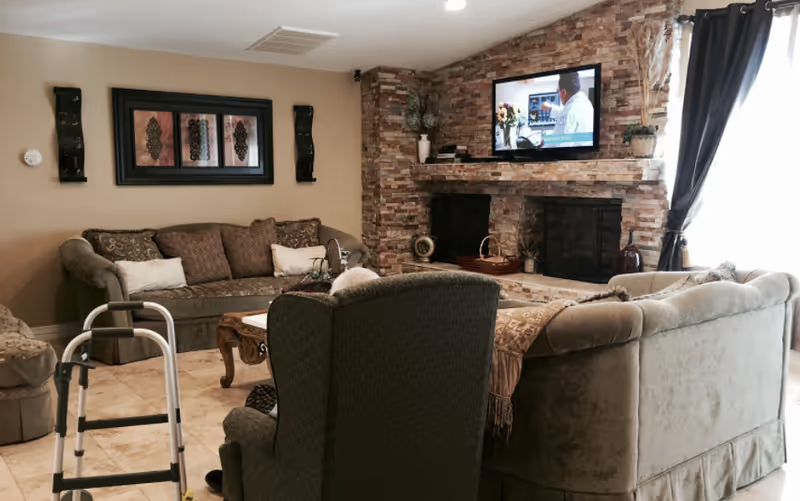
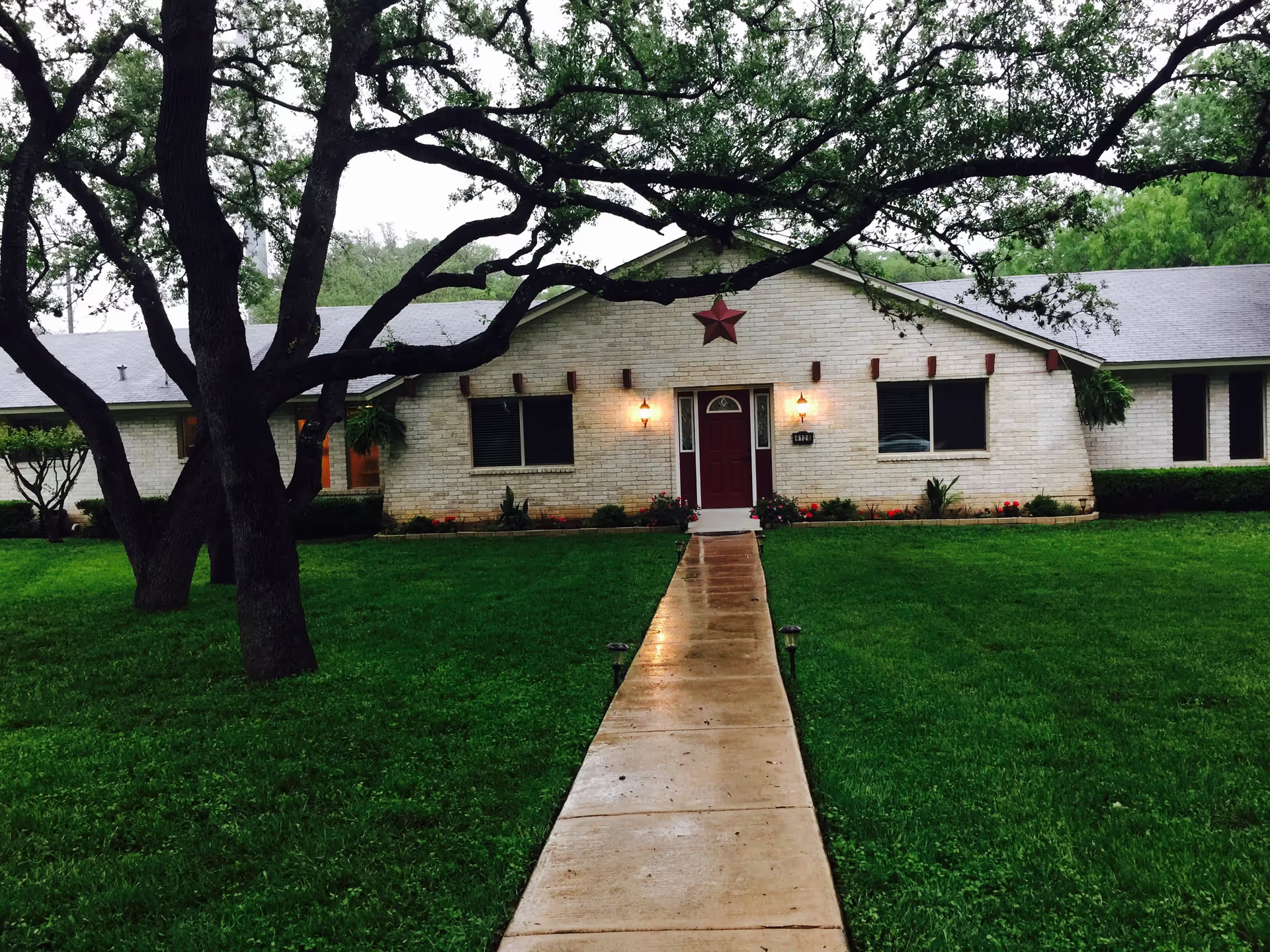
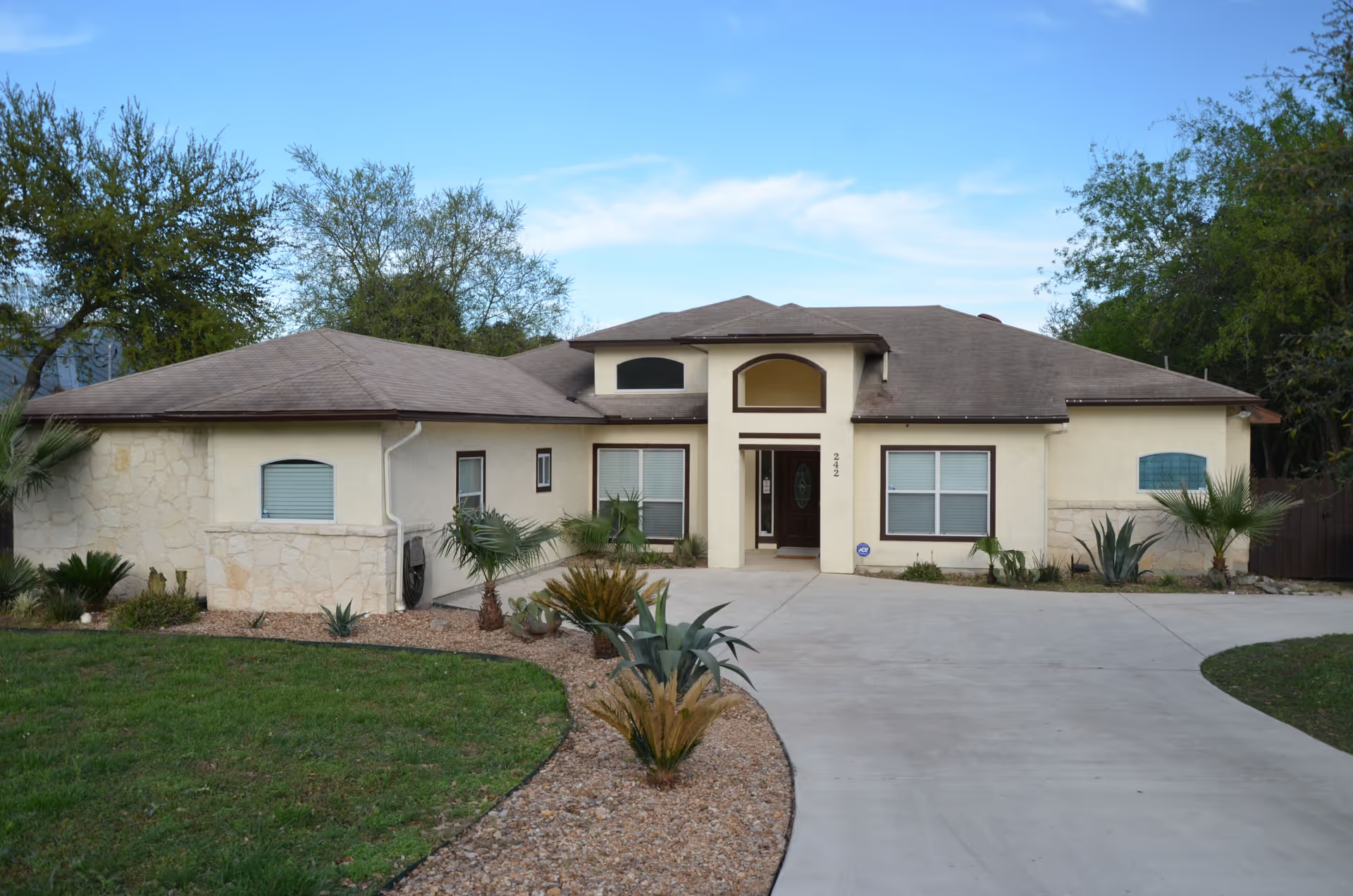
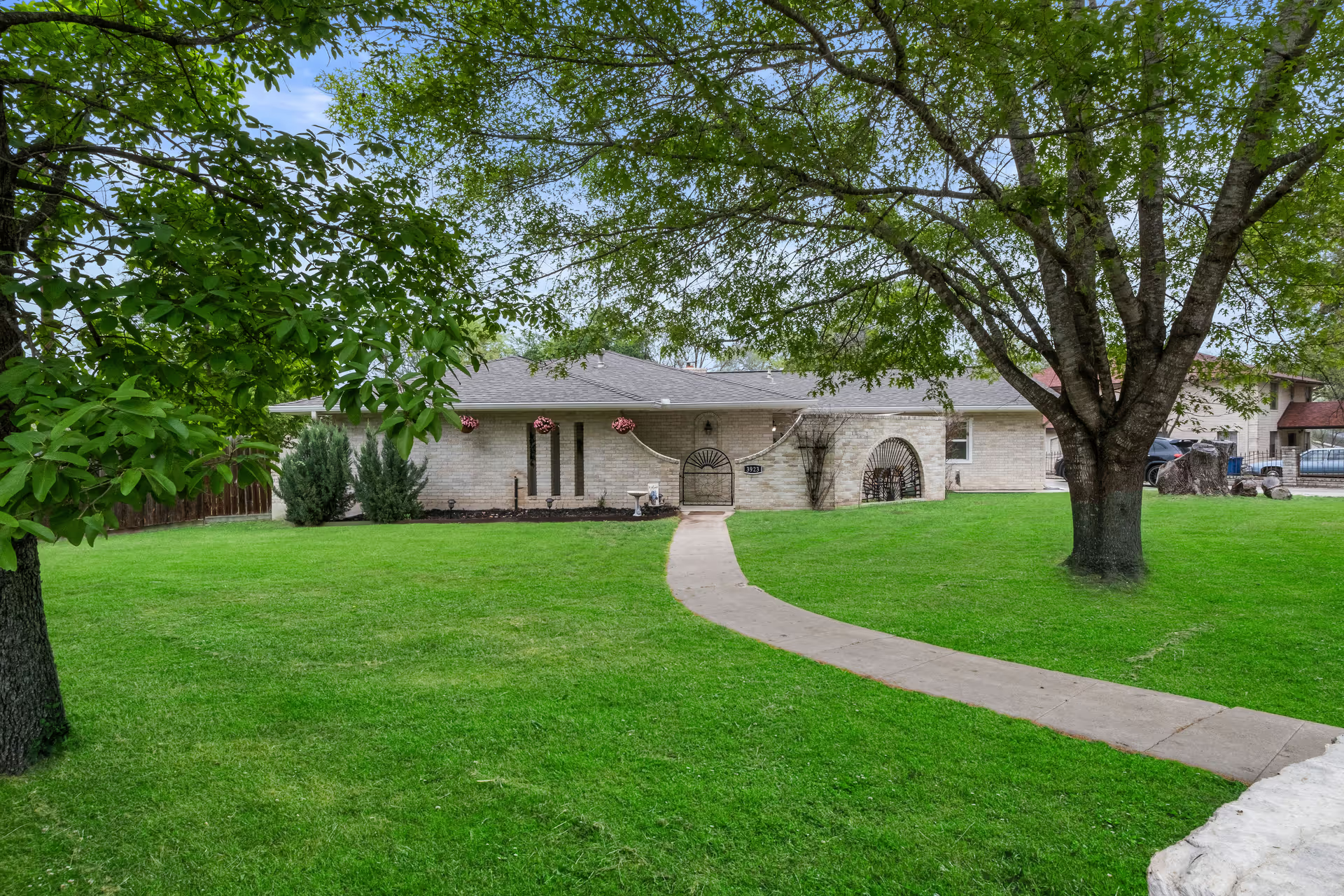
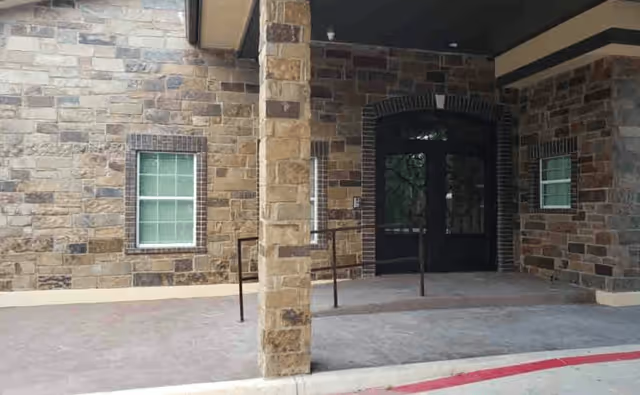
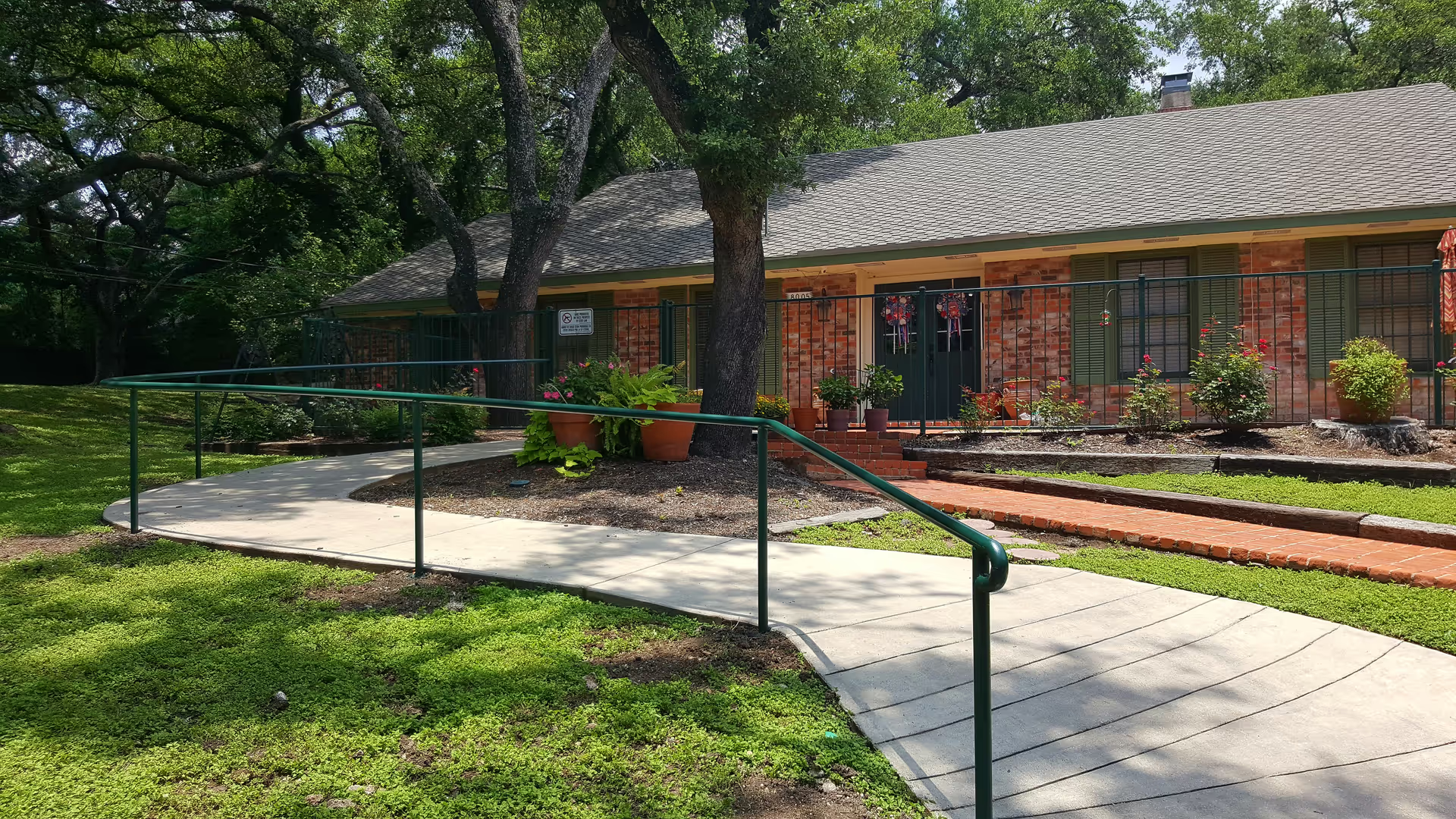
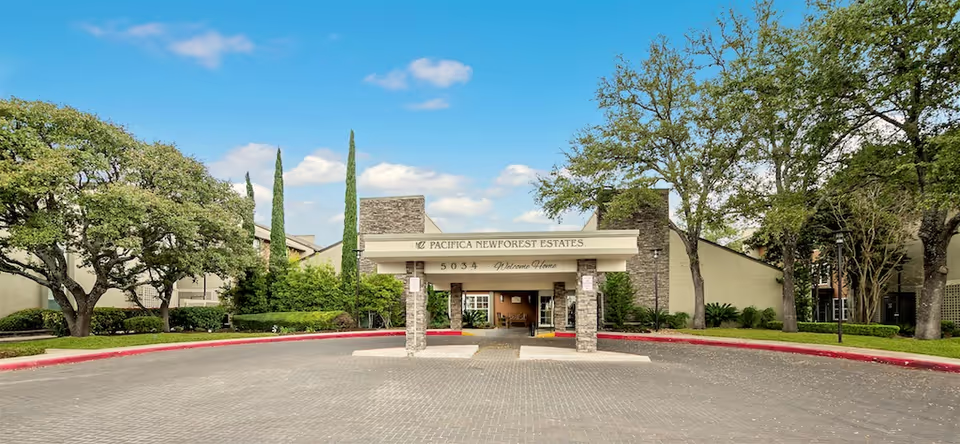
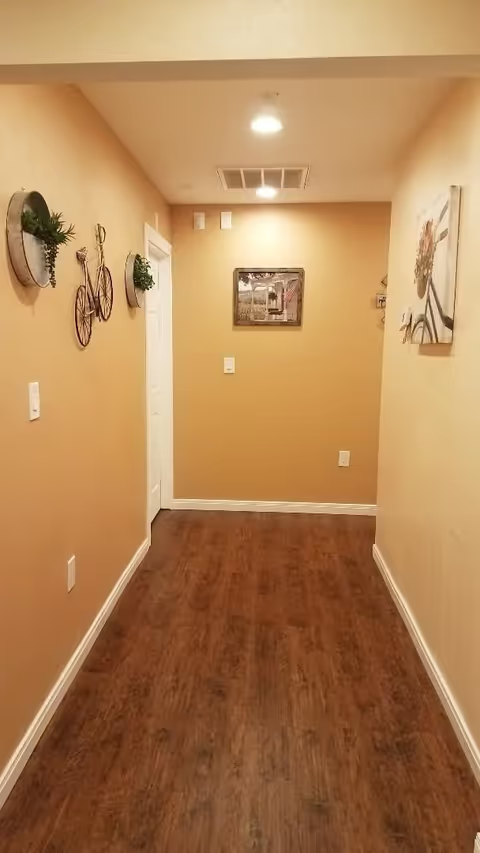
Reviews describe a facility with a mix of distinctly positive strengths and some recurring operational weaknesses. Strengths cited include a clean, well-maintained campus with attractive outdoor spaces, spacious apartments and cottages (many with patios and kitchens), and a visible social atmosphere. Numerous reviewers praised direct-care staff as friendly, caring, and long-tenured; others highlighted engaging activity programming, useful transportation and outings, and generally good communication with families. Dining is frequently cited as a positive element, including menu variety and the ability to accommodate diets such as diabetic menus. The connected campus model — independent living through nursing and hospice on-site — is noted as a convenience for families seeking a continuum of care.
At the same time, a cluster of operational concerns appears repeatedly. Staffing levels and coverage were uneven across shifts and weekends, and several accounts indicate inconsistent responsiveness to call lights and resident requests. Families described gaps in clinical-care coordination and therapy adherence, including missed or delayed follow-ups, physical-therapy plans not consistently executed, and medication-management practices that raised concerns about resident alertness and monitoring. Assistance with activities of daily living (bathing, feeding, and routine check-ins) was described as inconsistent, and some reviewers referenced lapses in supervision during dining or other communal periods.
Management and service processes show mixed impressions. Some reviewers experienced clear, helpful communication and attentive managers; others described scheduling breakdowns, delays in fulfilling doctor orders, and lapses in laundry and billing processes. One serious financial concern is described as an allegation of unauthorized charges; this suggests families should review financial controls and billing documentation closely. Additional operational notes include parking and visitor-access constraints, variable staff conduct and tone in front-desk and dining roles, and the absence of a dedicated secure memory-care unit for residents with advanced cognitive impairment.
Taken together, the pattern suggests that many residents and families are satisfied with the physical environment, activities, and elements of daily life, while a separate set of reviewers experienced clinically significant service and management shortfalls. Prospective residents and families should weigh the facility’s strengths in environment and programming against documented variability in clinical and operational reliability. When touring or evaluating placement, consider asking for current staffing ratios and schedules, examples of recent care-plan coordination, documentation of therapy and medication administration protocols, billing and authorization procedures, and the facility’s approach to monitoring and responding to call-light requests and dining supervision. Observing a mealtime and speaking with direct-care staff and the nursing leadership can help clarify whether the operational issues noted in some reviews are isolated or indicative of larger patterns.