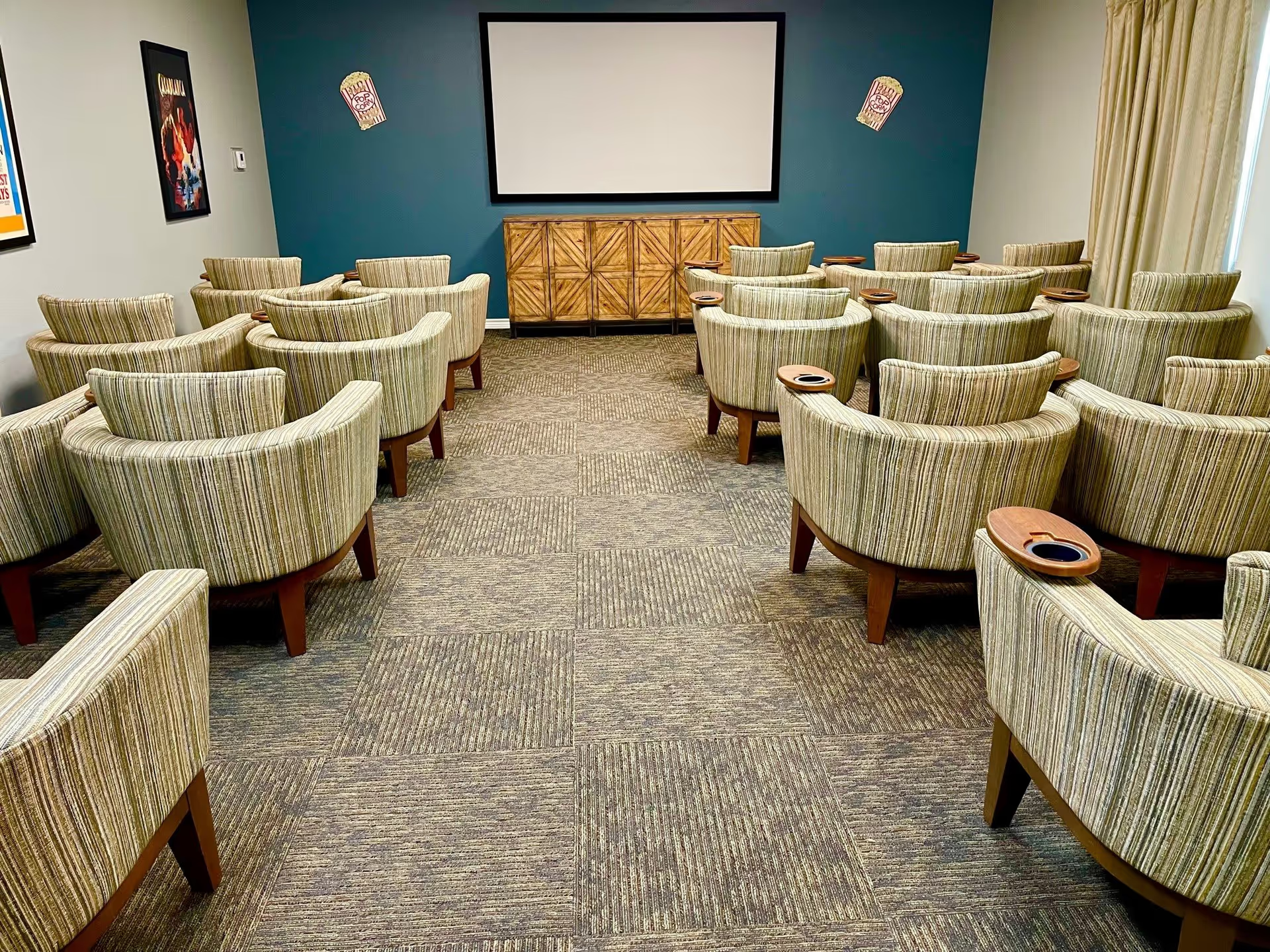
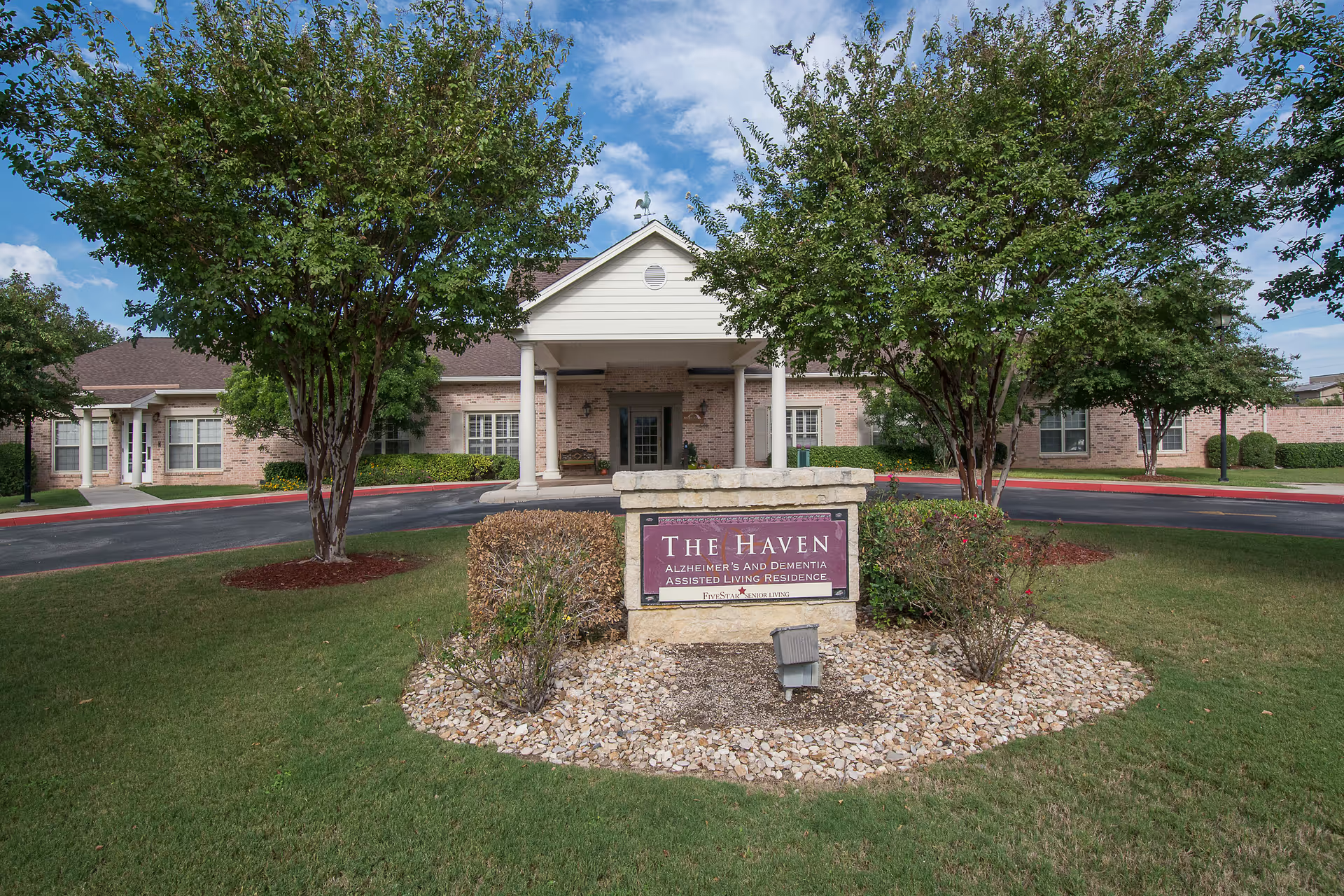
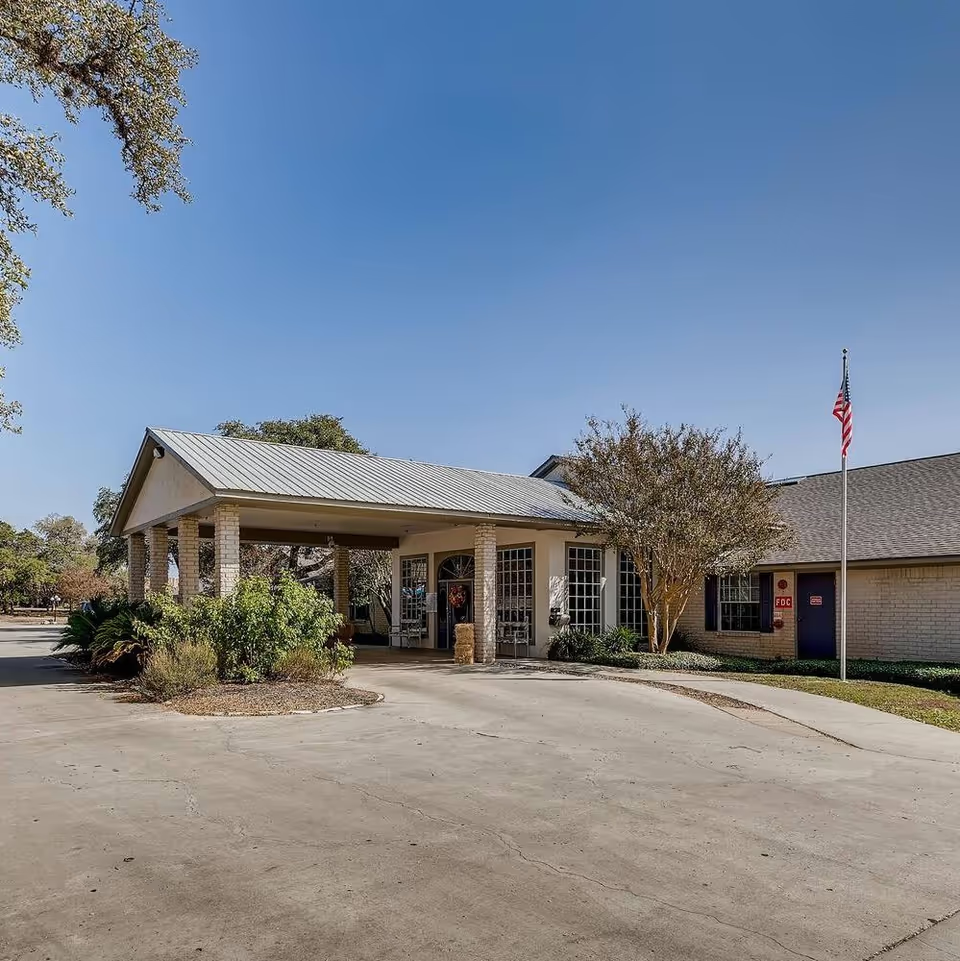
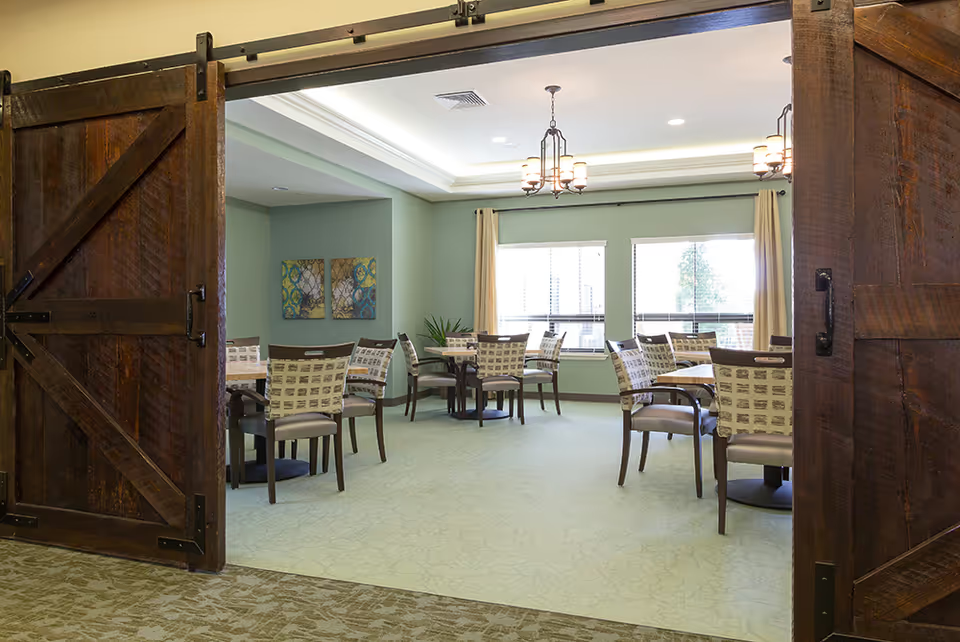
Sonterra Health Center elicits strongly polarized experiences: many families describe attentive, compassionate caregivers and an effective rehabilitation program, while other accounts identify significant operational weaknesses that affect safety and satisfaction. Positive accounts consistently highlight CNAs and therapy teams as strengths — reviewers attribute good rehabilitation outcomes, improved mobility and communication, and successful returns home to those clinical teams. Admissions and front-desk staff are frequently described as welcoming and helpful, and the facility offers amenities such as private rooms, visitor seating, a salon, and organized activities that support social engagement for many residents.
At the same time, a recurring pattern of inconsistent staffing and leadership emerges across reviews. Families describe variability in staff professionalism, communication tone, and response times; this inconsistency appears linked to high turnover, use of temporary staff, and uneven shift coverage. Clinical operational gaps are a central concern: reviewers cite delays in attending to resident needs, medication-management lapses and documentation issues, and weaknesses in transfer- and fall-prevention procedures. Several accounts describe events that suggest gaps in safety practices and clinical oversight, which contribute to perceptions of unreliable care for higher-acuity residents.
Dining and environmental issues show a similar split. Some reviewers praise the food and the cleanliness of public spaces, while others report inconsistent meal quality, cold or poorly presented meals, and sanitation concerns in resident rooms and bathrooms. Maintenance comments range from appreciation for a bright, well-kept lobby to reports of dated rooms, safety hazards, and recurring pest-control concerns. Activity programming and social opportunities are commonly mentioned as positive contributors to resident mood and engagement, although some families find activity participation and therapy delivery inconsistent, especially when staffing is thin.
Management and communication patterns vary across experiences. Several families report prompt administrative responsiveness and problem resolution, including direct outreach from leadership; other families describe poor follow-through on admissions, discharge coordination, billing, and therapy scheduling. Occasional serious individual claims, including medication administration concerns, are present in the feedback and have heightened family anxiety; these claims warrant careful inquiry and, if substantiated, regulatory attention. Overall, the facility demonstrates capability in rehabilitation and caregiving when staffed and supervised effectively, but persistent operational variability — staffing levels, clinical oversight, sanitation controls, meal-service consistency, and administrative follow-through — drives the polarized reviews.
For prospective residents and families: consider evaluating current staffing ratios, fall-prevention and medication-administration protocols, and recent inspection results during a visit. Ask for specifics about therapy schedules, staffing continuity, sanitation and pest-control measures, and examples of recent quality-improvement actions taken by leadership. When possible, request to speak with the unit nurse manager or director of nursing about supervision, handoff procedures, and how the facility handles clinical incidents and family communication to better understand how the facility addresses the operational weaknesses reflected in the feedback.