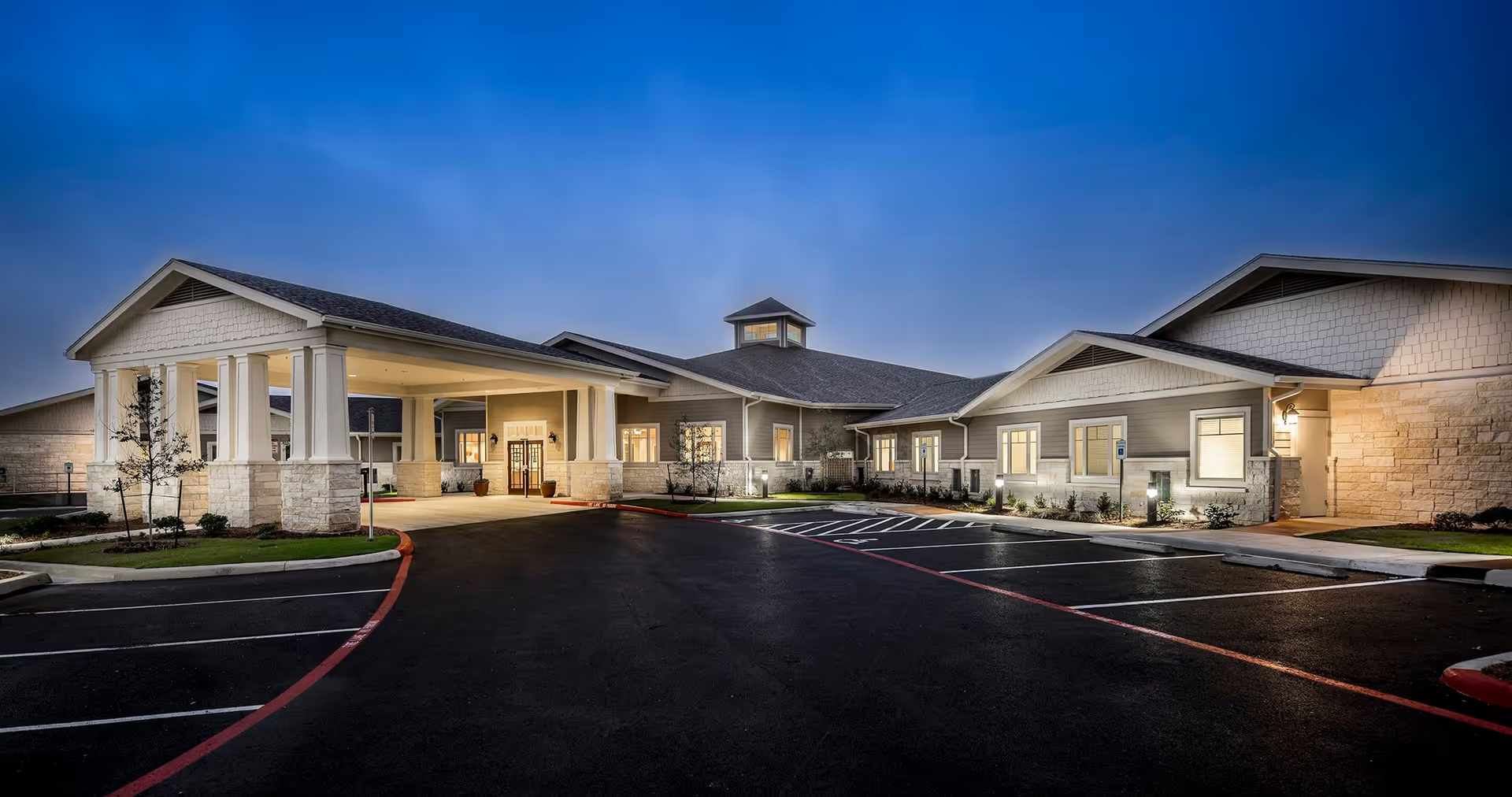
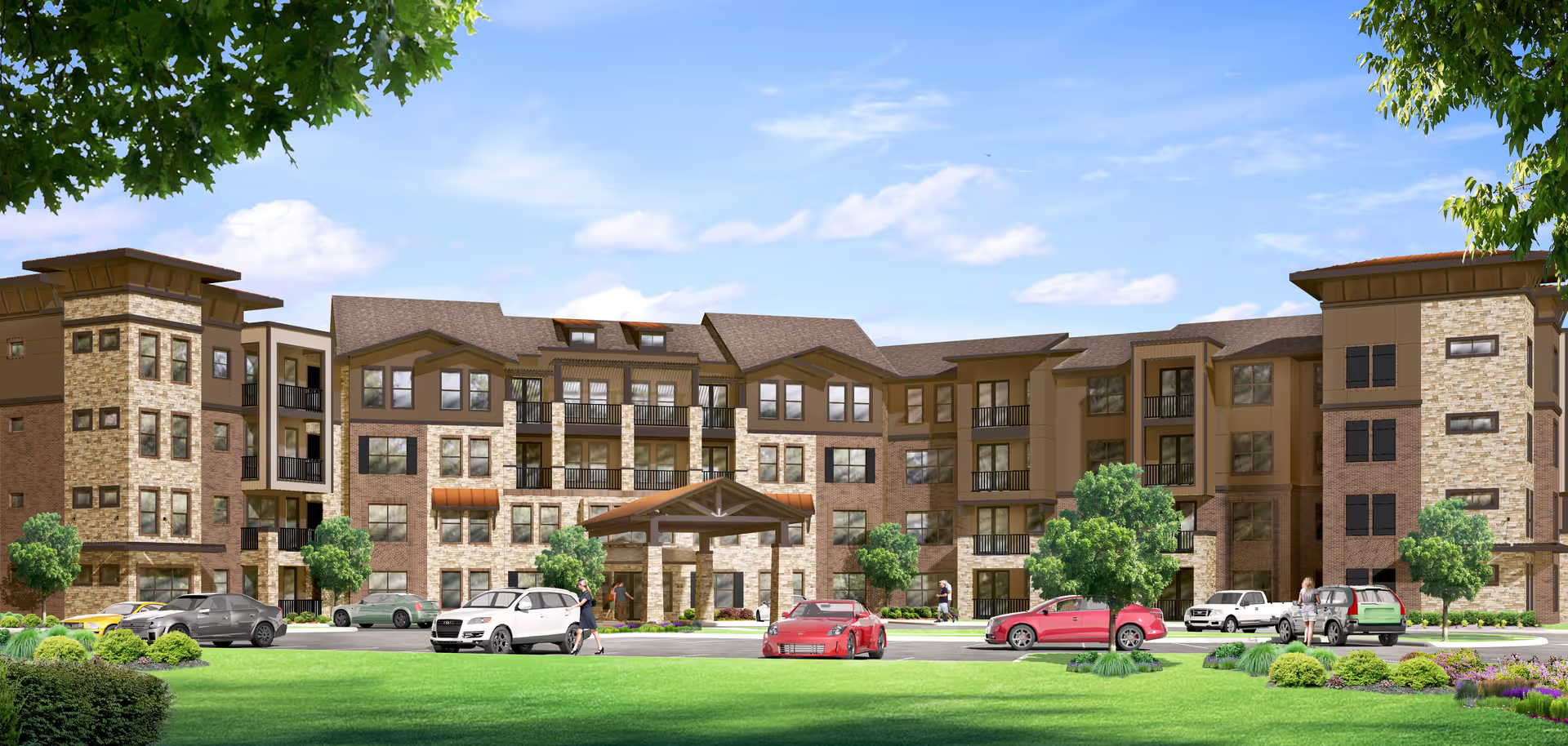
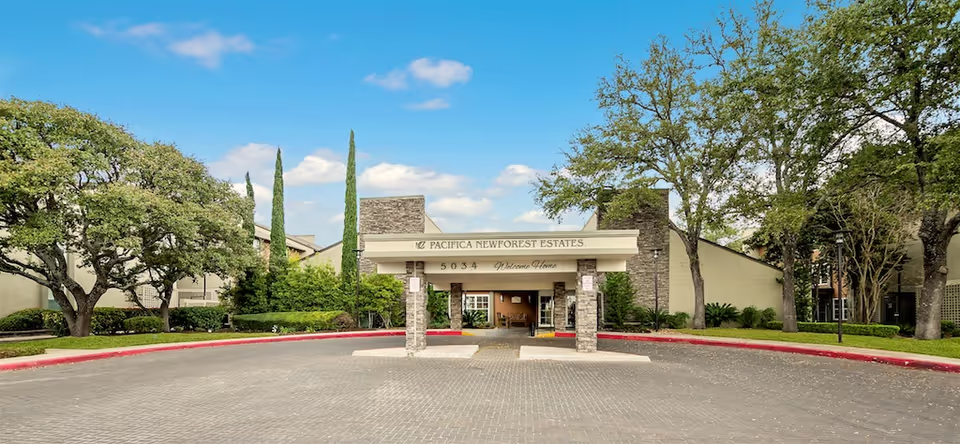
Overall impression: The Grandview of Westover Hills presents as a newer, well-appointed assisted living community with many features families find attractive: clean common areas, landscaped grounds and courtyards, a range of apartment layouts with kitchenettes, and on-site amenities such as a small theater, hairdresser, and garden spaces. Across numerous accounts, staff members are described as compassionate and personable, and many families credit the caregiving team and specific employees with improving residents’ mood and clinical status during residency or after admission.
Care and staff: Care quality is a mixed but largely positive theme. Many reviewers praise the hands-on caregiving staff, nursing oversight, and individualized attention; families describe staff who listen, are willing to explain care plans, and provide reassuring support during moves. At the same time, an important operational weakness appears repeatedly: perceived understaffing. Reviewers cite slow call-button response times, limited availability of aides, and an overall feeling that staff are stretched. That staffing shortage correlates with other issues — delays in assistance, inconsistent bathing or laundry schedules, and concerns about clinical services for residents with higher-level needs.
Dining and nutrition: Dining is frequently mentioned. Several families find the meals appealing, varied, and home-style, with alternatives available and structured meal times in communal dining rooms. Conversely, some reviewers report inconsistent food quality, bland or cold meals, and challenges accommodating dietary restrictions. Weight loss and dissatisfaction with specific meal experiences were raised in individual accounts; these point to variability in kitchen operations and the need for clearer dietary accommodation processes.
Activities and social life: Activity programming is a consistent strength. The community offers a substantial calendar — bingo, movie nights, arts and crafts, themed events, barbecues, and holiday celebrations — and many residents are described as engaged and cheerful. A minority of accounts describe limited activity visibility or fewer social opportunities for some residents, which can contribute to feelings of isolation; this suggests uneven activity outreach or participation rather than an absence of programming.
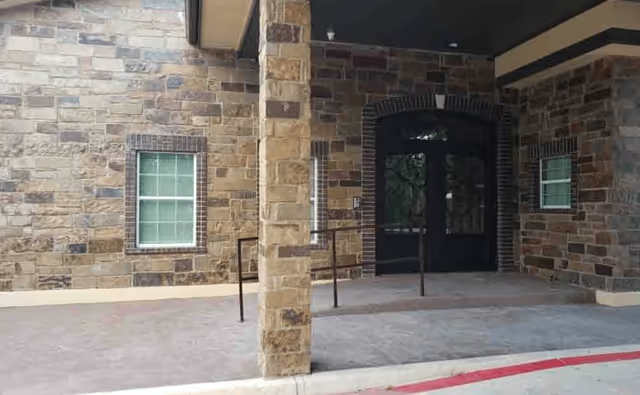
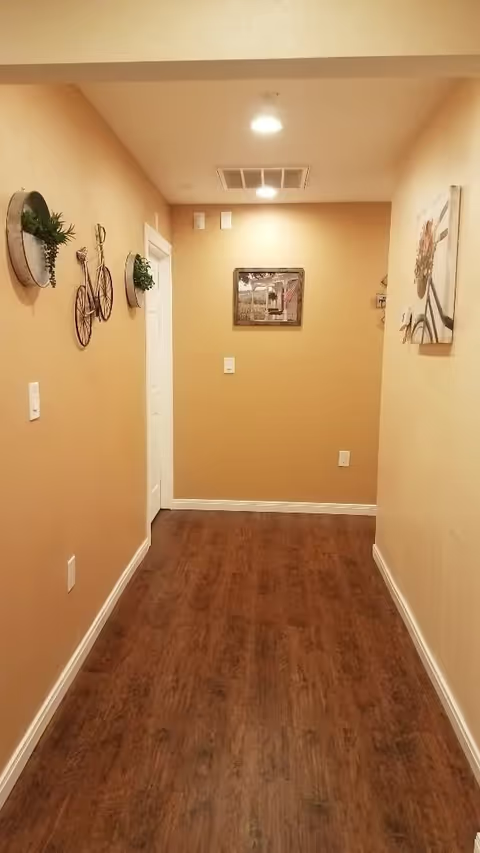
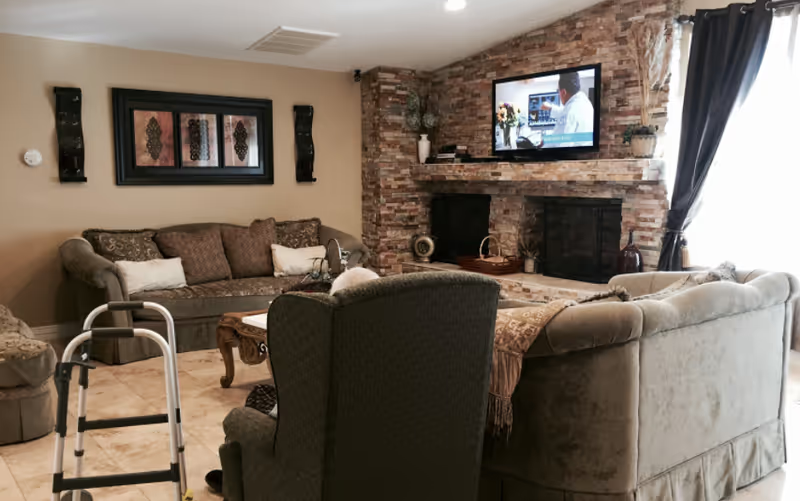
Facilities and amenities: The facility’s physical plant receives strong marks: new, clean, tastefully decorated spaces, accessible apartments with large windows and natural light, and multiple amenity areas. Apartment features such as kitchenettes, full-size refrigerators, and wheelchair accessibility are cited positively. Some reviewers note that individual apartments suffered housekeeping inconsistencies (unswept floors, bathroom sink issues), indicating variability in in-unit maintenance versus generally well-kept common spaces.
Management and administration: Administrative feedback is mixed and represents a key decision factor for families. Positive comments highlight helpful move-in assistance, proactive managers, and staff who ease the transition. Negative themes include billing errors (double charges, unclear or unitemized bills), lapses in corporate communication, and concerns about property management practices. Leadership transitions have been noted; while some families view recent leadership changes as promising, others describe periods of disorganization tied to turnover. There are also occasional allegations of misplaced personal items and gaps in laundry handling, which reflect operational controls that may need strengthening.
Notable patterns for prospective residents: The overall pattern is polarized — many families report high satisfaction with care, amenities, activities, and cleanliness, while a smaller but consequential set of accounts raises operational and clinical-capability concerns. If a prospective resident requires higher-acuity clinical services (for example, insulin administration without home health), families should verify clinical scope and staffing. Likewise, confirm billing practices, laundry/personal-belonging procedures, and expected response times for assistance. Location and pricing are additional practical considerations: the Grandview is newer and often perceived as a premium option, which may be an affordability or travel factor for some families.
Bottom line: The Grandview of Westover Hills offers strong physical amenities, a robust activity program, and many compassionate frontline caregivers. However, operational traits such as staffing levels, consistency of in-unit housekeeping, dining accommodations, and administrative billing processes show variability and merit direct clarification during tours and contract discussions. Families should weigh the facility’s environment and staff strengths against these operational considerations and confirm specifics about clinical capabilities, staffing patterns, and billing transparency before committing.