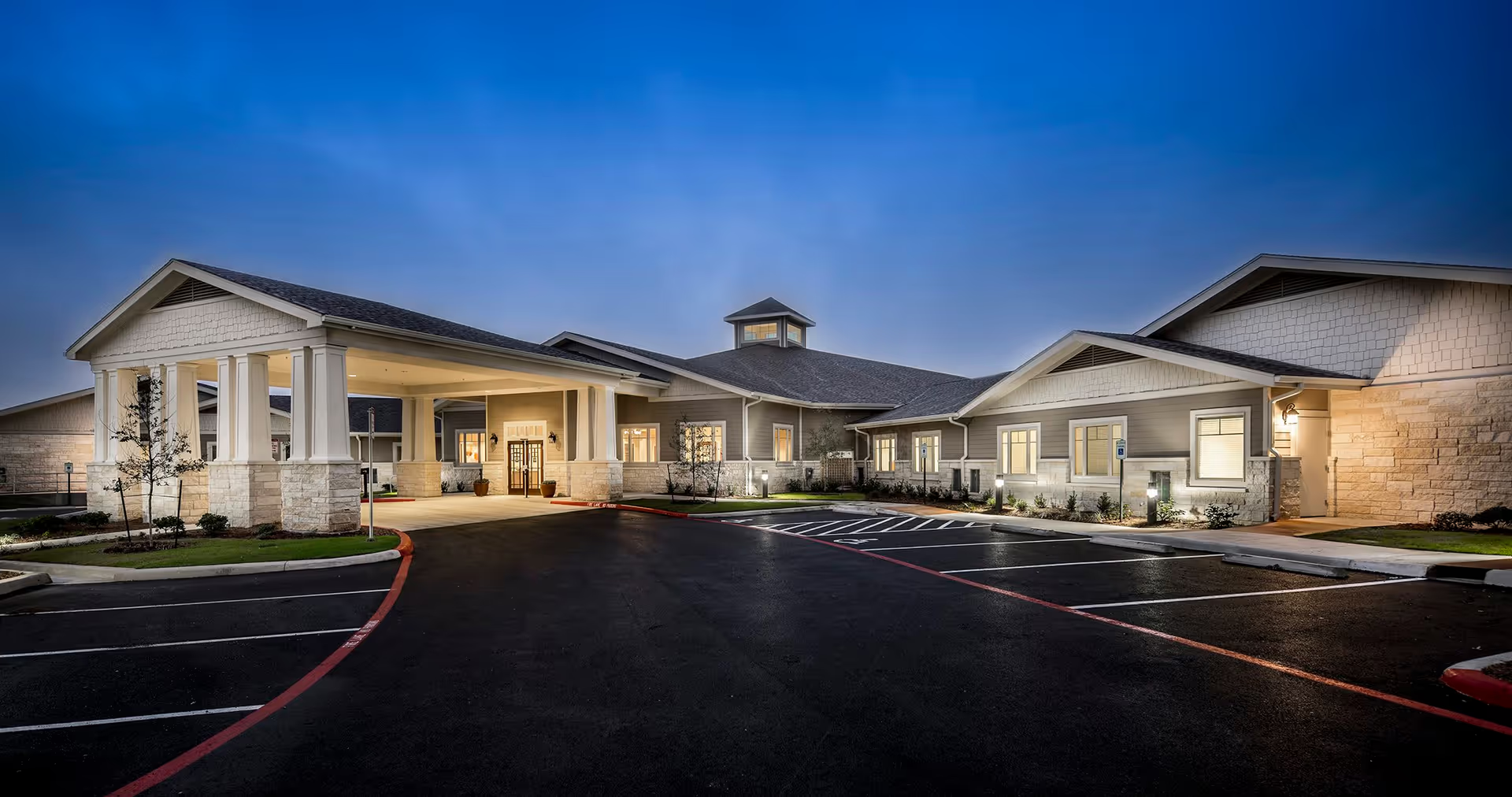
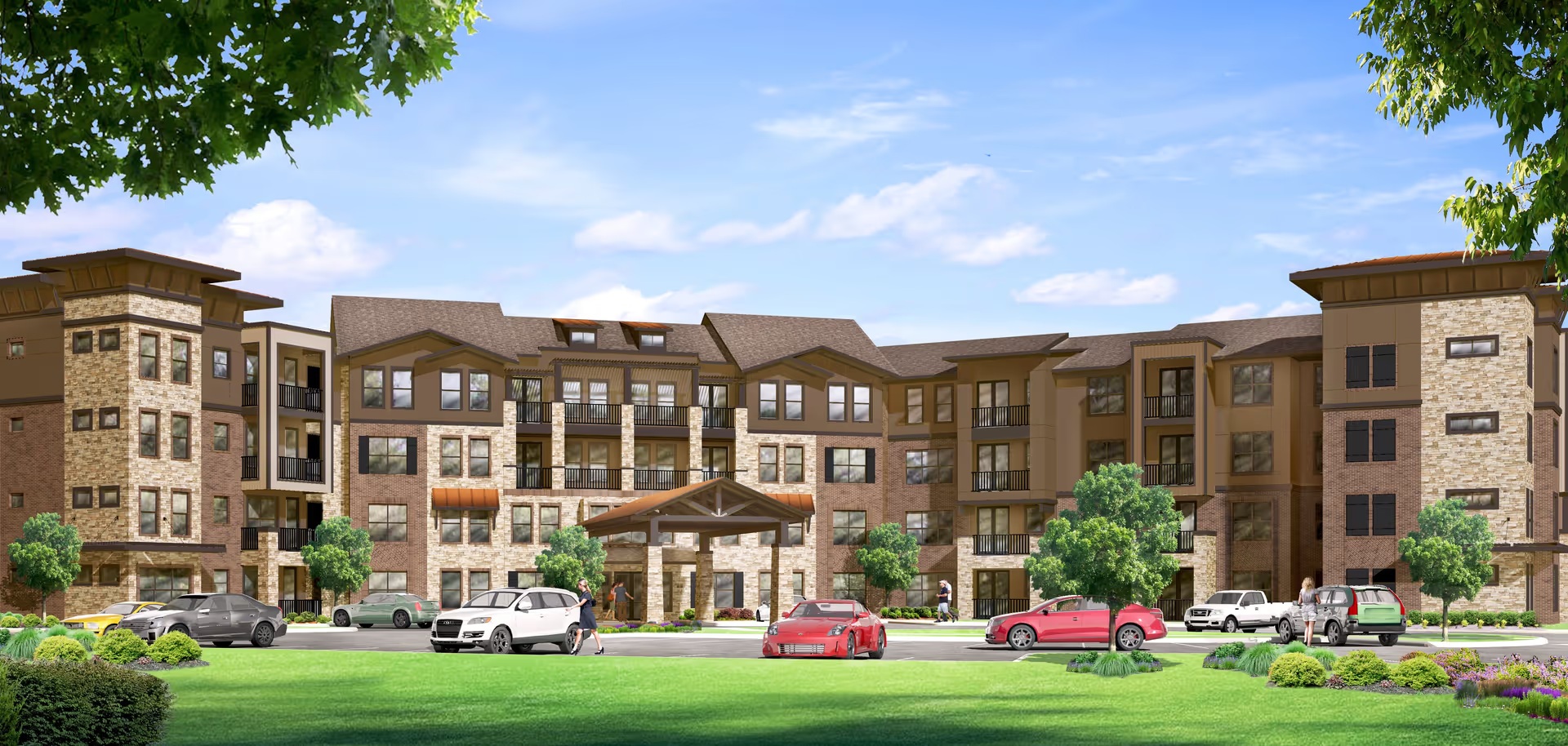
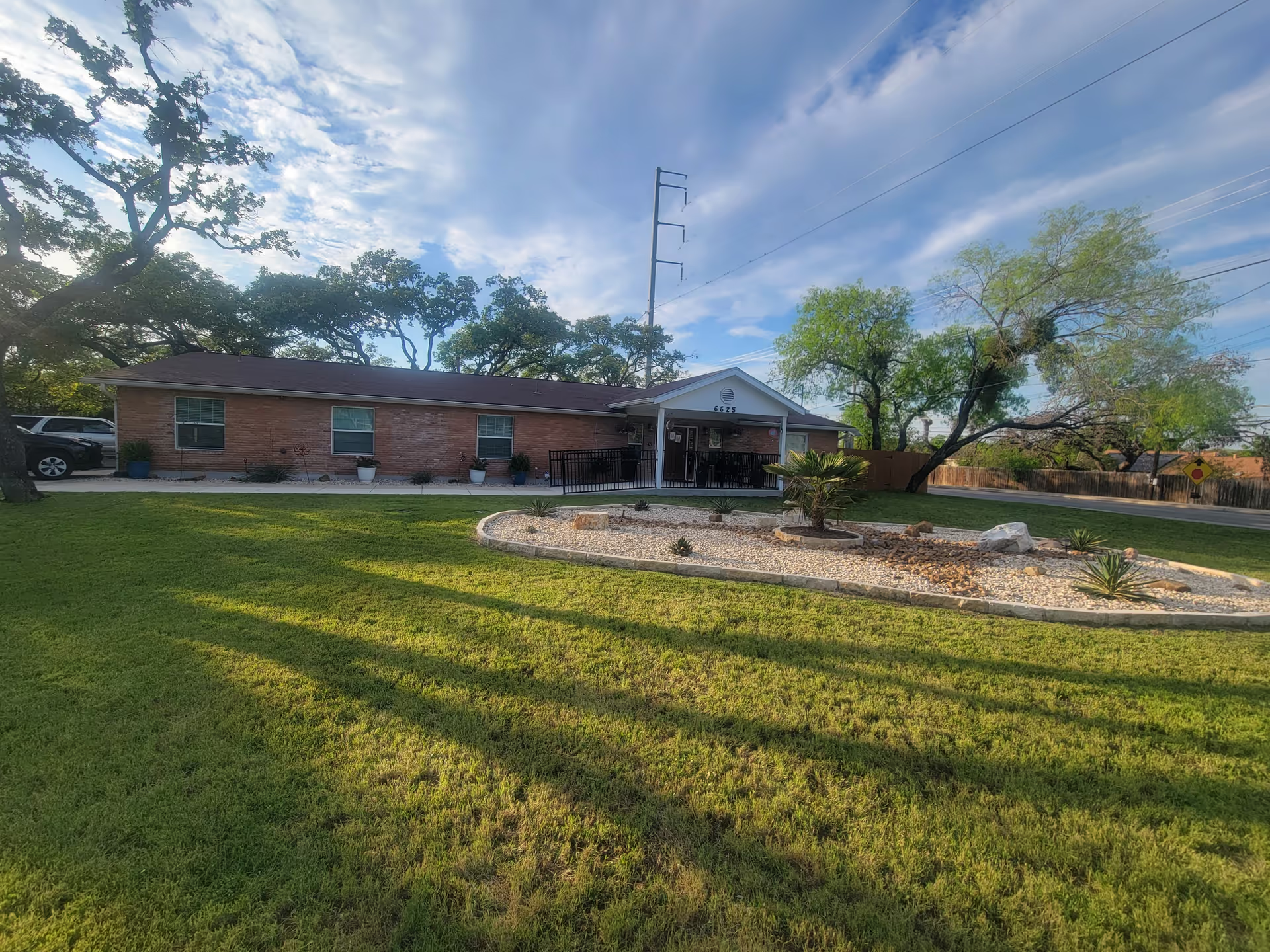
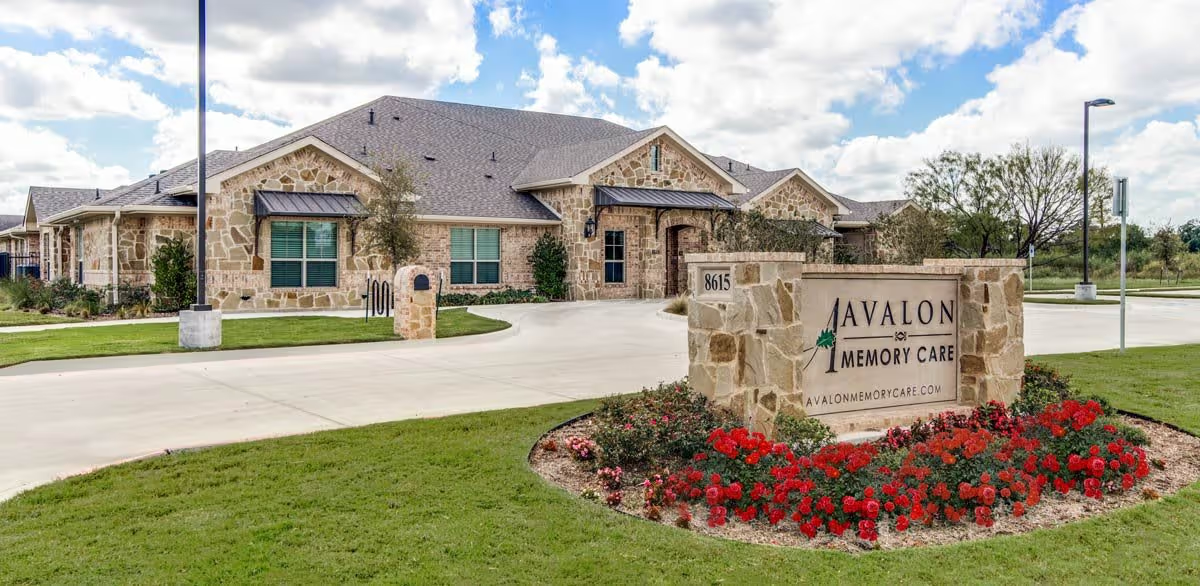
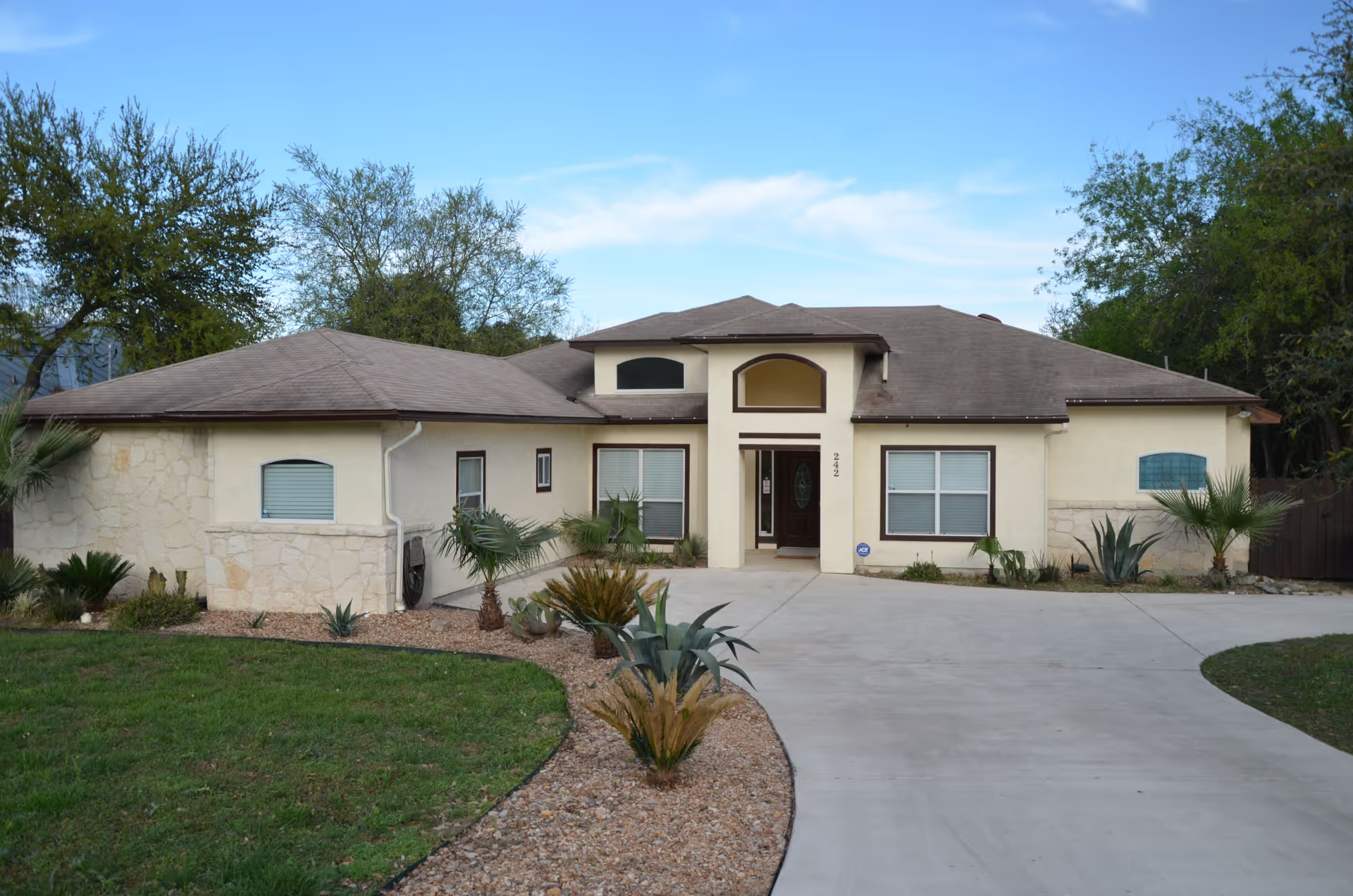
The reviews present a polarized but consistent set of themes: many families and former patients describe a clean, well-appointed facility with strong therapy services and staff members who are caring, competent, and personable. Physical, occupational, and speech therapy are frequently cited as strengths, with well-equipped therapy rooms and group offerings that supported successful rehabilitation outcomes. Multiple reviewers praised admissions and front-desk staff for efficient intake, and a number of accounts describe coordinated care-planning, accessible on-site physician/lab services, and compassionate hospice or wound-care support.
Despite these positives, a sizeable subset of reviews identifies operational weaknesses that materially affect quality of care. The most common operational concern is inconsistent staffing: understaffing and shift-coverage gaps are linked to slow responses to call lights and alarms, missed or delayed personal-care tasks, and delayed assistance with mobility. Reviewers also raised concerns about medication administration and monitoring, inconsistent bathing and toileting assistance, and uneven wound and skin care practices. These issues tend to cluster around busy periods and shift changes, suggesting that staffing patterns and handoff processes are important drivers.
Communication and management practices are another frequent theme. Several families noted gaps in communication between shifts and limited responsiveness to family calls, as well as inconsistent follow-through when issues were escalated. There are also recurrent comments about variable staff professionalism and tone — many individual staff members were singled out for praise, while others were described as curt or unhelpful. A smaller but serious subset of accounts includes billing and property-accountability concerns (missing items, unclear financial transactions) and allegations of incidents that have drawn regulatory attention; these items point to uneven administrative oversight.
Dining and resident life receive mixed feedback. Numerous reviewers praised activities, social programs, and resident engagement — bingo, church services, live performances, and creative therapy options were highlighted. At the same time, food quality and dietary accommodation were described as inconsistent across reports. Facility cleanliness and appearance are commonly mentioned as positives, though sanitation and odor concerns in some rooms or common areas were raised in other reviews, indicating variability in housekeeping performance.
Taken together, the pattern is one of a facility capable of delivering high-quality rehabilitation and compassionate, exemplary care in many cases, but with operational vulnerabilities that can lead to lapses in basic service and safety when staffing, communication, or management oversight are strained. Prospective residents and families considering placement may want to ask specific questions about current staffing ratios, call-response times, medication administration protocols, wound-care processes, dining accommodations, and recent state inspection or incident records to better understand how the facility is performing at the time of their decision.