Overall impression: Reviews present a mixed but coherent picture: many families praise interpersonal care, communication, and programming, while a smaller set of concerns point to operational and facility-level weaknesses. The community is described as small and comfortable with attentive staff and active volunteer involvement; at the same time reviewers flagged issues that prospective residents and families should evaluate during a visit.
Care quality and clinical concerns: Numerous comments highlight compassionate, professional caregivers and the presence of on-site hospice support, including staff who facilitated end-of-life arrangements and family reunions. However, a subset of accounts raises concerns about medication oversight and nutrition monitoring. These indicate potential variability in clinical-management practices or documentation rather than uniformly poor care; nonetheless, medication-management protocols and meal/weight-monitoring processes are areas to investigate further with management.
Staff and management: Staff are frequently described as friendly, informative, and dedicated; specific staff members and the activity director received positive mention for their responsiveness and compassion. Conversely, reviewers noted difficulties distinguishing staff from residents because of limited identification measures and inconsistencies in role visibility. Management communication appears strong in many cases (regular updates to families), but there are also references to uneven clinical-response and care-transition practices, including hospital transfers that influenced family decisions about continued placement.
Dining and activities: Activity programming is a clear strength—organized social events such as bingo, regular services, and accessible common-area amenities (TVs, chapel) contribute to resident engagement. Direct evidence on meal quality is limited in the dataset, but the nutrition-monitoring concern suggests families should ask about menu planning, assistance during meals, and weight/meal-tracking procedures during a tour.
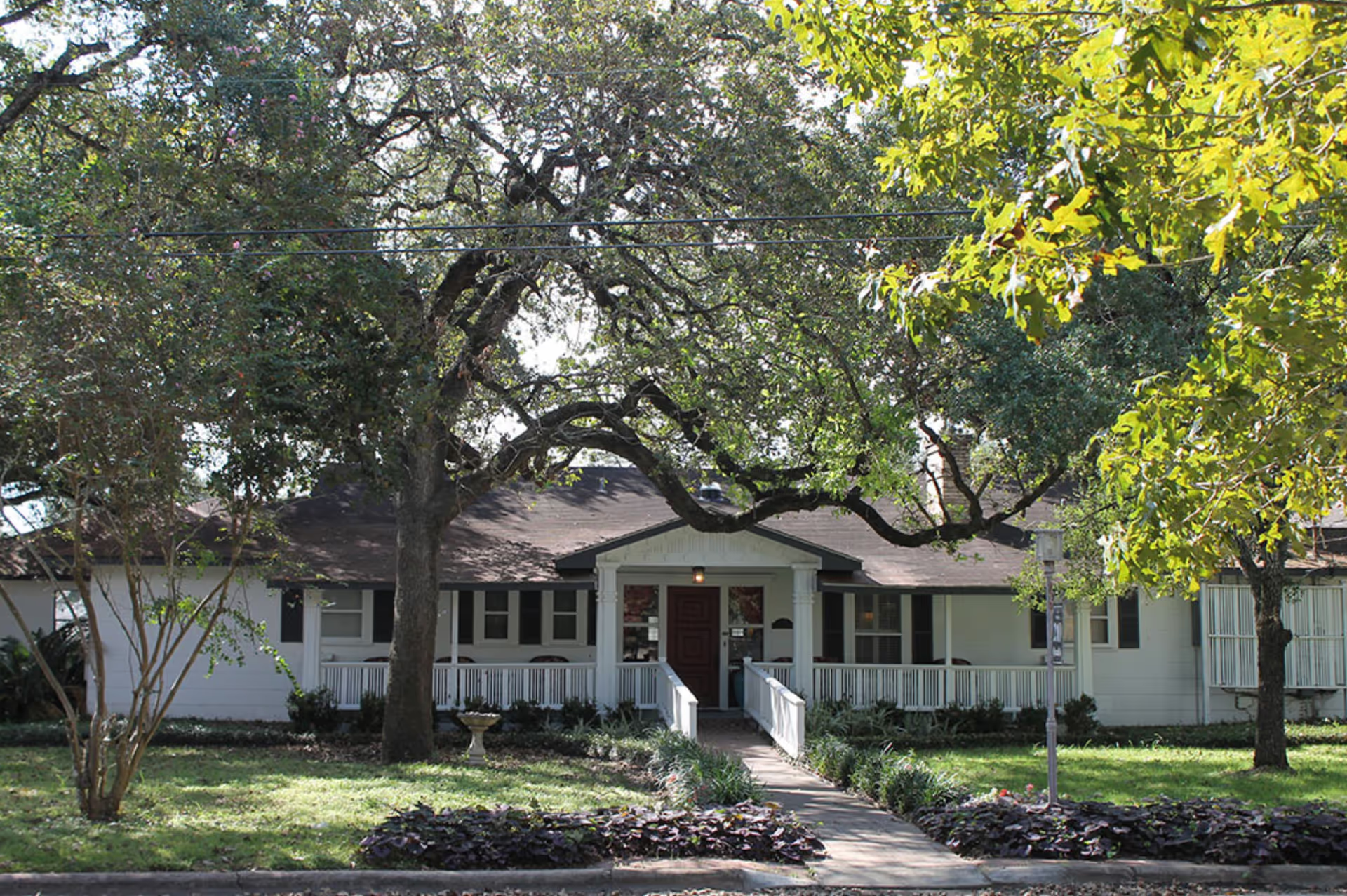
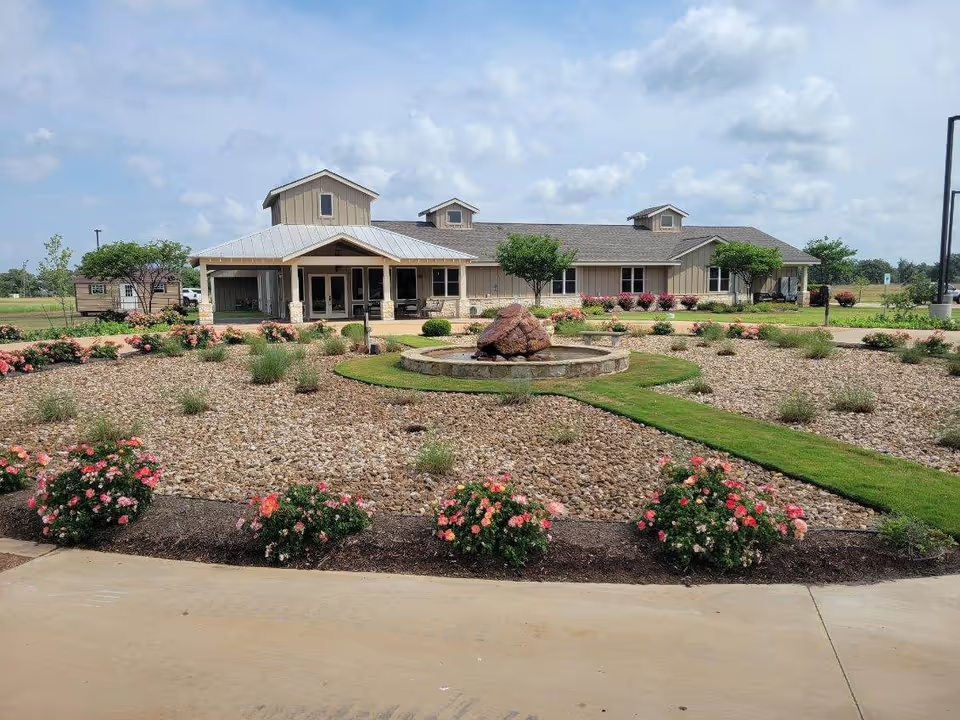
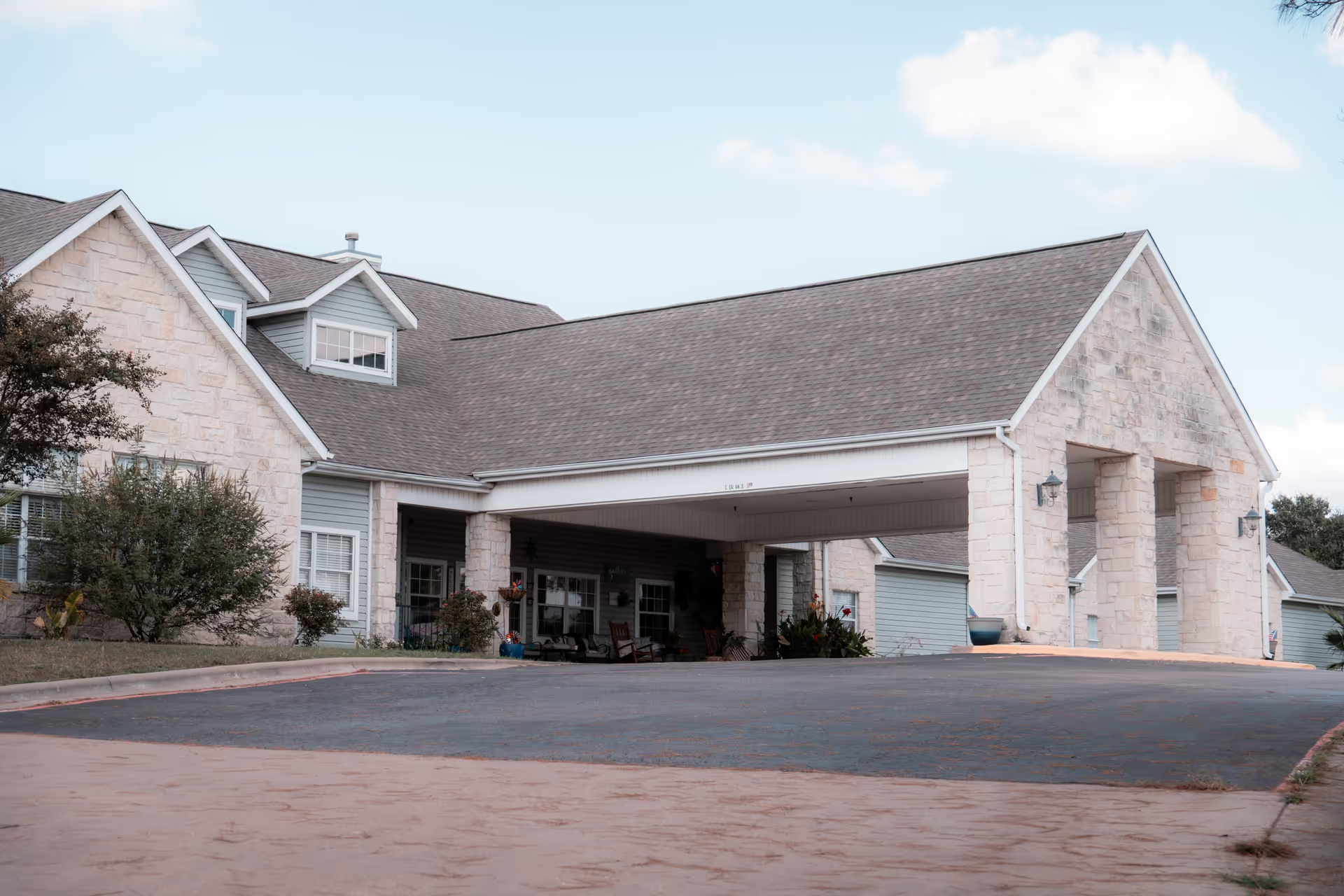
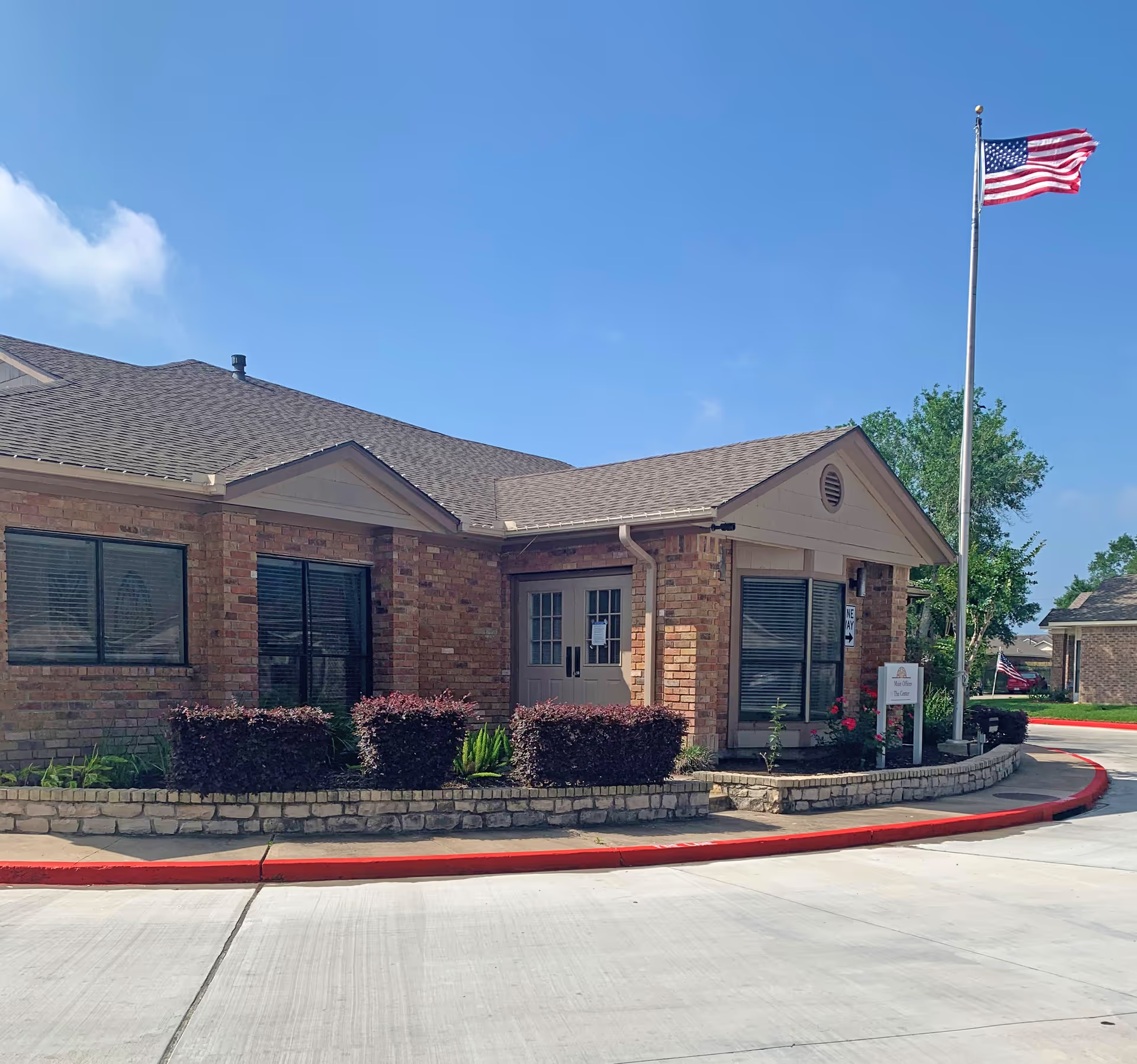
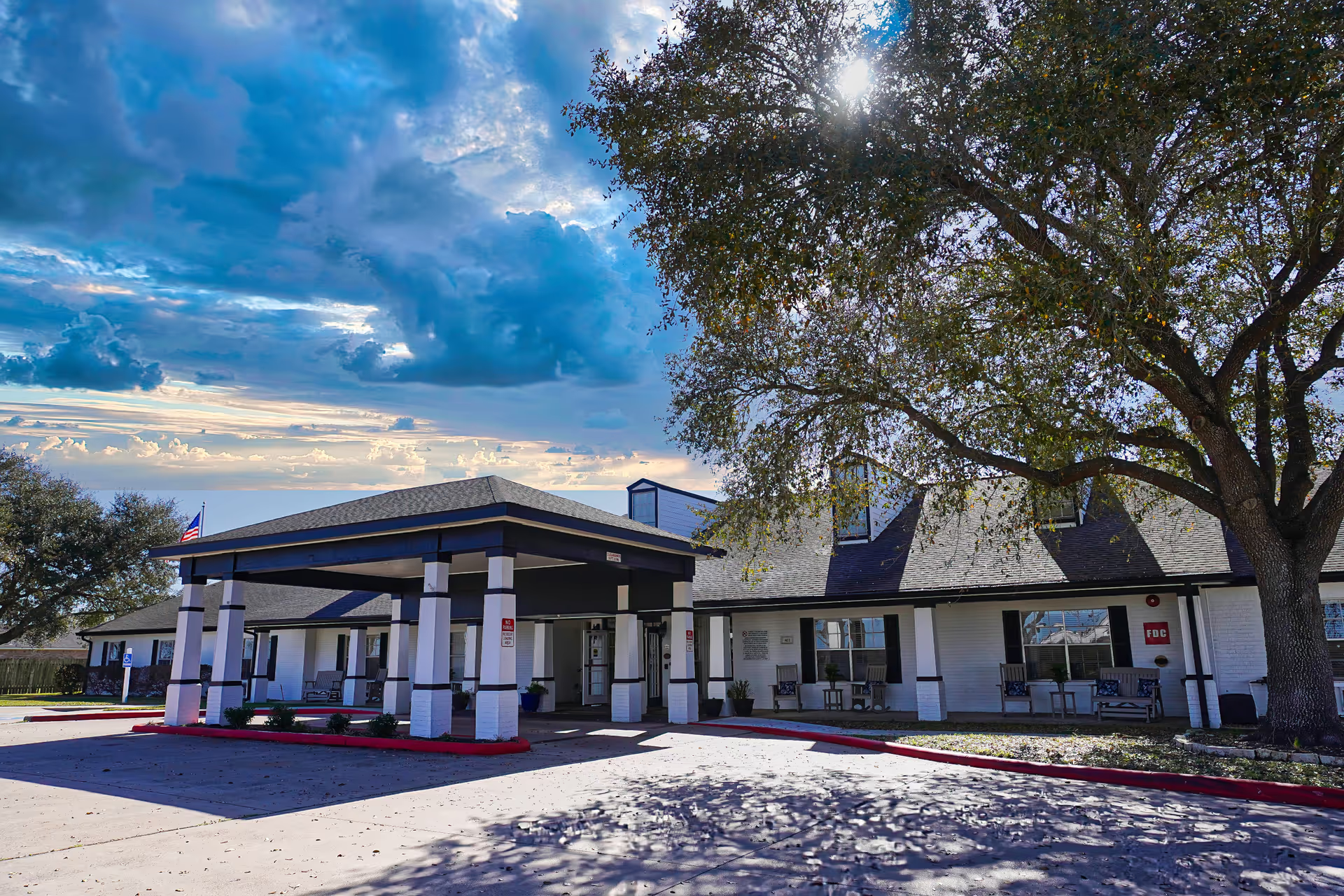
Facilities and environment: Several reviewers called the facility clean and comfortable, describing it as a small, homelike setting. At the same time there are repeated references to an aging physical plant that would benefit from renovation and to odor concerns in some areas. Prospective visitors should assess areas across multiple times of day to get a realistic sense of cleanliness, ventilation, and ongoing maintenance efforts.
Notable patterns and recommendations for families: The dominant pattern is one of strong relational care and programming paired with some operational gaps—particularly around medication management, nutrition monitoring, staff identification, and physical upkeep. When evaluating this community, ask management for written protocols on medication administration and monitoring, meal supervision and weight tracking, staff identification/badging policies, recent maintenance or renovation plans, and examples of how clinical incidents and hospital transitions are handled and communicated to families. A focused tour that includes the memory-care unit and conversation with nursing leadership and the activity director will help clarify whether the facility’s strengths align with a prospective resident’s needs.