Argent Court presents as a warm, family‑oriented assisted living community with several clear strengths and a handful of operational gaps to consider. The dominant reviewer theme is consistently positive staff-resident relationships: caregivers are described as compassionate, attentive, and willing to provide personalized attention. Families described supportive end-of-life care and staff who make extra time for residents, suggesting strong strengths in bedside manner, emotional support, and individualized care planning. Medication administration and help with activities of daily living such as showers are also noted as regular services.
Dining and activities are clear assets. The dining room is described as pleasant, with high-quality, flavorful food offered in generous portions; several accounts emphasize an enjoyable meal experience and a social dining atmosphere that helps curb isolation. A broad activities program includes exercise classes, arts and crafts, bingo, dominos, sing‑alongs, church devotions, and themed social events. These offerings, along with on-site amenities such as a library and beauty shop, support social engagement and recreational variety for residents.
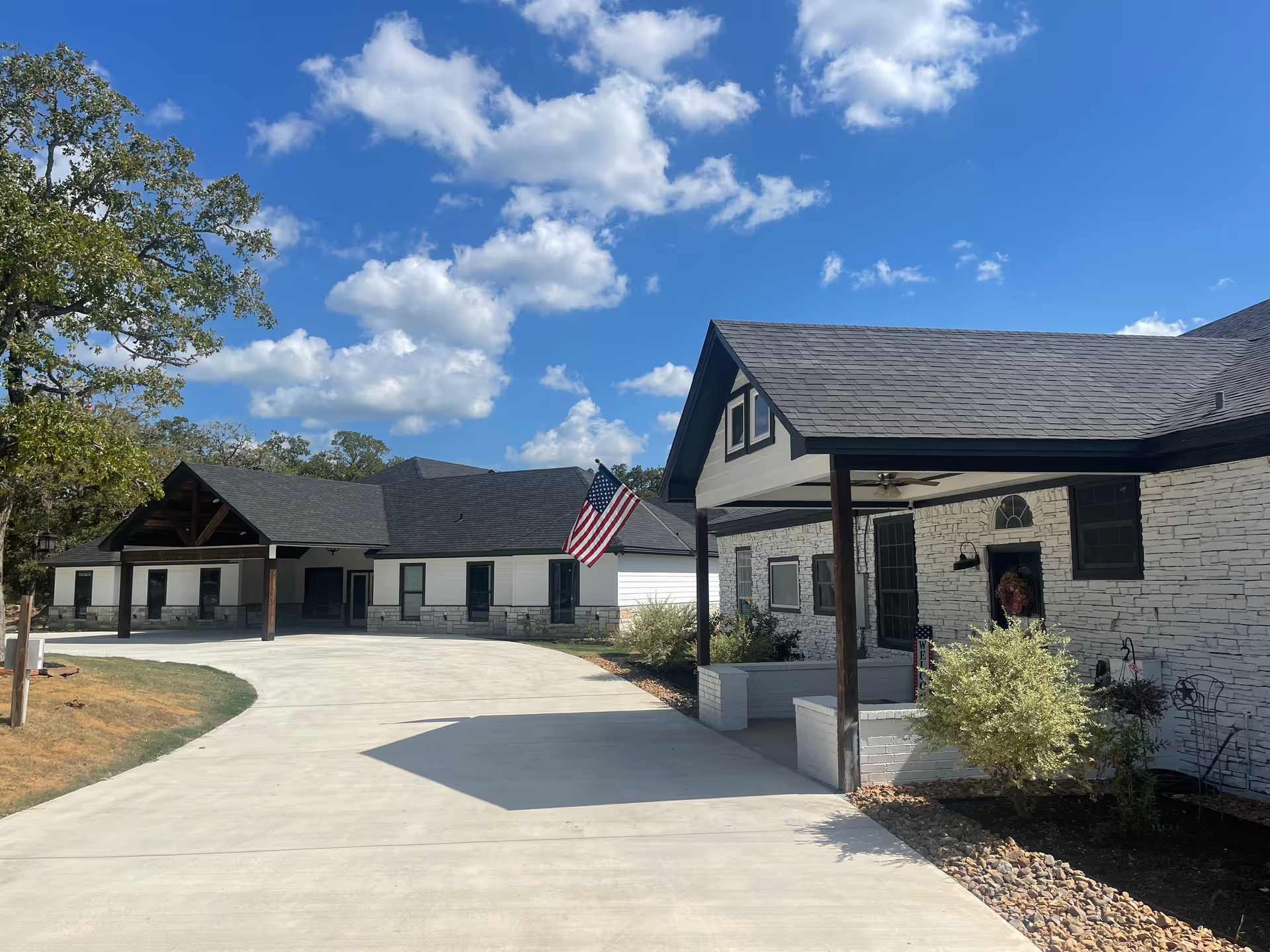
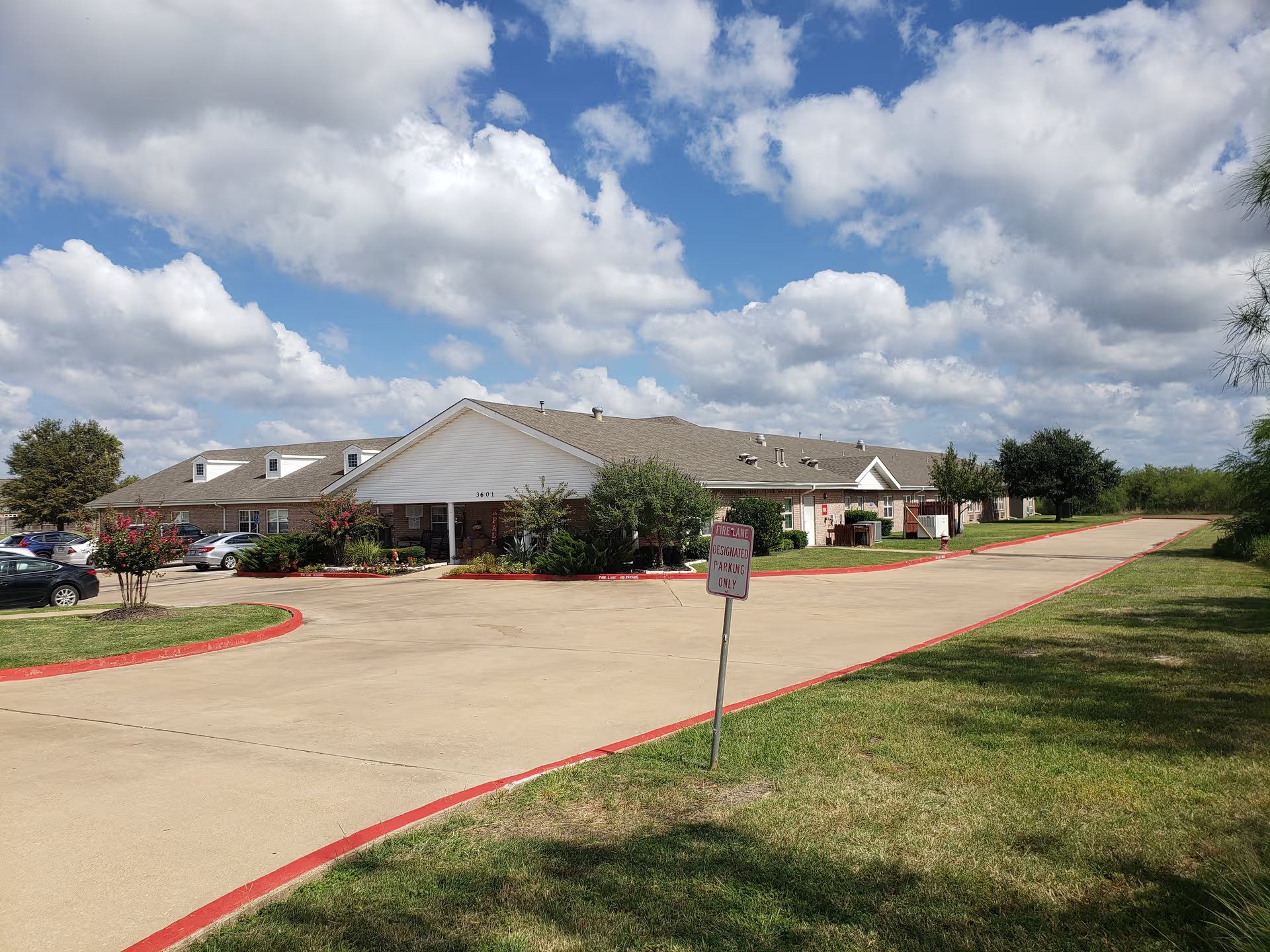
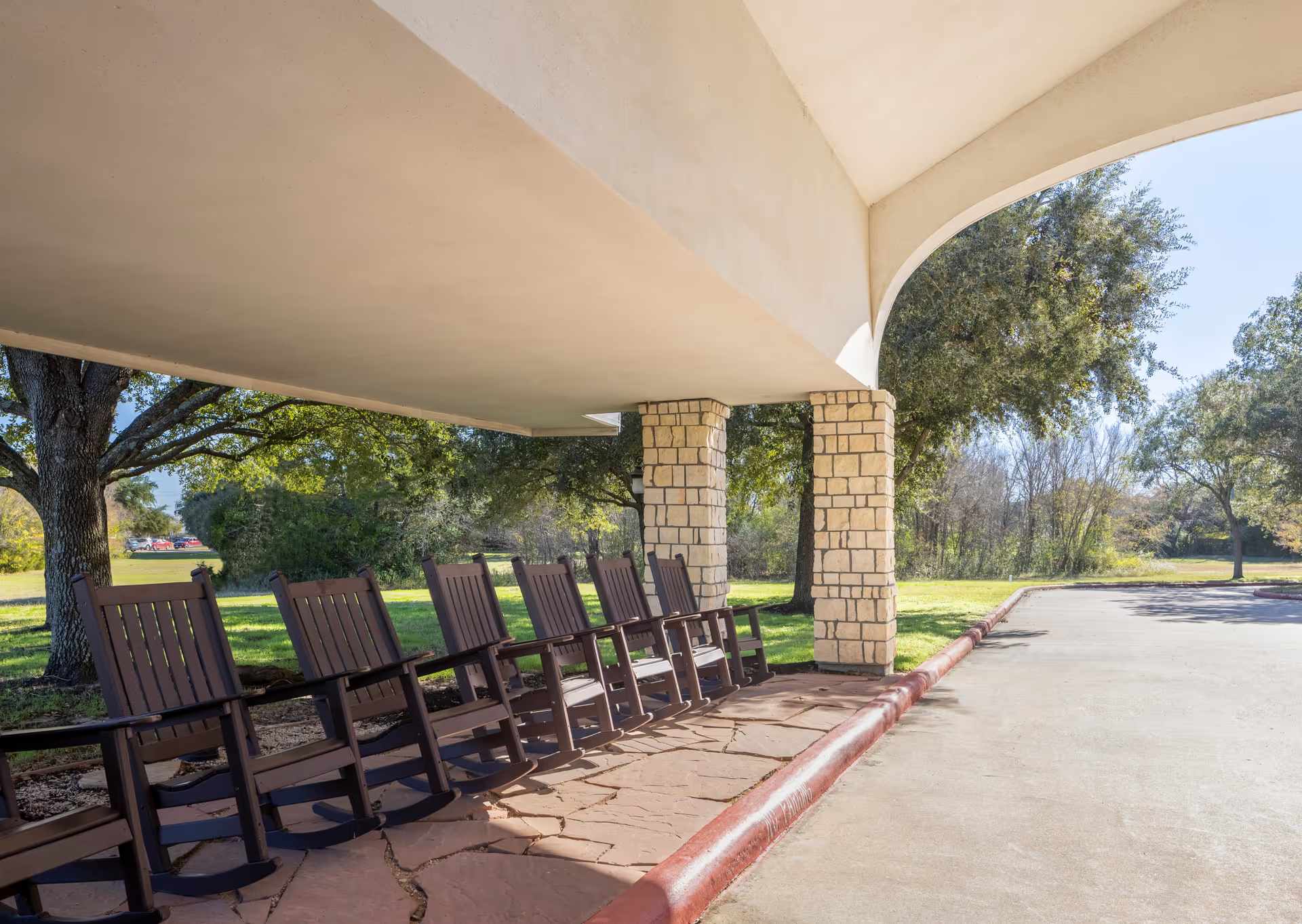
Facility features receive mixed but generally favorable commentary. Interiors and common areas are frequently described as clean, homelike, and well kept, with a central courtyard, gazebo, and multiple gathering spaces that enhance resident interaction. Unit configurations include multiple apartment sizes and private bathrooms, some with walk‑in showers and living-room/bedroom separations. At the same time reviewers note that parts of the building are older and some units feel small or shopworn; exterior and outdoor-area refurbishing are identified as ongoing needs.
Operational and management patterns are the primary areas of concern. Consistent themes point to staffing instability and turnover, and intermittent delays in responding to resident needs or returning family calls. There are also specific operational gaps cited — for example, limited availability of basic clinical or first-aid supplies at times, inconsistent housekeeping in certain areas, and extra charges for services such as meal delivery that affect overall affordability. Accessibility issues in outdoor seating and occasional rigid visitor policies (including restrictions on children) were raised as constraints on family interaction.
Overall, Argent Court appears to deliver strong person-centered care, robust programming, and a comfortable dining and social environment, making it a good fit for families prioritizing compassionate staff and active social life. Prospective residents should balance those strengths against operational considerations: ask about current staffing levels and turnover, clarify how the community handles clinical supplies and urgent wound or first‑aid needs, review unit sizes to ensure they meet space expectations, and confirm visitor policy flexibility and any extra fees. Those steps will help identify whether the facility’s strengths align with a specific resident’s clinical and lifestyle priorities.