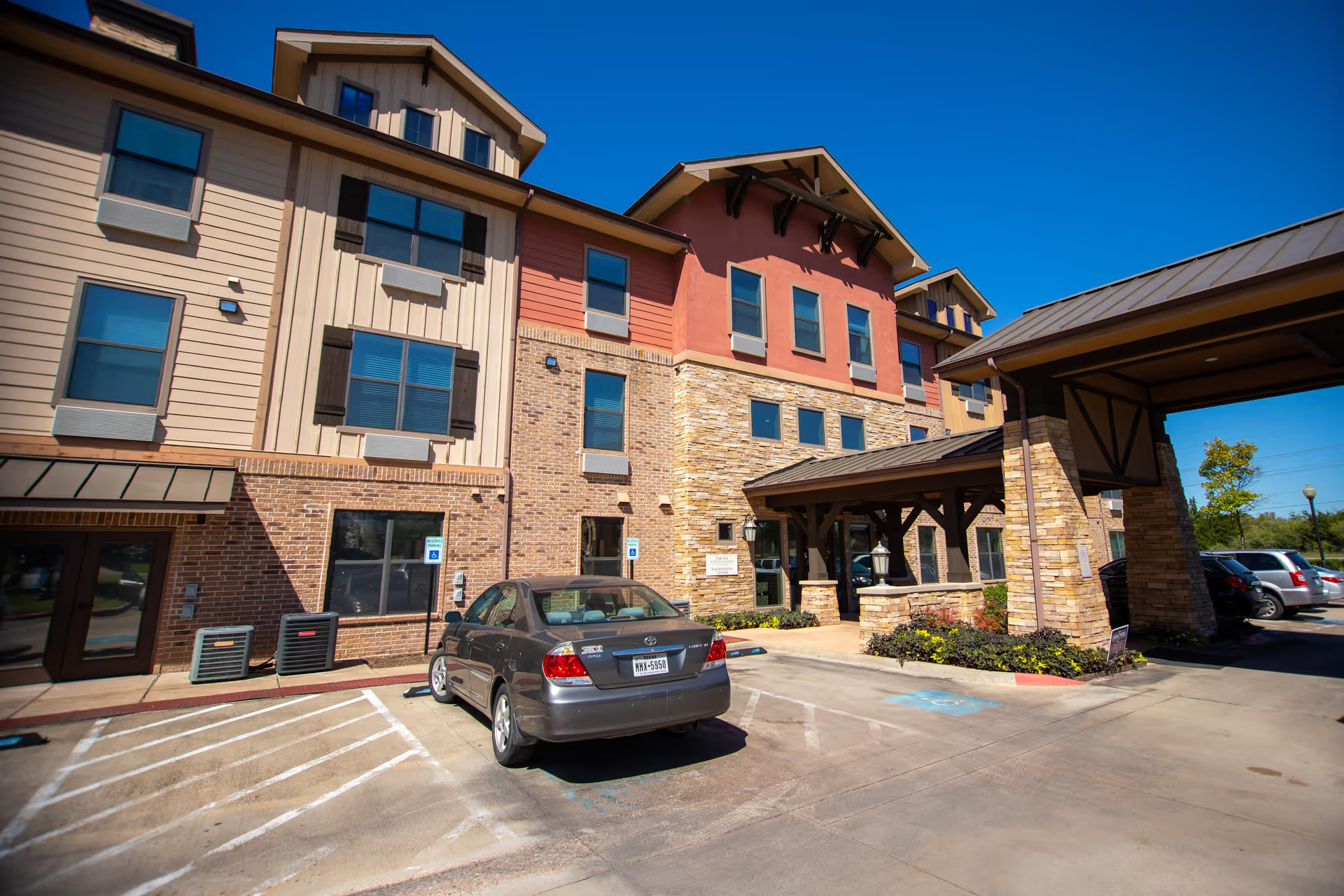
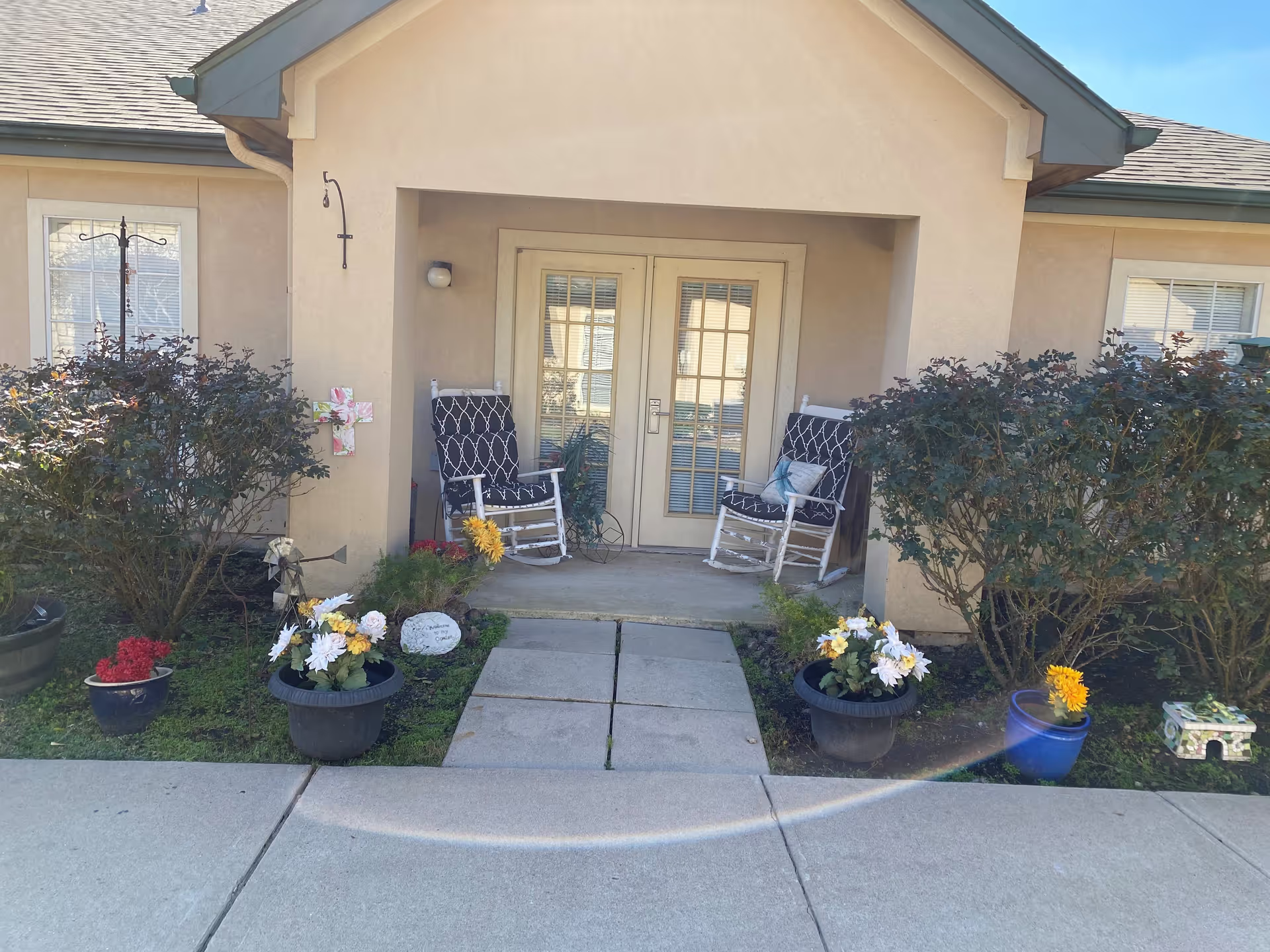
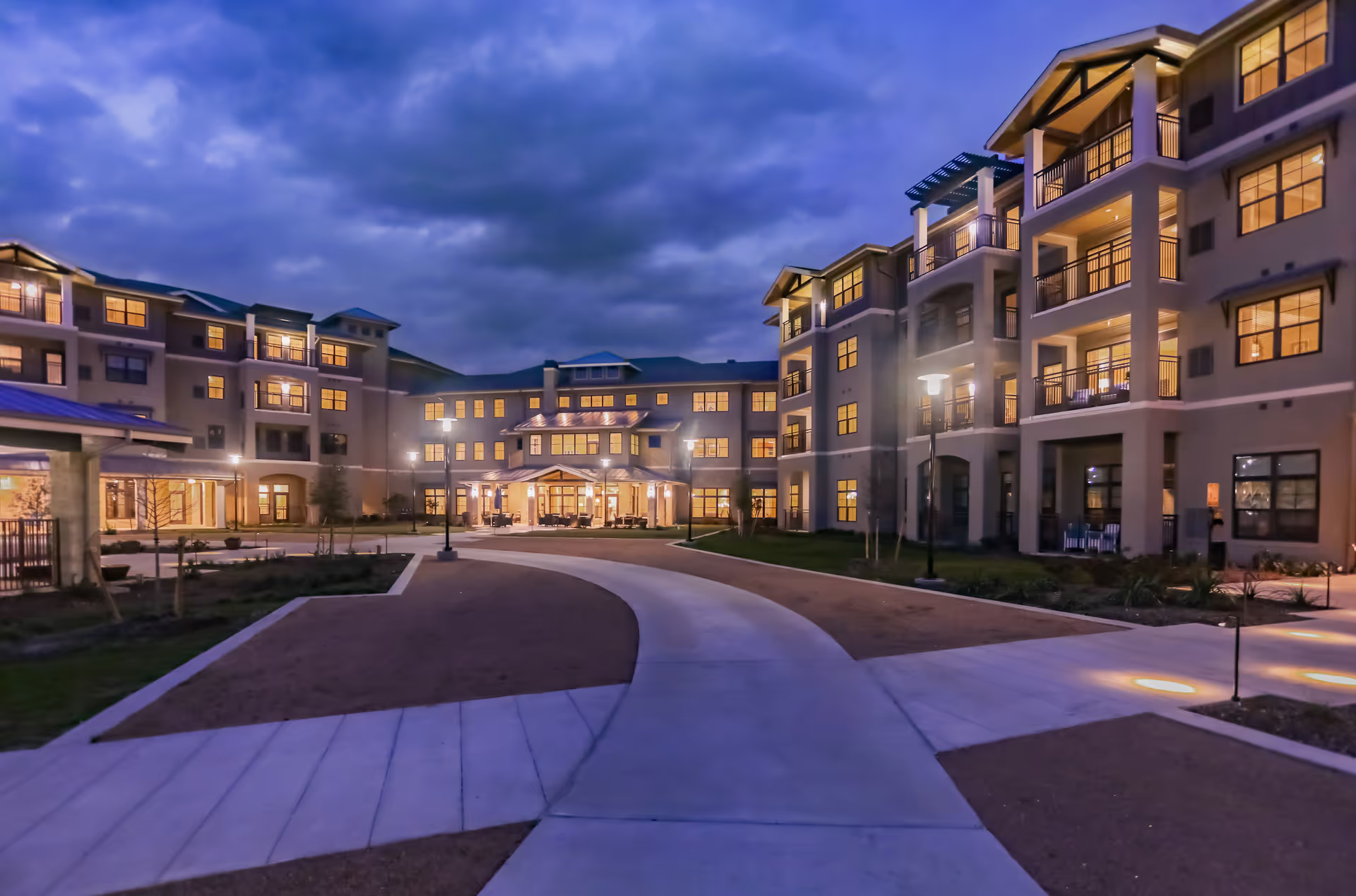
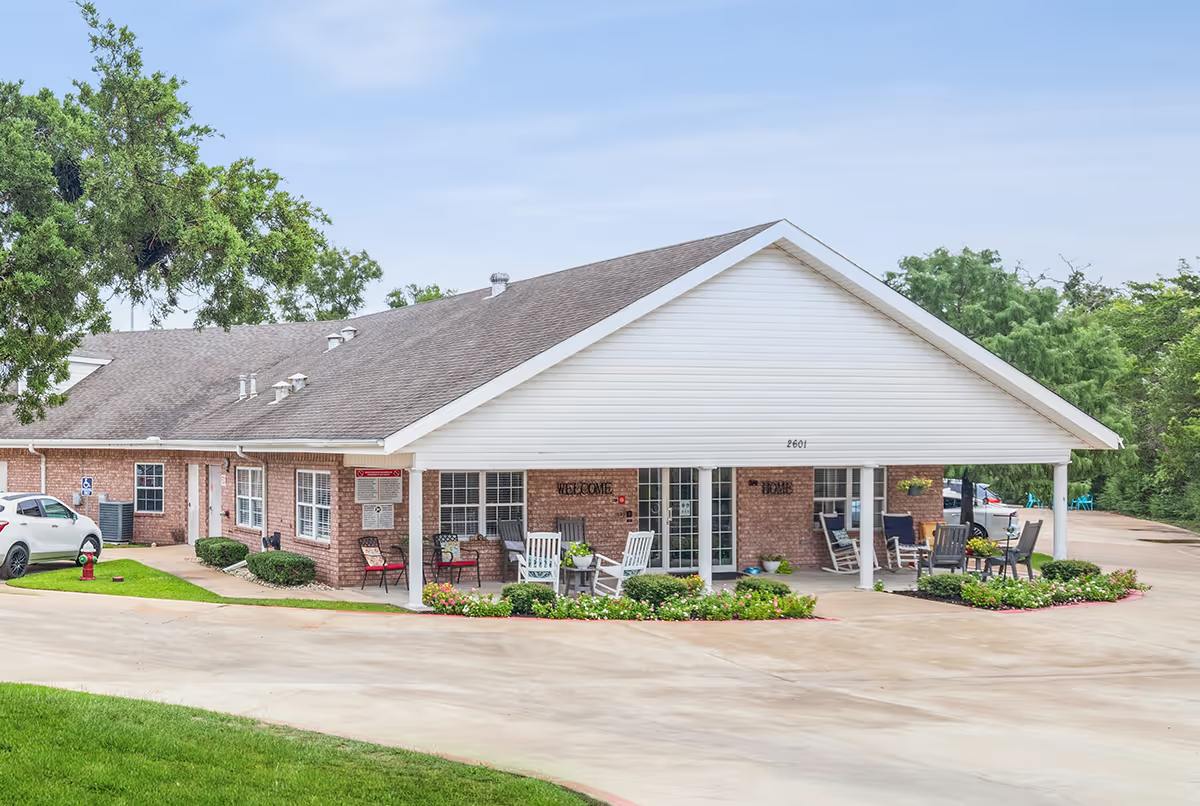
Overall impression: The Langford Methodist Retirement Community presents as a newly built, well-appointed senior living option with a strong emphasis on hospitality, dining, and social engagement. Reviewers consistently emphasize high-quality dining, a wide range of activities, and modern, light-filled living spaces. The community projects a vacation-like, cruise-style atmosphere for many residents and families who describe the campus as clean, attractive, and thoughtfully designed to encourage social interaction.
Care and staff: Staff behavior and responsiveness are a repeated strength. Families and visitors describe attentive, professional caregivers who know residents by name, provide clear follow-up on medical concerns, and express pride in team values. Low staff turnover and consistent staffing are noted as contributors to continuity of care. The community markets a multi-level care continuum (independent living, assisted living, memory care), and day-to-day communication about medical issues and resident needs is described positively.
Dining and activities: Dining is a prominent positive. The facility offers three meals daily, buffet-style events, and menu items that some reviewers characterized as restaurant-quality. Meals are a focal point for socialization. Programming is broad and active — exercise classes, speakers, church services, games (poker, bingo, Bunko), puzzles, and Friday entertainment are among the offerings — and reviewers describe an energetic, party-like social calendar that supports community engagement.
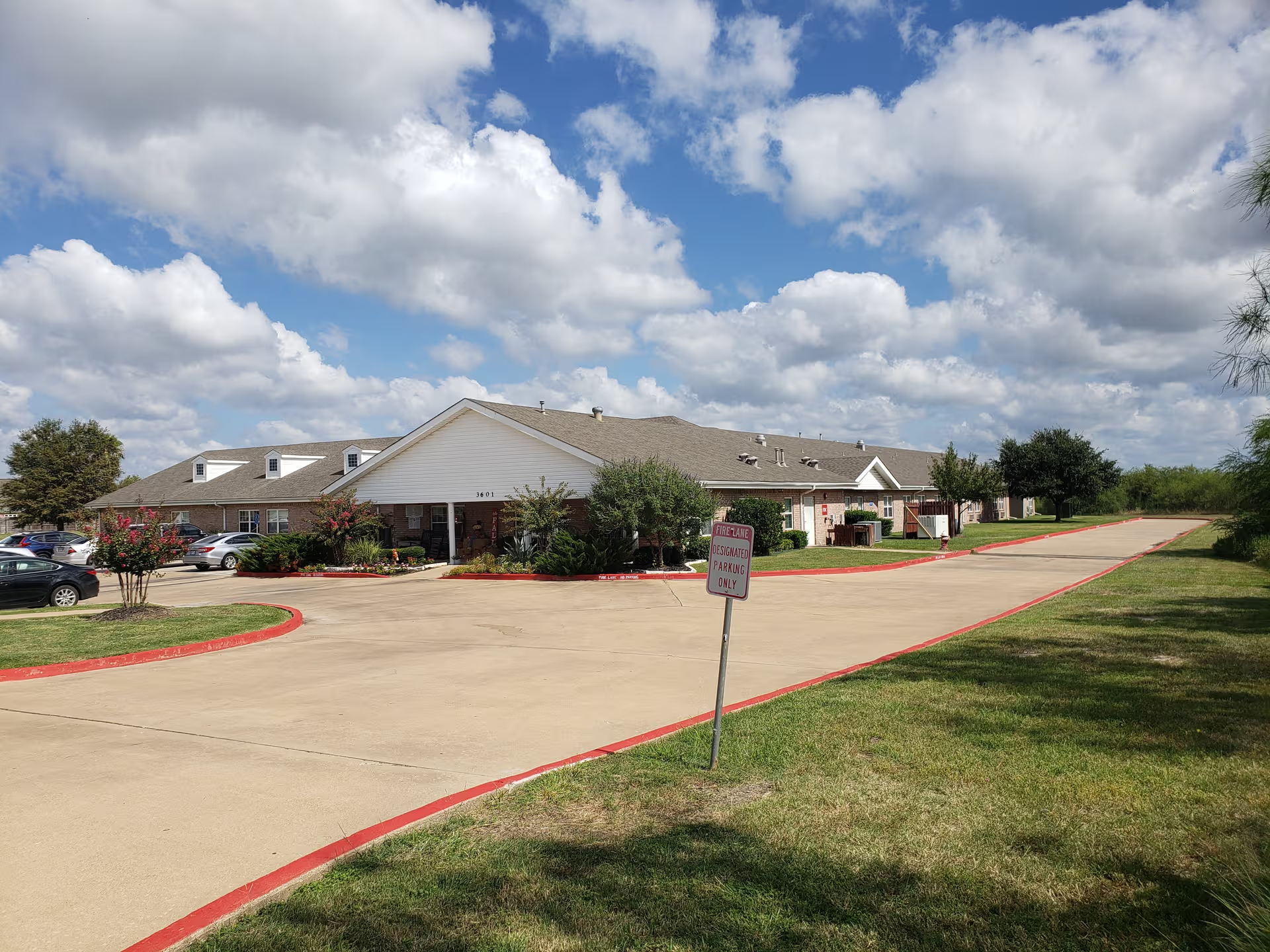
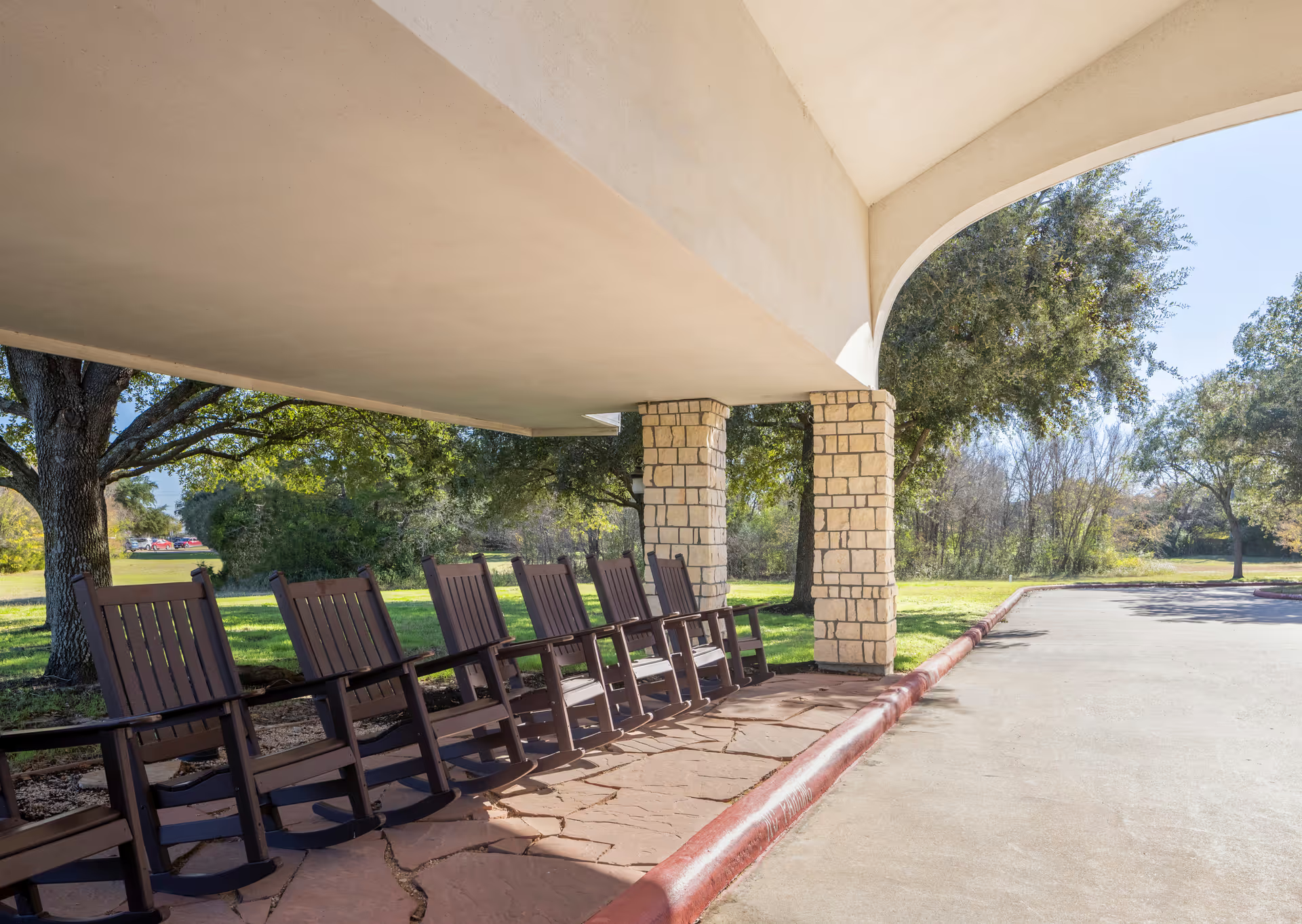
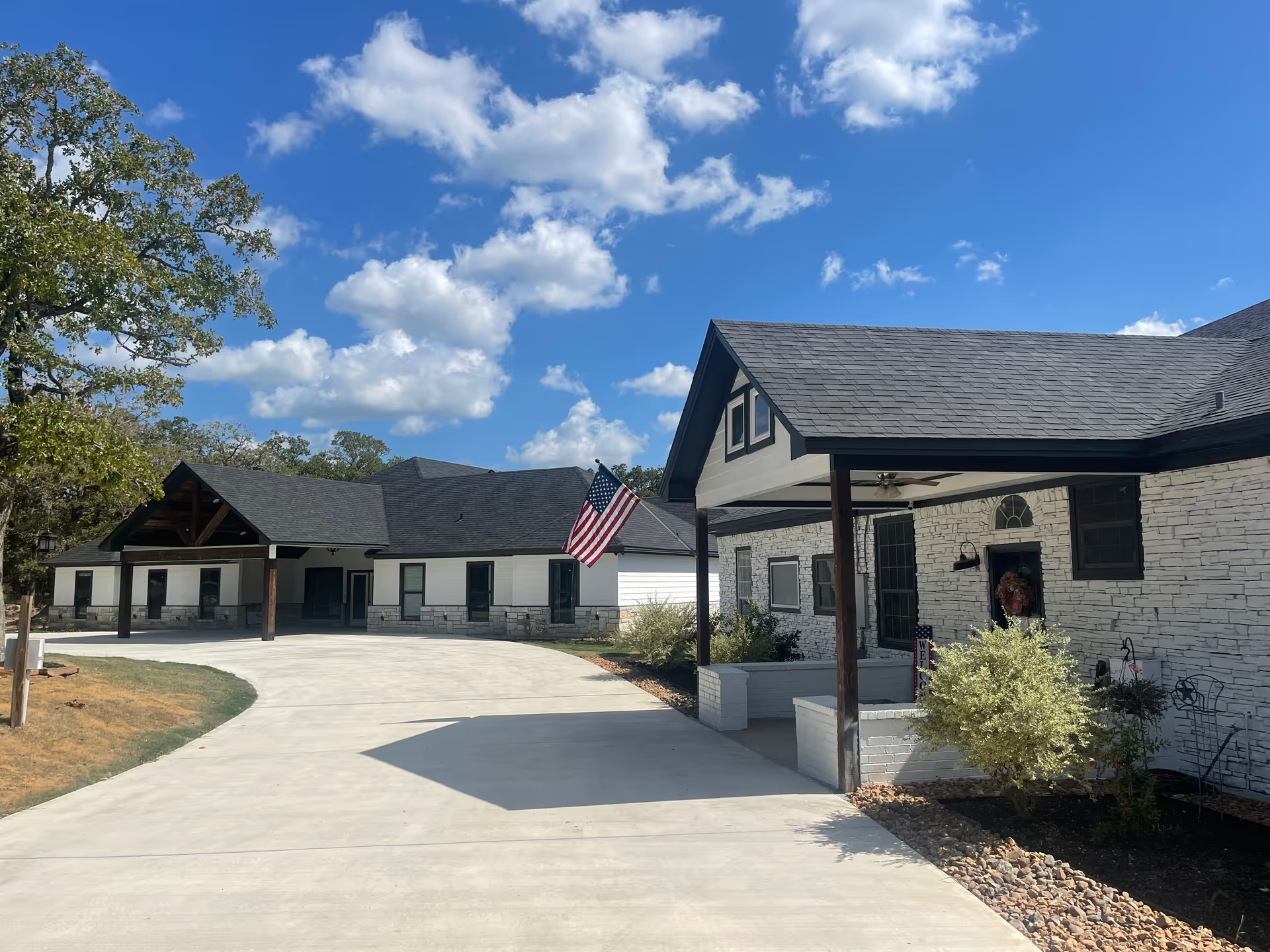
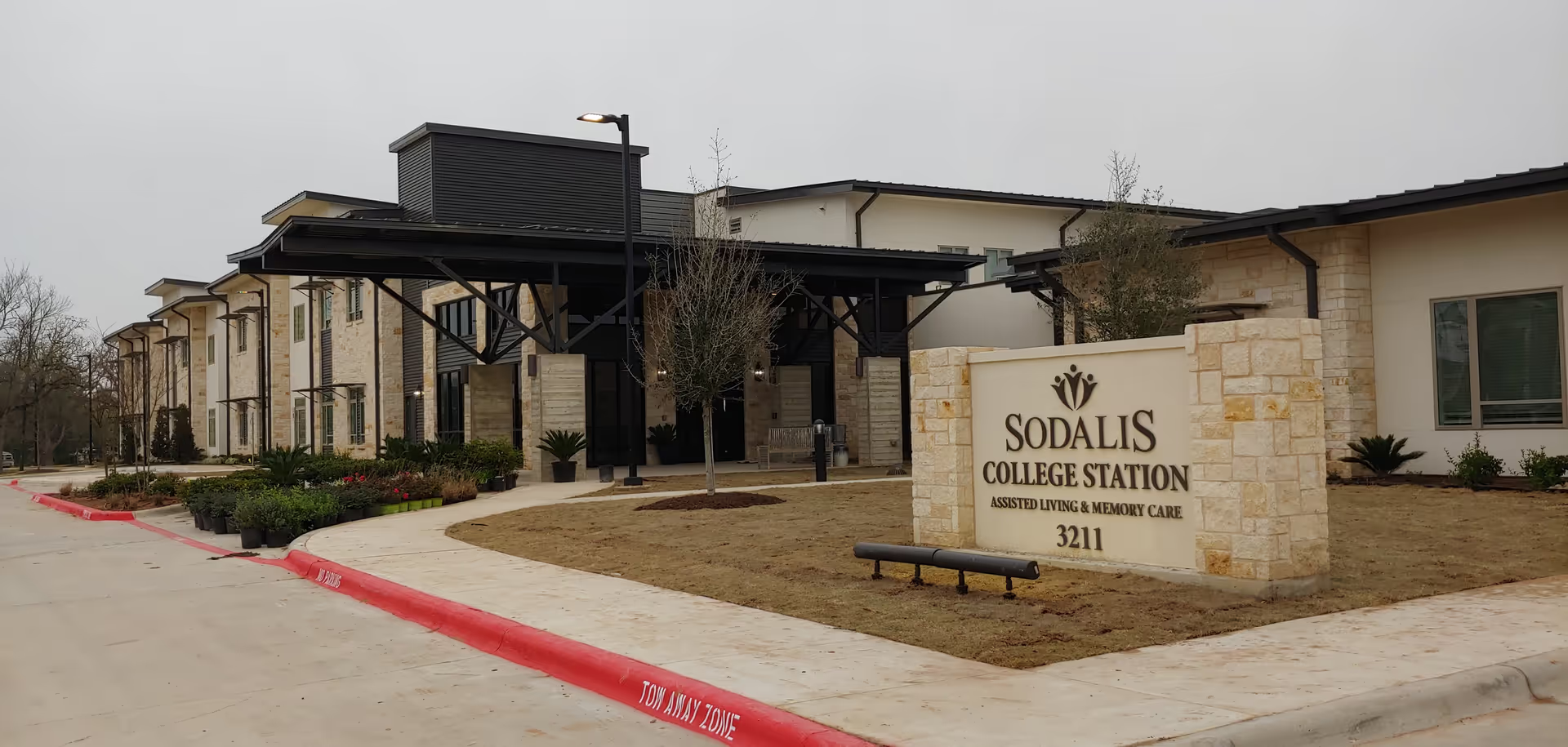
Facilities and design: The physical campus receives strong praise. The building is new, with generous natural light, spacious apartments (including two-bedroom/two-bath units with balconies), well-planned circulation routes, courtyards, and public spaces positioned to promote casual interaction. Covered or garage parking and proximity to shopping, medical services, and recreational amenities are additional conveniences noted by reviewers.
Management and notable patterns to consider: Several operational caveats emerge that prospective residents and families should evaluate. Affordability is a consistent concern — the community requires a substantial buy-in and ongoing fees that may limit accessibility for some households. The facility was described by some as still in an opening phase; limited occupancy during that period can reduce social variety and make it harder for new residents to meet many peers. Reviewers also flagged ambiguity around memory-care placement and suitability, including instances in which clinical providers advised that memory care placement may not be appropriate for particular patients. Finally, a small number of visitors noted occasional tour or scheduling delays and the potential for construction- or move-in-related disruptions while the campus reaches full operation.
Bottom line: For families prioritizing modern accommodations, strong dining, active programming, and a staff-forward culture, Langford appears to deliver many of those elements. Prospective residents should balance those strengths against the community’s financial requirements, current occupancy levels during the opening period, and clarify clinical criteria for memory-care admission before committing. Visiting in person and discussing costs, residency criteria, and current census/room availability with management will help clarify whether the community’s current operational phase matches a particular resident’s social and clinical needs.