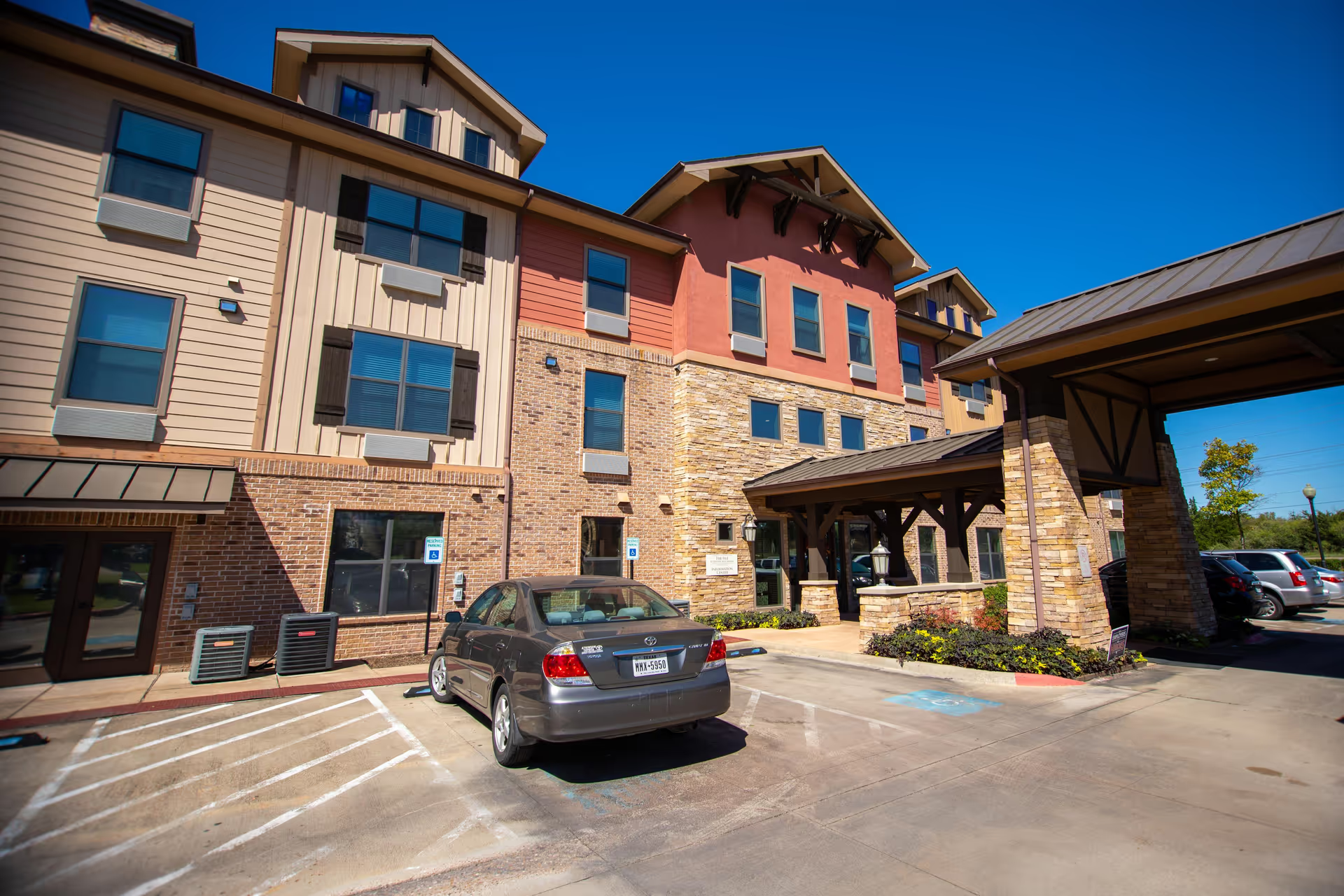
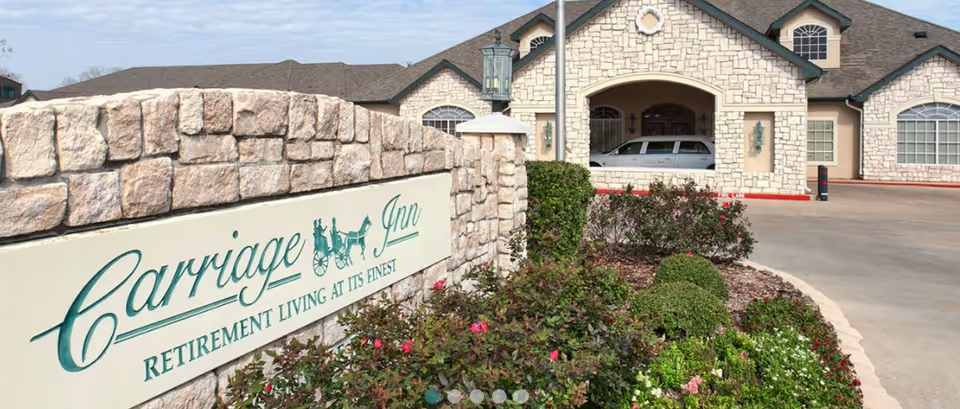
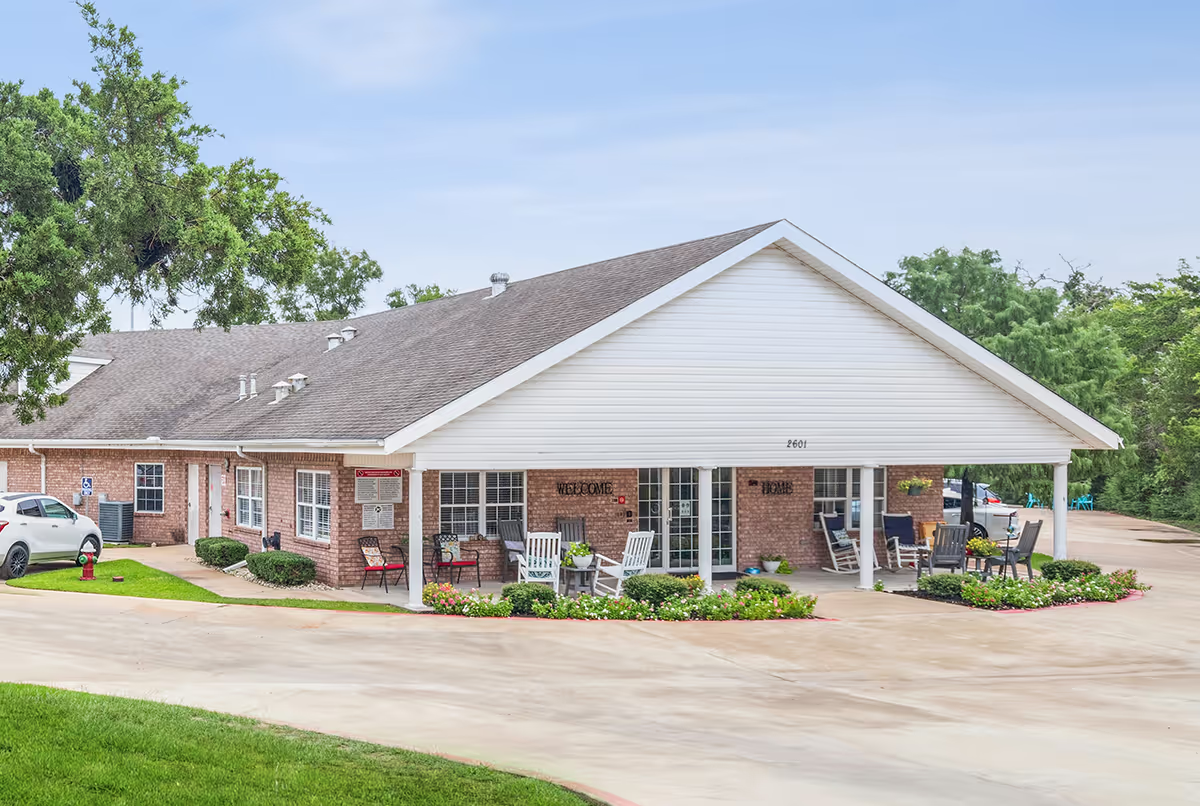
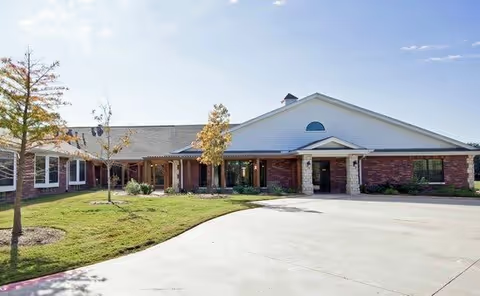
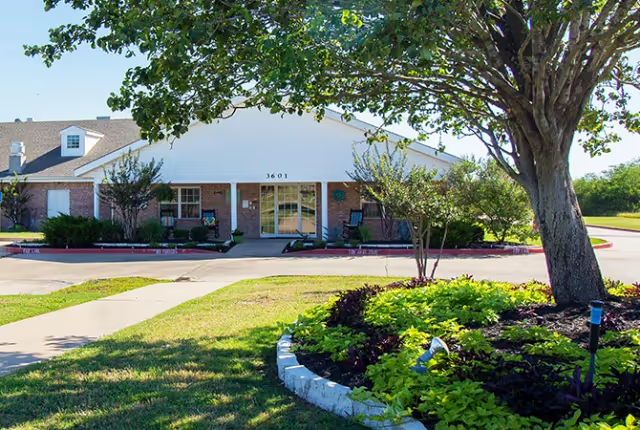
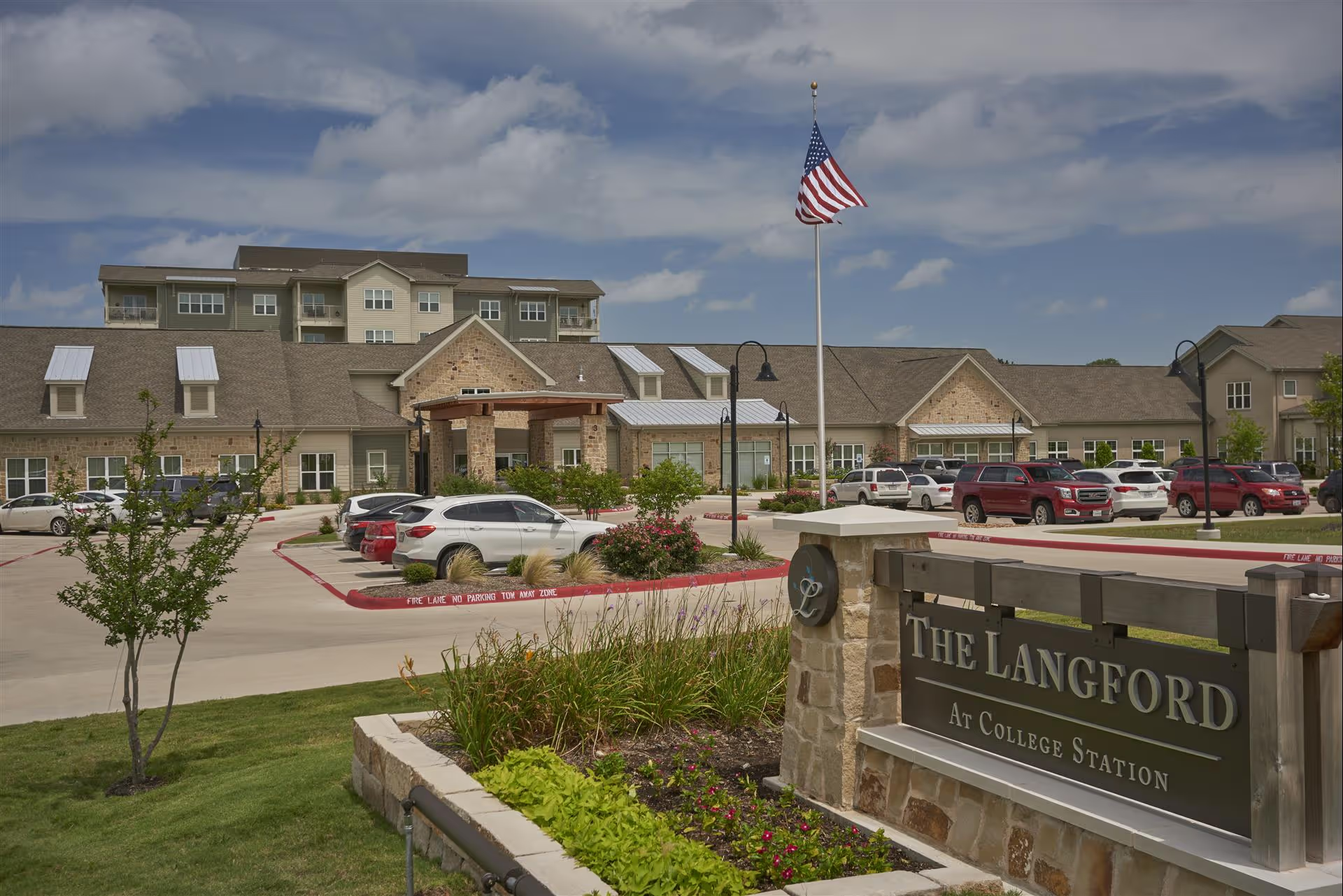
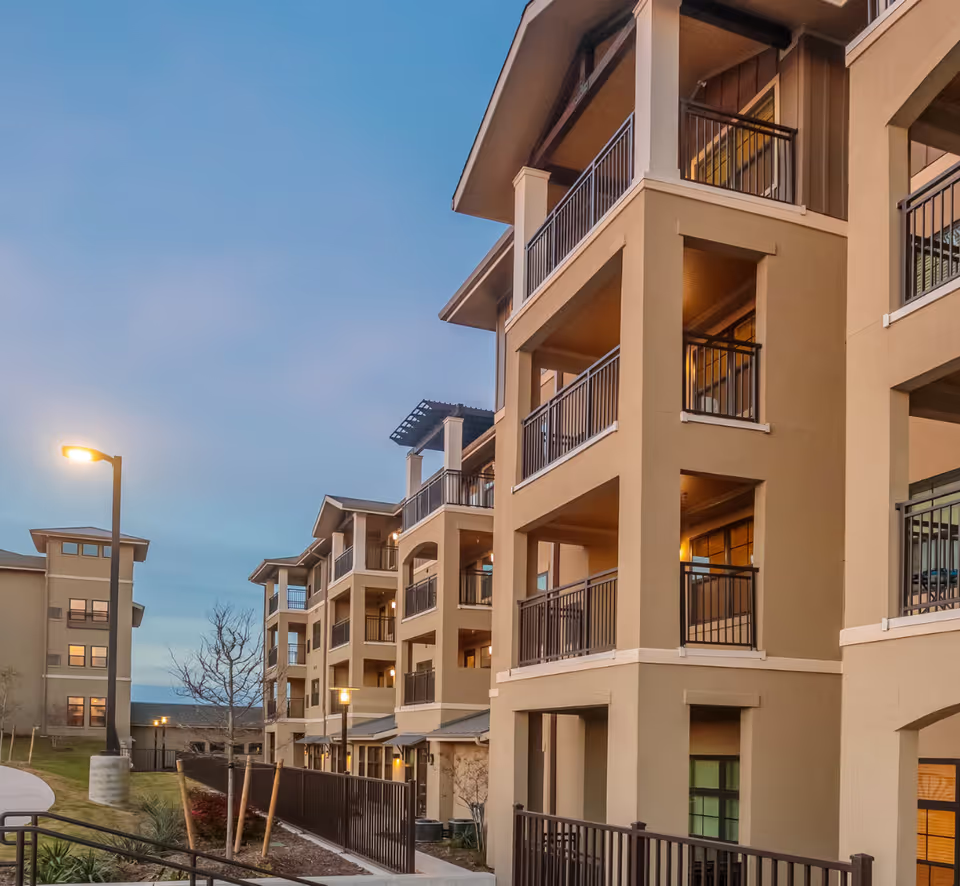
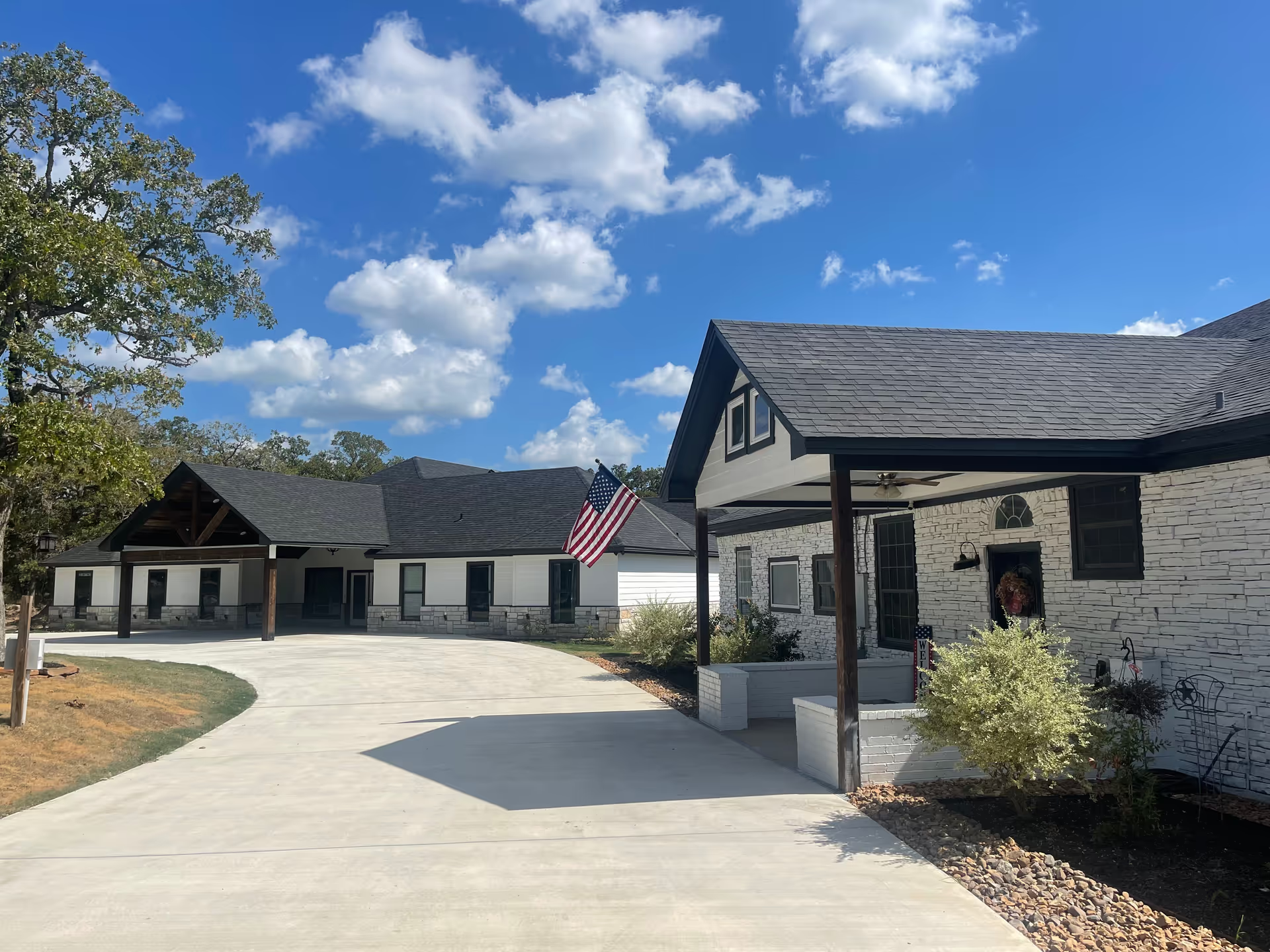
Overall impression: Reviewers express a clear split between strong praise for the physical environment, amenities, and many compassionate staff members, and serious concerns about operational consistency, communication, billing, and care quality. The facility itself is repeatedly described as brand-new, bright, airy, hotel-like and well-kept, with spacious suites, large windows, walk-in showers, and attractive common areas. Amenities such as a salon, movie theatre, courtyard, chapel, patio with TVs, lawn games, in-house rehab, and a variety of activities are repeatedly mentioned and form a substantial part of the positive sentiment. Many families report immediate positive emotional and cognitive changes in residents, and life-enrichment efforts (choir, virtual reality, crafts, happy hours, daily devotionals) are frequently praised.
Care quality and staff: There are many accounts of caring, dedicated, knowledgeable staff. Multiple reviewers single out individual staff and leadership (including life-enrichment staff like Savannah) and describe staff who make residents feel at home, engage them in activities, and communicate proactively via email/text. Several families credit staff with good medication management, attentive care, and swift, safe move-ins (including under COVID protocols). However, this generally positive portrait is contrasted by a number of serious negative reports: medication errors (wrong or unprescribed medications), failure to follow prescribed diets, staff clueless about treatments, linens not changed after incontinence, patients walked unattended, multiple emergency room visits, and at least one allegation tying poor care to a resident death. These negative incidents are described as severe and materially affect families’ trust. Some reviewers report inconsistent staff quality — with both low turnover noted in some reviews and high turnover/understaffing reported in others — indicating that staffing reliability may vary over time or by unit.
Facilities and amenities: Nearly every review that comments on the building and apartment finishes them positively. The community is repeatedly described as light, airy, and well-appointed with a pleasing decor (no dark carpet/walls), hotel-like lobby, roomy suites and large closets. Memory care is offered and praised by many families (Bridges program); yet a subset of reviewers described the memory care unit as feeling “hospital-like,” and a few residents or families found the campus too large or difficult to navigate. Safety features such as PIN access and monitored doors are called out as reassuring by some reviewers.
Dining and activities: The dining program and activities are a major strength for many residents and families. Reviewers cite nutritious meals, accommodating meal preferences, and specific positive dishes (salmon). The activities program is broad and engaging, with many opportunities for socialization and meaningful engagement — arts, music, virtual reality, choir, outings, and in-house events. At the same time, dining quality is inconsistent in some reports: several families complained that meals were not tasty, that dining staff failed to follow puréed diet orders or served wrong meals, and that food quality fluctuated from good to poor.
Management, communication, and operations: Communication and management receive mixed assessments. Numerous families praise directors and front-line staff for prompt, friendly responses, good tours, and proactive updates via text/email — and some reviews note new management moving the community in a positive direction. Conversely, a substantial set of reviews report unreturned calls, unresponsive administration, billing disputes including money pulled after a resident’s death and refund delays (one reviewer cited a 4–6 week delay), and a perceived sales-focused admissions process with little condolence or empathy after bad outcomes. Operational issues also include poor orientation practices (no buddy/ambassador for new residents), unclear medical responsibility (need to establish PCP relationships), schedule changes without notice (housekeeping, shower days), and cancellations of activities or services without timely communication.
Notable problem incidents and patterns: Several reviews describe concrete, troubling incidents that families flagged as red flags: a billed hospital bed later said to be unaccounted for (one reviewer noted Traditions Hospice picked up the bed), dirty clothes or soiled bedding left in bathrooms, mattresses on the floor, missing personal items (underwear, Depends), and reports of negligent care that required repeated ER visits. Because these incidents span hygiene, medication, and accountability for equipment and billing, they combine to create significant safety and trust concerns for some families. At the same time, there are many specific, positive personal accounts of staff going above and beyond, residents thriving, and families feeling relieved after placement.
Conclusion and implications for prospective families: The dominant themes are (1) an outstanding physical environment and robust programming that provide an attractive, active lifestyle for many residents, and (2) operational inconsistency that, in some cases, leads to significant lapses in clinical care, communication, or billing practices. Prospective residents and families should weigh the facility’s excellent amenities, strong life-enrichment programs, and the many reports of compassionate staff against the documented instances of care failures and administrative issues. When considering Sodalis College Station, families should ask direct questions about medication management procedures, staffing ratios and turnover, orientation and buddy programs for new residents, written billing/refund policies (especially for end-of-life situations), protocols for handling personal equipment and valuables, and how care plans and dietary needs are audited and enforced. Visiting multiple times, speaking with current residents and families, and getting clear, written commitments on clinical and administrative practices will help determine whether the community’s strengths align with a particular loved one’s needs and risk tolerance.