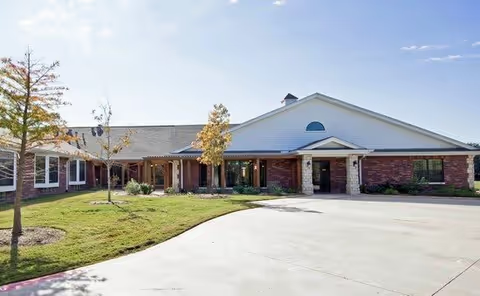
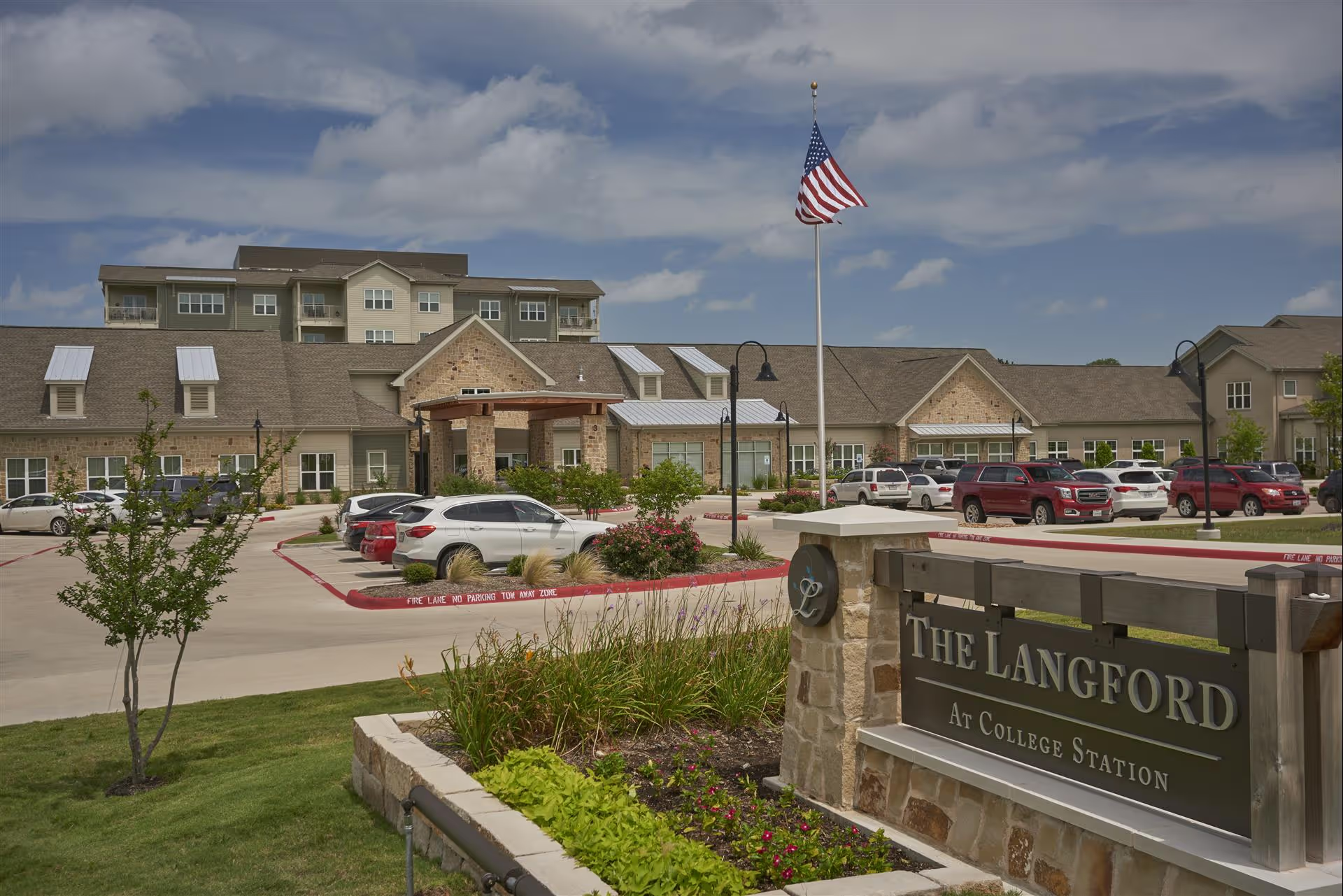
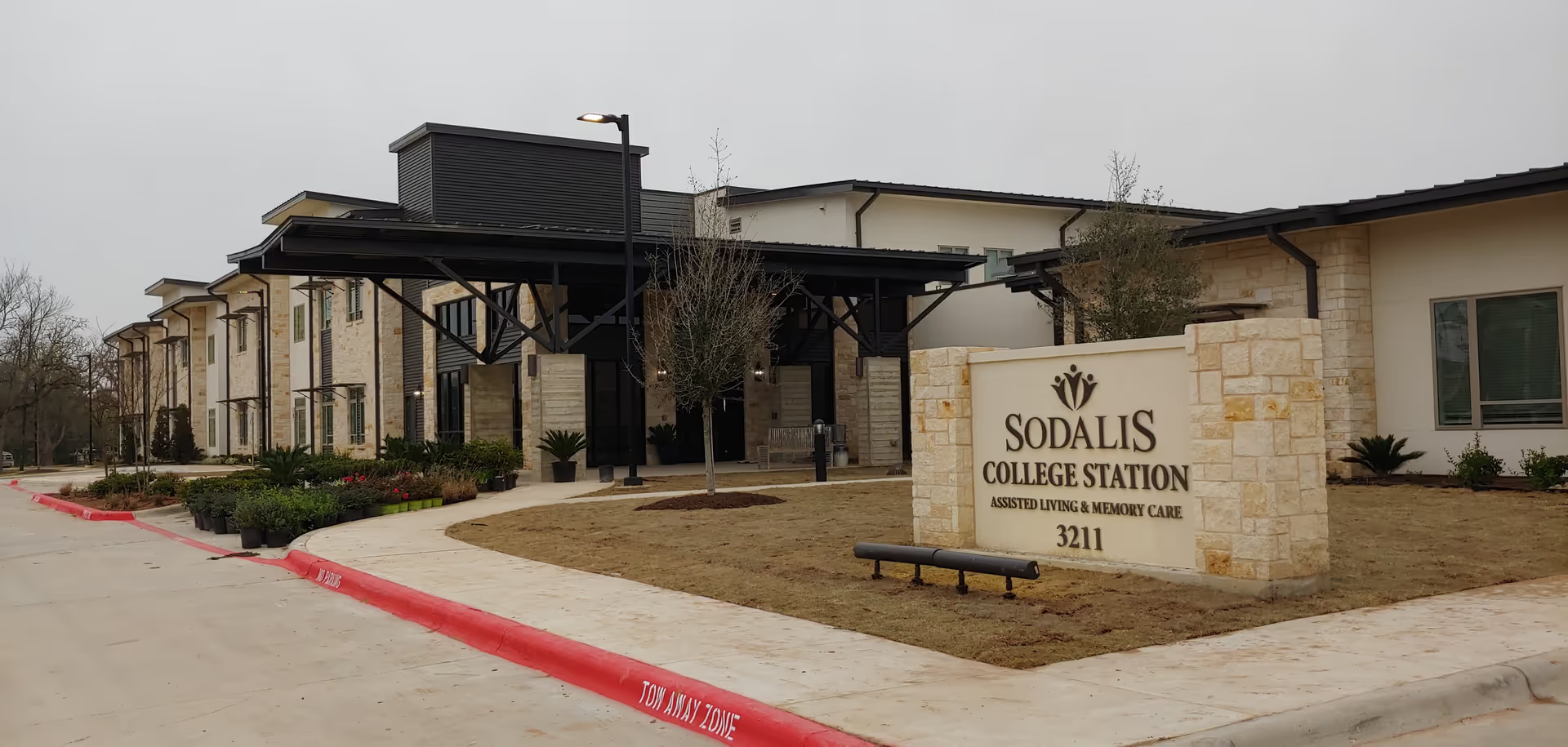
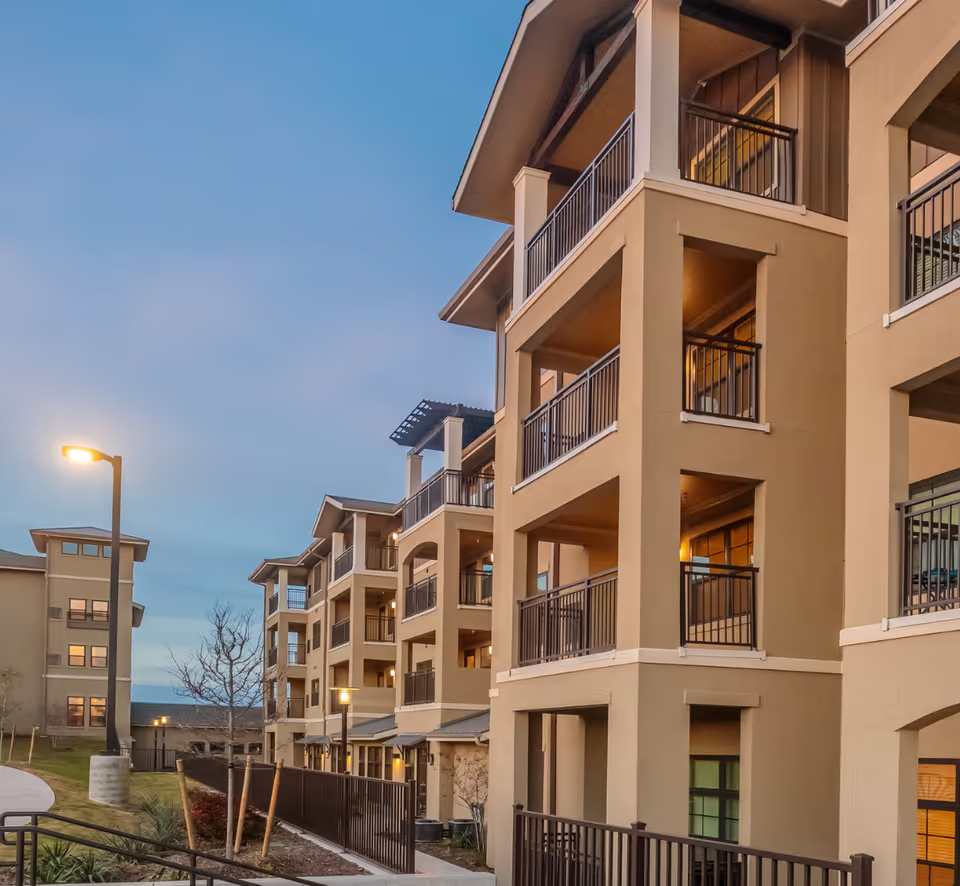
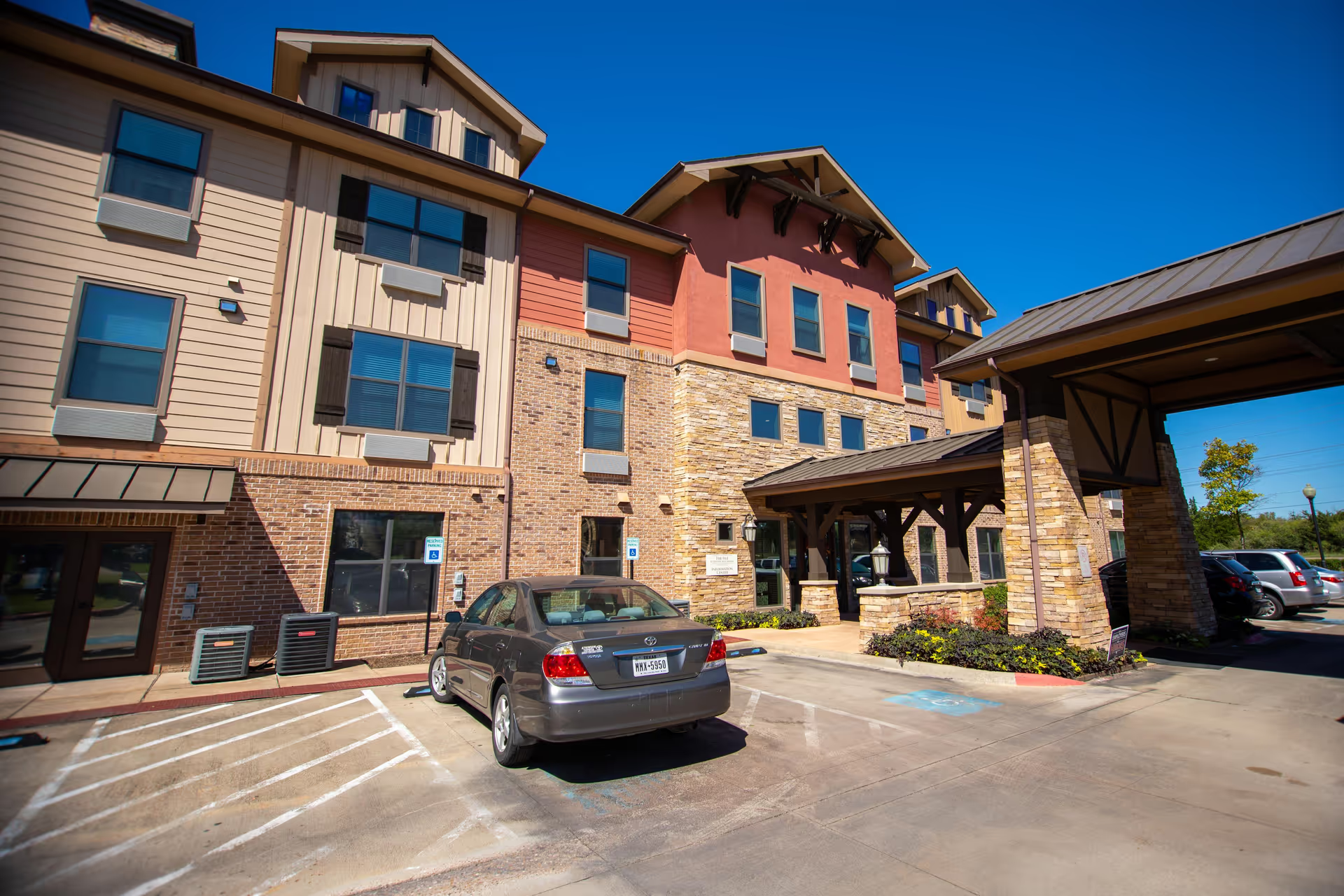
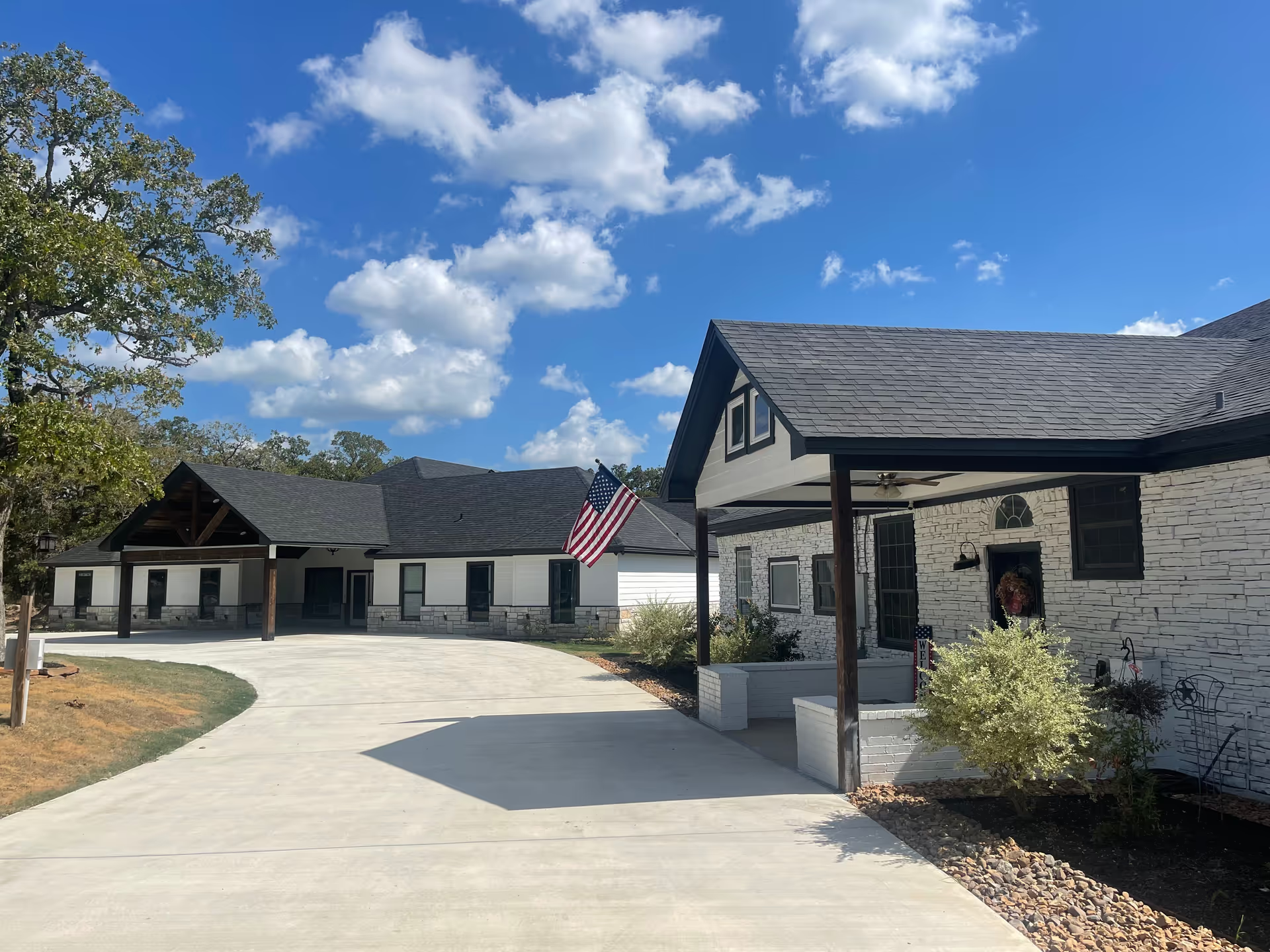
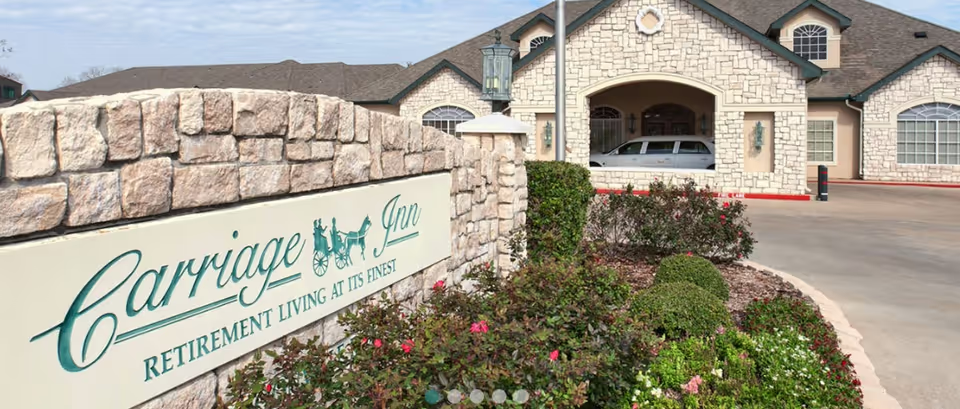
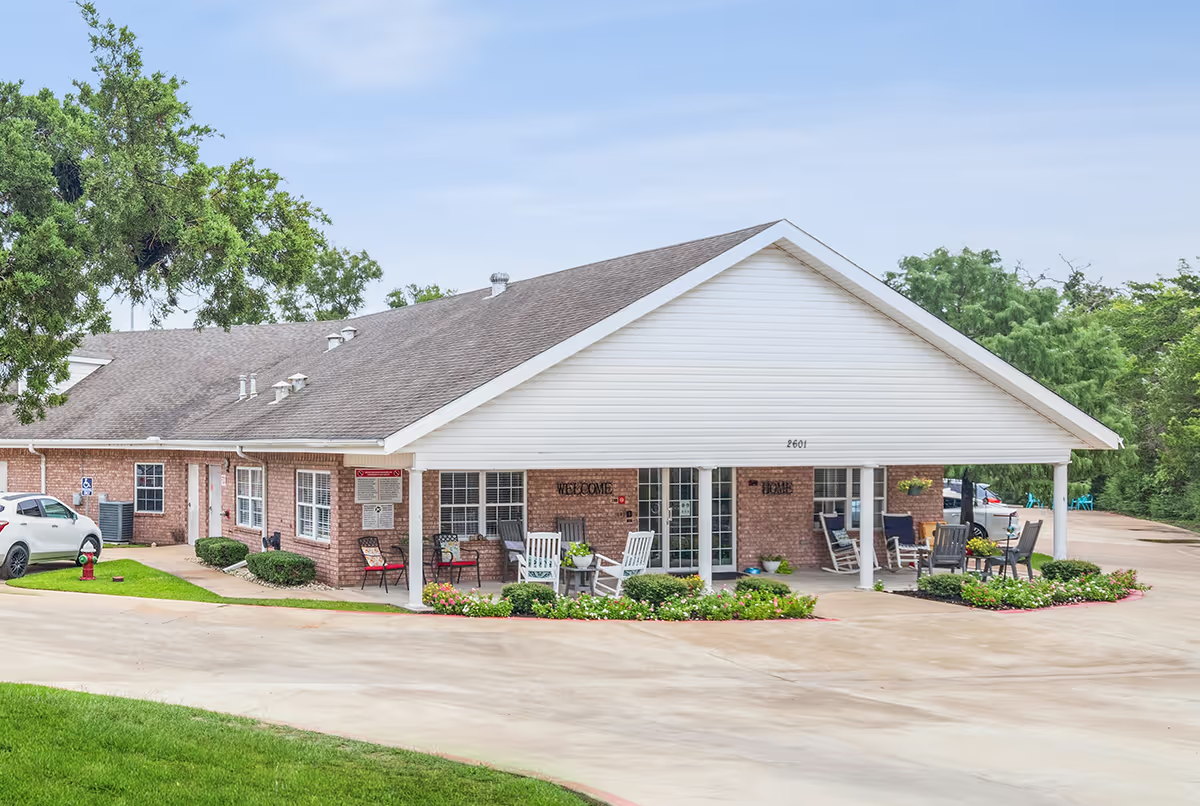
Bluebonnet Court is generally described as a small, clean, and well-kept assisted-living community with a ‘‘home-like’’ atmosphere. Many families emphasized warm resident interactions, active common areas, and visible life-enrichment programming. The physical environment is repeatedly characterized as tidy and comfortable, with attractive common spaces such as a courtyard and regular seasonal touches. Location and ease of access were noted positively, and on-site services (hair, pedicure) and a sense of neighborliness reinforce the small-community feel.
Care quality and staff performance receive consistently positive mentions. Reviewers frequently highlight compassionate, personable aides and nurses who know residents by name, encourage participation in activities, and provide hands-on attention. Several accounts describe staff who went beyond routine duties to monitor resident well-being and to coordinate emergency responses. That said, the community appears best suited for residents with low to moderate care needs; there is a recurring theme that the facility may not be optimal for people requiring extensive safety supervision or high-acuity care.
Dining and activities are often praised. Many reviewers describe enjoyable meals and an improving menu, along with active programs that encourage social engagement, music, clubs, and outings. A few reviewers asked for greater meal variety, more vegetables, reduced carbohydrate emphasis, and improved diabetic-diet accommodations—indicating that dietary customization and choice may be inconsistent.
Operational and administrative patterns are mixed. Positive experiences with admissions staff and specific directors are balanced by repeated concerns about management availability, tone, and transparency. Families described both hands-on, informative leadership and, conversely, periods when management was perceived as defensive, unresponsive to complaints, or insufficiently present. Billing and front-desk communications were flagged as a recurring pain point, including unclear billing interactions and delayed responses to questions.
Staffing and service continuity are notable themes. While many individual caregivers are described as steady, caring, and long-tenured, others noted staffing shortages, turnover, and resulting discontinuity of care. Related operational weaknesses include occasional lapses in laundry or housekeeping, slower-than-expected responses to alarms, and concerns about medication controls or missing medications. These items suggest variability in day-to-day operational reliability despite strong individual caregiving relationships.
In summary, Bluebonnet Court presents as a small, warm, and well-maintained assisted-living option with strong strengths in resident engagement, compassionate caregiving, and a welcoming atmosphere. Prospective residents and families should weigh those strengths against operational considerations: administrative responsiveness and billing processes can be inconsistent; staffing levels and continuity may fluctuate; and the community may be better suited to individuals with lower supervision needs. A focused tour that addresses meal customization, medication-management protocols, staffing ratios, and billing transparency will help clarify whether the facility is an appropriate match for a given resident’s clinical and administrative needs.