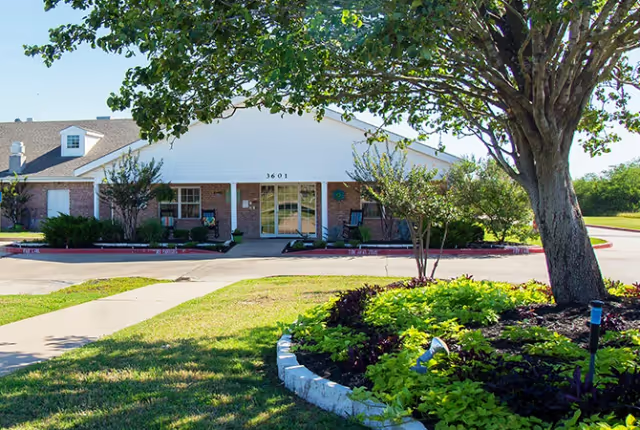
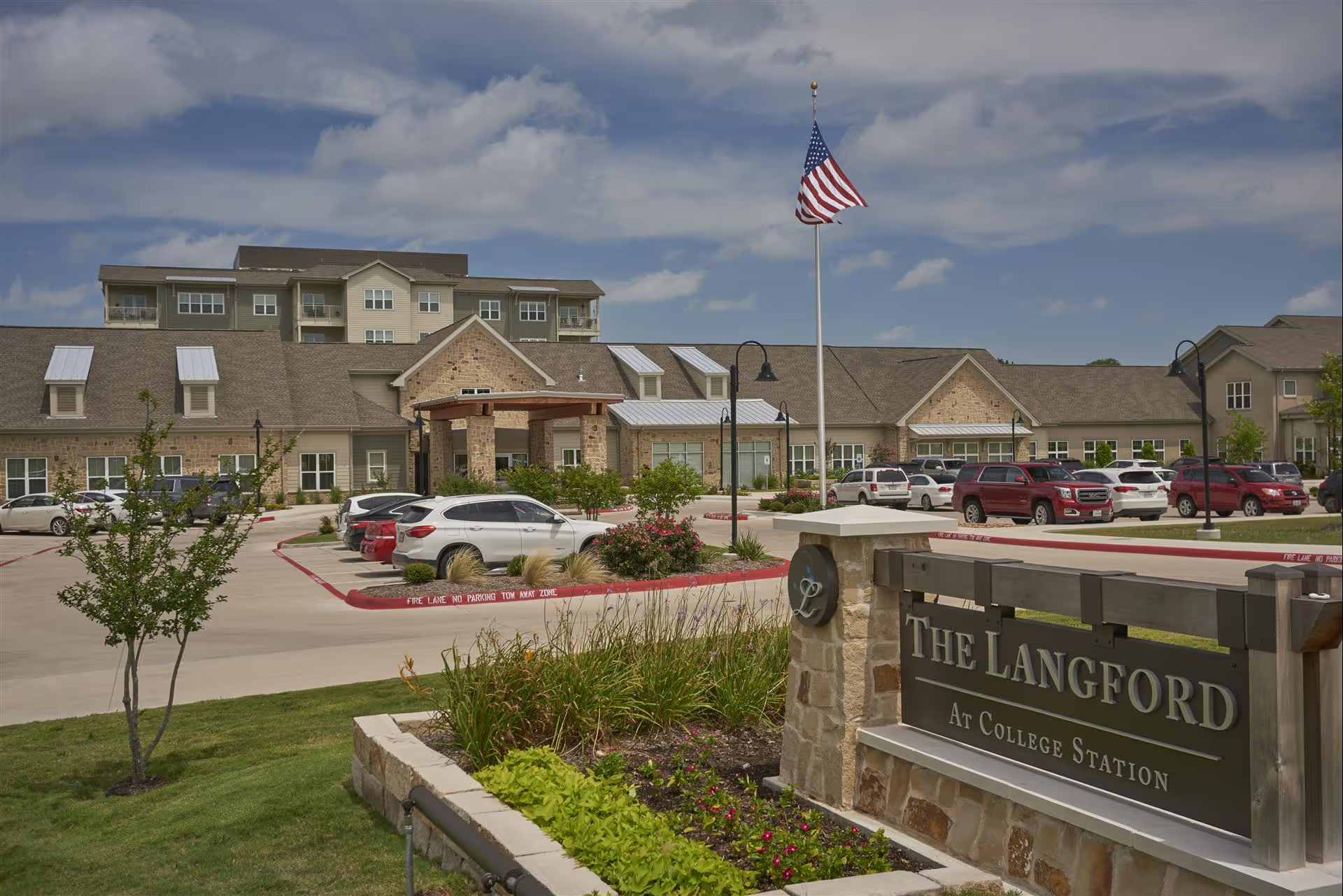
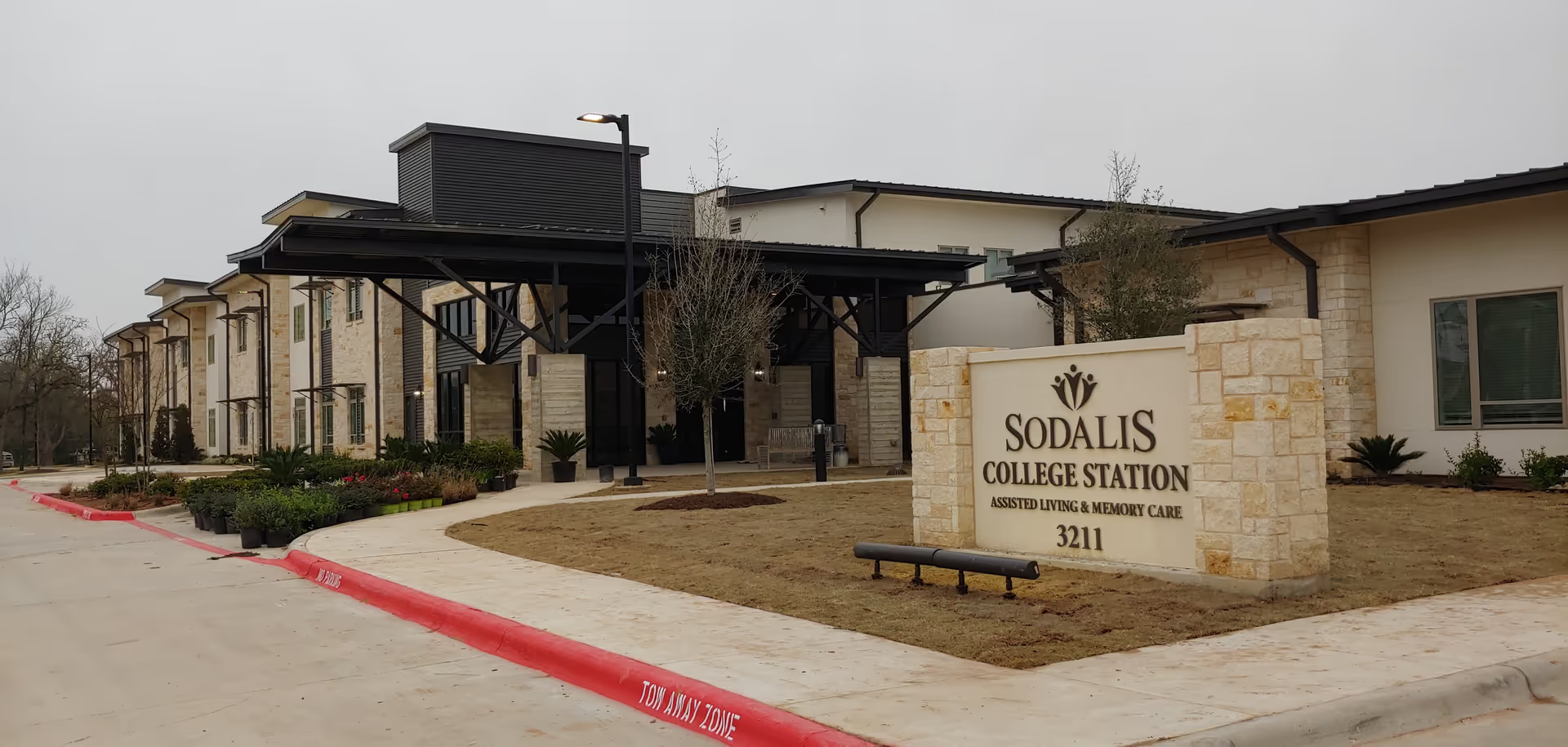
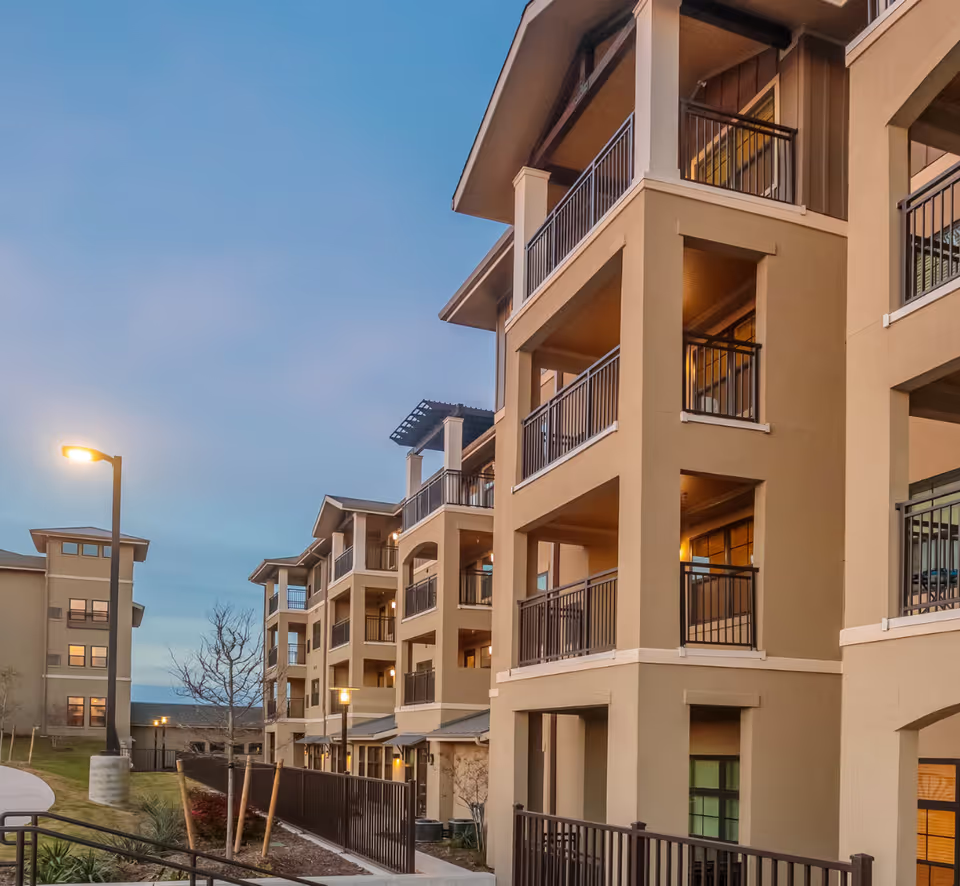
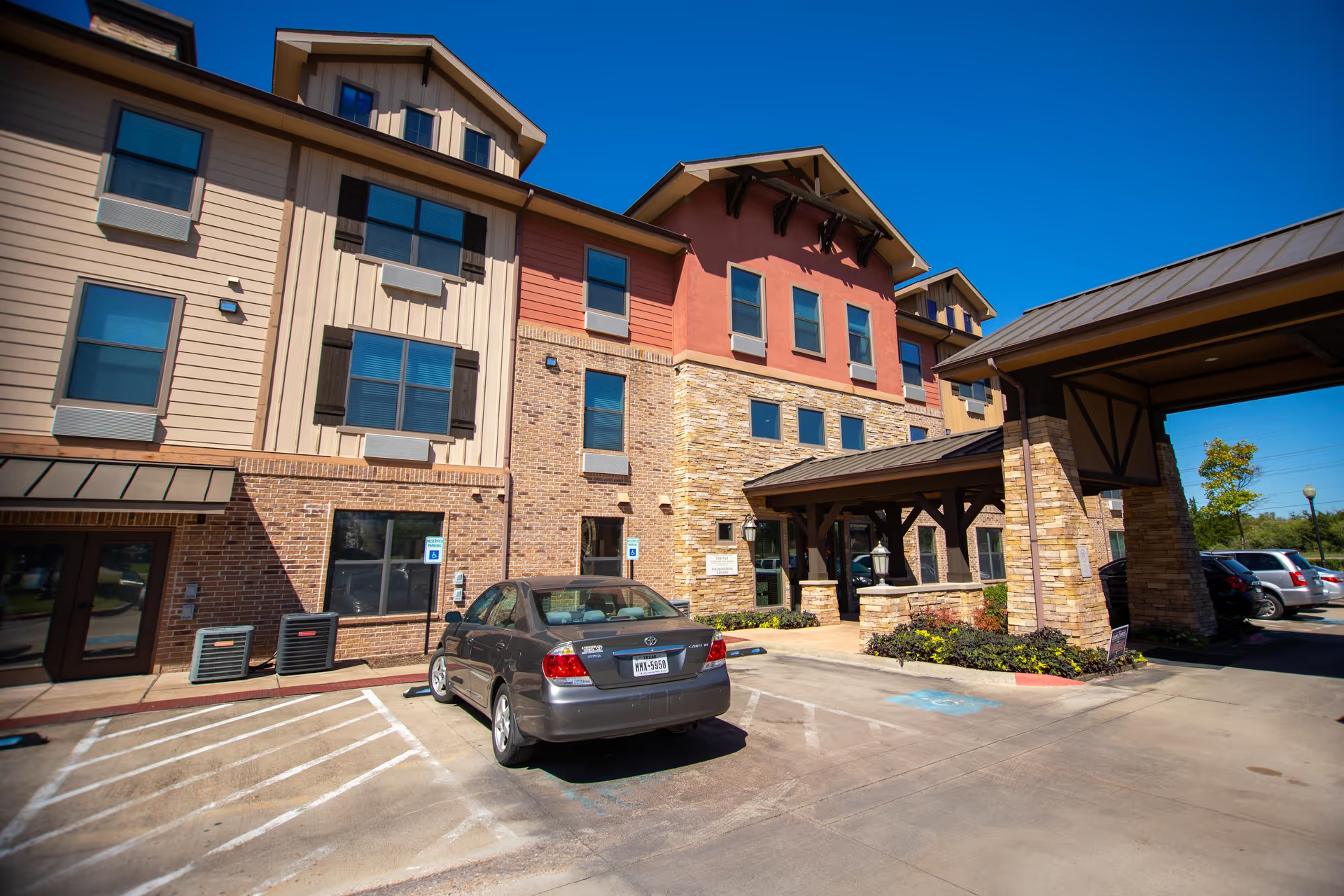
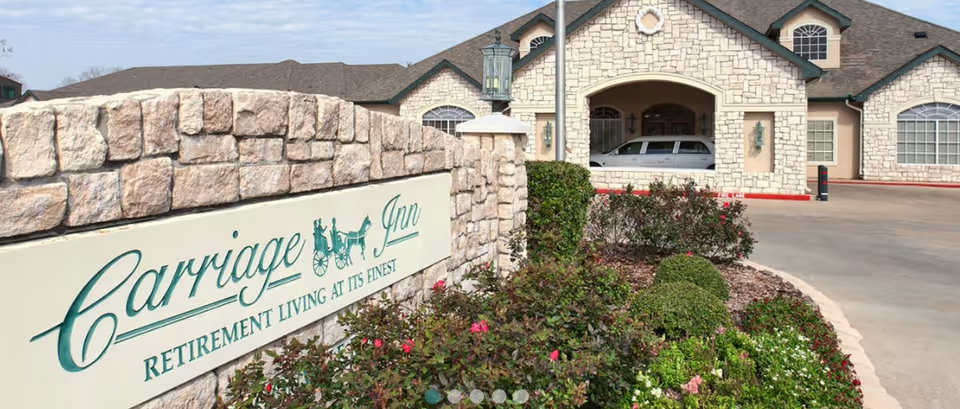
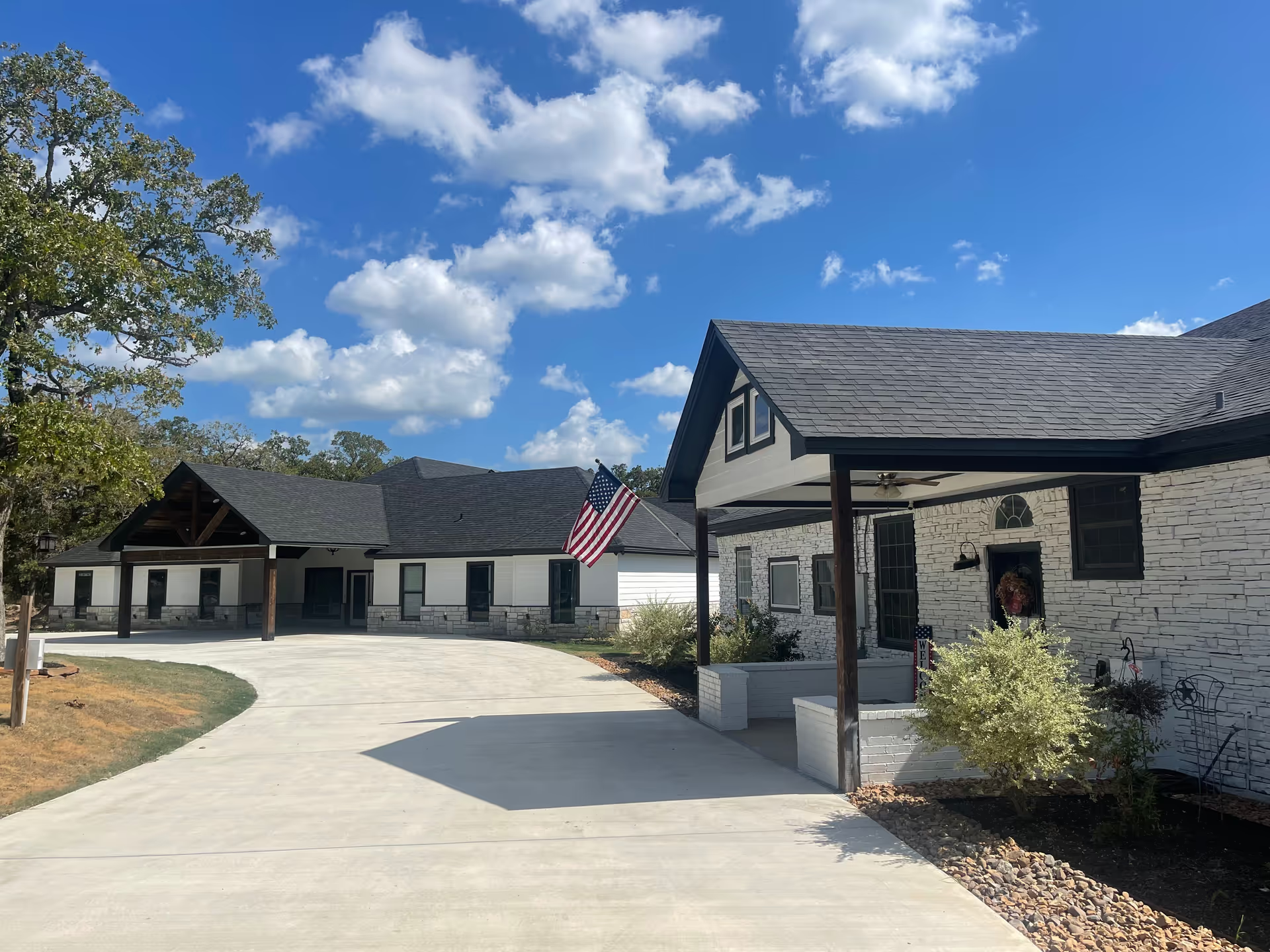
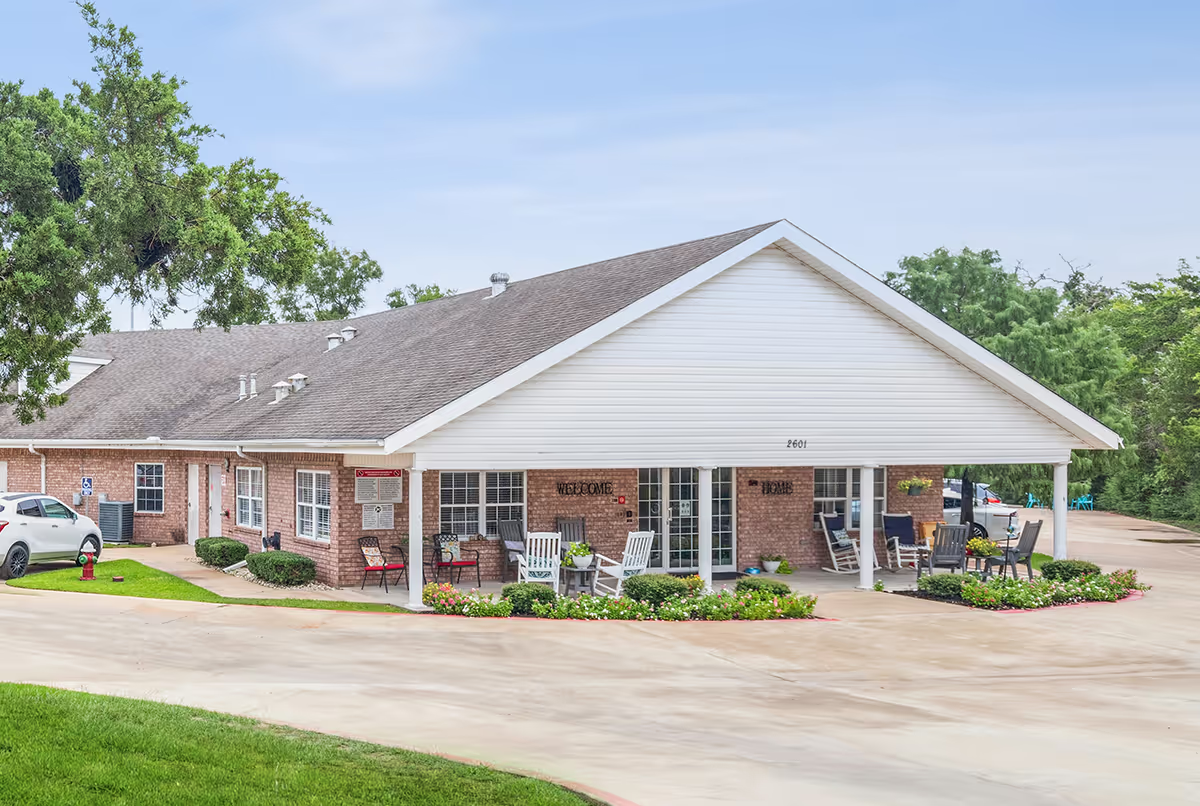
The Waterford at College Station presents a mixed but actionable profile for prospective residents and families. Strengths emphasized repeatedly across comments include a warm, family-like culture, an active and creative activities program, secure memory-care accommodations, and visible leadership presence. Many reviewers praised individual staff members, the activities director, and management for being compassionate, responsive, and hands-on. The community offers restaurant-style dining, regular transportation, frequent outings, and ongoing renovations that have modernized common areas and some apartment units.
Care quality and staff performance are described unevenly. Numerous accounts highlight attentive, skilled caregivers and strong executive involvement, while an important set of concerns centers on staffing levels and turnover. Those operational pressures are associated in reviews with longer response times to call buttons, delays in assistance with activities of daily living (including feeding and personal-care help), and variability in staff training. Several reviewers also pointed to lapses in documentation and incident charting, which supporters indicated can complicate family communication and clinical follow-up.
Dining and daily living experience also varied. The community's restaurant-style service and many positive comments about meal variety and presentation coexist with reports of inconsistent meal timing, occasional long waits, and variability in food quality between days or units. Housekeeping and sanitation were often adequate in renovated areas but described as inconsistent in older units; reviewers specifically noted differences in cleanliness and occasional odor concerns in particular rooms or hallways. Maintenance response was frequently regarded as timely when issues were reported.
Clinical operations and management patterns merit attention. Multiple comments raise concerns about medication-management continuity, including missed doses, pharmacy transitions, and the need for family advocacy to ensure prescriptions are administered as intended. Families also described uneven communication regarding billing, care-plan changes, and emergency responses; some reviewers recommended close review of contracts and proactive communication with leadership. Positive notes about strong, visible leadership and active activity programming suggest the facility has capacity for improvement when issues are escalated.
Notable patterns for families touring this community: confirm staffing ratios and typical call-response times for the specific unit under consideration; review medication-administration protocols and pharmacy continuity; inspect both renovated and older apartments for cleanliness and odor; ask for examples of staff training, incident documentation procedures, and contingency plans for outages or infection-control events; and request a clear, written explanation of billing practices and what triggers higher levels of care or additional charges. Overall, the Waterford shows strengths in social programming, leadership engagement, and a caring staff base, but prospective families should evaluate operational consistency and clinical controls closely during visits.