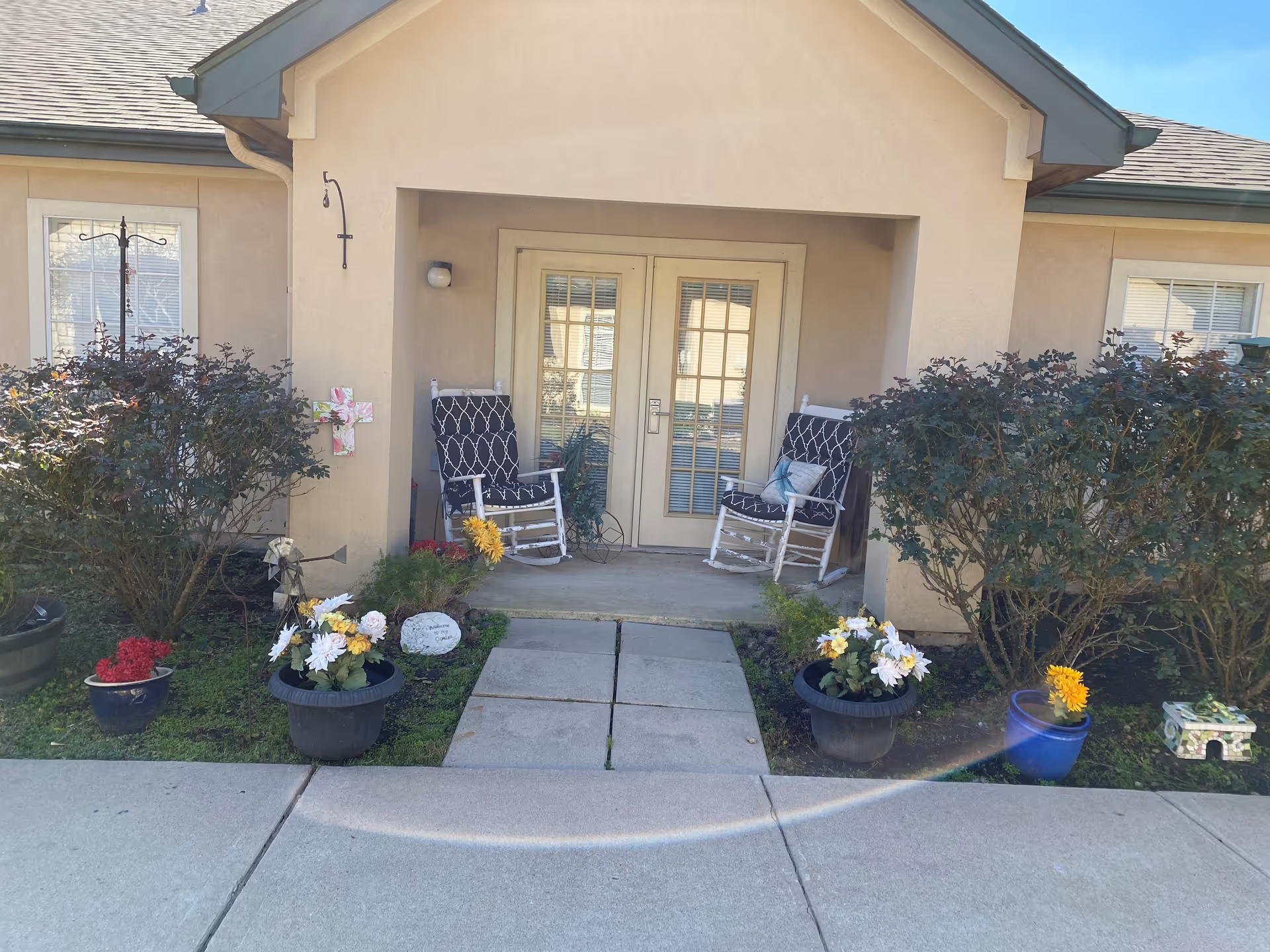
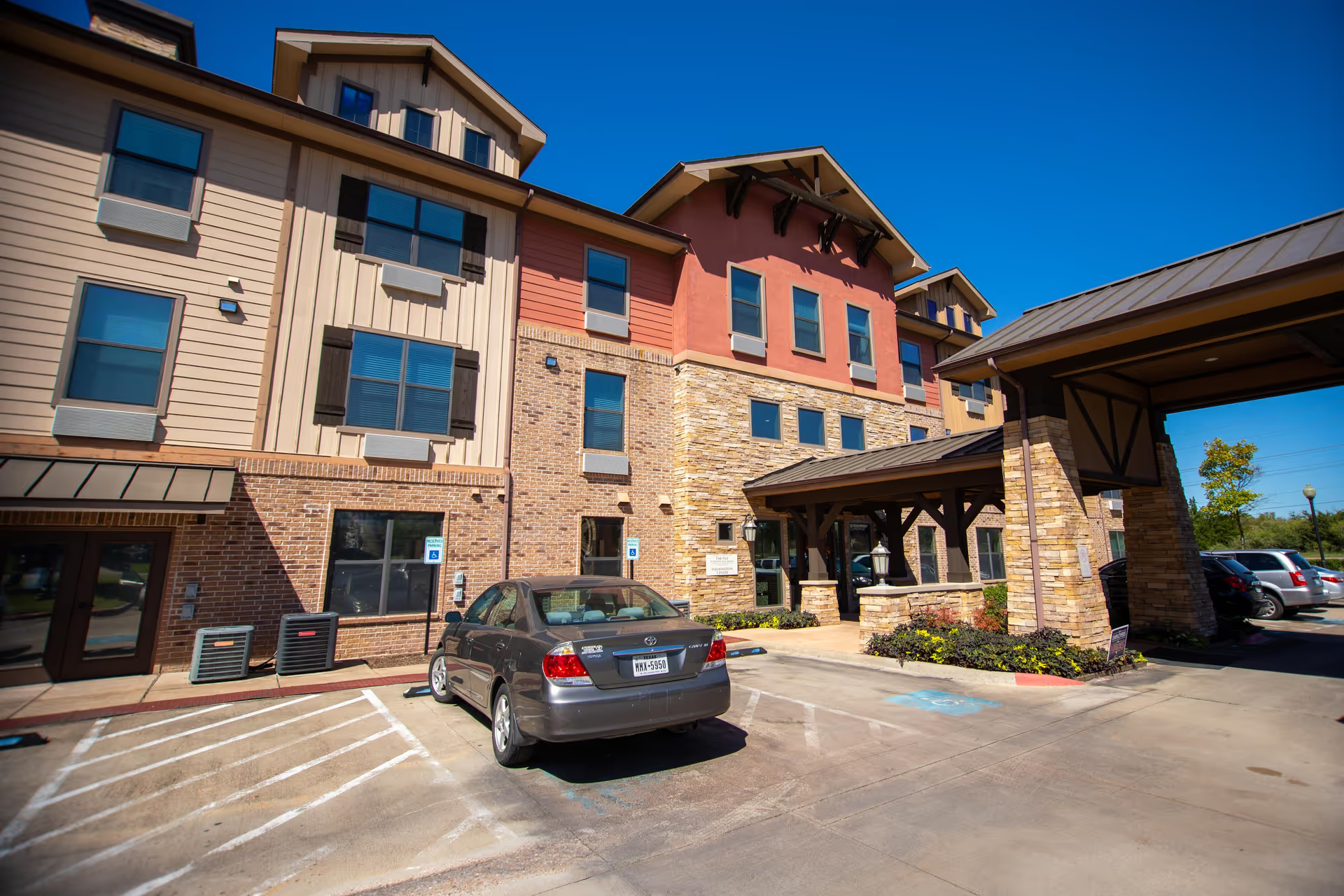
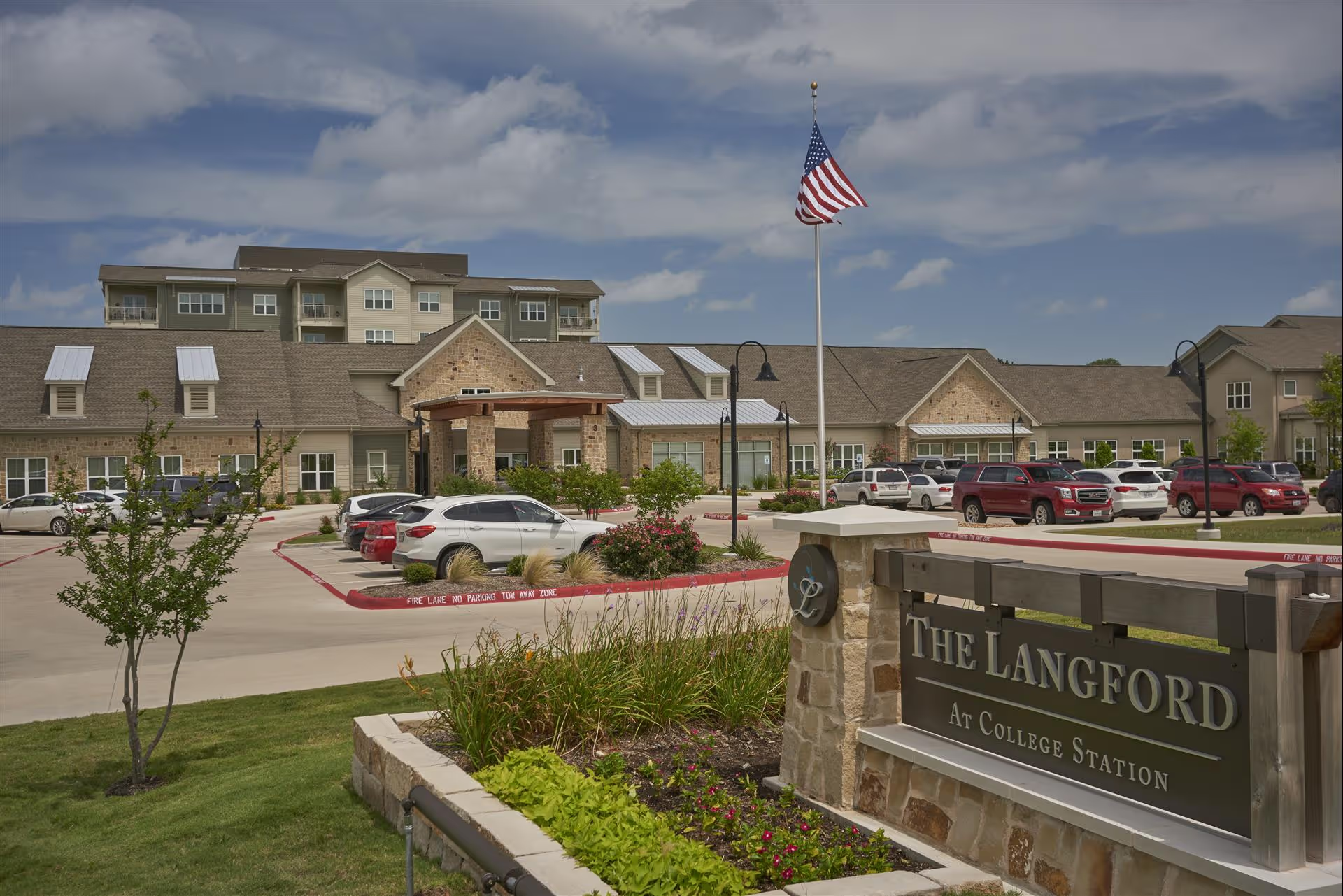
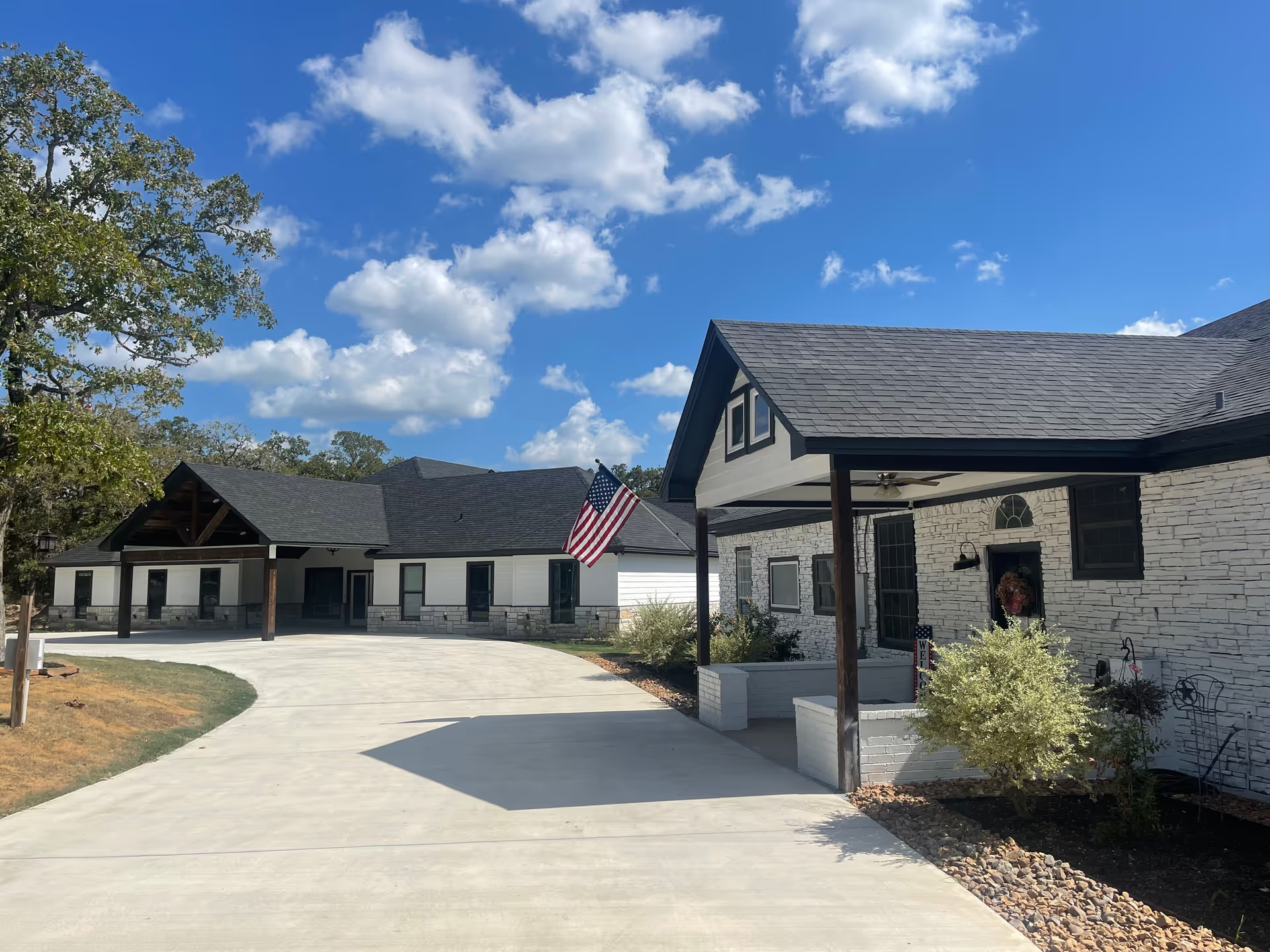
Parc Retirement Community at Traditions presents as a new, well-appointed senior residence with an upscale, hotel-like atmosphere and a broad amenity set. Multiple reviewers describe clean, attractive common areas and thoughtfully designed apartments (including washers/dryers adjacent to closets, balconies, and accessible layouts). The campus offers substantial recreational resources — a saltwater heated pool, regular pool, well-equipped gym, theater, chapel, walking trails, and frequent transportation/shuttle service — and many families highlight the grounds, outdoor spaces, and university-linked programming as strong lifestyle features.
Staff and caregiving receive largely positive commentary: tour staff, salespeople, and many direct-care employees are described as professional, warm, and attentive. Reviewers praise staff who learn residents' names, provide routine assistance (bathing, dressing, restroom checks), and create a welcoming social environment. The memory-care unit is noted for private rooms, secure design, and memory-focused activities. However, reviewers also identify a pattern of inconsistent clinical care specifically within the memory unit — examples include delays in timely personal-care assistance, gaps in oral hygiene and toileting support, delayed responses after falls, and linked urinary-tract concerns. This pattern is reflected in concerns about staff responsiveness, clinical oversight, and family communication around incidents.
Dining and activities are important strengths but show variability. Many reviewers commend appetizing meals, generous portions, hydration focus, and attentive dining service, with options for dining-room service and meal delivery. Activity programming is broad and lively — bingo, bridge, flower arranging, music and memory-stimulation groups, discussion circles, outings for shopping and cultural events, and ties to local university programming. At the same time, some families cite inconsistent meal quality (processed or reheated dishes), small protein portions, limited daily meal coverage, and accessibility issues such as printed schedules in an unreadably small font. There are also notes that social engagement depends on the resident population mix; where many residents have limited functioning, opportunities for interaction can be reduced.
Operational and management themes emerge as mixed. Move-in coordination and logistics receive praise when handled well (loaner beds, movers provided, temporary supplies), but there are documented lapses such as temporary furniture shortages, clothing gaps for new residents, and a moving-van pest-control concern. Several reviews note staff turnover and uneven staff conduct — while many staff are described as caring and proactive, others are characterized as impatient or dismissive, and a small number of reviews raise questions about accuracy of marketing claims (affiliations) and management follow-through. Pricing is frequently described as high; some families feel it is good value for the level of amenities and service, while others cite affordability constraints and wish for more transparent tiered pricing.
Recommendations for prospective residents and families: the community is well suited for people who prioritize new, amenity-rich, hospitality-oriented living and an active campus lifestyle. Families with residents who have higher clinical or memory-care needs should pursue targeted due diligence: request staffing ratios and turnover data for memory care, review incident-response and care-plan communication protocols, observe the memory unit at different times of day, and clarify move-in logistics and pest-control policies. Confirm meal-service schedules and portion policies, ask about accessibility accommodations (print size, covered parking), and verify any marketing claims or external affiliations. Overall, the community offers many positive lifestyle features and strong hospitality; careful review of clinical operations and operational consistency will help determine fit for individuals with higher care needs.