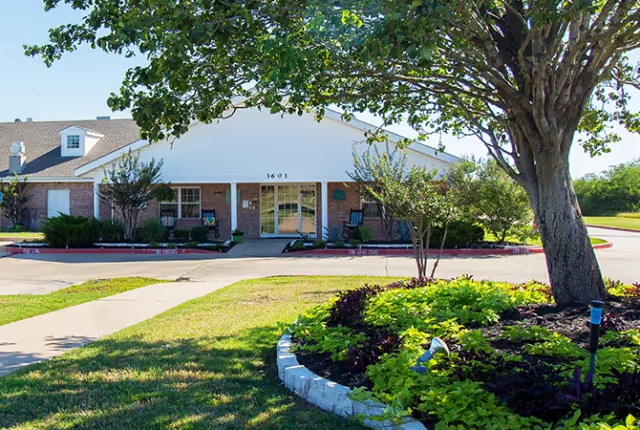
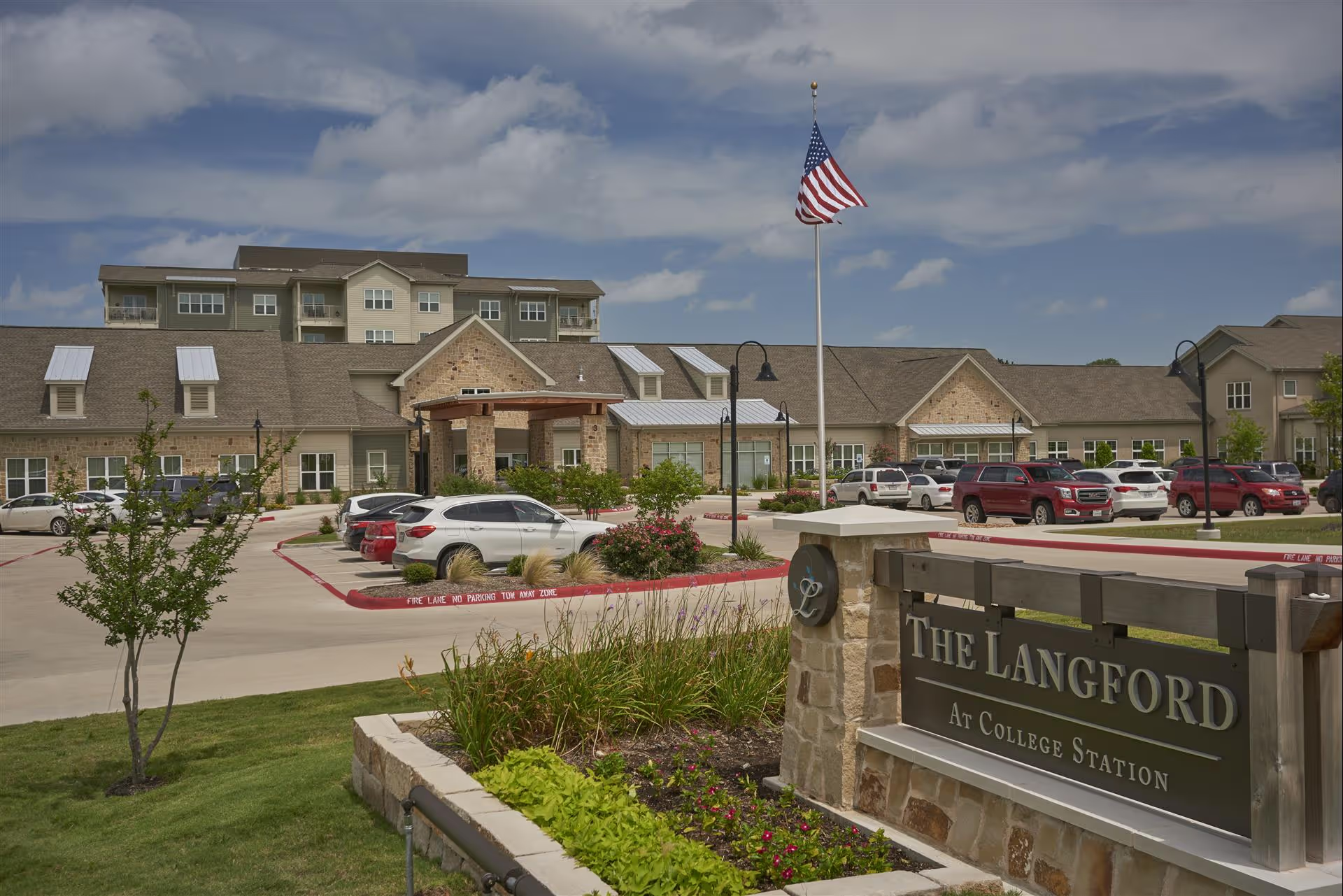
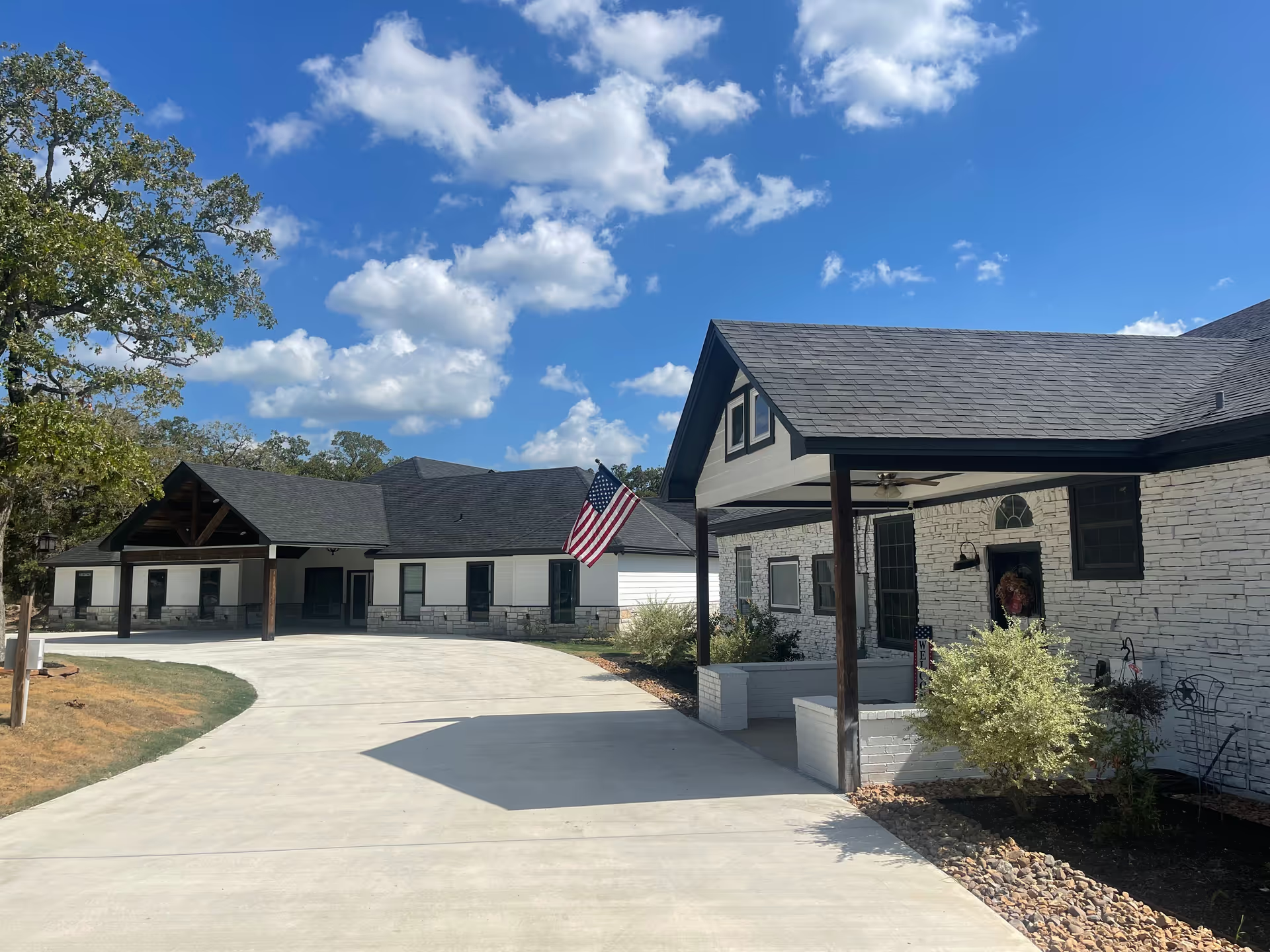
Broadmoor Court elicits a mix of strong positive impressions and recurring operational concerns. Many families highlight a warm, home-like environment with staff who are described as compassionate, attentive, and engaging. The community is small and personable, often praised for its bright, recently remodeled spaces, private rooms with natural light, and active social programming that fosters friendships and daily engagement. Several reviews single out the community-relations team and directors for making move-ins and transitions easier, which contributes to a general sense of safety and peace of mind among residents and families.
Care quality is a central strength highlighted by numerous commenters: caregivers are often characterized as caring, patient, and hands-on, with staff who assist with activities of daily living, medication administration, dressing, and health monitoring. There are specific positives around dementia-aware engagement, individualized attention in a smaller setting, and access to therapy services that have helped mobility for some residents. At the same time, a consistent pattern of operational weaknesses appears across reviews. Chronic understaffing and high turnover contribute to staff being overworked and visible gaps in coverage; these staffing pressures are linked to concerns about responsiveness, variability in staff experience, and intermittent declines in the consistency of care.
Dining and activities are frequent reasons families choose Broadmoor Court. Many reviewers praise chef-prepared meals, variety, and the communal dining experience; daily activities, outings, seasonal events, and an active activity coordinator are recurring positives that support socialization. However, meal-service continuity has been affected by turnover in culinary leadership, which has introduced variability in menu quality and consistency for some families. Activity programming is generally robust, but a few comments point to outdated calendars or reduced visibility of activities at certain times.
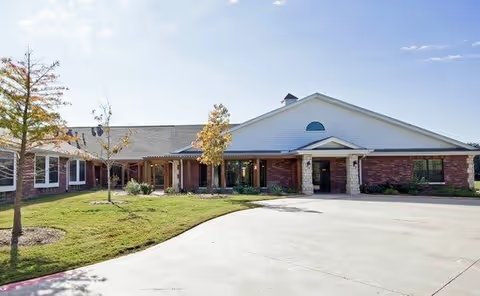
Facility amenities and upkeep draw mixed feedback. The building and common areas are frequently described as clean, bright, and recently updated, with pleasant dining and activity spaces and convenient location. Conversely, there are intermittent sanitation and housekeeping concerns in some rooms and carpeting, and multiple reports of delayed maintenance or slow repair response. Prospective residents should balance the community’s attractive physical environment against these reported inconsistencies in environmental services.
Management and administration receive both strong praise and clear criticism. Several families commend specific leaders for empathy, transparency during move-in, and active resident engagement. Others describe frequent leadership changes, perceived prioritization of budgets over service continuity, and gaps in communication during problems — including uncertainty about on-site clinical leadership and reliance on regional rather than full-time nursing presence. These management dynamics appear linked to the operational issues noted above (staffing, housekeeping, dining continuity).
Notable patterns for prospective families to consider: Broadmoor Court often provides a supportive, social, and well-liked daily experience for residents in a small-community setting, with strong moments of personalized care and excellent dining. However, recurring operational themes — particularly understaffing, turnover in key positions (clinical and culinary), inconsistent housekeeping, and variable management availability — can affect the day-to-day reliability of those strengths. When evaluating the community, families should ask specific questions about current staffing ratios, on-site nursing coverage, housekeeping schedules, culinary leadership stability, recent turnover, and how the community addresses communication and maintenance response times.