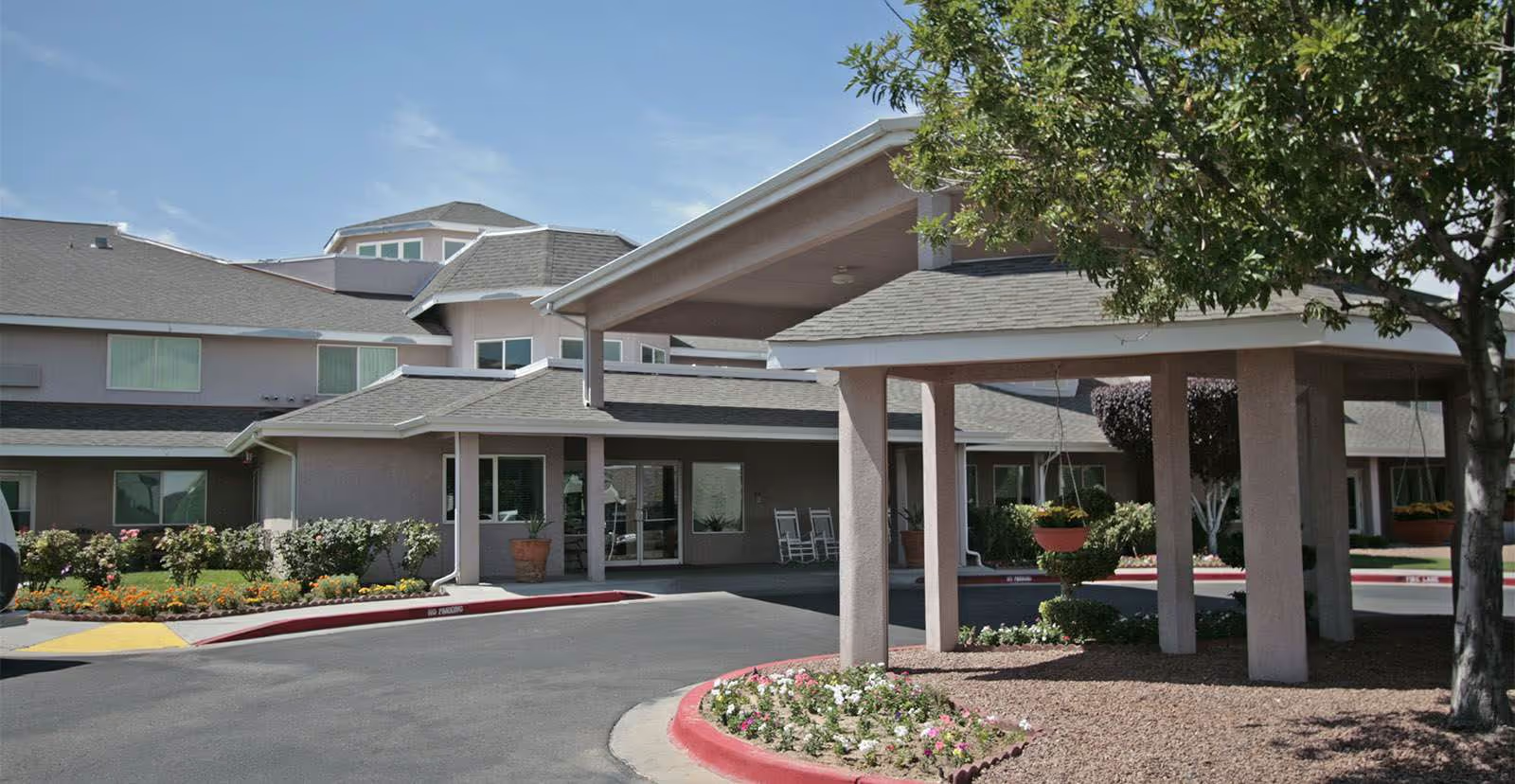
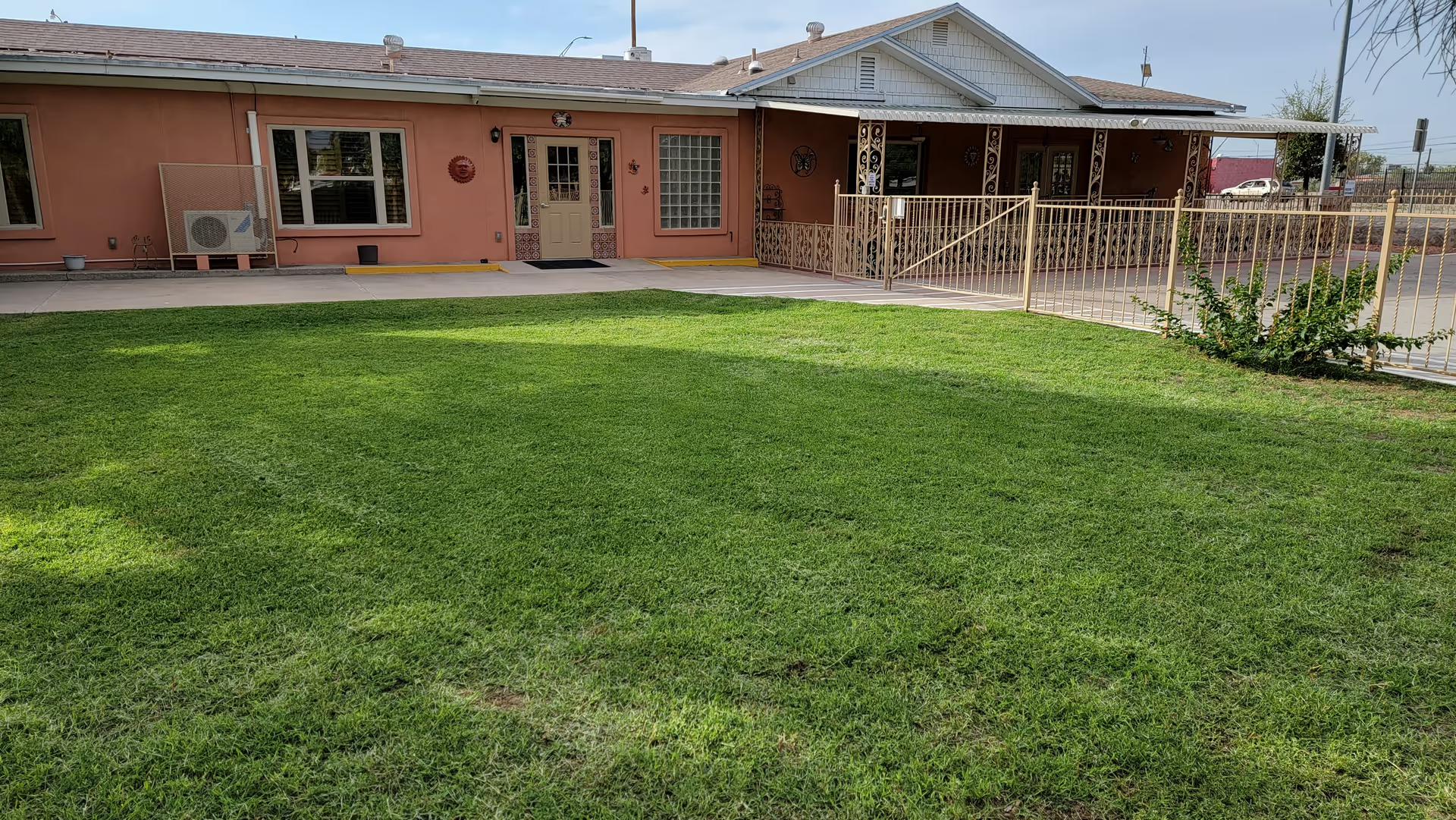
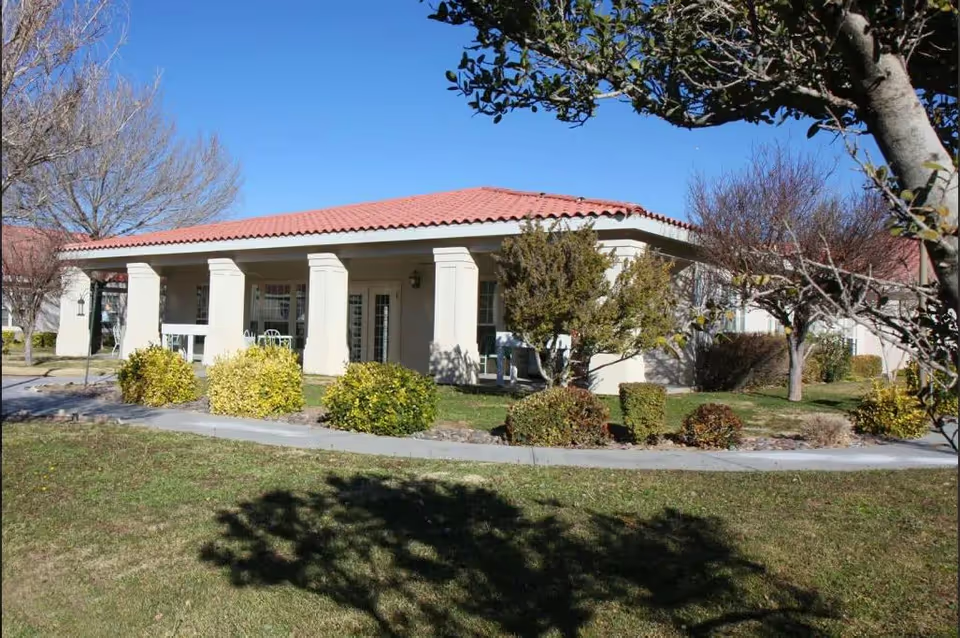
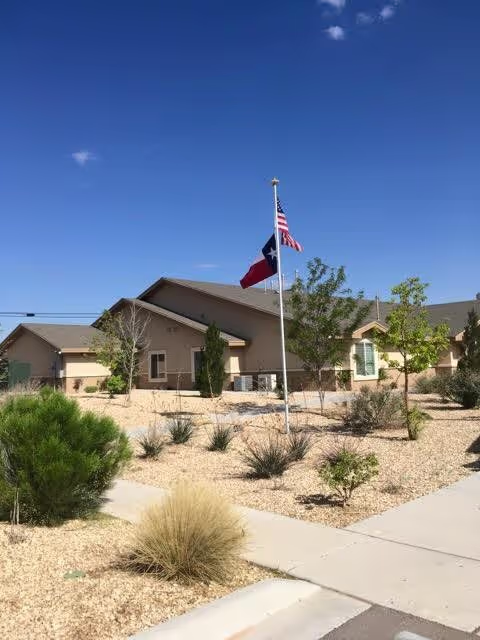
The reviews for Las Ventanas de Socorro present a strongly polarized picture. Many families and residents describe an attractive, well-maintained facility with clean, spacious rooms, active programming, and effective short-term rehabilitation services. Individual caregivers, CNAs, and several nurses are frequently praised for compassionate, hands-on care; specific staff members and the activities program (including church and music events) receive consistent positive mention. At the same time, a substantial portion of feedback highlights operational problems that materially affect resident experience.
Care quality appears uneven. Positive accounts describe successful post-operative rehab and attentive bedside care, while other accounts describe delayed assistance with basic needs, inconsistencies in medication administration and documentation, and cases that led to hospital transfers. There are also allegations in individual accounts regarding inappropriate medication use and practices that limited mobility. Reviewers called attention to missed specialist appointments, gaps in discharge coordination, and instances where clinical follow-through did not meet expectations.
Staffing and staff conduct are central themes. Many reviewers praise dedicated and professional staff members, yet numerous comments describe inconsistent staffing levels—notably nights and weekends—high caregiver workloads, slow response times, and staff distracted by personal devices. Communication style and tone from some staff and nurses was flagged as a concern, and several families reported difficulty reaching supervisory or administrative personnel when questions or incidents arose.
Dining and activities receive mixed feedback. The facility’s cook and some meal experiences are praised, and the activity calendar, holiday events, and social programming are noted as strengths. Conversely, other reviewers describe uniform menus, missed dietary accommodations, variable meal quality, and at least one food-safety concern. Activities staffing and evening engagement were described as inconsistent by some families, producing an uneven social environment across shifts.
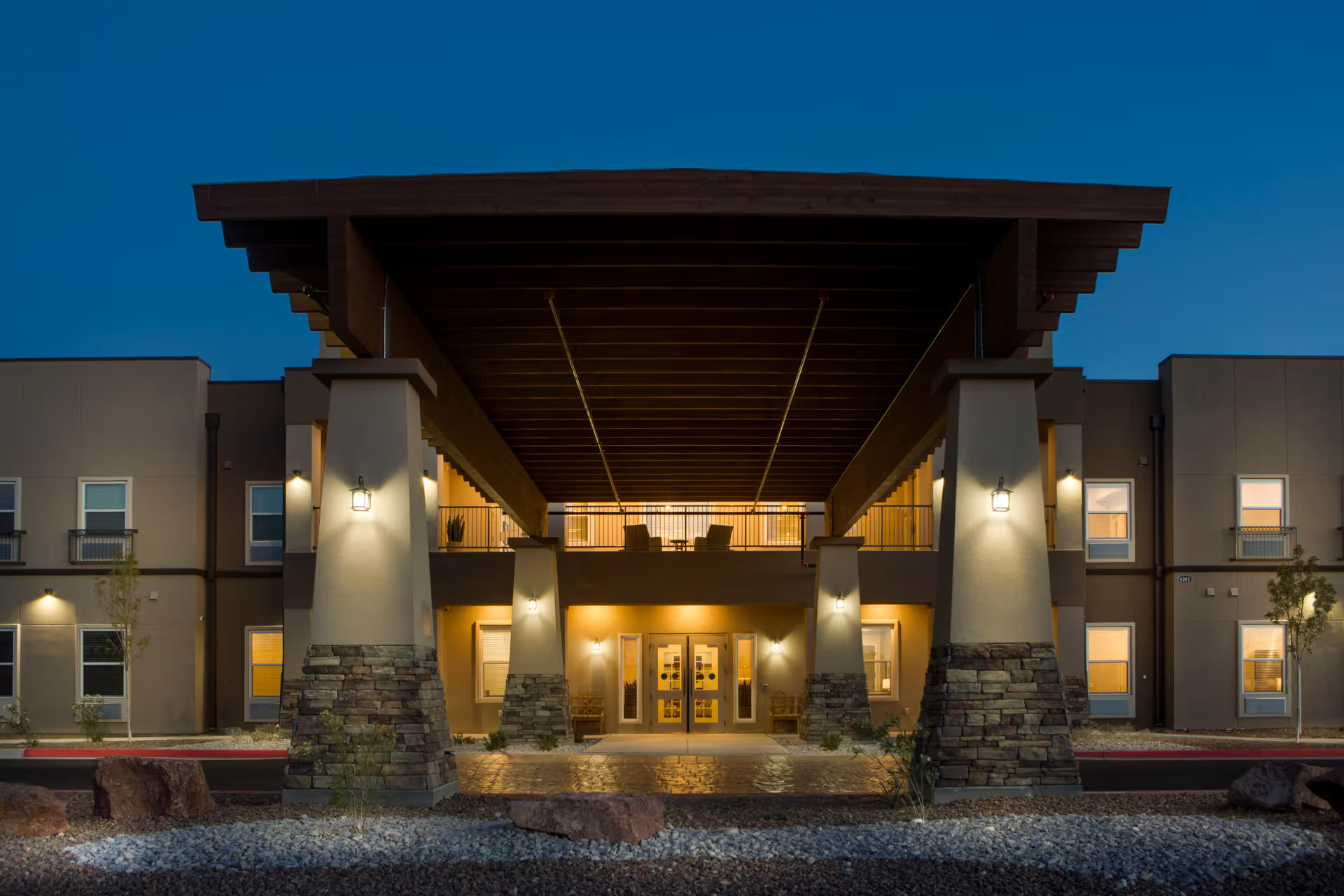
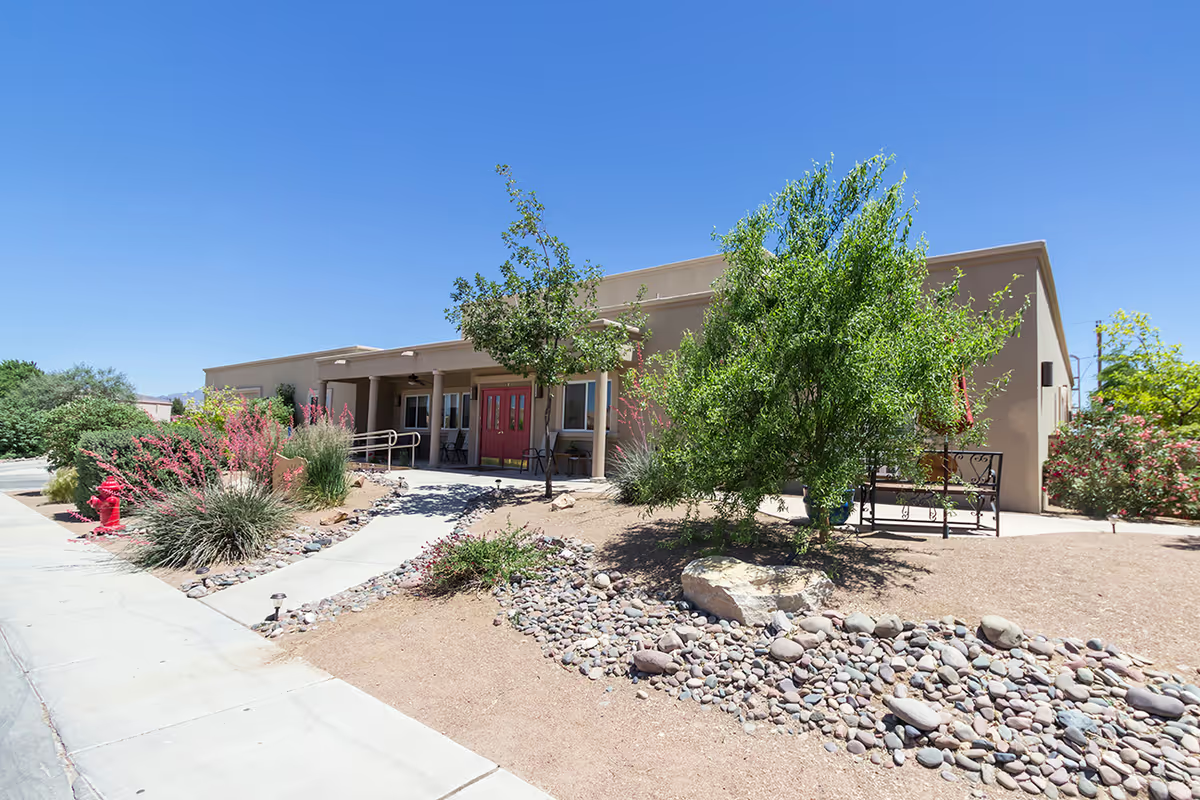
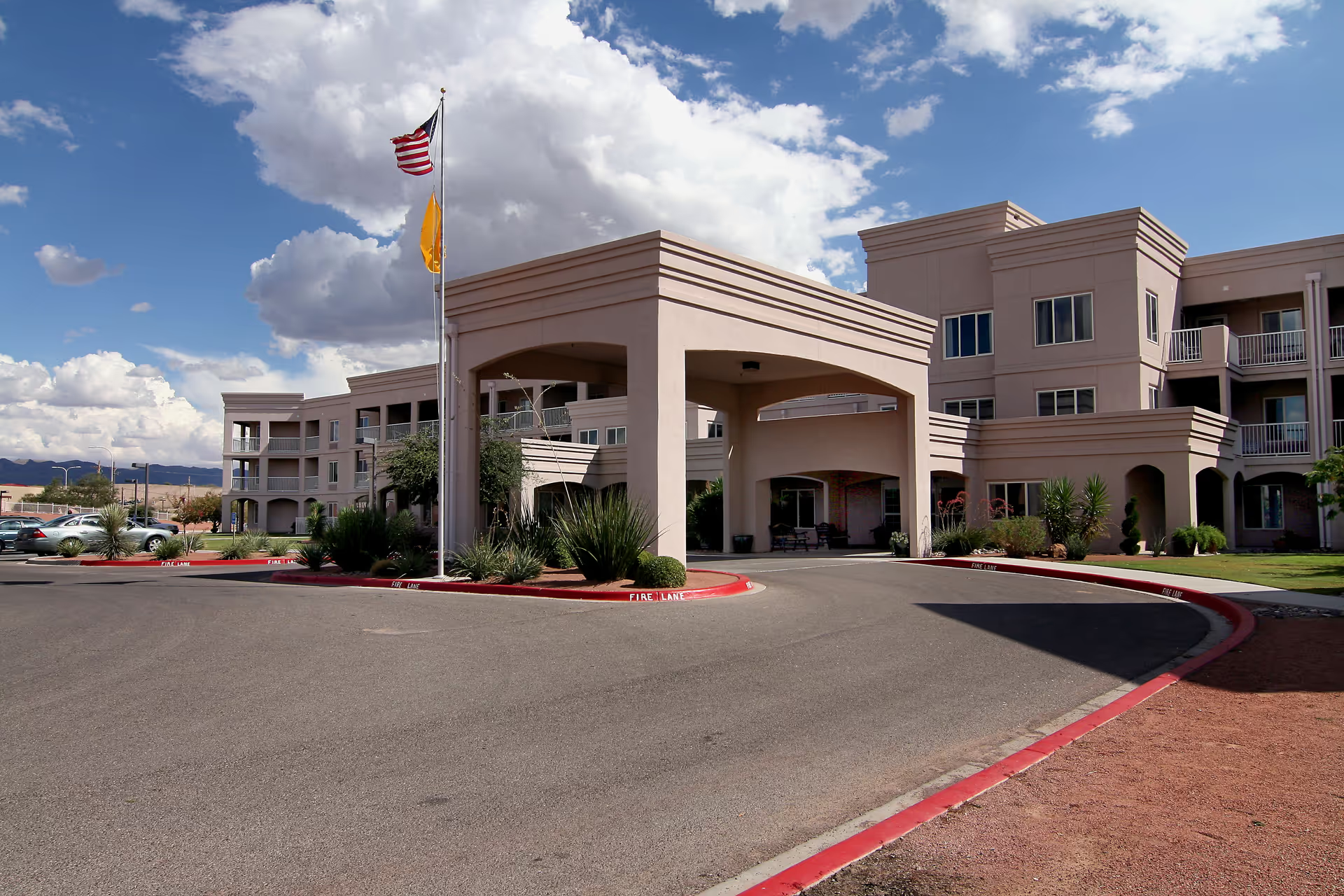
Facility condition and management practices likewise show contrast. The building, therapy spaces, and many common areas are viewed favorably, but reviewers also described sanitation variability (including restroom maintenance), non-functional equipment or call buttons, and housekeeping inconsistencies. Several families raised concerns about management accessibility, unanswered phone lines, slow or absent follow-up, and gaps in incident documentation and family communication. A number of reviewers stated they escalated concerns to authorities or considered regulatory review.
Notable patterns: the experience appears highly dependent on shift, unit, and individual staff members. Positive clinical and social outcomes coexist with operational weaknesses that include staffing instability, medication and documentation gaps, variable hygiene assistance, and communication breakdowns. Prospective residents and families should consider unannounced visits at varied times (including evenings), review staffing ratios and on-call leadership procedures, request current medication-administration and incident-reporting policies, and ask about contingency plans for nights, weekends, and transfers. These steps can help weigh the facility’s tangible strengths against the operational risks identified in multiple accounts.