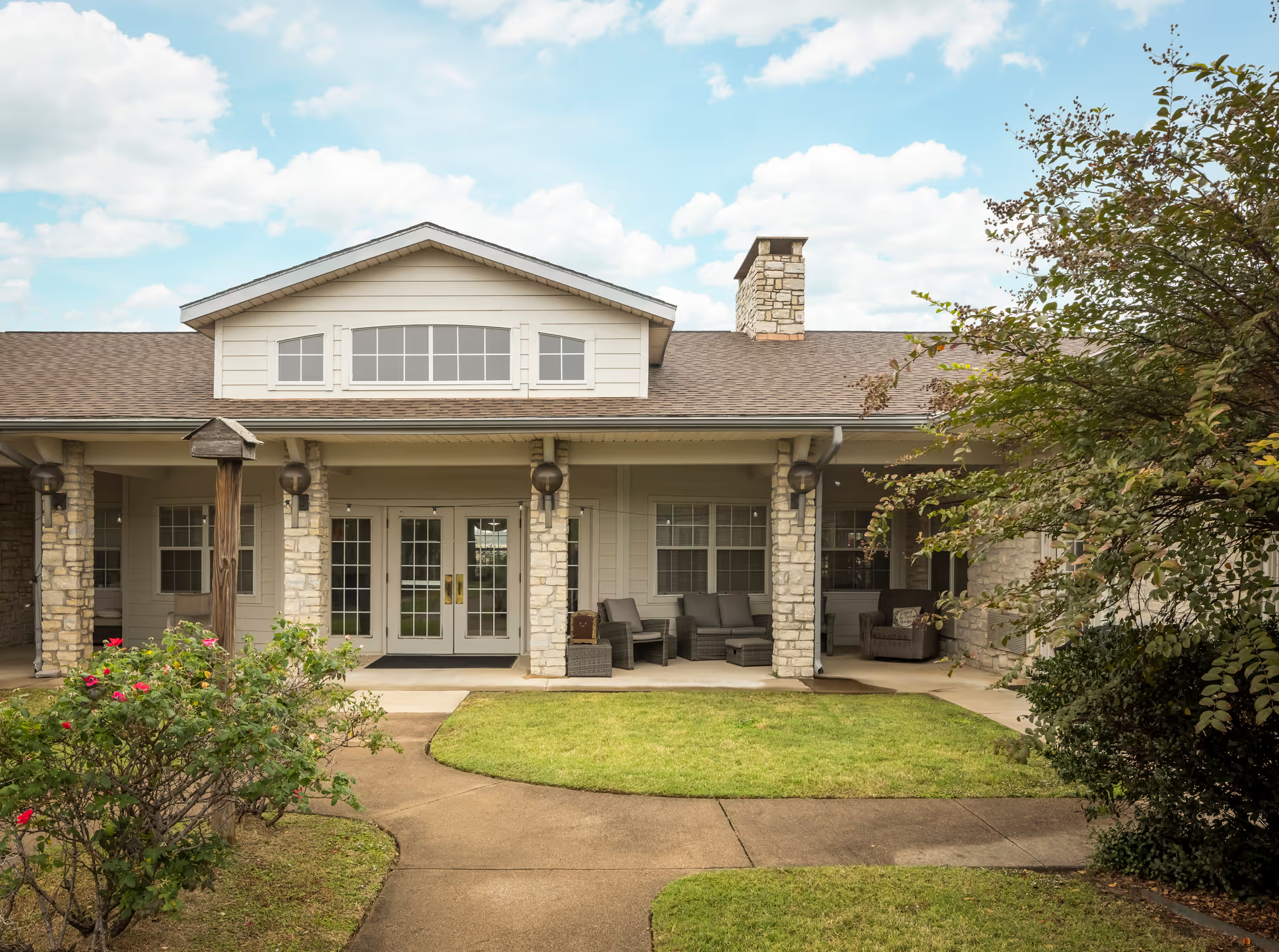
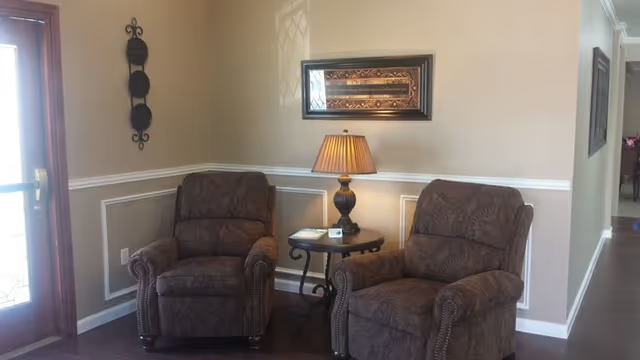
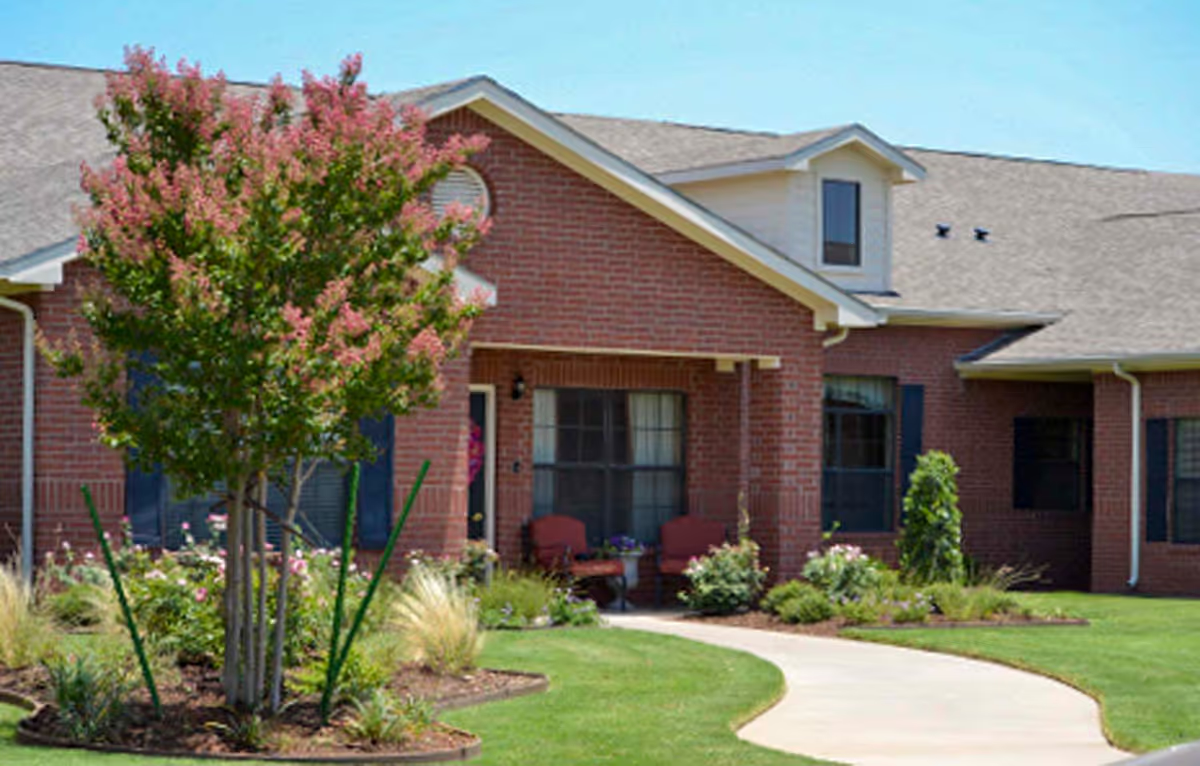
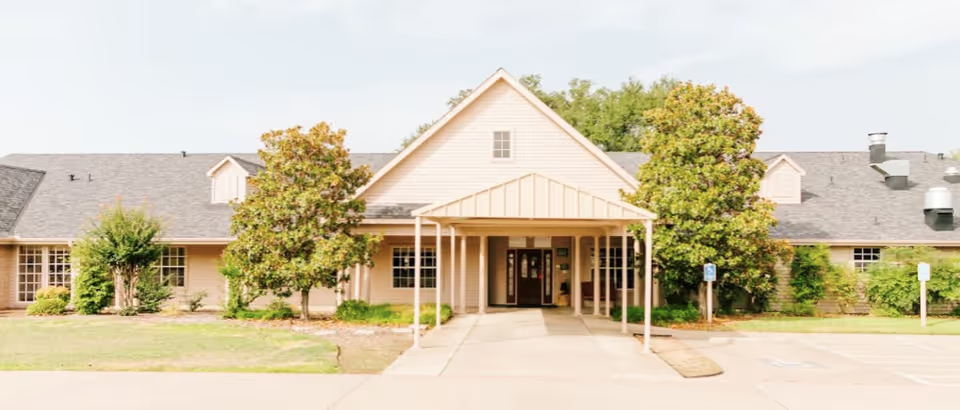
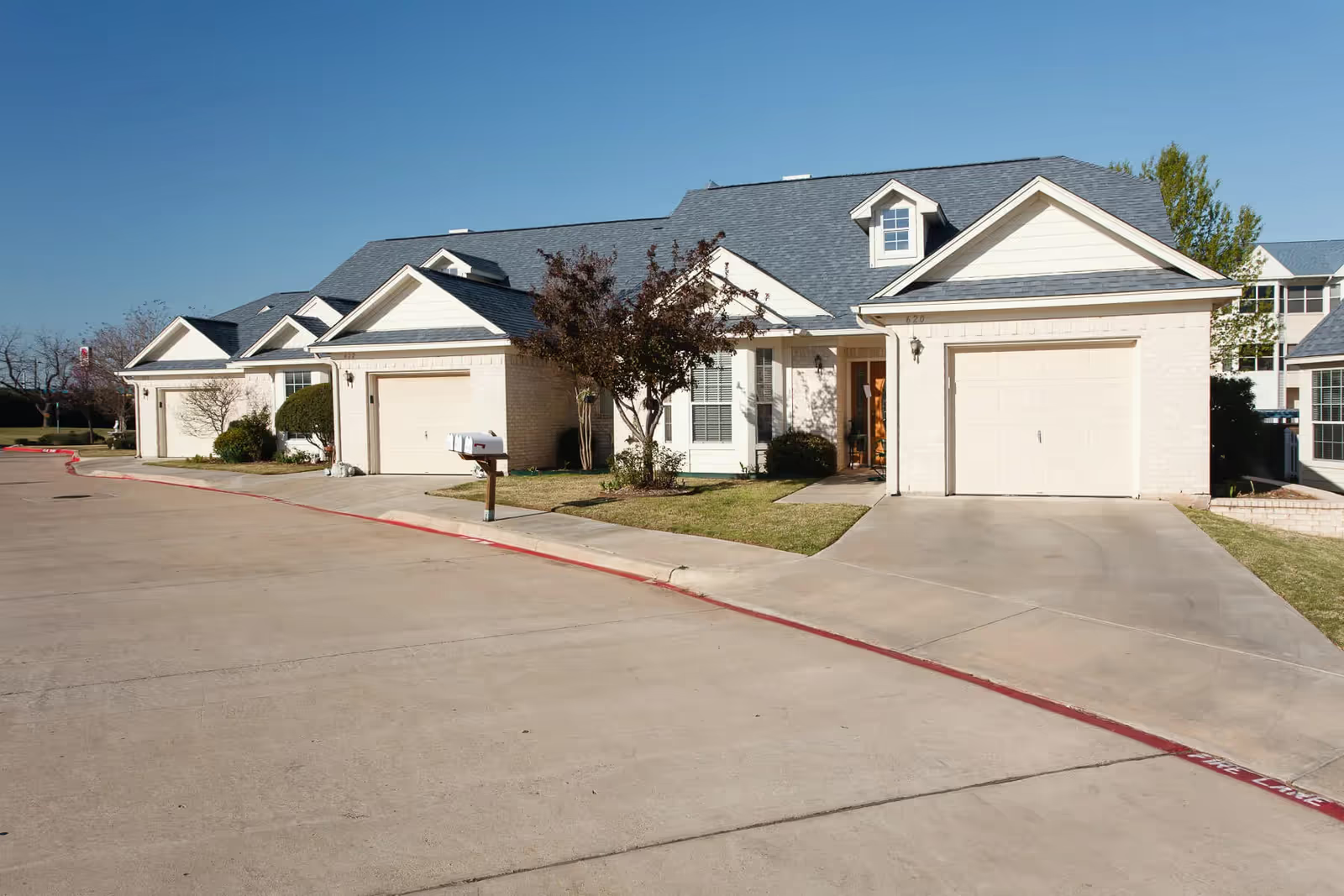
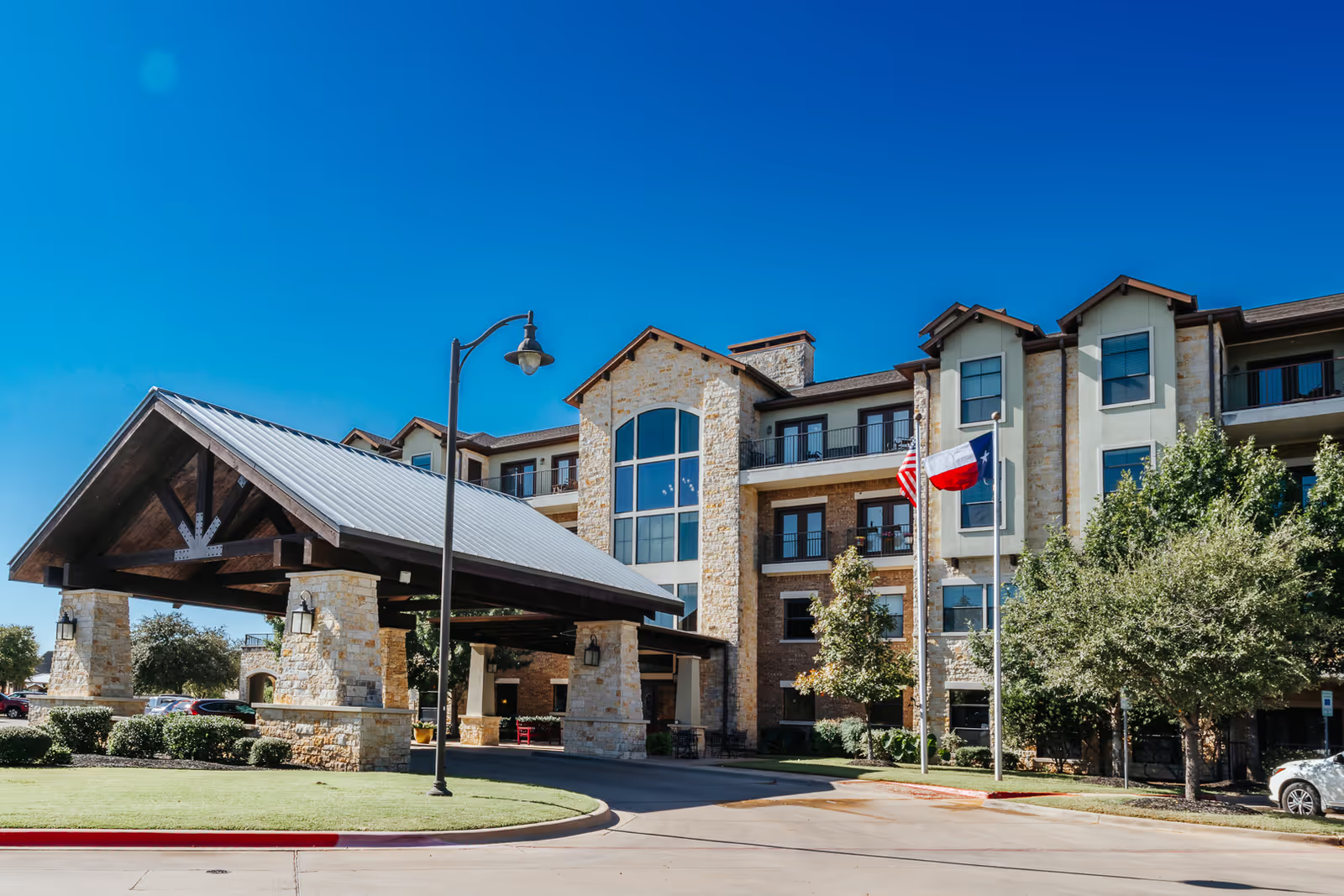
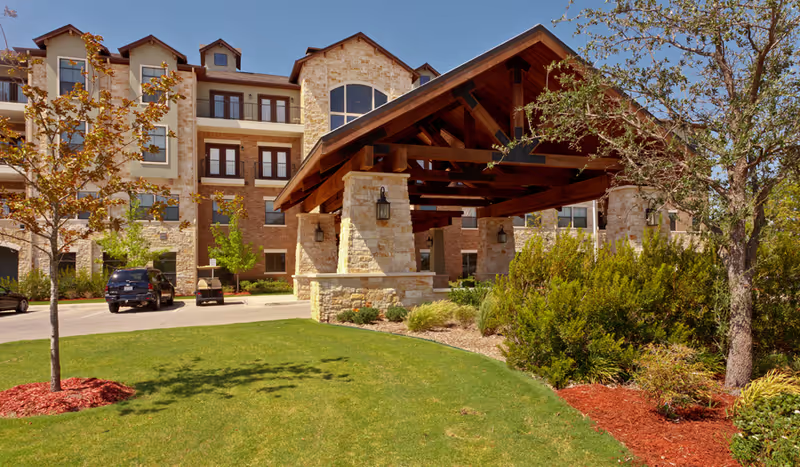
Laurel Glen at Stephenville elicits two consistent themes: many families praise the environment and frontline staff, while a distinct subset of reviews raises operational and clinical concerns. On the positive side, the campus is frequently described as bright, clean and attractively maintained, with comfortable, residential-style rooms and appealing outdoor spaces. Reviewers commonly highlight compassionate, attentive caregivers, med-techs who are patient and engaged, a skilled activities coordinator who leads a robust program, and generally good dining and transportation services. Several families reported smooth transitions to memory care and meaningful resident social interaction.
Care quality and staffing show mixed patterns. Numerous comments describe staff as kind, responsive and competent, and aides and nurses receiving specific praise for attentiveness. At the same time, recurring operational concerns include inconsistent staffing levels, frequent staff turnover and leadership changes. These patterns are associated with reports of delays in response, rushed clinical decision-making during acute events, and perceived gaps in dementia-specific training. A small number of reviewers described severe care concerns, including questions about transfer decisions and end-of-life care; these accounts suggest variability in outcomes that prospective families should investigate directly.
Dining and activities are another area of divergence. Many reviewers praise the food, communal meals and an active calendar of outings and celebrations. The activities program is often singled out as a strength, particularly in assisted-living areas. However, several comments indicate variability in meal preparation and seasoning, and others note limited social interaction, activity participation and meal-service attention specifically within the memory-care unit.
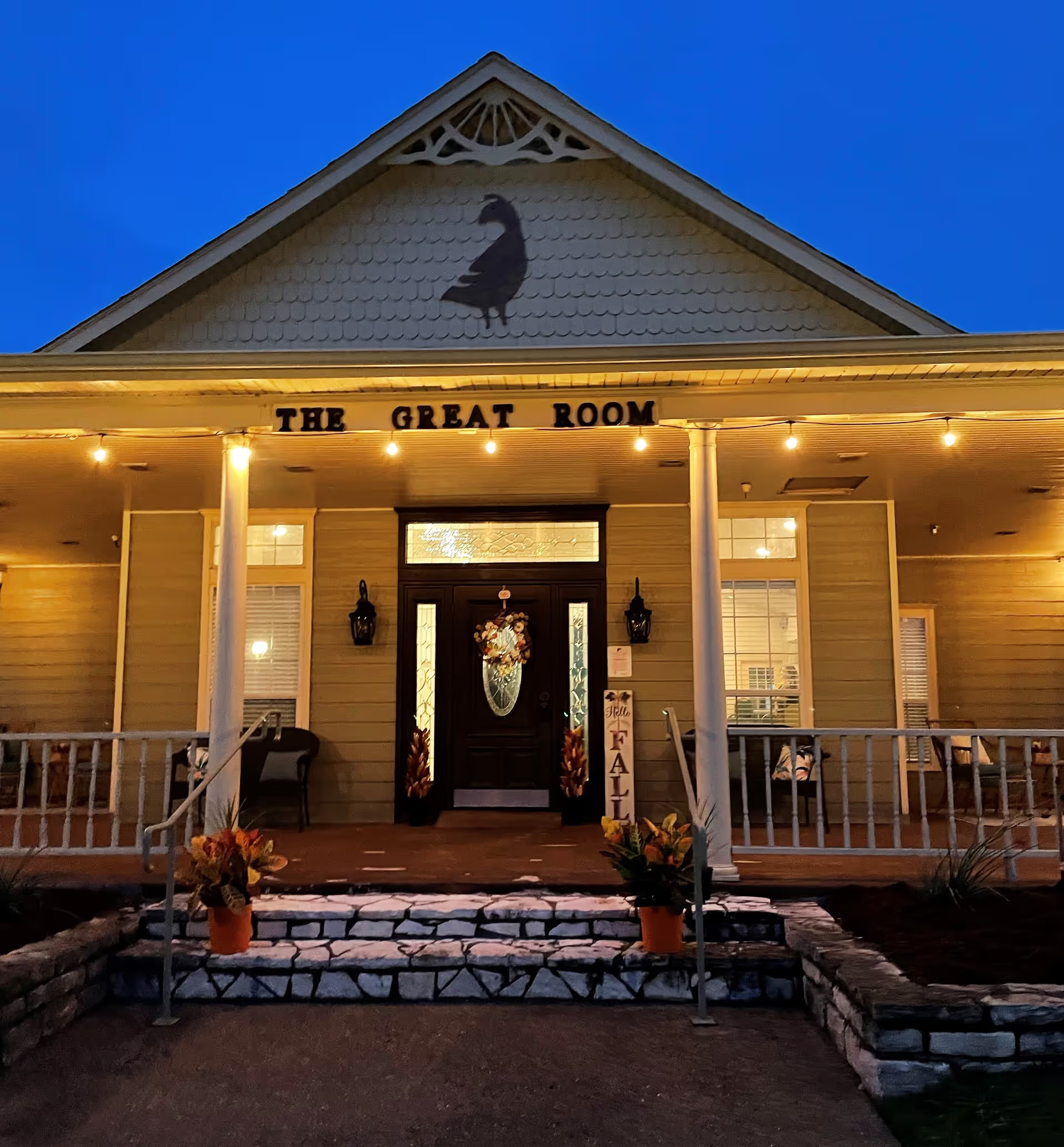
Facilities and safety: the physical plant is generally described as attractive, bright and homey, with a contained courtyard, large porches and well-kept grounds. Unit layouts are considered spacious by many, and private rooms with ensuites are available. Nonetheless, reviewers also raised concerns about maintenance and safety—examples include broken doors, locked communal doors, and unit layouts that are not fully walker-friendly. There are also sanitation and housekeeping inconsistencies cited that warrant direct observation during a tour.
Management and communication issues appear frequently in the reviews. Families reported unreturned calls and emails, unclear billing or extra charges, and a perception that administrative priorities sometimes emphasize financial or occupancy goals over individualized care. Leadership instability, including director turnover, was noted and may contribute to variable day-to-day performance.
Taken together, the pattern is one of a facility with clear strengths—pleasant environment, engaged activities, and many caring staff members—counterbalanced by operational risks tied to staffing consistency, dementia-care training, cleanliness protocols, clinical coverage and management responsiveness. Prospective residents and families should arrange an in-person visit at peak care times, observe mealtime and activities, ask specific questions about staffing ratios, dementia training, housekeeping schedules, on-site clinical coverage, maintenance and security procedures, and request clarity on billing and ancillary charges. Speaking with current families and inspecting the memory-care unit specifically will help clarify whether the facility’s strengths reliably match an individual resident’s needs.