The reviews present a polarized picture of Bridgewater Memory Care. Many families praise the facility’s dementia focus, warm atmosphere, and active programming; others describe a decline in certain aspects of care tied to leadership and staffing changes. Prospective families will find clear strengths in the facility’s memory-care orientation and physical environment alongside operational concerns that have emerged as the organization has experienced turnover.
Care and clinical staffing: Numerous reviewers highlight compassionate, hands-on caregivers and an on-site clinical presence (LVN, RN consultant or executive director, and periodic physician visits). These elements support individualized care and a strong therapeutic environment for residents with Alzheimer’s and related dementias. At the same time, reviewers identify a pattern of high staff turnover and the hiring of less-experienced staff in places and times, which correlates with concerns about decreased responsiveness, missed or delayed assistance with transfers and feeding, and inconsistent medication practices. Families describe a meaningful difference in experience depending on the current leadership and staffing stability.
Dining and daily assistance: Opinions on dining are mixed. Some families describe well-kept dining and homelike meals, while others report inconsistent meal-service continuity and issues with food temperature and consumption. Relatedly, gaps in assistance during transfers and mealtimes were raised; operationally, this suggests the facility’s care routines and staffing allocations for meal periods and mobility support can be uneven.
Activities and social life: The activity program is repeatedly cited as a strength. Reviewers note engaging, inclusive programming that promotes socialization, outdoor walks (including for wheelchair users), and a reduction in isolation for many residents. The environment is described as warm and inviting, with caregivers who build personal connections and promote resident camaraderie.
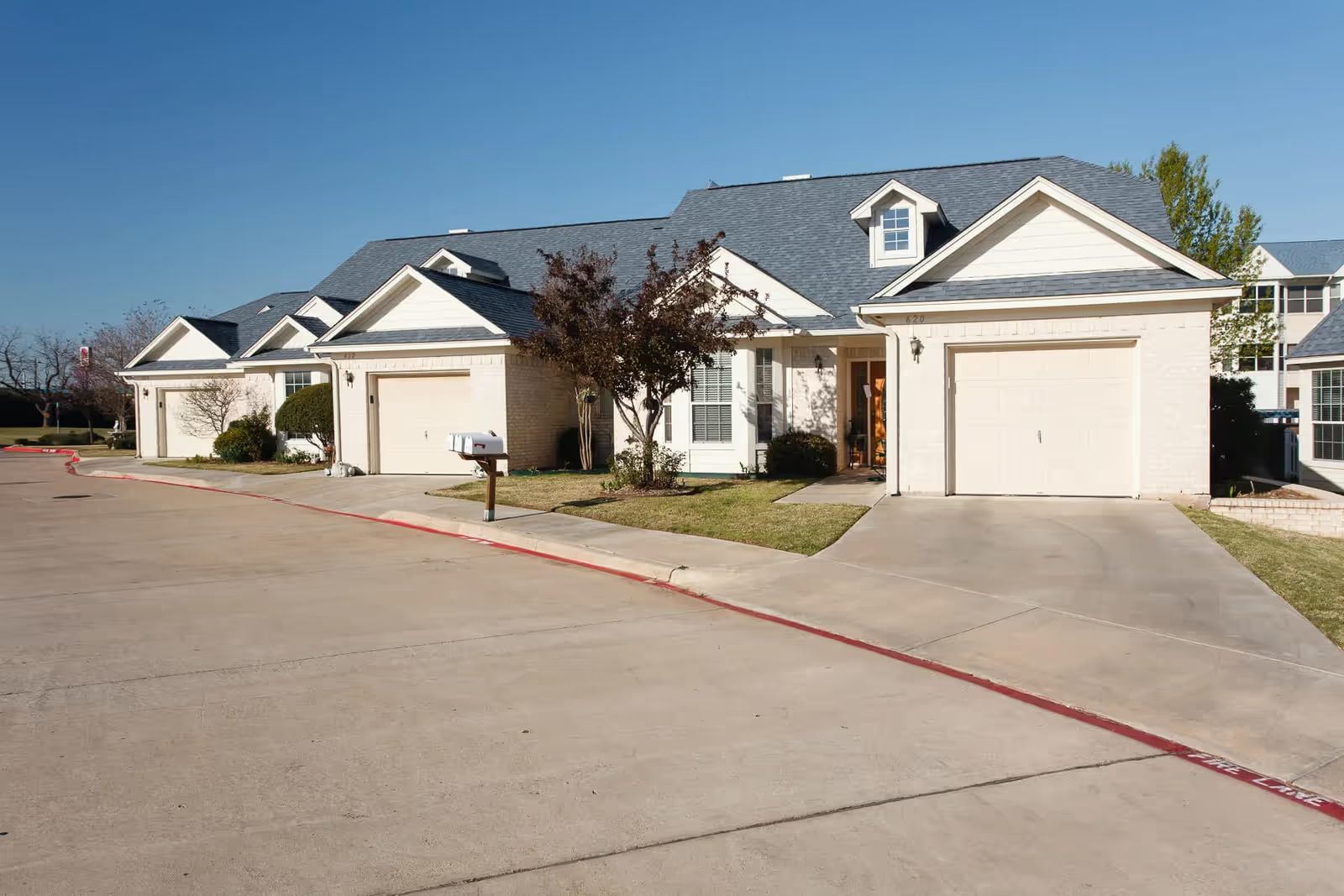
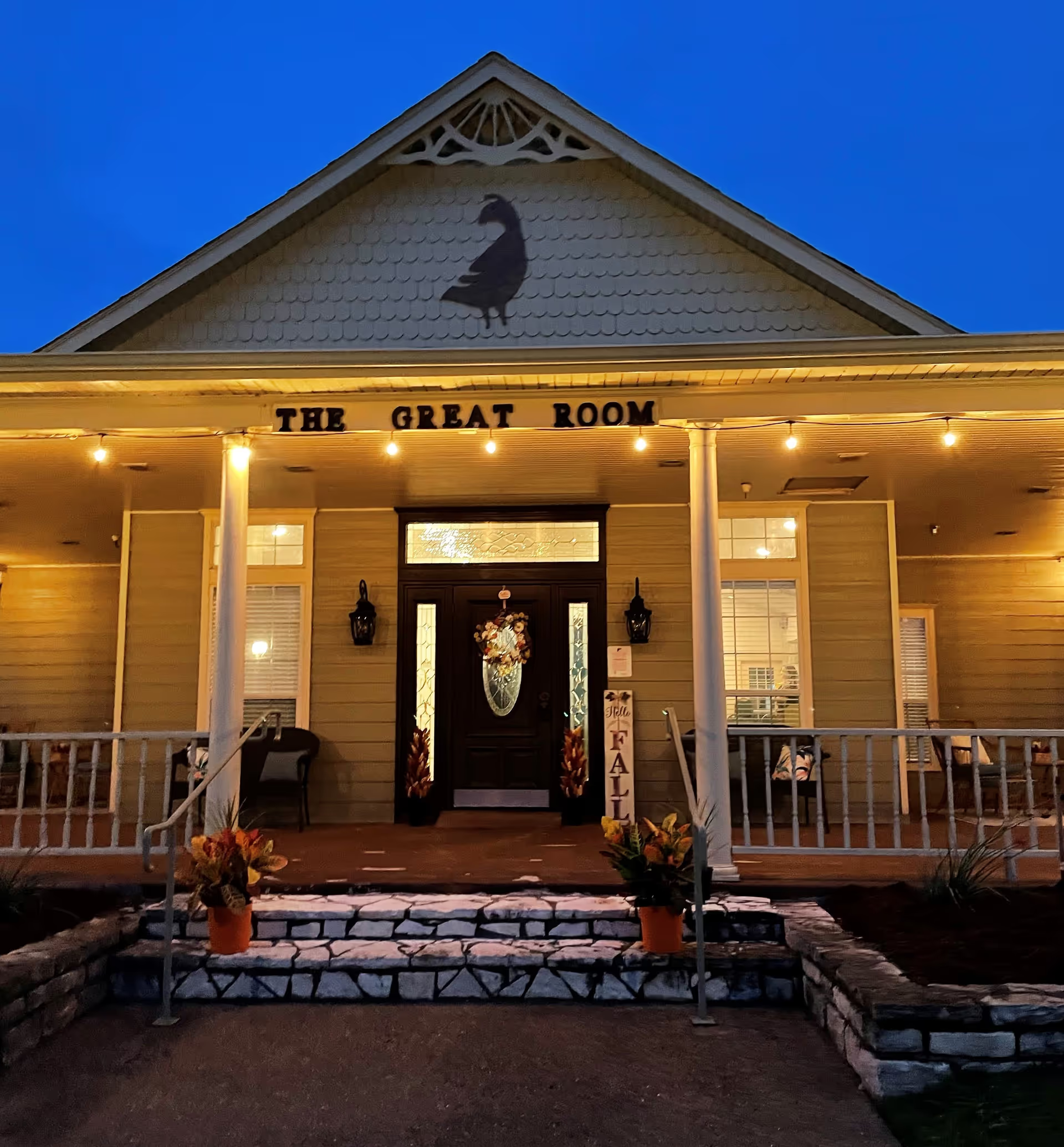
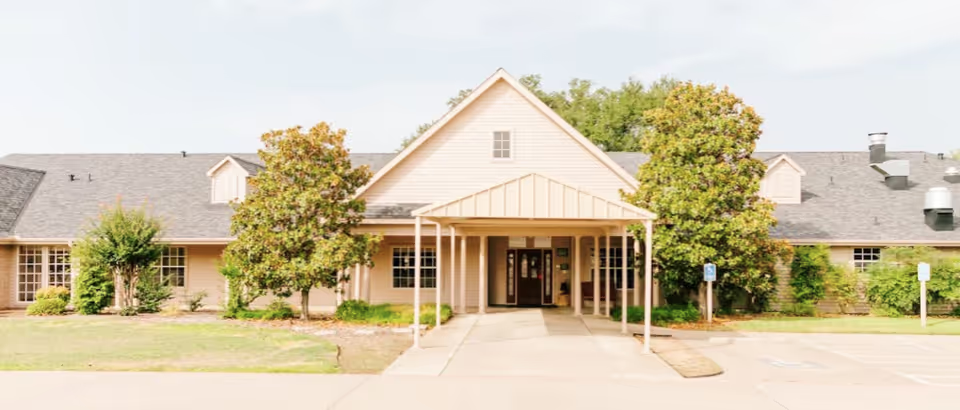
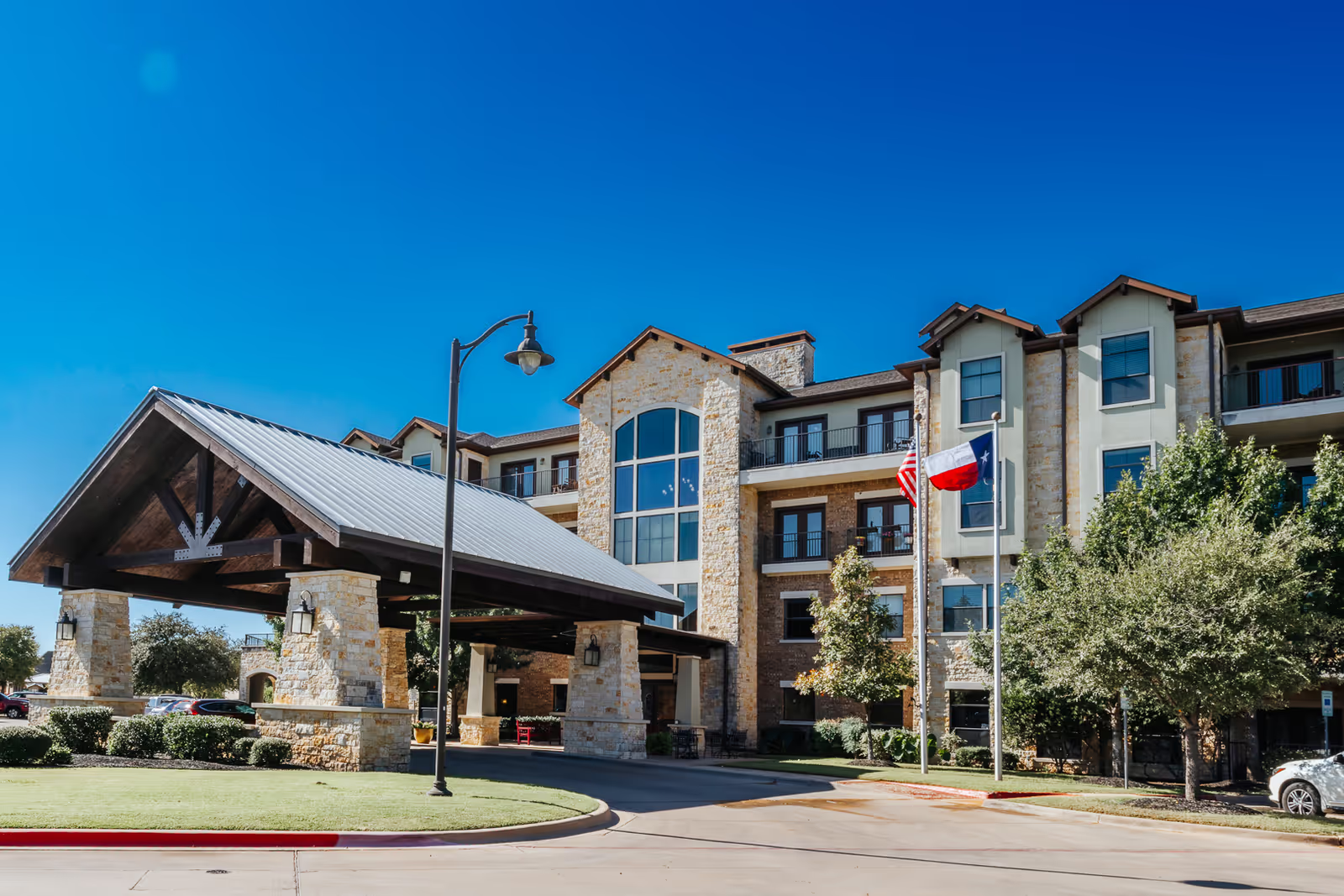
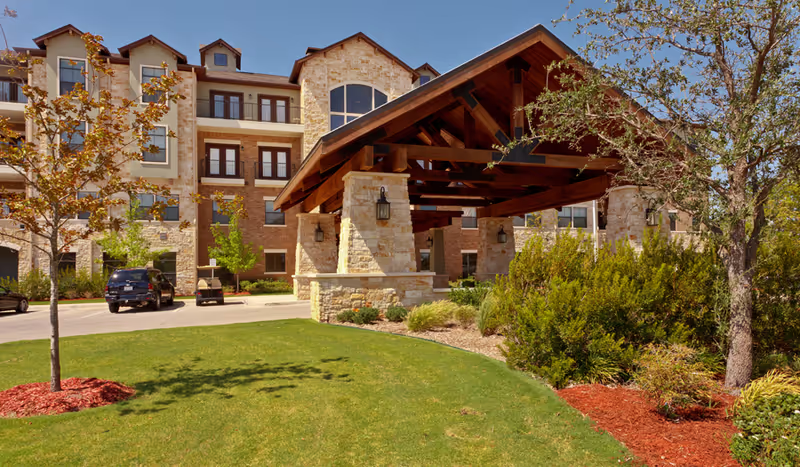
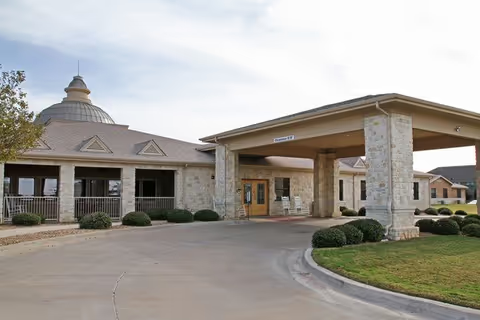
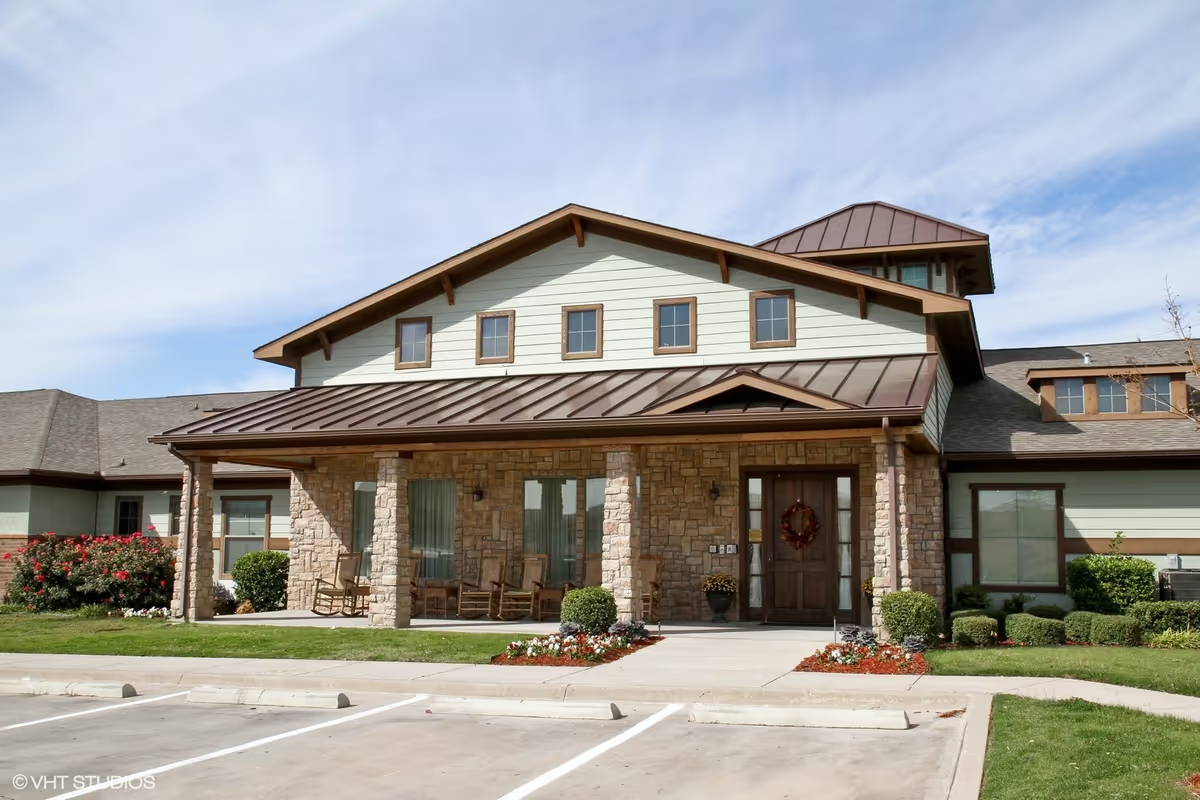
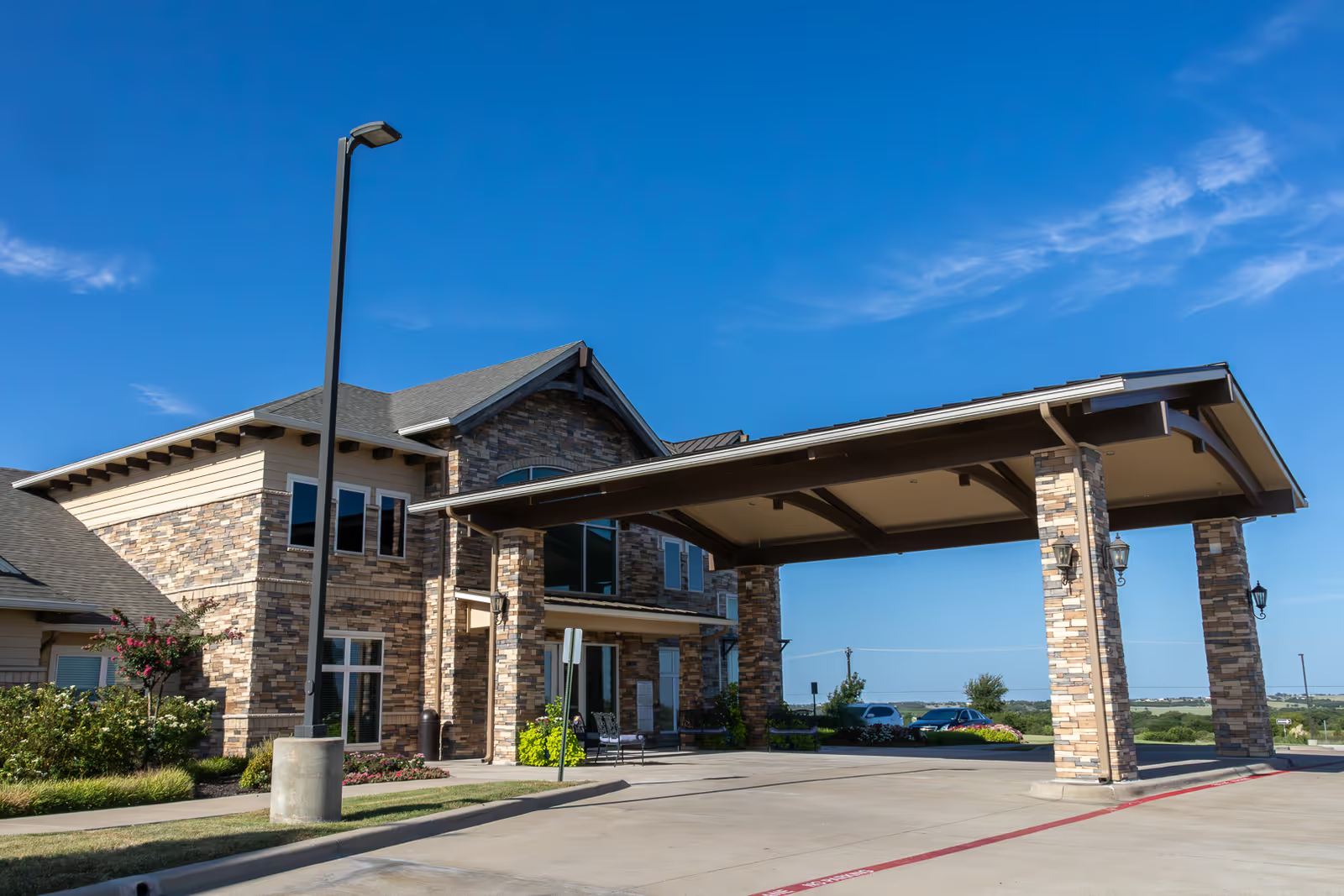
Facilities and safety: The building, courtyards, and common areas receive consistent praise for being attractive, home-like, and easy to navigate. The locked memory-care unit and monitored outdoor spaces are positive features for safety. Some reviewers, however, mention layout issues (for example, rooms that open directly onto a large corridor) that may affect privacy or comfort for specific residents. There are also mentions of policy-enforcement inconsistencies such as smoking in patio areas, indicating variable implementation of community rules.
Management and notable patterns: A clear pattern across the reviews is sensitivity to leadership and ownership transitions. Periods of stable, engaged leadership are associated with strong family communication, clinical oversight, and high staff morale; transitions and perceived ownership changes correlate with staff retention problems and declines in some aspects of daily care. Additionally, at least one family described problems coordinating post-death procedures, indicating gaps in end-of-life administrative processes and family communication that prospective families should clarify. Overall, the facility has strong operational strengths in memory-care programming and environment, but prospective residents and families should inquire specifically about current staffing levels, staff training and turnover, medication administration procedures, meal-service routines, and post-death family coordination when evaluating placement.