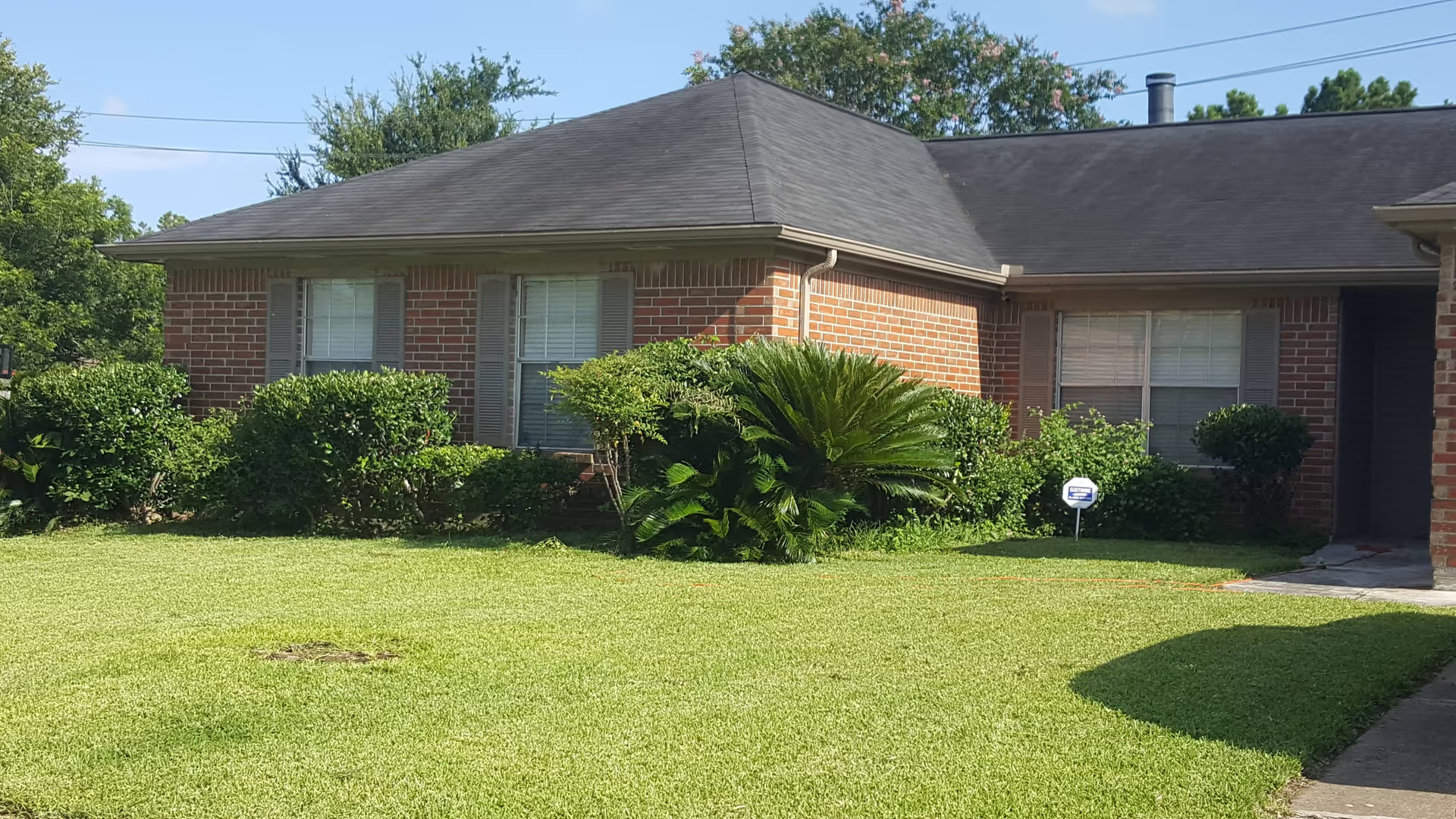
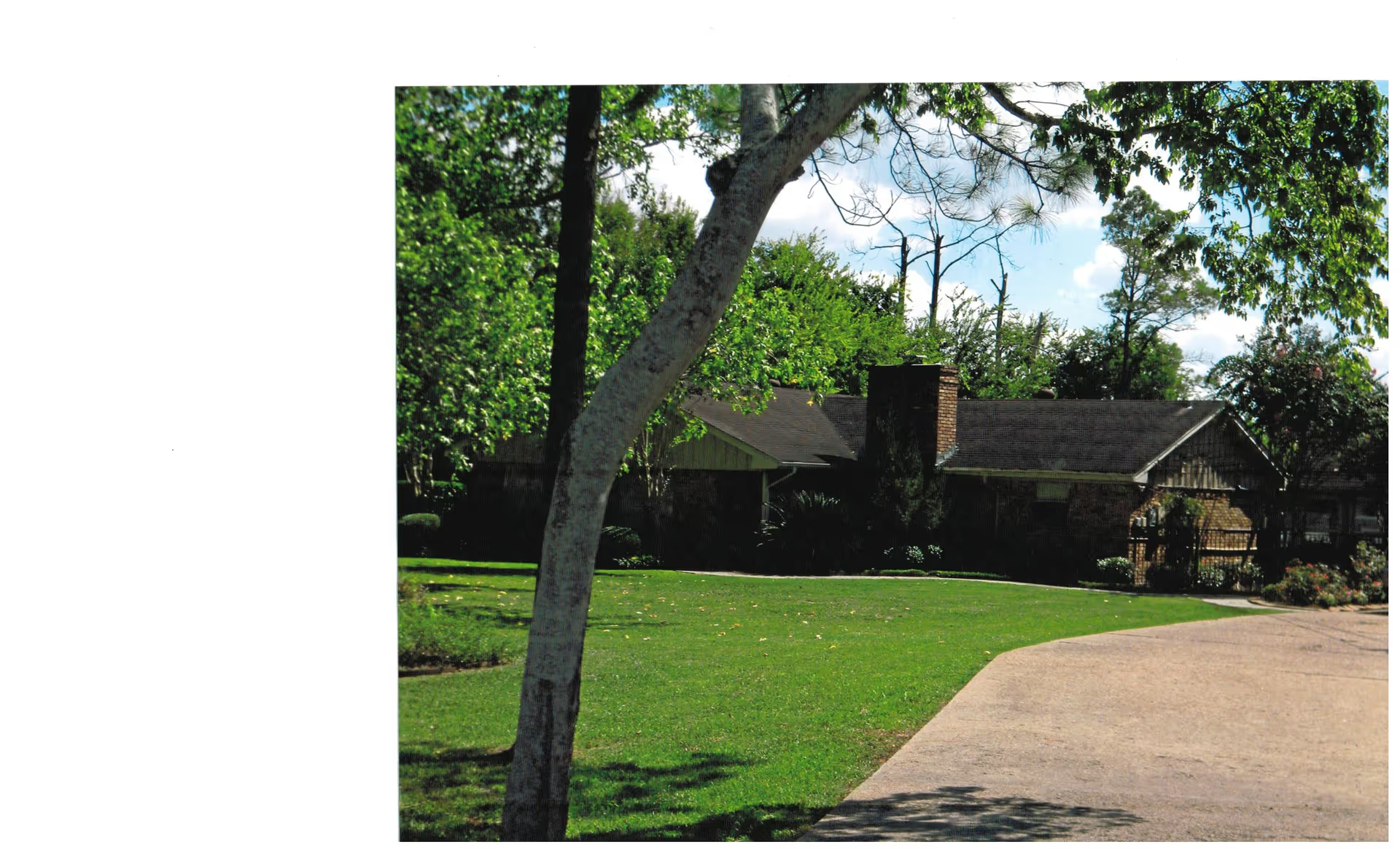
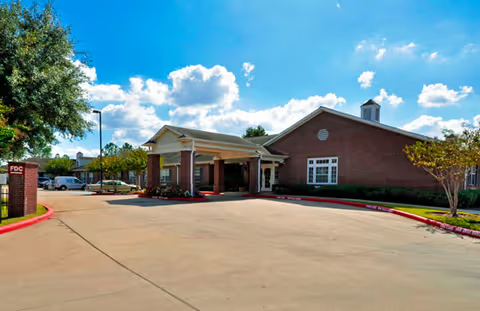
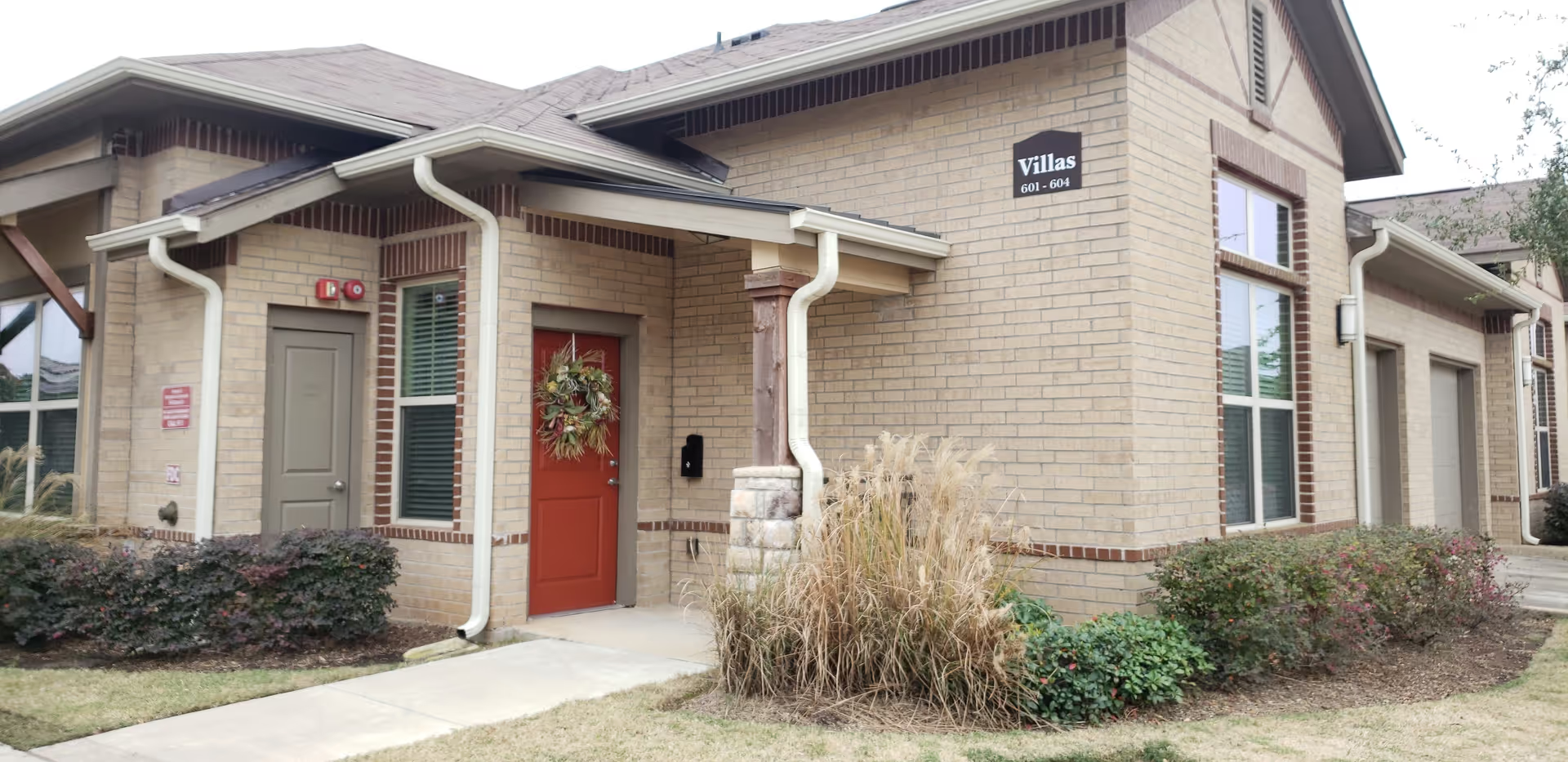
Hoover Oaks is consistently described as a small, well-kept memory care and assisted living community with strengths in basic operations and personalized attention. Reviewers emphasize a clean, orderly environment and private rooms, and they describe the property as safe and peaceful. The community’s modest size is repeatedly framed as an advantage for individualized care, although it also implies limited capacity.
Care quality and staff interactions are the most prominent positive theme. Families characterize staff as compassionate, efficient, and attentive, with many noting that staff respond promptly to concerns and coordinate care with outside providers. Management is described as proactive and communicative; reviewers highlight timely medication administration, structured scheduling, and regular medication reviews. There are also multiple mentions of effective coordination with hospice services when needed.
Dining and basic clinical support draw frequent praise. Meals are prepared on-site, described as homemade and nutritious, and reviewers credit the dining program with improving residents’ nutritional and hydration status after transfers from other settings. Operational routines — medication timing, room cleanliness, and day-to-day care tasks — are presented as well-managed and reliable.
The facility’s small scale contributes to a family-like atmosphere and close staff–resident relationships, which many families view positively. That same small scale can create trade-offs: prospective residents should expect limited bed availability and fewer on-site amenities than larger campuses. Reviews do not detail a broad range of structured activities or high-acuity clinical services, so families with complex medical needs or those seeking extensive programming should verify what is offered.
Overall, Hoover Oaks projects an image of consistent, hands-on caregiving, strong housekeeping and dining operations, and proactive management. Prospective residents and families would benefit from an in-person visit focused on current activity calendars, staff-stability measures, bed availability, and the scope of on-site clinical services to confirm the community’s fit for specific care needs.