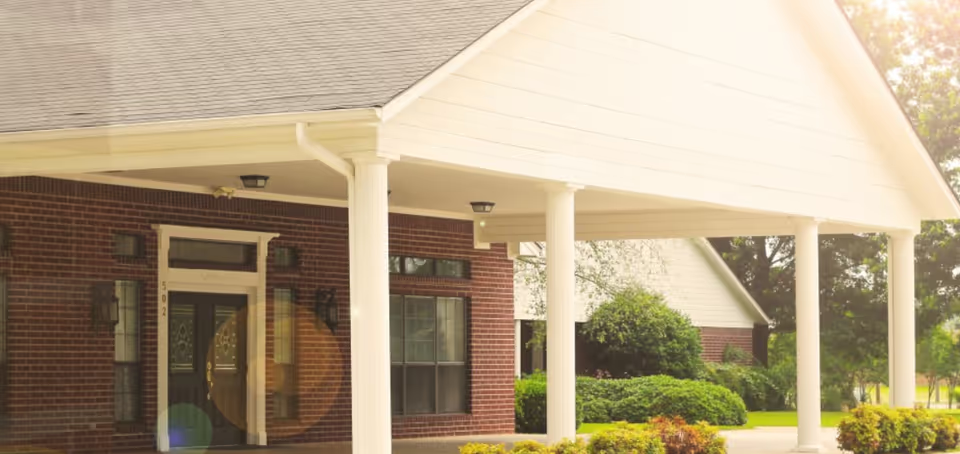
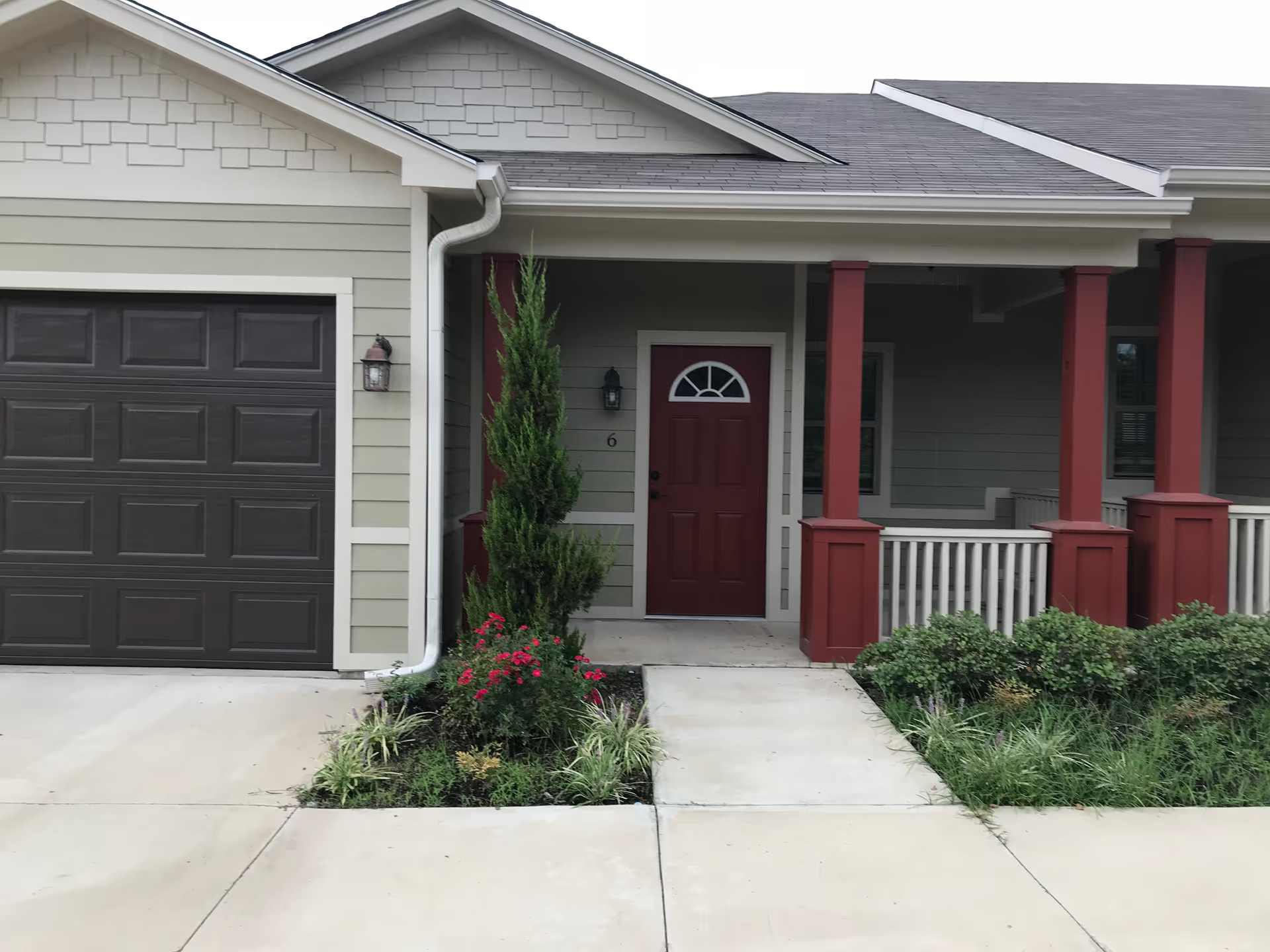
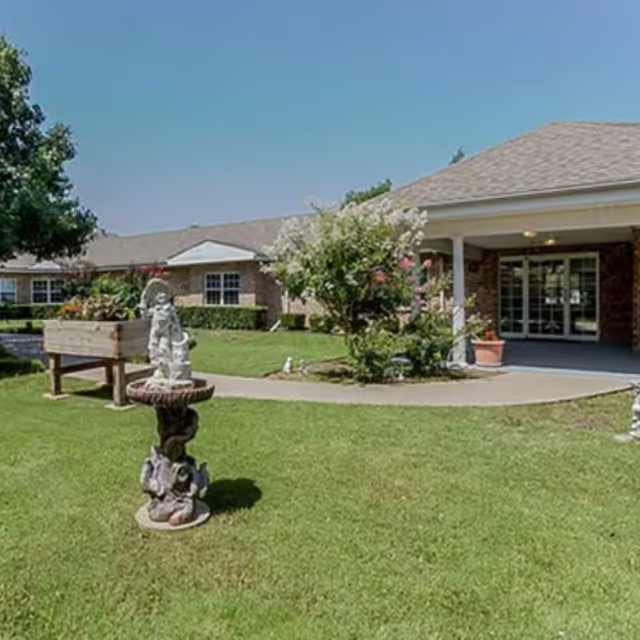
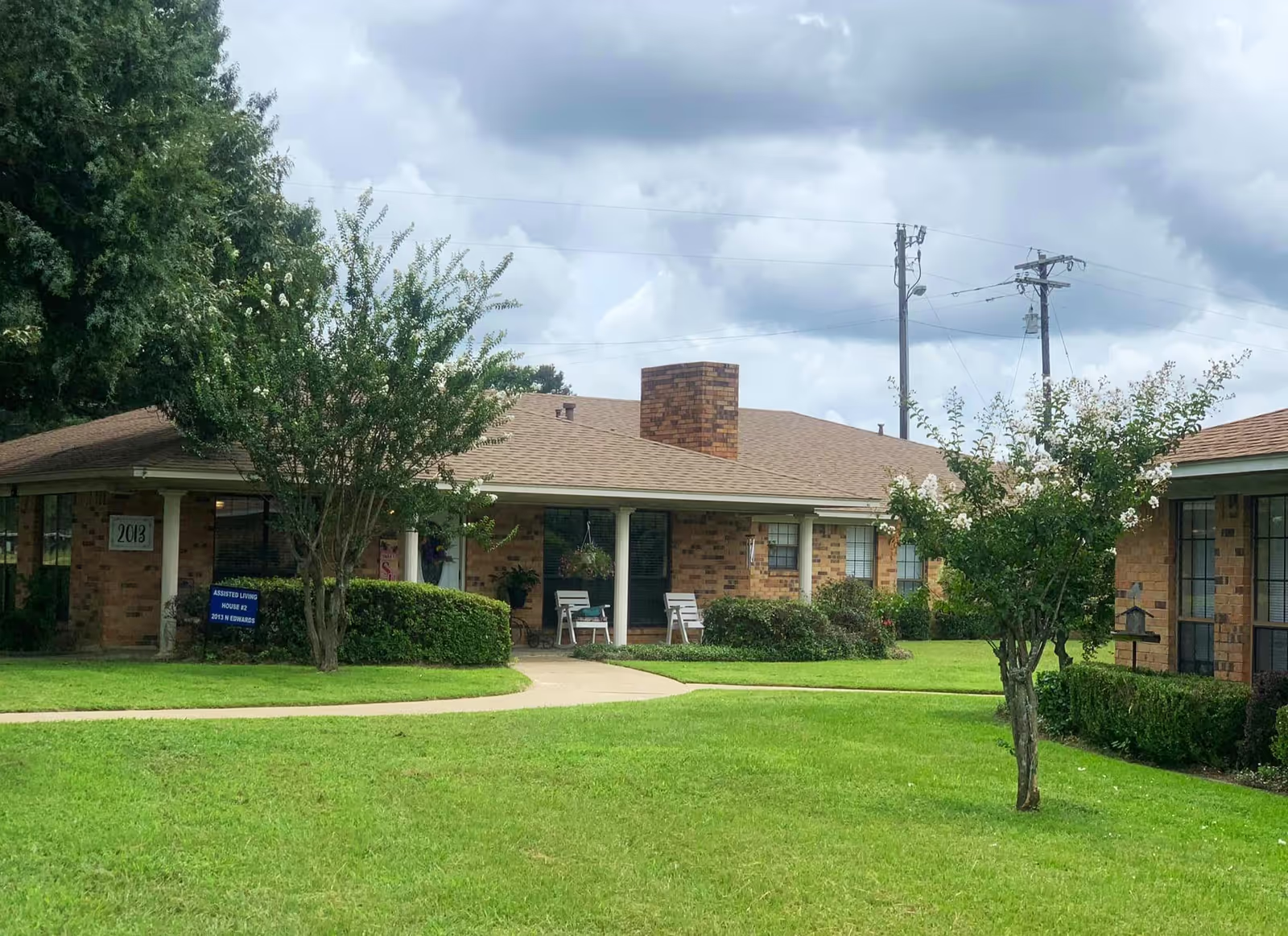
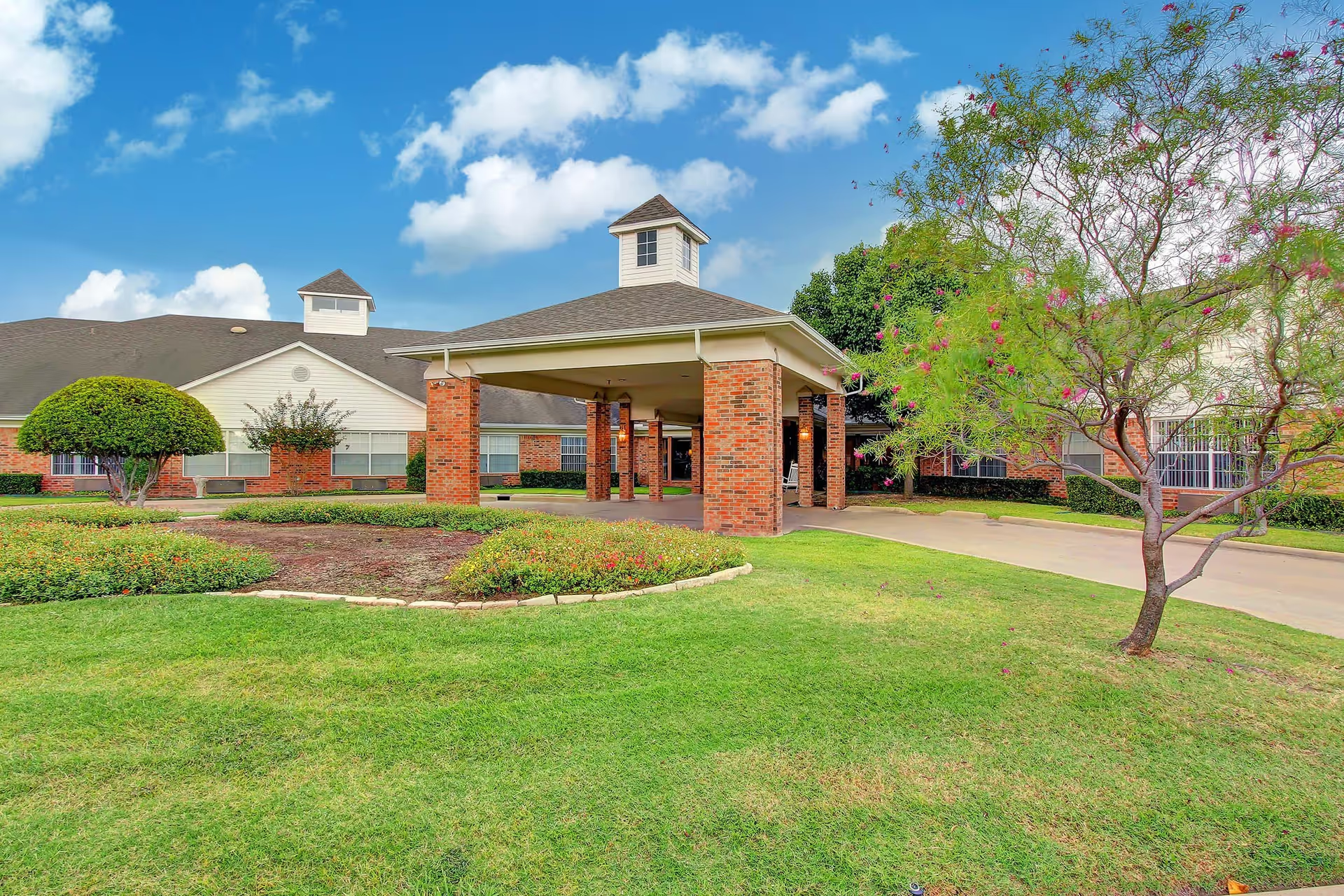
Hopkins Court presents as a well-maintained assisted-living community that many families find attractive for independent or semi-independent residents. Strengths consistently cited include a warm, family-like culture among caregiving staff, an on-site RN and nursing presence, strong culinary offerings with an elegant dining room, and an active social calendar led by a visible activities director. The physical plant is frequently described as clean and recently updated — renovations, attractive courtyards, and responsive maintenance contribute to a comfortable, home-like environment that many residents and visitors praise.
Clinical care is a mixed picture. There is credible evidence of effective hands-on caregiving for residents who remain fairly independent: routine checks, meal support, frequent staff check-ins, and positive respite experiences. At the same time, several operational patterns raise questions about the facility’s suitability for residents who need higher-acuity or memory-care services. Reviewers noted medication-administration and clinical-monitoring process gaps, limitations in advanced clinical services (for example, no dedicated NP/PA on site), and an unclear transition path for residents who require escalating care. Documentation and record-keeping shortfalls were also highlighted; families should request specific policies and examples of clinical oversight when evaluating the community.
Dining and activities are often described as strong points. The kitchen and primary cooks receive high marks for meals and presentation, the dining room is spacious and well-appointed, and the activities team runs frequent social events. That said, some reviewers observed variability in meal quality across shifts and noted that certain programs (notably exercise classes and chapel services) were reduced or paused after the COVID period. Prospective residents who prioritize a robust, consistent activity schedule should confirm current offerings and schedules.
Management, billing, and transparency emerge as recurrent concerns. Several reviews describe frequent administrative turnover and variable communication tone from newer leaders. Financially, the facility uses ancillary charges and a point-based pricing structure that some families found opaque; routine clinical tasks and communications (blood-pressure checks, certain medication services, communication with outside providers) were described as billed items. Repeated rate increases and unclear ancillary fees have created stress for some families and influenced resident departures. Ask for a detailed fee schedule, examples of ancillary charges, and the policy for rate adjustments during tour and contract review.
Safety and trust issues were raised in a few accounts that extended beyond typical operational complaints: isolated allegations concerning missing personal belongings, concerns following a resident fall with serious outcome, and visits or electronic-monitoring limitations noted by some family members. These items appear in a minority of comments but are significant; prospective families should inquire about incident reporting, property-tracking procedures, fall-prevention protocols, and visitation/electronic-monitoring policies.
Overall, Hopkins Court is often recommended for independent seniors seeking a clean, social community with good food and attentive day-to-day staff. Families seeking clear, consistent clinical oversight for higher-acuity needs, absolute transparency in billing, or robust post-COVID activity and therapy offerings should probe those areas in detail during visits. Specific questions to ask on tour include staffing ratios and clinical coverage, written documentation practices, itemized ancillary fees and the point-pricing explanation, current activity and therapy schedules, and policies for family access and property tracking.