Park Manor of The Woodlands presents a mixed profile across reviewer accounts. The facility receives consistent praise for its rehabilitation services: physical and occupational therapy teams (several staff named positively) are frequently described as skilled, motivating, and central to functional recovery. Wound care and respiratory therapy are also cited as strengths. Many families and residents reported compassionate, committed aides and nurses who provided hands-on assistance and supported daily activities.
At the same time, a recurring pattern of operational weaknesses emerges. Staffing levels and responsiveness are inconsistent; reviewers describe delayed call-light responses, long waits for medication or clinical rechecks, and episodic short-staffing that affects bathing, toileting assistance, and timely nursing attention. Relatedly, multiple accounts raise concerns about medication administration and clinical monitoring (for example, delayed oxygen checks, delayed test results, and medication timing issues). These are described as systemic gaps rather than single isolated events.
Dining and nutrition are frequent areas of divergence. Some reviewers praise accommodating menu options and breakfast service, but many more note inconsistent meal quality, cold or small portions, and failure to follow prescribed diet restrictions (notably low-sodium or therapeutic diets). Families reported weight loss and missed dietary accommodations in some cases, indicating variability in kitchen-to-clinical coordination.
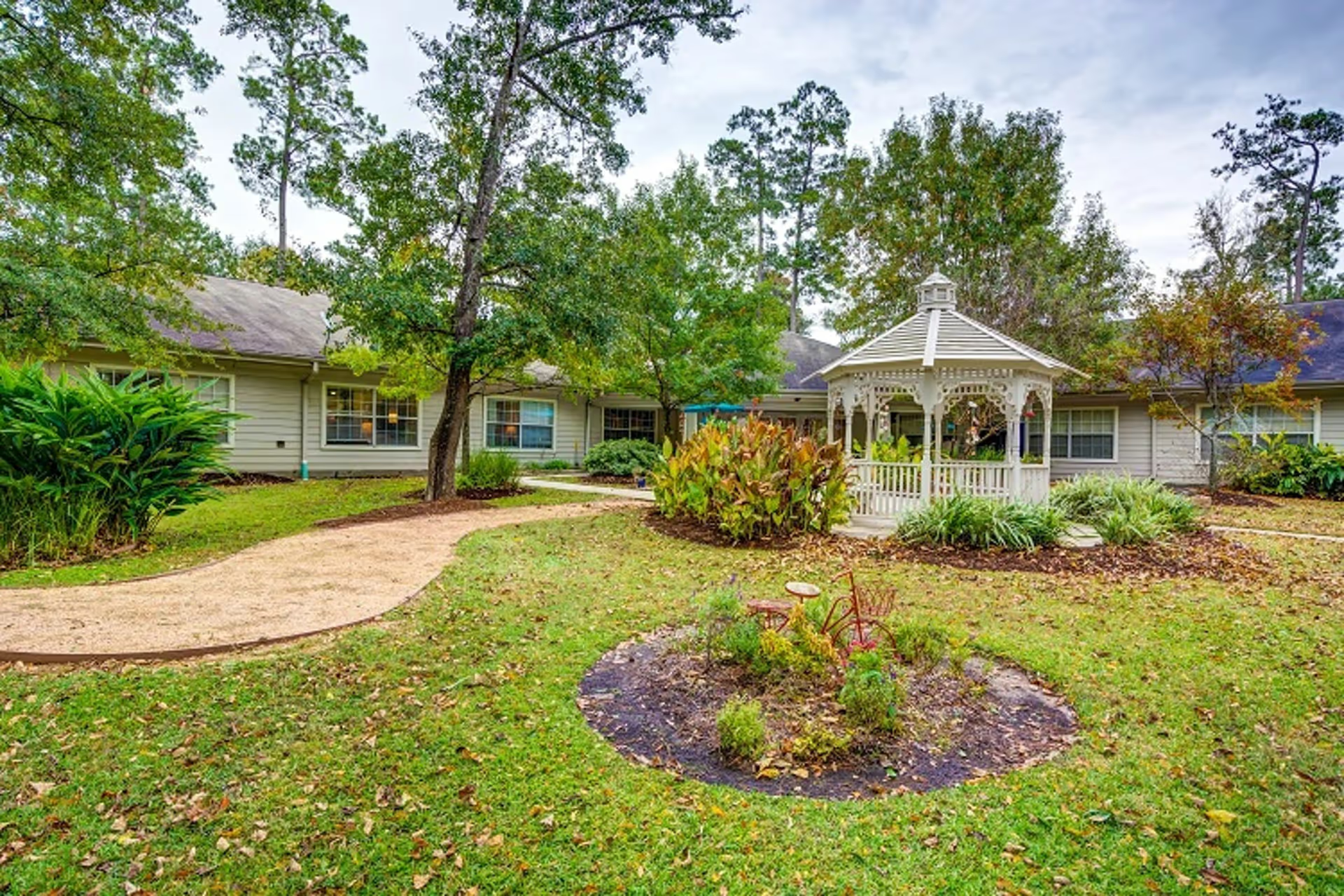
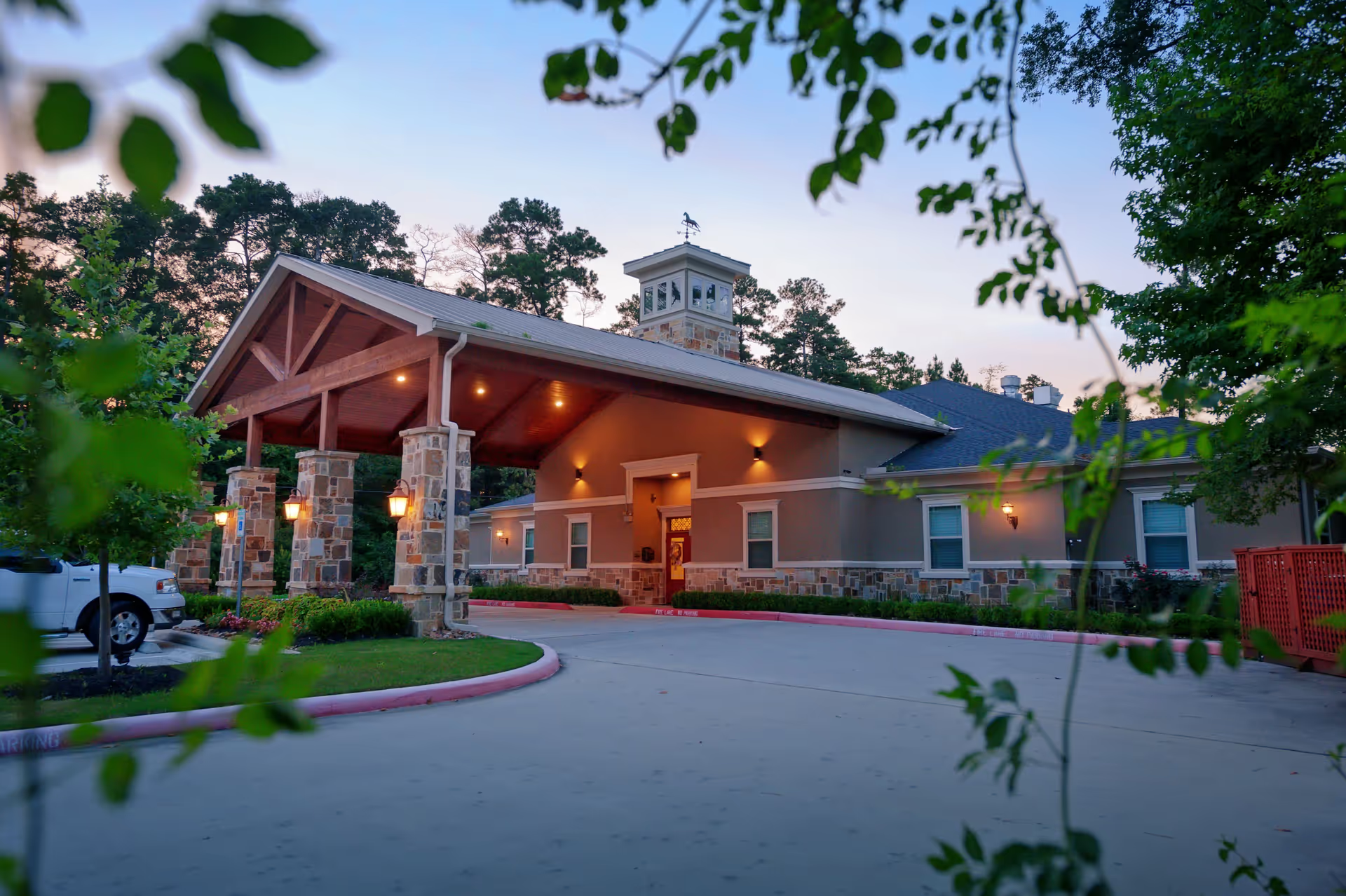
Facility condition and comfort receive mixed feedback. Common areas are often described as clean and well maintained, and some reviewers singled out the janitorial staff positively. Conversely, concerns appear about aging infrastructure: semi-private rooms can be cramped, beds and controls described as uncomfortable or antiquated, occasional HVAC and Wi‑Fi issues, and specific sanitation concerns in some rooms or bathrooms. There are also repeated mentions of missing or unsecured personal items, suggesting lapses in property control procedures.
Staff culture and management perceptions are polarized. Numerous reviewers commend individual leaders, social workers, and administration for accessible communication and advocacy; others report poor communication, billing/accounting problems, and inconsistent follow-through on family concerns. Allegations of coercive financial or documentation practices appear in a few accounts and would warrant focused inquiry. Several reviewers described variability in staff tone and professionalism, which affects family trust and perceived safety.
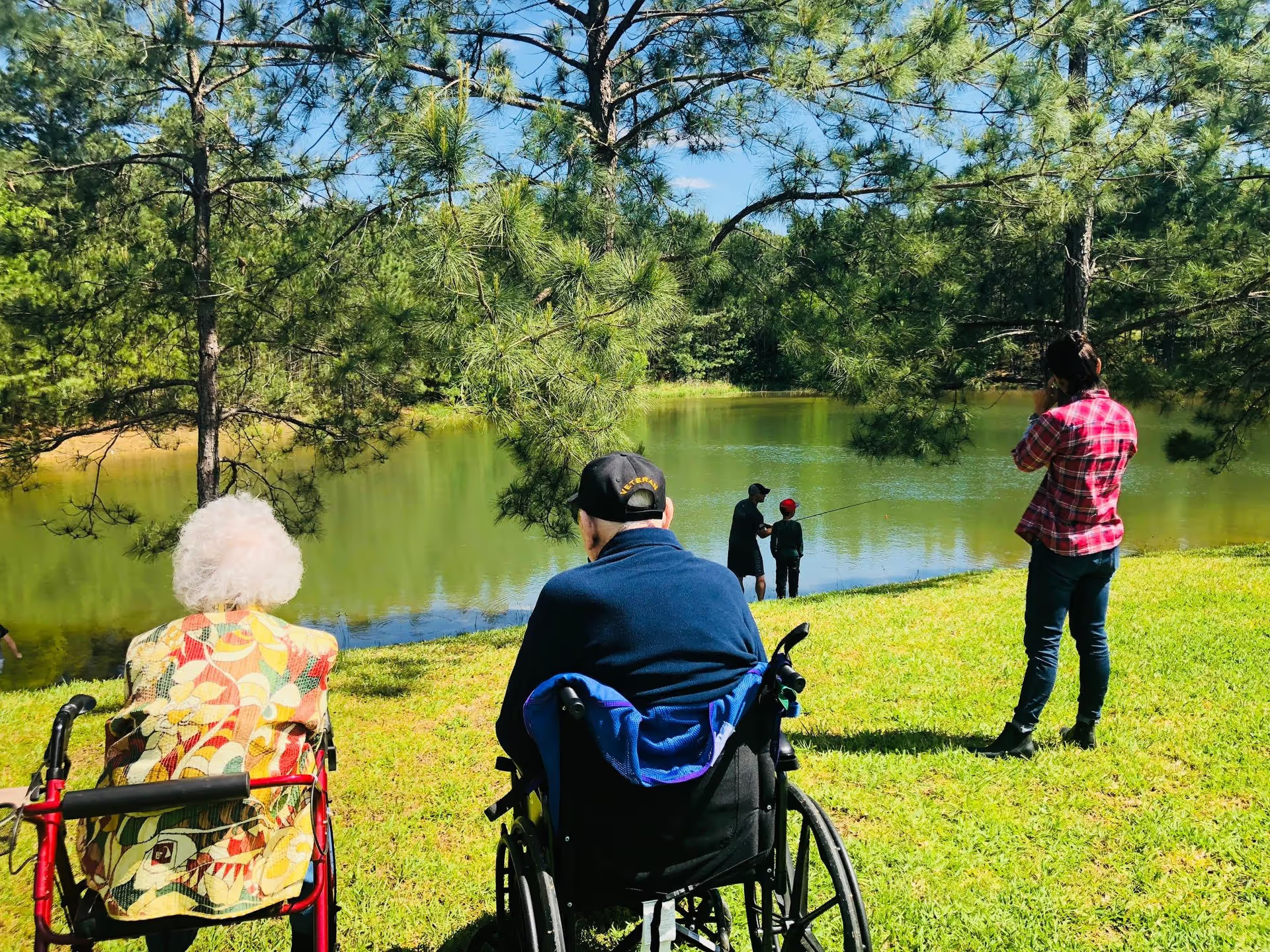
Activities and community life are generally described as a positive element: varied programming, regular group activities, and staff engagement support resident socialization. The facility’s rehabilitation focus is a strength for short-term recovery but some reviewers felt that emphasis occasionally came at the expense of routine nursing oversight and basic care tasks.
In summary, prospective residents and families should weigh Park Manor’s evident rehabilitation strengths and pockets of excellent clinical care against recurring operational issues: variable staffing and responsiveness, inconsistent medication and diet adherence, maintenance and room-comfort limitations, and uneven administrative practices. Visiting the unit, meeting the therapy and nursing leadership, confirming diet and medication protocols, and asking about staffing ratios and property-control measures are advisable steps to clarify whether the facility’s strengths align with a given resident’s needs.