Overview The reviews present a mixed picture of care at The Woodlands Nursing and Rehabilitation Center. Positive accounts consistently highlight a strong rehabilitation program, attentive therapy staff, and many individual caregivers who deliver compassionate, personalized care. Conversely, a subset of reviews documents recurring operational problems that have impacted resident experience and family confidence. Prospective residents and families will find examples of both well-executed clinical rehabilitation and meaningful staff–resident connections alongside persistent service and oversight concerns.
Care quality and clinical operations Clinical strengths are most evident on the rehabilitation side: reviewers frequently praised measurable mobility improvements, attentive therapists, and private rehab rooms. Several nurses and CNAs were singled out for high-quality, compassionate care. However, operational weaknesses affect clinical consistency. There are repeated concerns about medication administration (timing errors, delayed deliveries tied to pharmacy schedules) and intermittent gaps in on-site medical coverage. Night and holiday staffing shortfalls are cited often and are associated with long call-response times and delays in personal-care tasks. These patterns suggest variability in staffing models and care oversight that families should review when considering placement.
Staffing, conduct, and communication Many reviews describe staff who are caring and engaged; at the same time, numerous reports describe inconsistent staff experience, high turnover, and periods when direct-care workers are overextended or insufficiently supervised. Communication gaps are a common theme: families reported delays in information-sharing with clinicians, inconsistent follow-up from case management, and uneven responsiveness from administration. There are also multiple references to concerns about staff conduct and dignity protections; while some families praised specific leaders and social workers for responsive engagement, others described situations where oversight appeared inadequate.
Dining, housekeeping, and environment Dining and housekeeping responses are highly variable. Positive comments reference improved meals and an attentive maintenance team, but many reviewers reported inconsistent meal quality, missed or late meal deliveries, and challenges getting dietary requests accommodated. Housekeeping and room-maintenance were described as excellent in some areas and problematic in others; several reviewers raised sanitation concerns and environmental comfort issues (room temperature control, delayed repairs, and isolated pest-control questions). These observations indicate inconsistency in day-to-day operations across units.
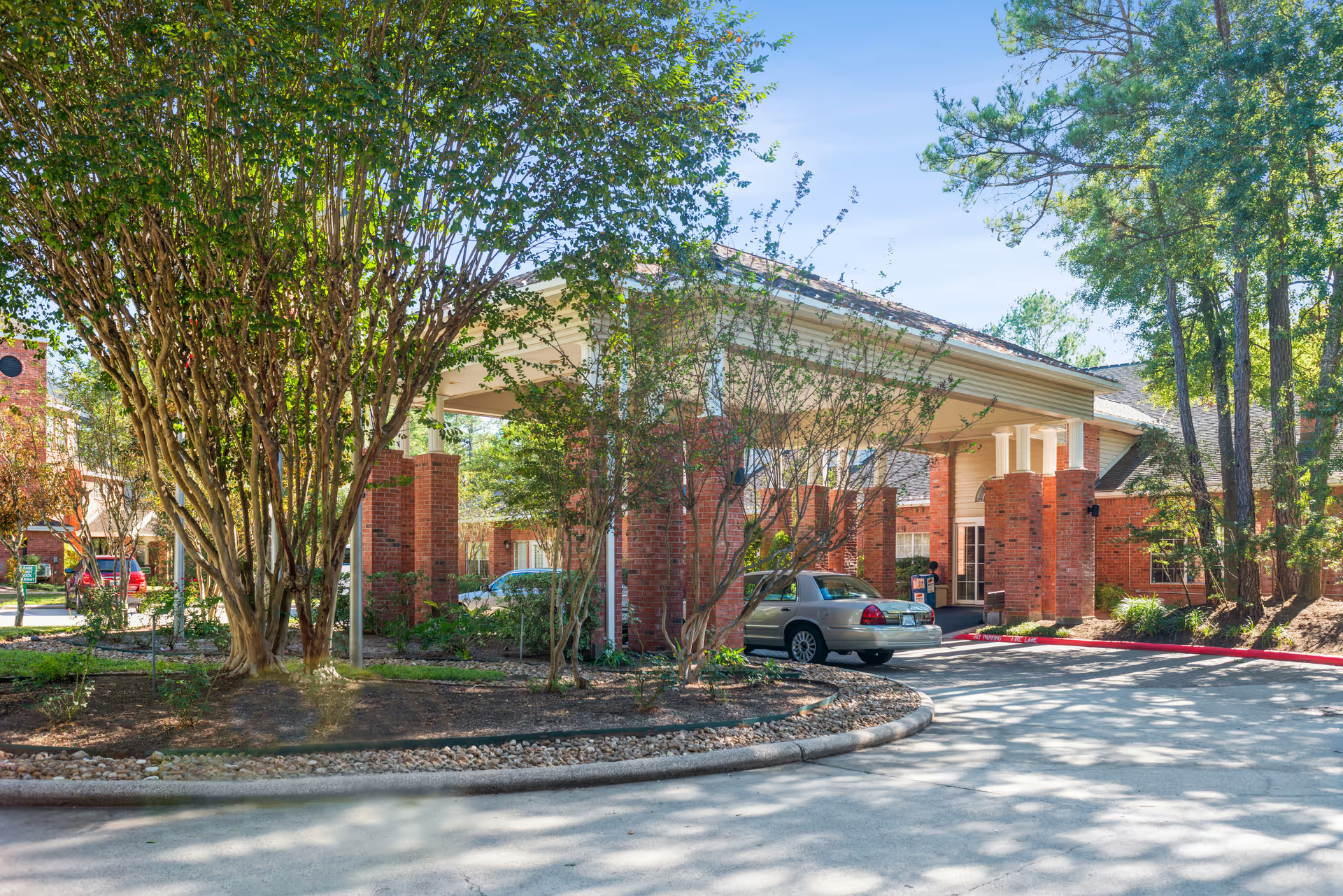
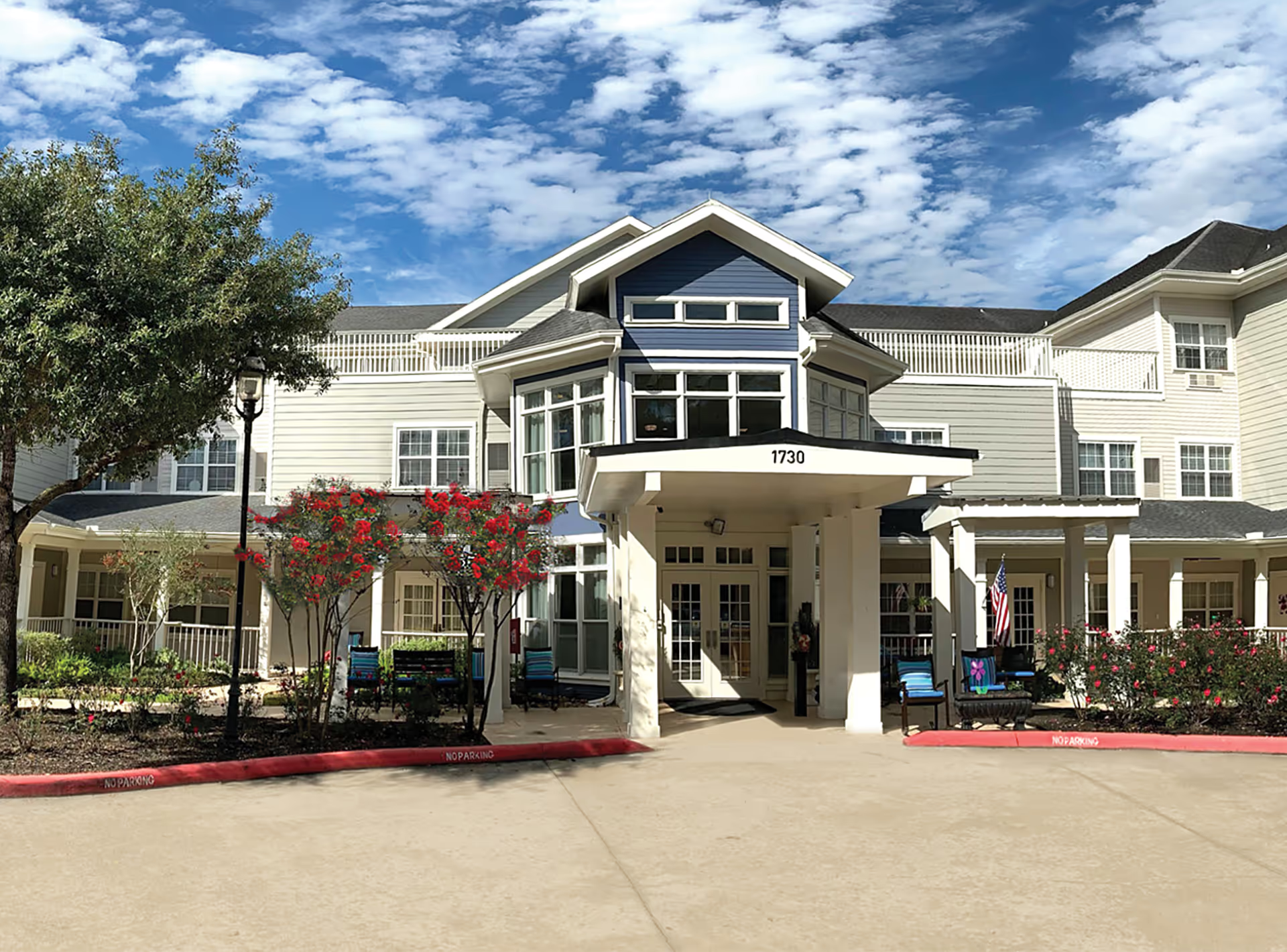
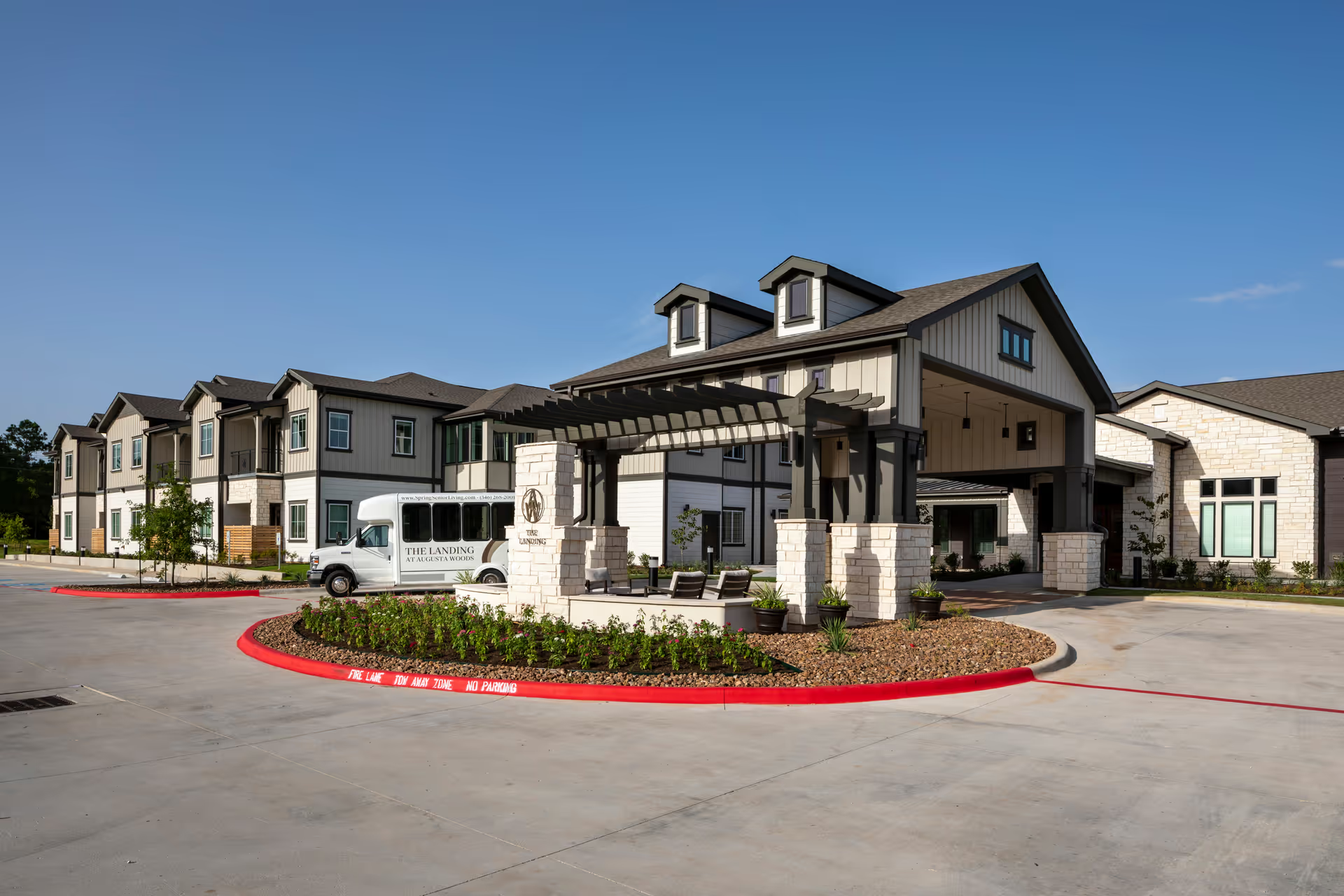
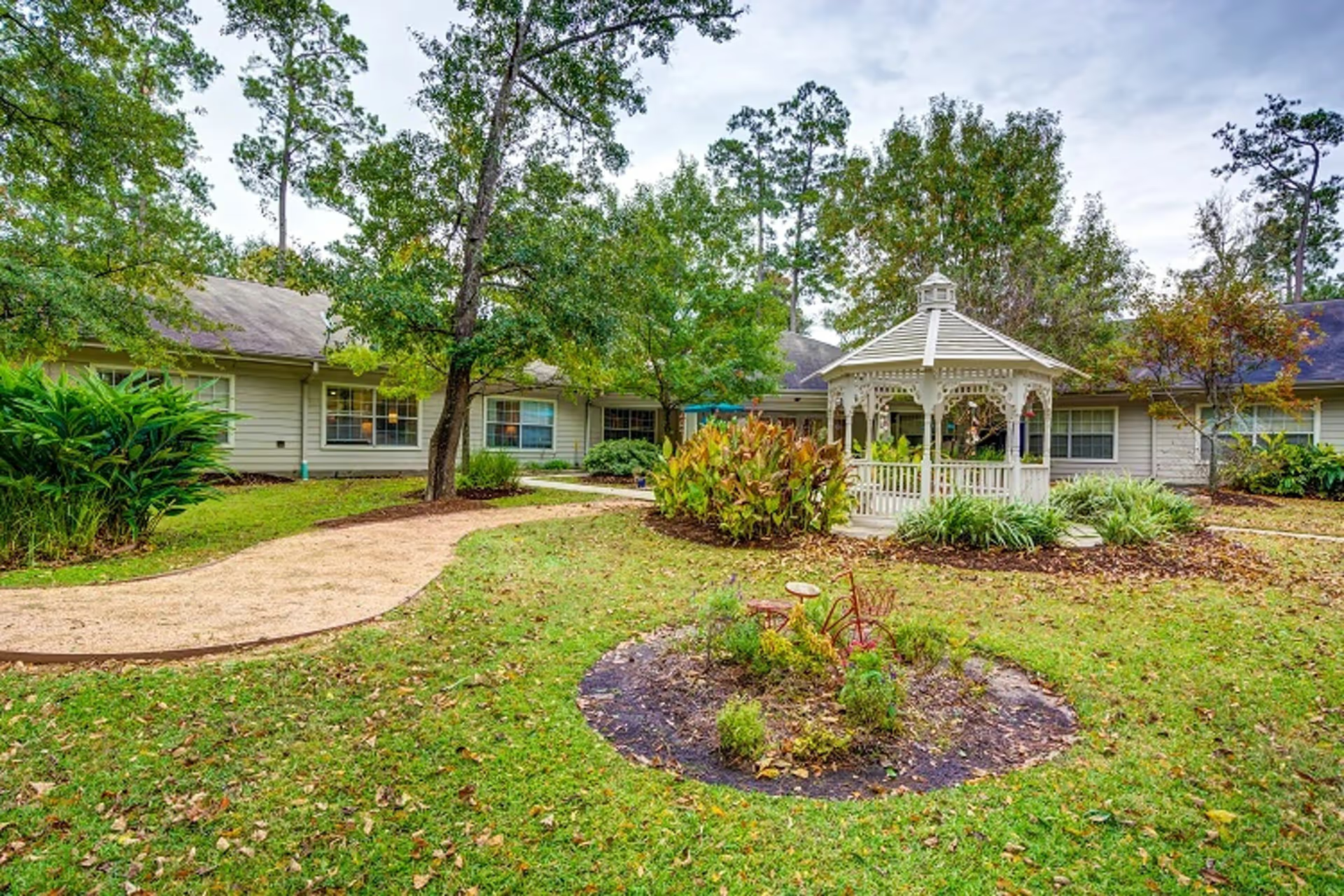
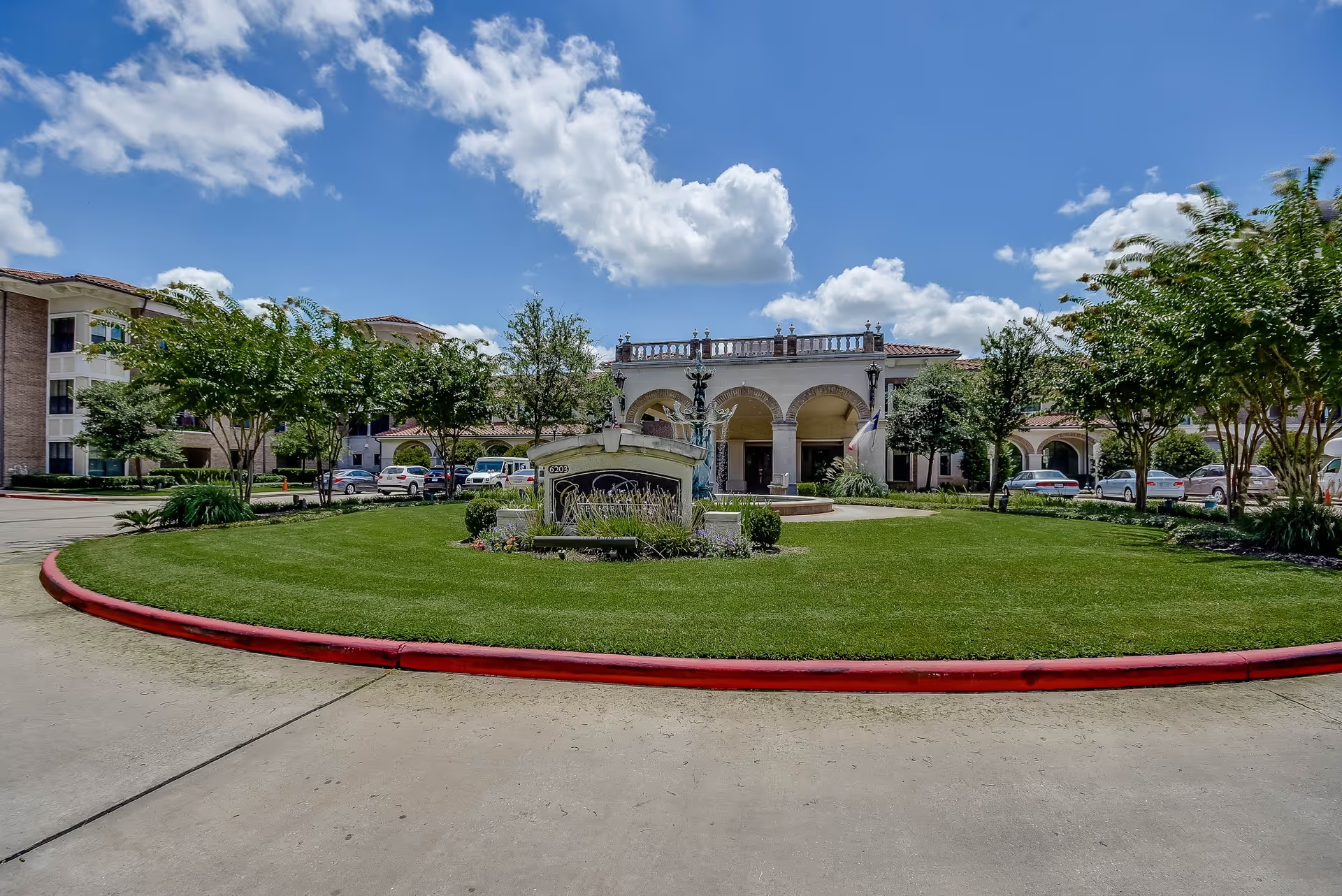
Facilities, activities, and rehab environment Physical spaces receive mixed feedback. Public areas and some recently remodeled units are described as clean and welcoming, and activity programs (bingo, music, holiday events) were frequently praised for contributing to a positive atmosphere. The rehabilitation unit in particular is noted as a strength. At the same time, families described variability in room-level cleanliness and maintenance responsiveness, so the overall physical environment may depend on unit and timing.
Management, regulatory, and systemic concerns Perceptions of management are polarized: several reviewers commended admissions staff, the Director of Nursing, and social-work leadership for proactive communication and individualized planning, while others described lapses in oversight, inconsistent policies, and concerns about billing or financial practices. There are a limited number of serious allegations that prompted regulatory or legal attention in reviewers' accounts; these are flagged here as allegations of financial misconduct and regulatory attention. Such claims warrant independent verification through state inspection reports and direct discussion with facility leadership.
Patterns and practical guidance Two consistent patterns emerge: (1) rehabilitation services and certain named caregivers are a clear strength, and (2) operational reliability—staffing, call-response, medication timing, dining continuity, and room-level sanitation—varies considerably. Families touring the facility should observe unit-to-unit differences, ask for current staffing ratios (including night and holiday coverage), review call-light response metrics, request written policies on medication administration and pharmacy schedules, clarify dietary accommodation processes, and ask about recent inspection reports or corrective actions. Confirm availability of on-site clinical leadership and the frequency of physician/NP visits.
Conclusion The Woodlands offers strong rehabilitation capabilities and many dedicated staff members who provide high-quality, person-centered care. However, recurring operational issues reported by families—most notably inconsistent staffing, variable personal-care responsiveness, medication-handling gaps, and uneven housekeeping and dining services—create a mixed overall experience. Prospective residents should balance the facility’s rehabilitation strengths and examples of excellent individualized care with documented operational concerns and seek current, objective information from facility leadership and state inspection records before making a placement decision.