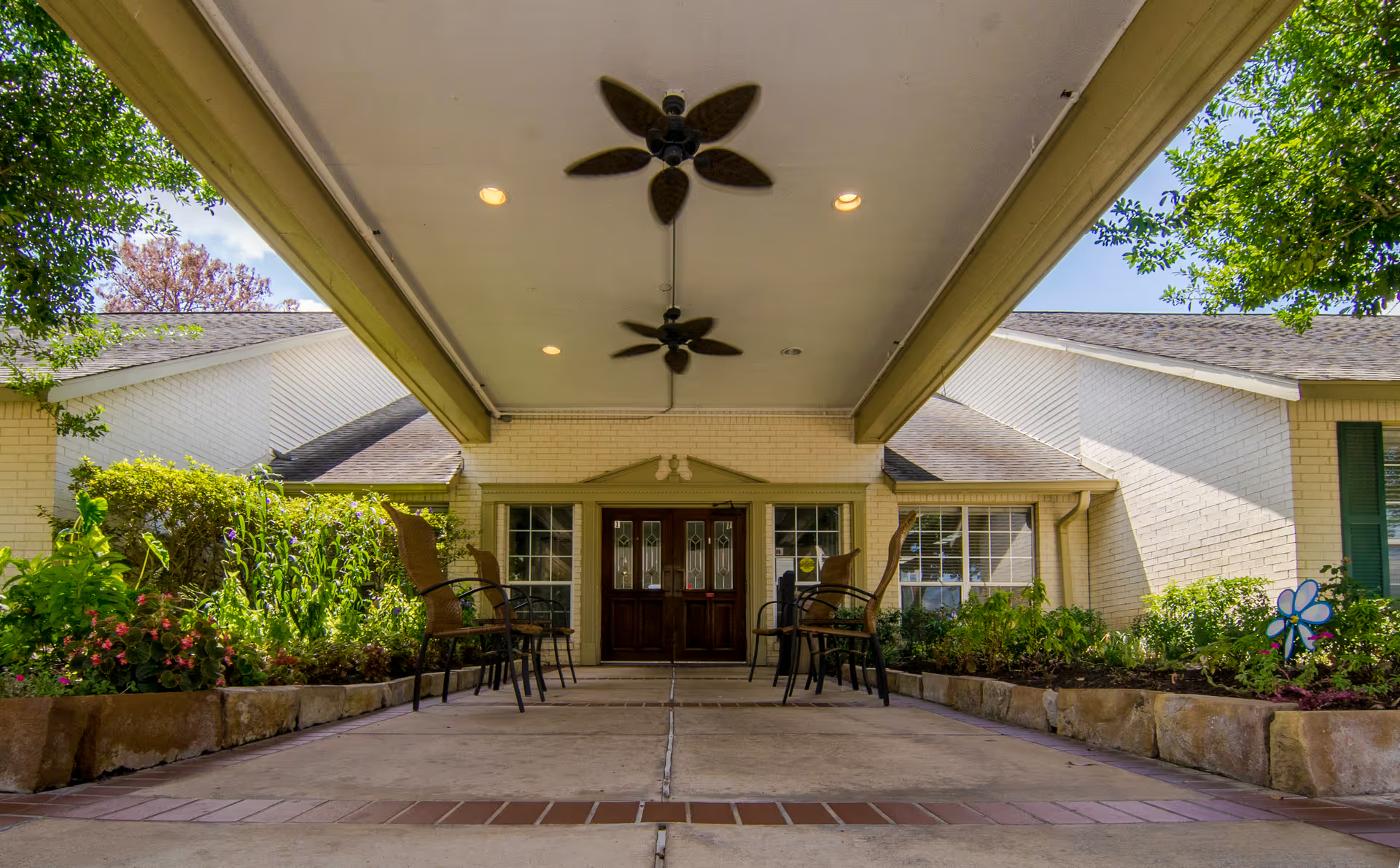
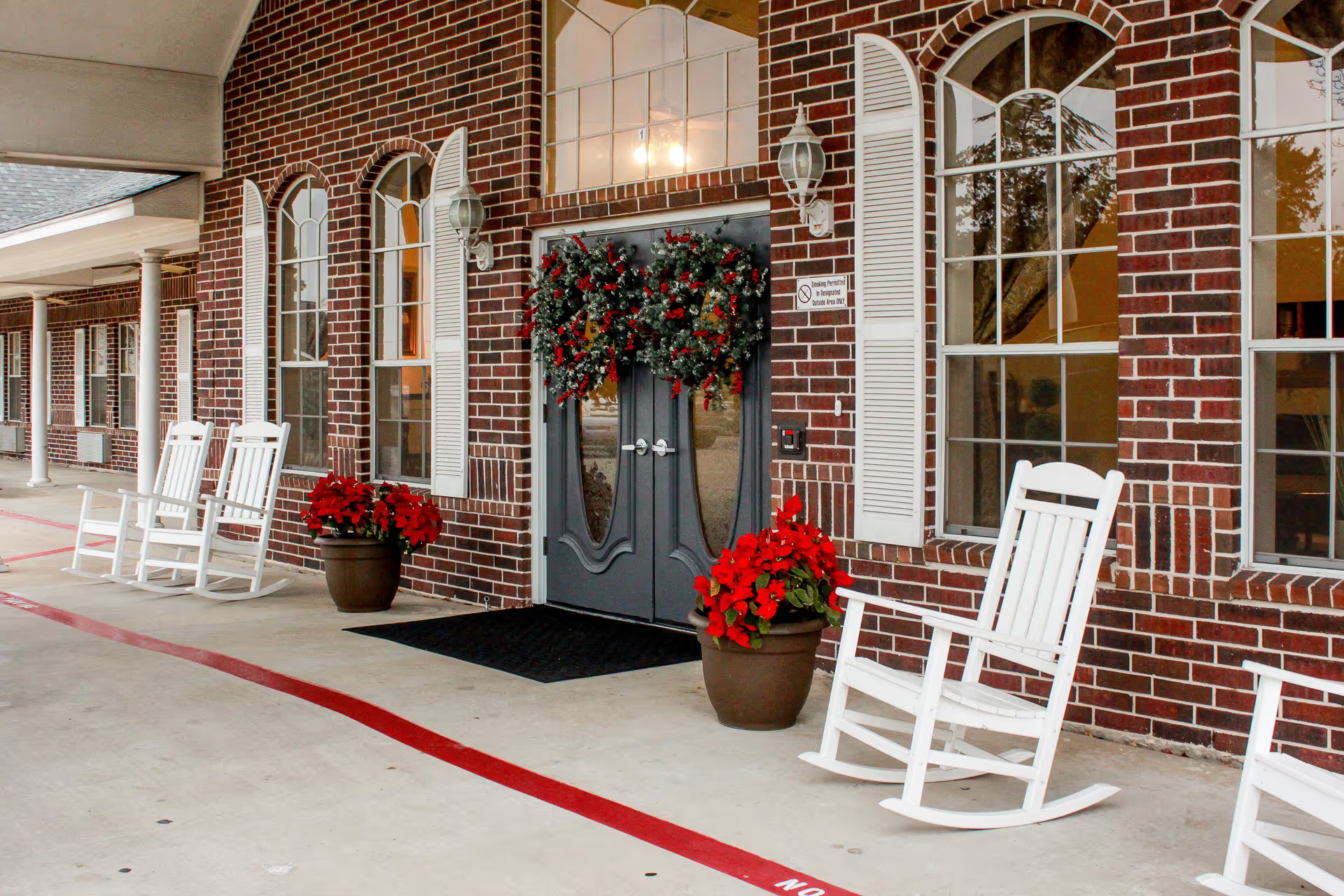
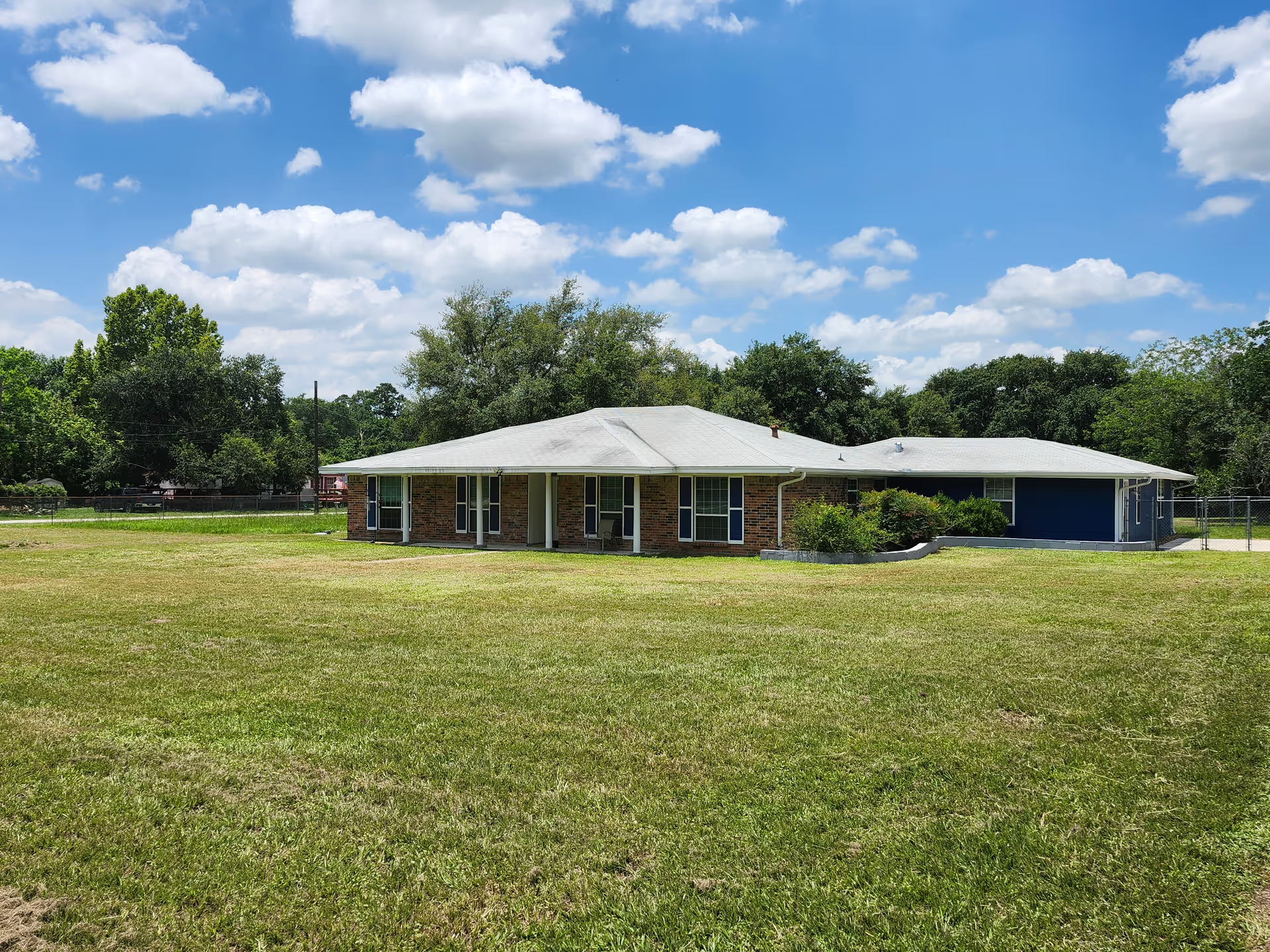
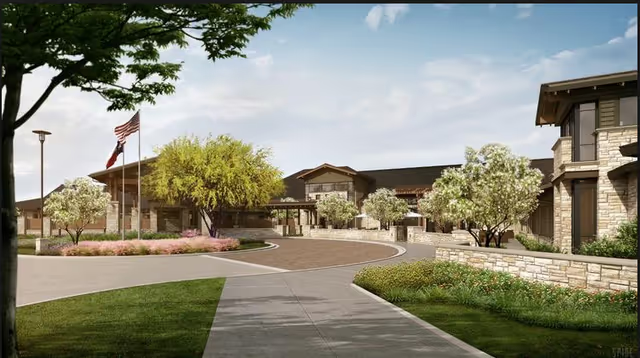
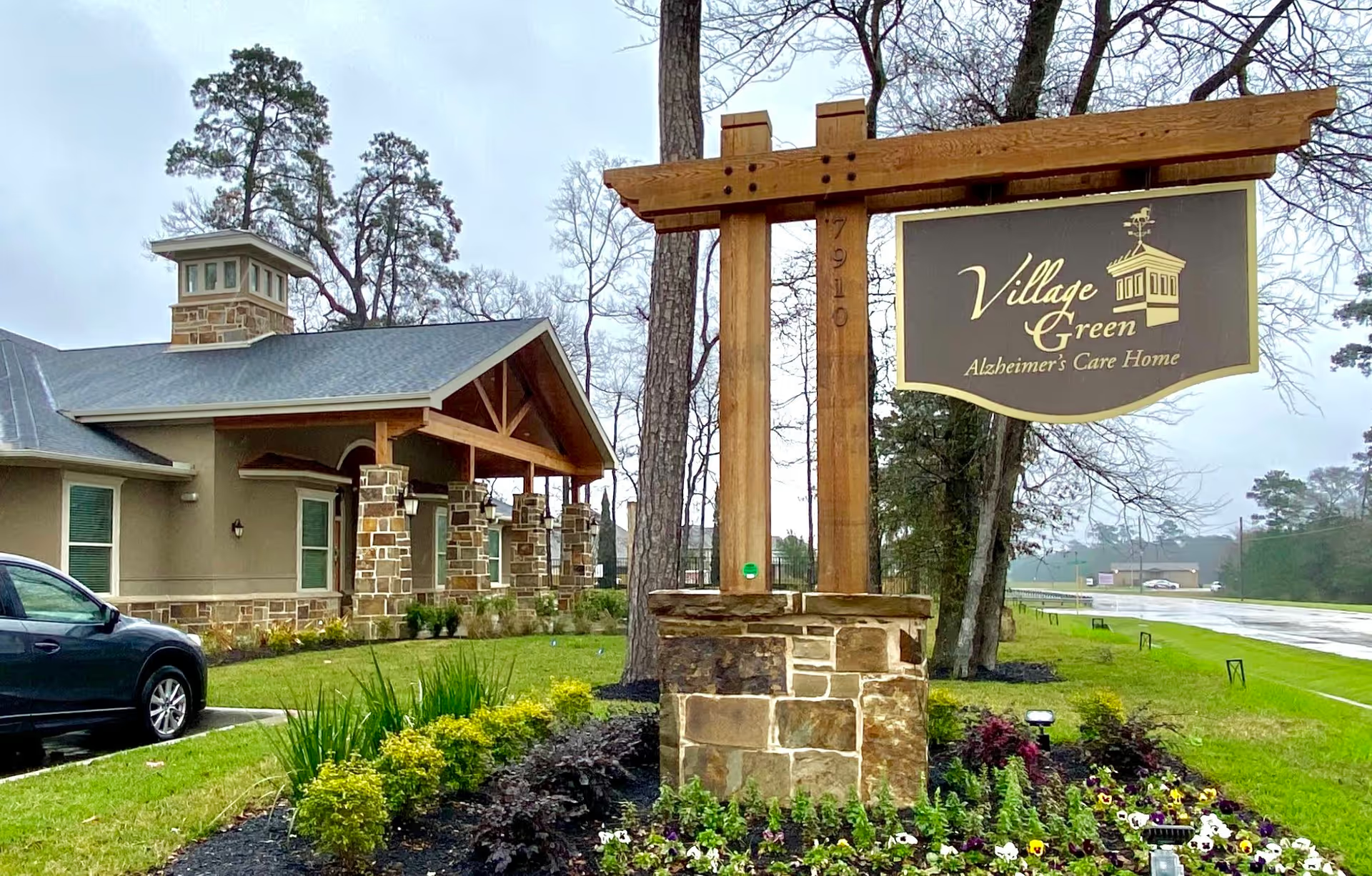
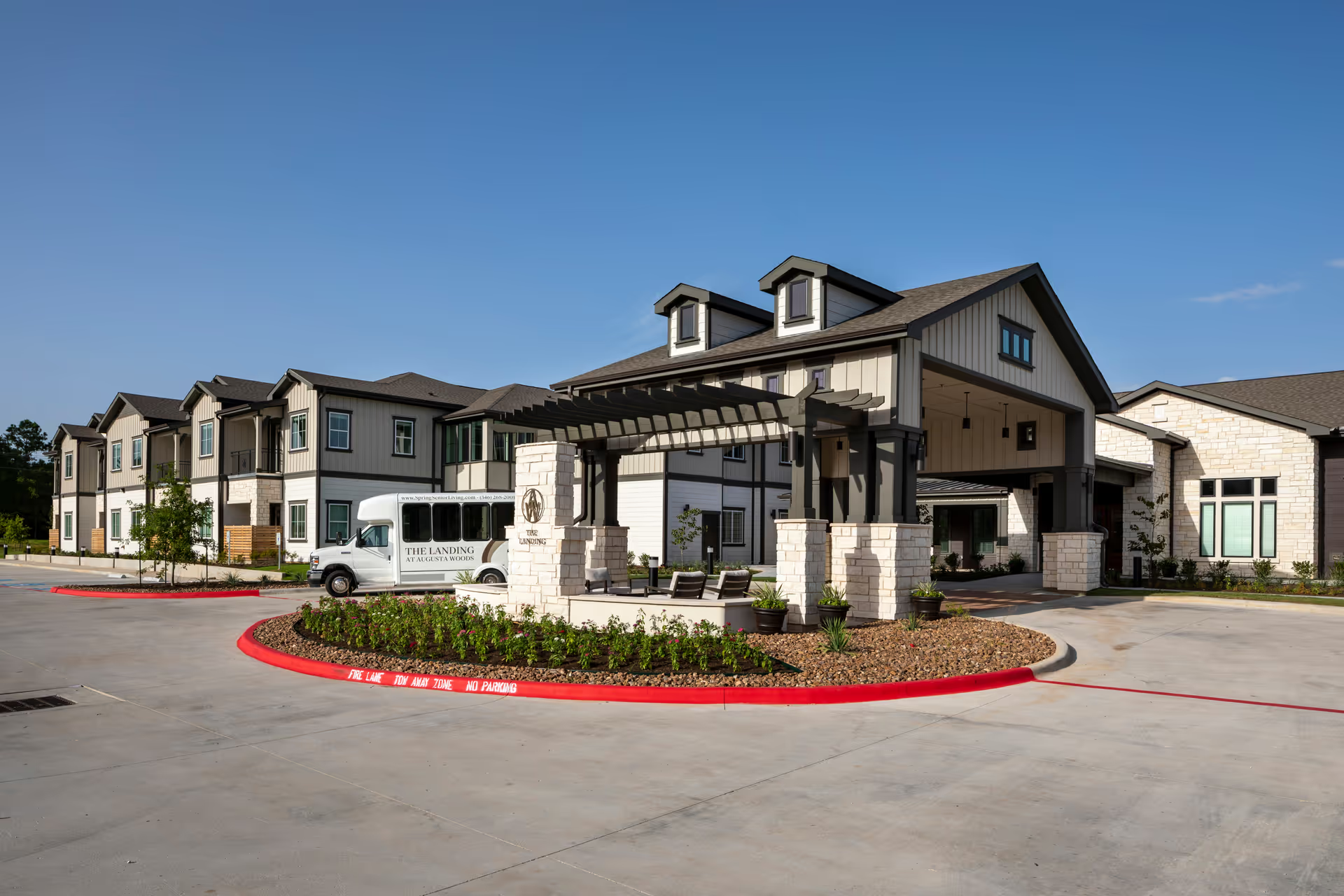
Harvest Home & Inwood Crossing presents a strongly polarized profile across reviewers. Many families and residents describe a warm, home-like environment with attentive direct-care staff, a robust activities program, and well-kept grounds and common areas. Positive accounts emphasize family-style dining, large studio apartments with natural light, a variety of daily social and spiritual programs, and staff who go beyond basic duties to support residents and families — including assistance with moves, coordination of medical and hospice needs, and creative outings and events.
Care quality and staffing receive mixed evaluations. Numerous reviews praise compassionate caregivers, careful med techs, and strong end-of-life support; others raise concerns about staffing levels, high turnover, and inconsistent clinical oversight. Reviewers cite medication-administration inconsistencies, missed or delayed personal-care tasks, and instances where additional clinical supervision would have been appropriate. These patterns point to periods of reliable, resident-focused care interspersed with episodes where caregiver availability and clinical staffing appear strained.
Dining and activities are often highlighted as strengths but also as areas of variability. Many residents enjoy wholesome, family-style meals, generous snack options, and diversified menus; conversely, some families describe cold or prepackaged meals and interruptions to menu continuity. The community offers a wide range of activities — exercise classes, music, crafts, bible study, theme parties, and outings — and these programs are frequently described as meaningful and therapeutic. However, activity delivery is inconsistent for some residents, with scheduled events sometimes not occurring or offering limited engagement for less-mobile residents.
Facility condition and maintenance likewise show a split pattern. There are frequent compliments about clean, odor-free hallways, seasonal décor, and attentive housekeeping. At the same time, reviewers cite maintenance delays, plumbing or drain issues, locked rooms or restrooms creating access concerns, and sanitation or pest-control issues in certain units and shared bathrooms. Property-control problems such as lost laundry, missing personal items, and limited tracking of resident belongings are recurring operational concerns.
Management and administration elicit both praise and criticism. Several families report responsive, open, and proactive leadership that improves communication and resident transitions; others describe leadership instability, repeated director changes, hiring of relatives creating perceived partiality, billing and fee-transparency problems, and challenges escalating serious concerns to corporate. There are also allegations of staff theft and financial irregularities that some families have characterized as grounds for formal complaints. Together these items suggest the quality of management experience may depend heavily on current leadership and local practices.
Notable patterns for prospective residents and families: experiences range from highly positive to significantly problematic. Strengths include a small-community feel, engaged activities, compassionate caregivers, and a well-kept environment when staffing and management are stable. Operational weaknesses to probe during a visit include staffing ratios and turnover, nurse coverage and medication procedures, sanitation and pest-control measures, laundry and personal-item controls, meal-service consistency, and billing transparency. An in-person tour during a mealtime and activity period, questions about recent leadership tenure, and requests for documentation of clinical staffing and pest-control practices are advisable to help assess current performance.