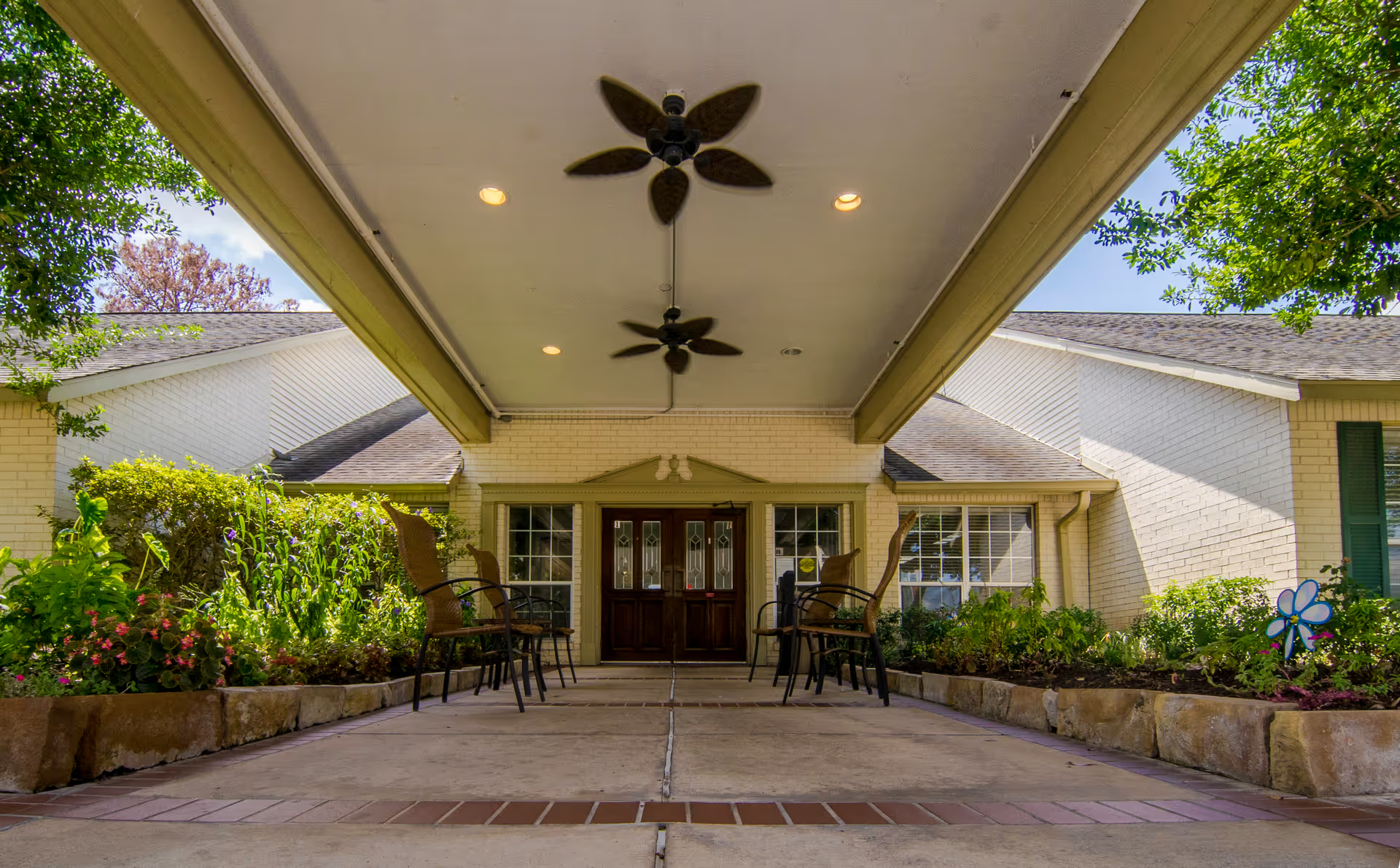
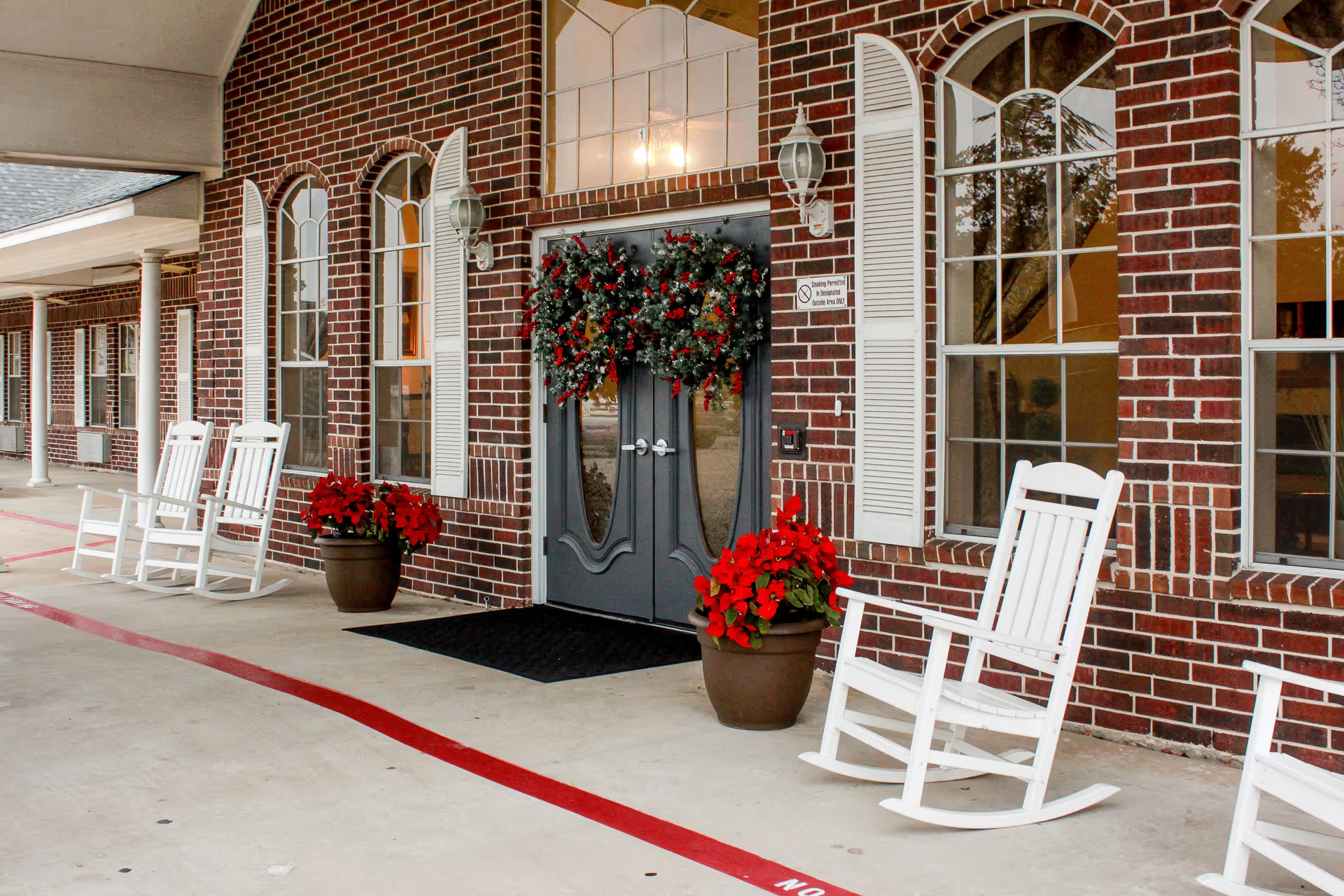
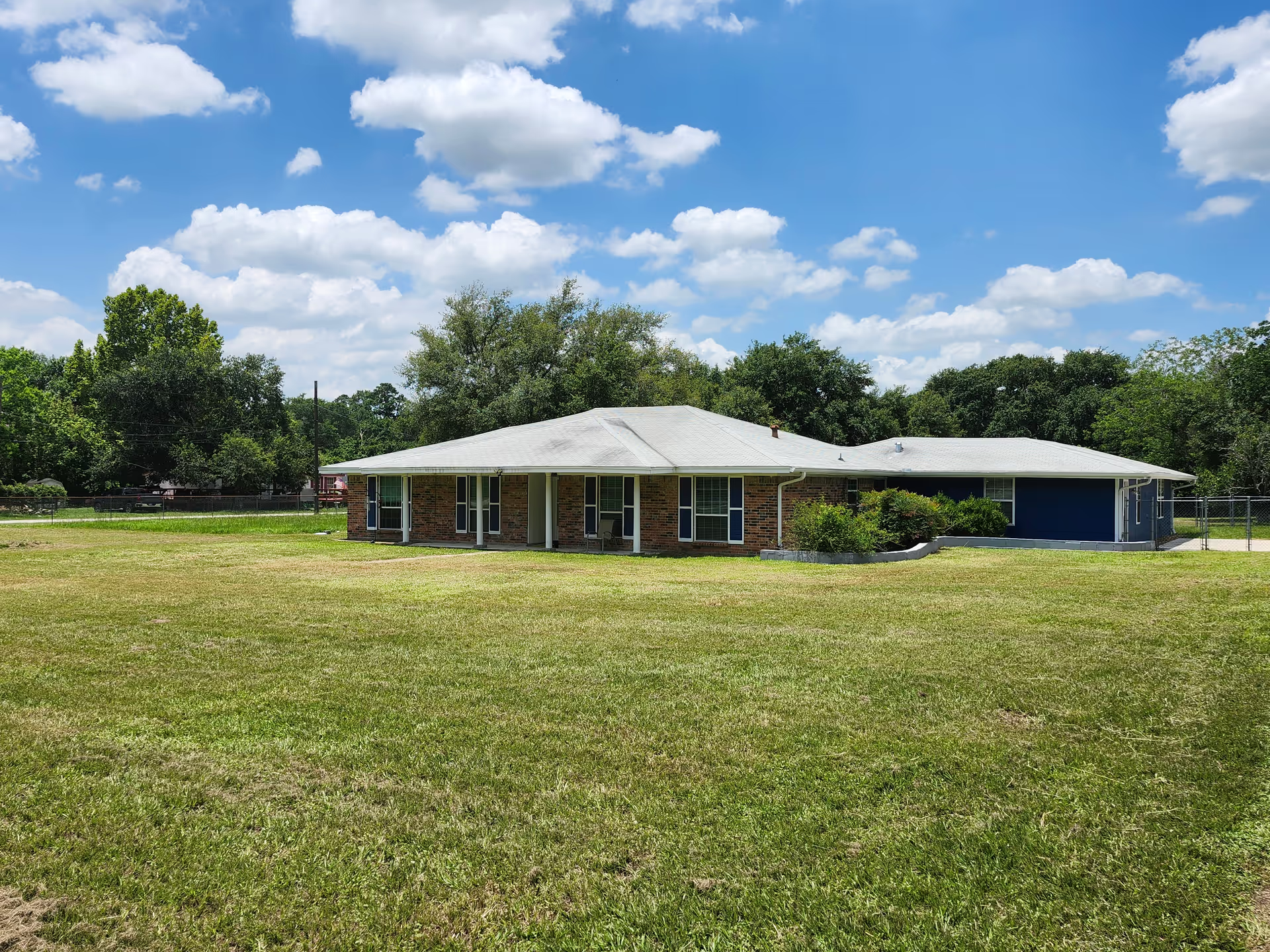
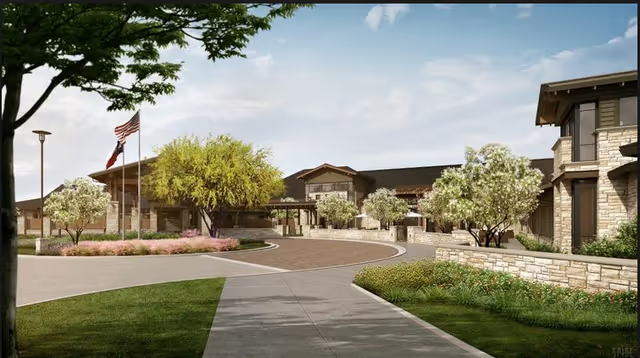
New Haven Assisted Living and Memory Care of Tomball presents a mix of clear strengths and operational weaknesses. On the positive side, many families describe a caregiving staff that is compassionate, attentive, and knowledgeable; staff members and some administrators are frequently singled out for going above and beyond, offering responsive onboarding and move-in help. The facility's interior and common areas are often described as immaculate and well-maintained, with bright, well-lit rooms and accessible outdoor space. Dining is a prominent strength for many residents—reviews highlight a proactive chef, home-style meals, a varied menu and responsiveness to individual meal requests. There is an active activities program and a social, home-like atmosphere in much of the community, and the presence of on-site clinical and personal services (doctor, dental, podiatry, hair) and hospice/veterans assistance is an operational advantage for families seeking consolidated care.
Alongside those strengths, reviewers repeatedly indicate operational patterns that warrant scrutiny. Staffing and leadership stability are recurring concerns: shortages, high turnover, and occasional administrative vacancies have been associated with lapses in continuity of care. Several families described variability in caregiver training—including memory-care certification—and inconsistencies in medication management and administration. Relatedly, there are documented gaps in incident reporting and family communication after adverse events; these gaps contribute to family frustration and reduced transparency. Safety-management issues (for example, fall prevention and supervision) and sanitation or infection-control inconsistencies have been raised, including a serious infection-control event that prompted heightened family concern. Financial and administrative processes also show patterns of error or delay, including billing and refund communication problems.
Facility features are uneven. Many reviewers appreciate the smaller, easy-to-monitor memory-care unit and the community’s homey feel; others note older or smaller rooms, limited bathroom ratios in some areas, and parts of the building that feel dated compared with newer facilities. Transportation to off-site medical appointments is limited or not provided by the facility, which families should factor into planning. Food quality is generally praised, but some comments describe repetition or inconsistent preparation across meals, indicating that dining consistency can vary shift-to-shift.
For prospective residents and families, the pattern suggests a facility with strong hands-on caregivers, good housekeeping, and an engaging daily program, but with operational vulnerabilities tied to staffing stability, clinical oversight, and administrative transparency. Recommended due diligence: ask for current staffing ratios and turnover metrics, review medication-management protocols and incident-reporting practices, confirm memory-care staff certification and training, request examples of infection-control policies and any recent regulatory communications, inspect room sizes and bathroom access in person, and clarify billing/refund procedures and transportation options. Visiting during a mealtime and an activity will give additional insight into consistency of dining and programming.