Experiences at Park Manor of Tomball vary considerably. Many residents and families describe friendly, compassionate staff, supportive interactions, and a welcoming atmosphere. Positive accounts span short-term rehabilitation, respite stays, and long-term care. Other accounts describe substantial gaps in responsiveness and care consistency, suggesting that experiences can differ by unit, shift, or resident needs.
Rehabilitation is a notable strength in many accounts. Residents and families praise physical and occupational therapy for motivation, encouragement, and improvements in mobility and confidence. Wound-care staff also receive positive feedback. However, other accounts describe limited therapy or little progress, so families may want to ask about therapy frequency, goals, and how progress is reviewed. Some accounts also raise concerns about medication accuracy and timing, clinical monitoring, and follow-up when a resident’s condition changes.
Staff are often described as kind, helpful, and attentive, with several families appreciating updates from nurses, therapists, and administrators. In contrast, other accounts describe delayed responses to call lights and requests, especially overnight or on weekends, as well as uneven personal care. Concerns also include staffing levels, communication between shifts and departments, and coordination around appointments, transitions, and discharge. Family experiences with management range from responsive and accessible to difficult to reach or follow through with.
Dining feedback is mixed. Some residents enjoy the meals, while others describe food that is unappealing, cold, delayed, or inconsistent with their preferences. Families may wish to ask how meal concerns and individual dietary needs are handled. Activities are a positive feature in many accounts, including games, live entertainment, outings, and social gatherings; programming was more limited during periods of infection-control restrictions.
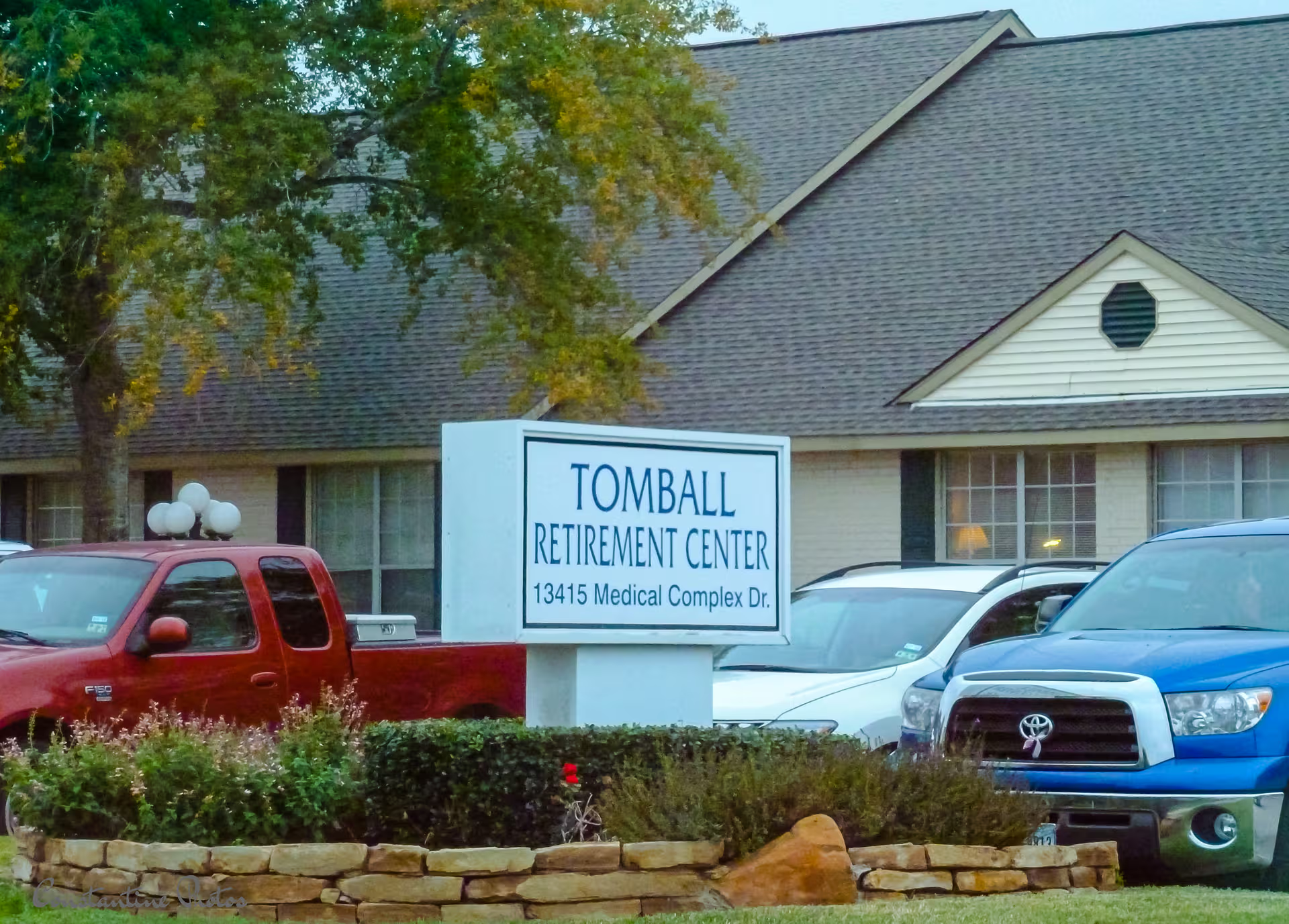
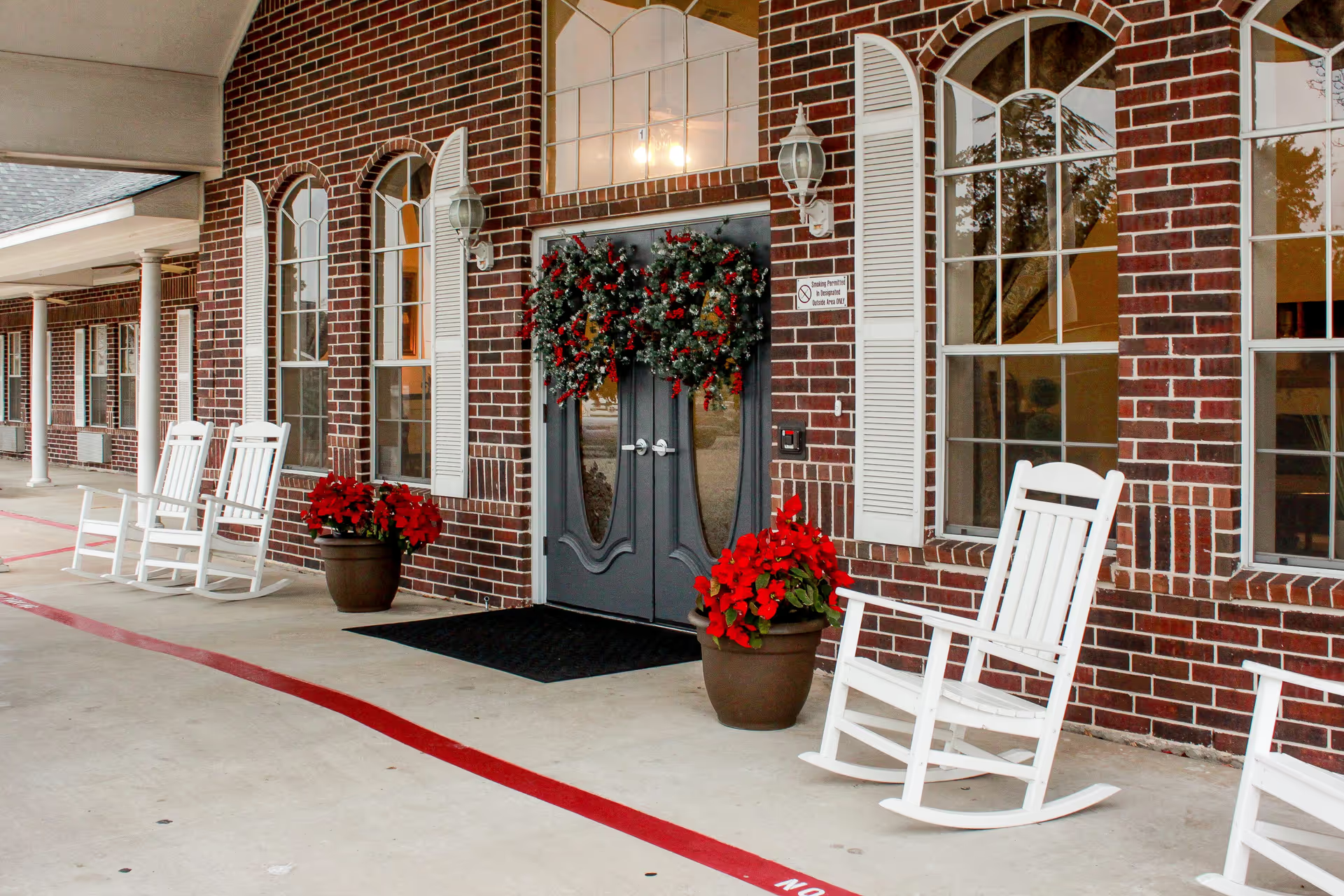
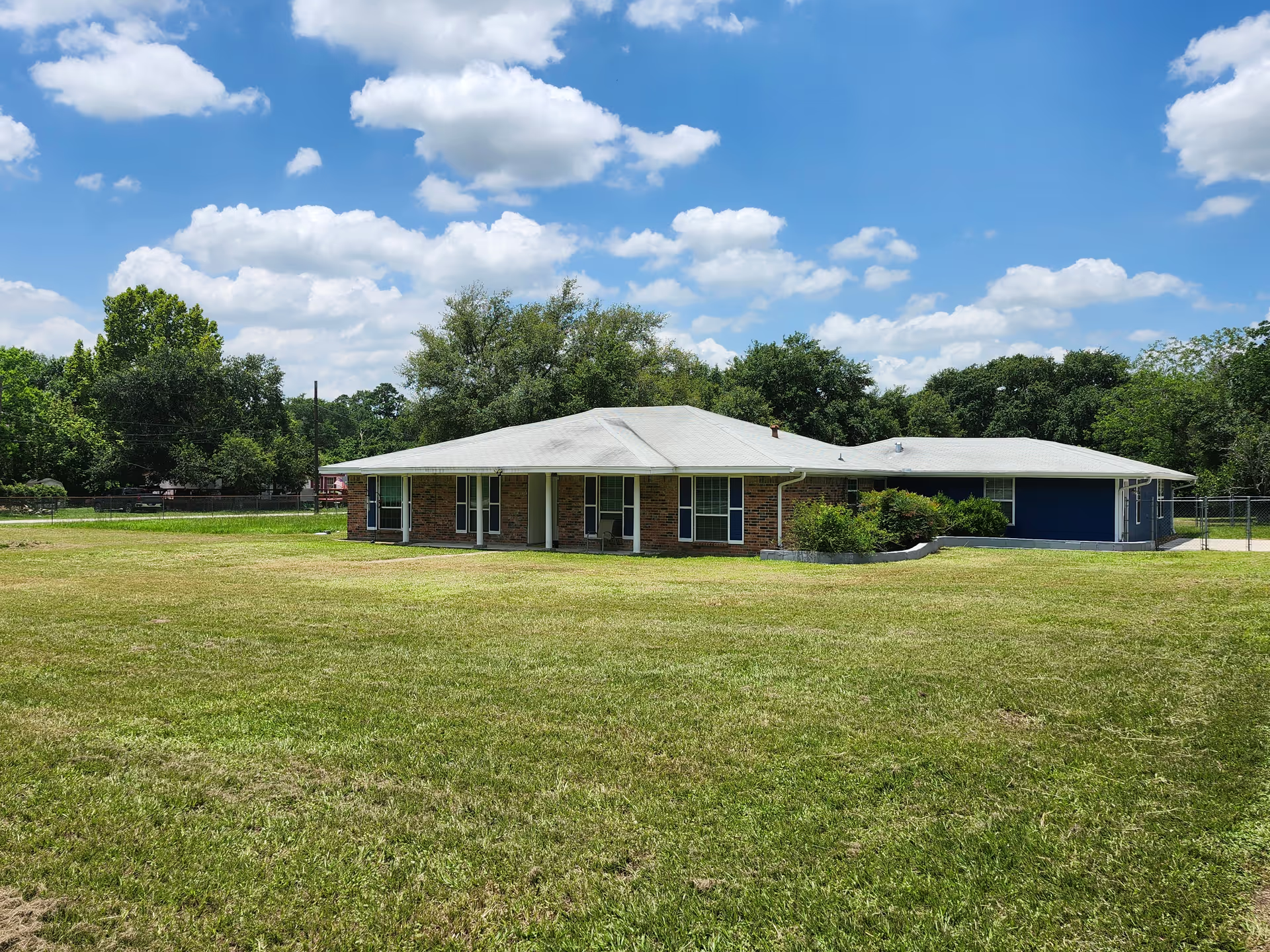
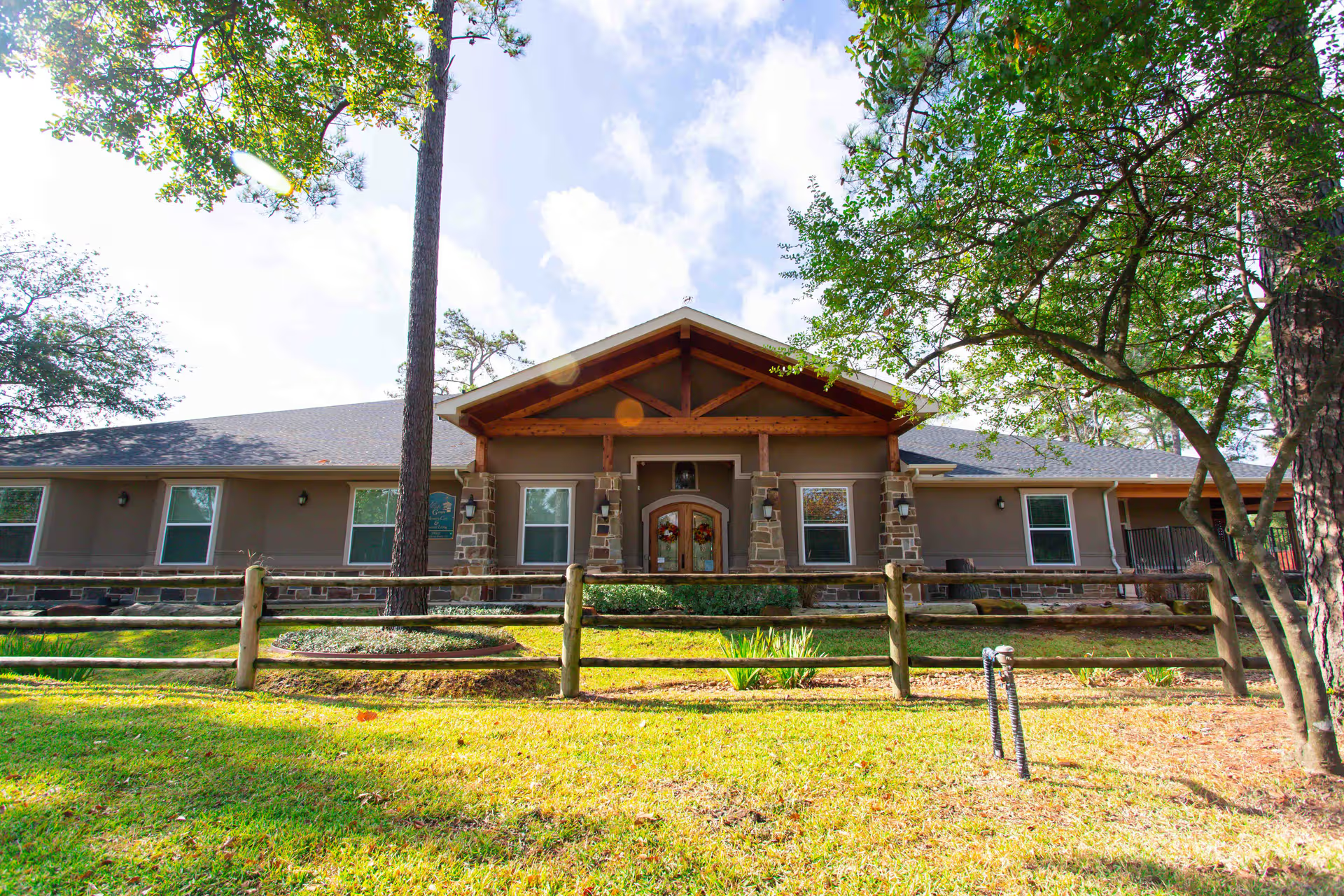
Descriptions of the building and upkeep also differ. Some visitors find the facility clean, comfortable, and welcoming, while others raise concerns about room and bathroom cleanliness, odors, aging furnishings, and equipment maintenance. Shared rooms may provide limited privacy. Laundry and tracking of personal belongings are additional recurring concerns.
Overall, the reviews present both meaningful strengths—particularly rehabilitation, staff warmth, activities, and community—and operational weaknesses involving responsiveness, care consistency, communication, dining, and upkeep. Before choosing the facility, families may find it useful to tour the relevant unit, ask about staffing and overnight response practices, review medication and care-plan processes, and clarify expectations for therapy, meals, laundry, and family updates.