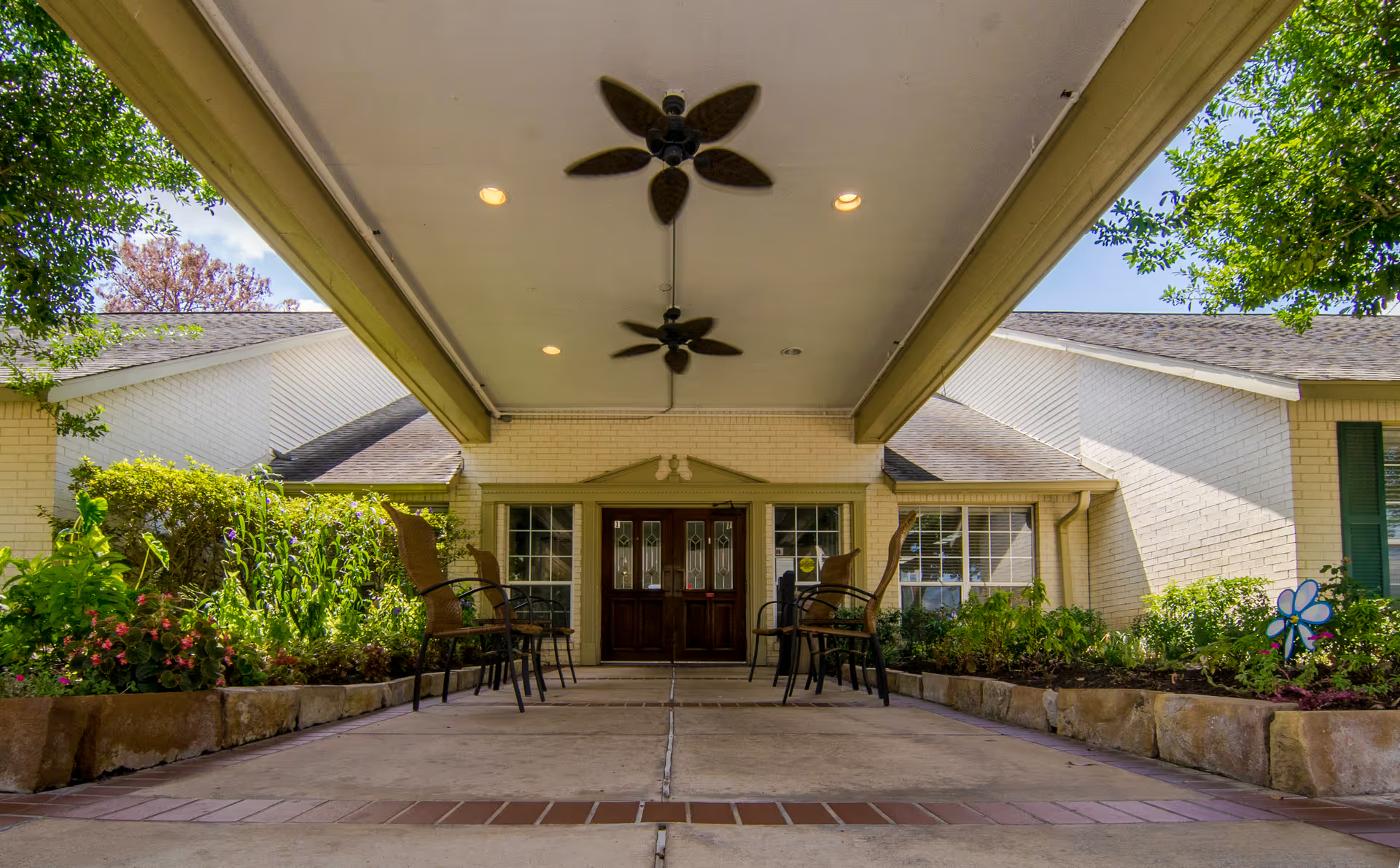
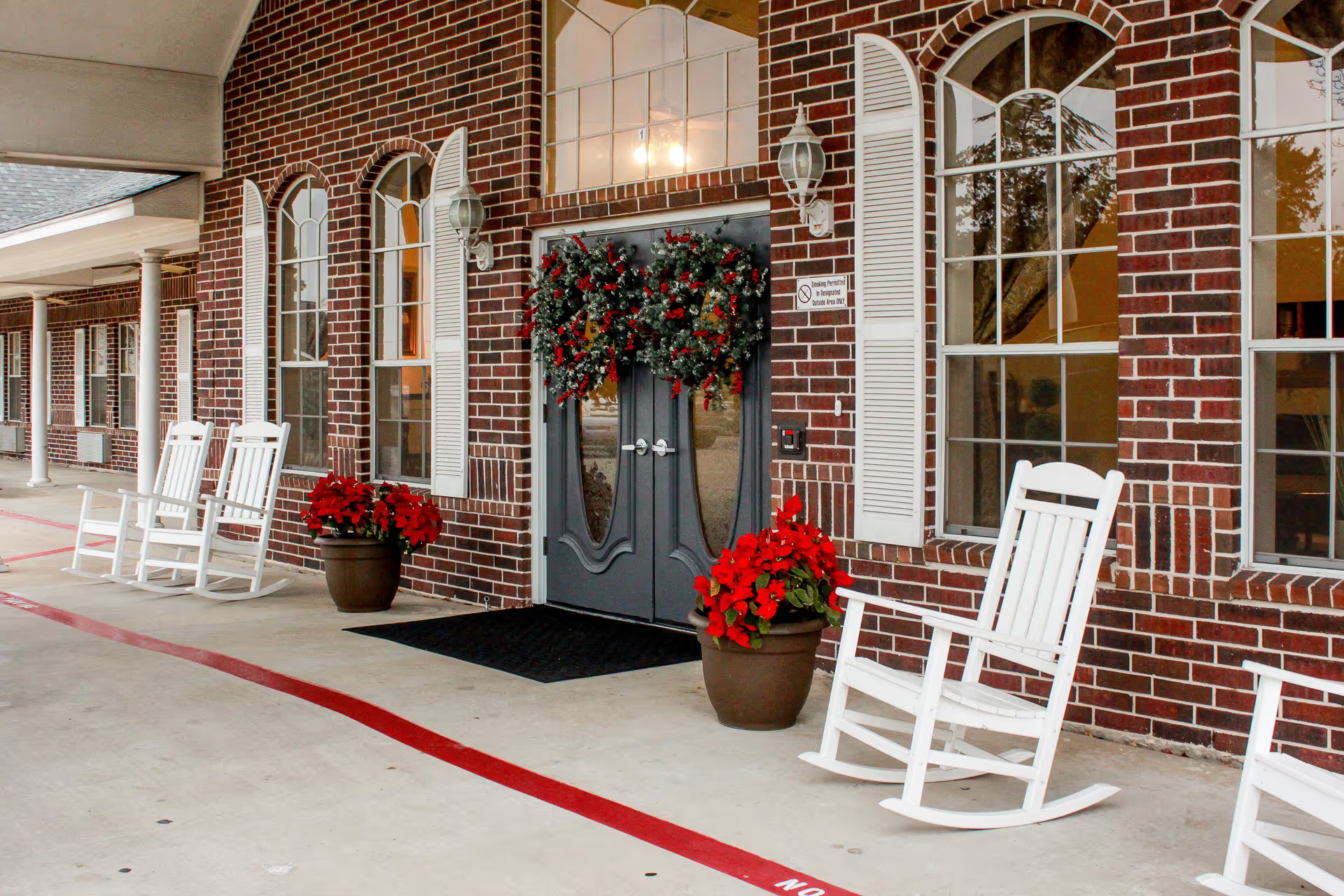
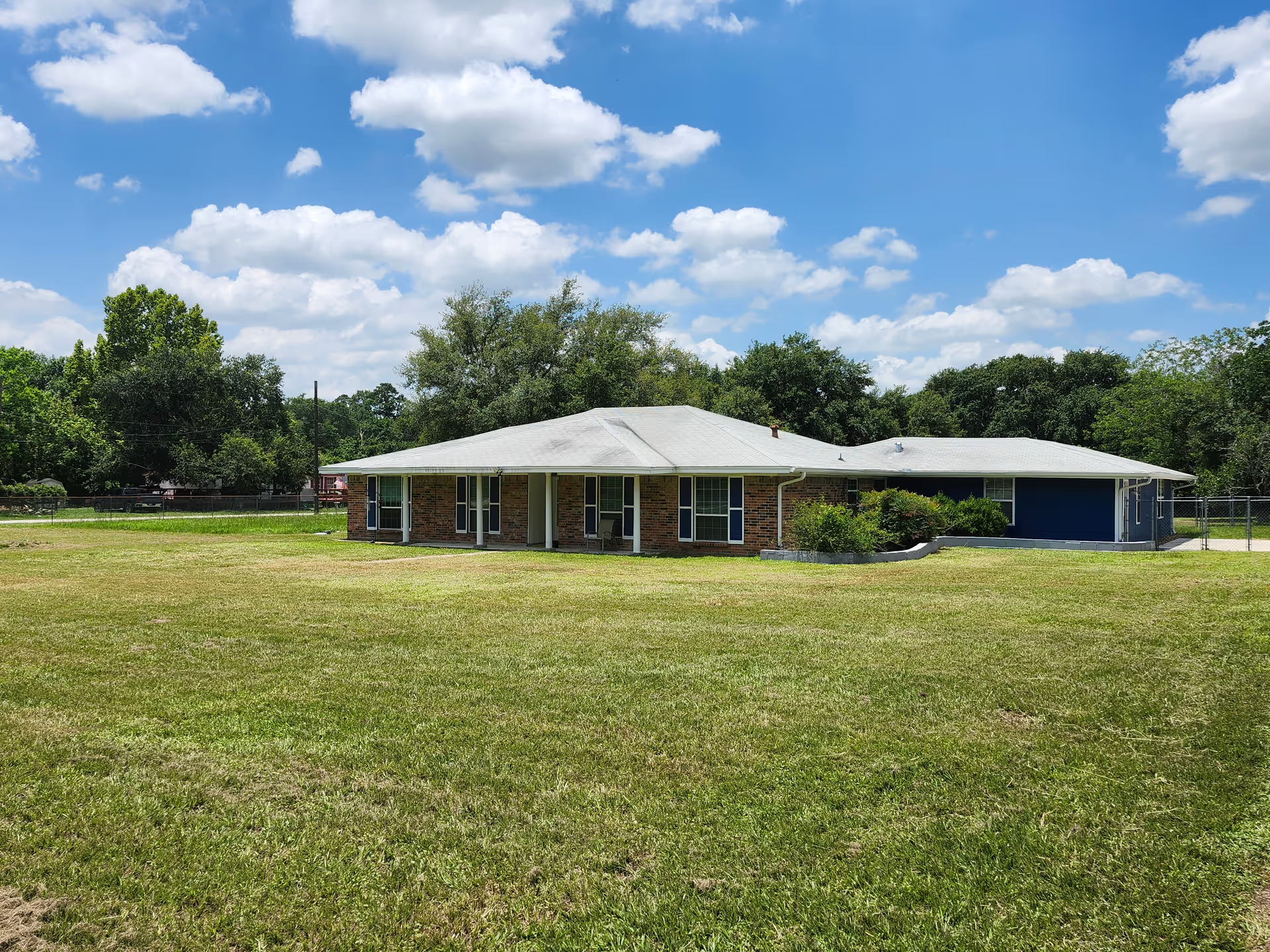
The Heritage Tomball presents a mixed profile that tends to separate residential experience by level of care and by timing. Many reviewers praise the community’s warm interpersonal aspects: caregivers, memory‑care aides, front‑desk personnel and concierge staff are frequently described as compassionate, personable, and engaged. The property offers chef‑prepared meals, an attractive dining environment, a broad activities calendar, on‑site therapy services and private apartment layouts with good storage; independent living residents and families seeking social engagement and routine services often describe a positive day‑to‑day experience and strong value for that level of care.
At the same time, there is a recurring pattern of operational weaknesses that affect assisted living and higher‑acuity care. Staffing instability and frequent turnover—including changes in leadership—are linked in reviews to inconsistent clinical coverage, delays in medication administration when RN authorization is required, and variable competency for complex needs such as diabetes/insulin management. Several reviewers described longer wait times for assistance, inconsistent bathing/housekeeping schedules, and lapses in supervision during some shifts. A small number of serious claims were raised about withheld medications and post‑incident handling; these are significant and were framed by reviewers as atypical but consequential events.
Dining and activities are a relative strength in many accounts: a robust schedule of classes, outings and on‑site programming exists, and the dining room and food are often highlighted positively. However, reviewers also note variability in meal quality and service continuity—complaints include repetitive menus, slow cafeteria service at times, and additional charges for takeaway or tray service. Activity participation is strong overall but reviews mention that programming can skew toward particular resident groups and that some residents feel excluded or form cliques.
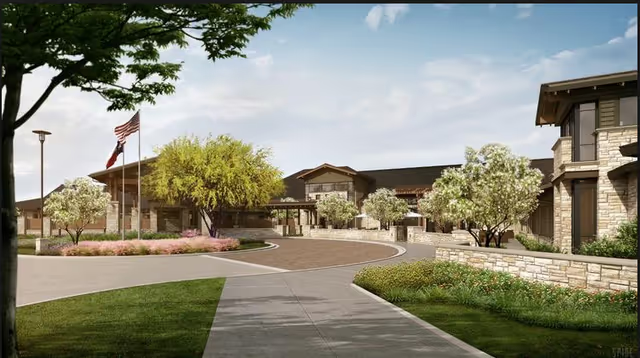
Facility and maintenance themes are mixed. Public spaces, the dining room and many apartments are described as well maintained and attractively decorated; gardens and outdoor seating are appreciated. Conversely, the building’s age and original hospital layout create wayfinding and accessibility limitations for some, and multiple reviews cite deferred maintenance items (water‑heater interruptions, periodic alarms, needed painting/repairs) and occasional pest‑control or odor concerns. Security and access control after hours were noted as areas for improvement by several families.
Financial and management concerns recur across reviews. Families report unclear billing practices, one‑time and ongoing fees that were not clearly explained, periodic unexplained rate increases, and disputes over refunds or notice policies. Leadership turnover appears to have affected operational consistency and customer service responsiveness for some residents and families.
In sum, The Heritage Tomball offers many positives—engaged staff, active programming, attractive common areas, and convenient location—particularly for residents seeking independent living or moderate assistance. Prospective residents and families should assess assisted‑living and memory‑care staffing patterns, clarify medication‑administration protocols and RN coverage, request a detailed, written breakdown of all fees and escalation processes, and tour the specific neighborhood/unit they would occupy to evaluate layout, maintenance condition and accessibility. These steps can help determine whether the community’s strong interpersonal and amenity features outweigh the operational variability noted in assisted‑care areas.