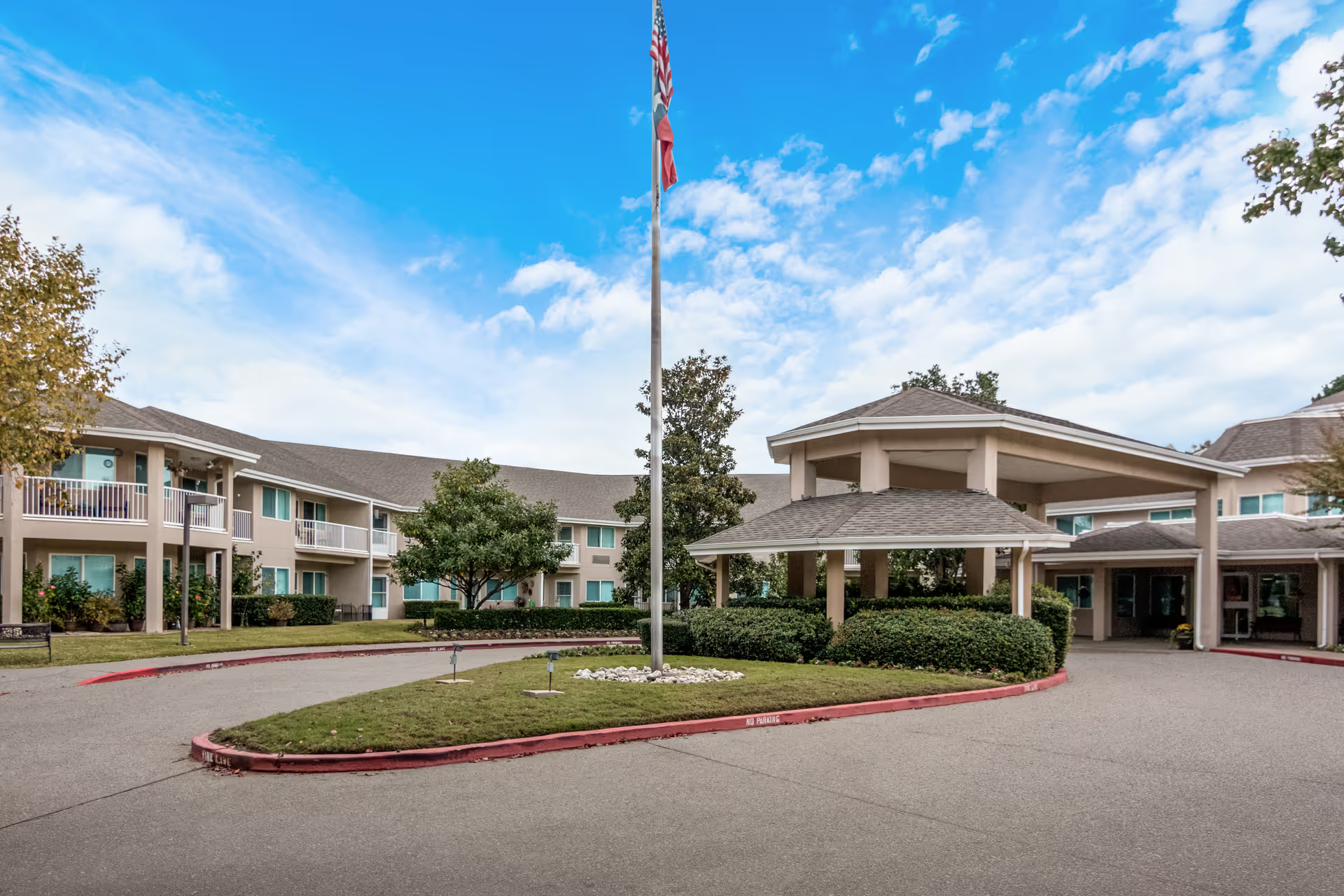
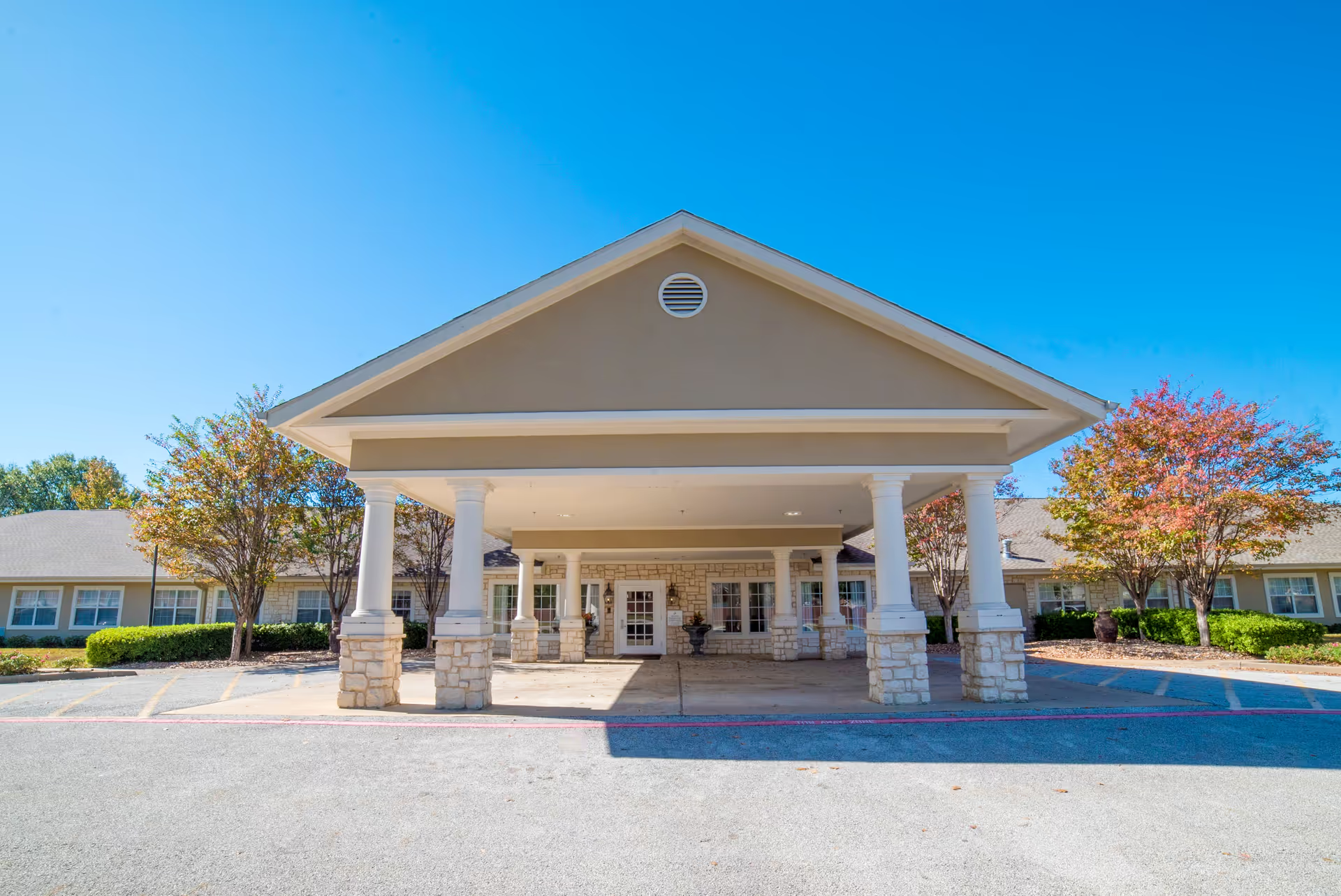
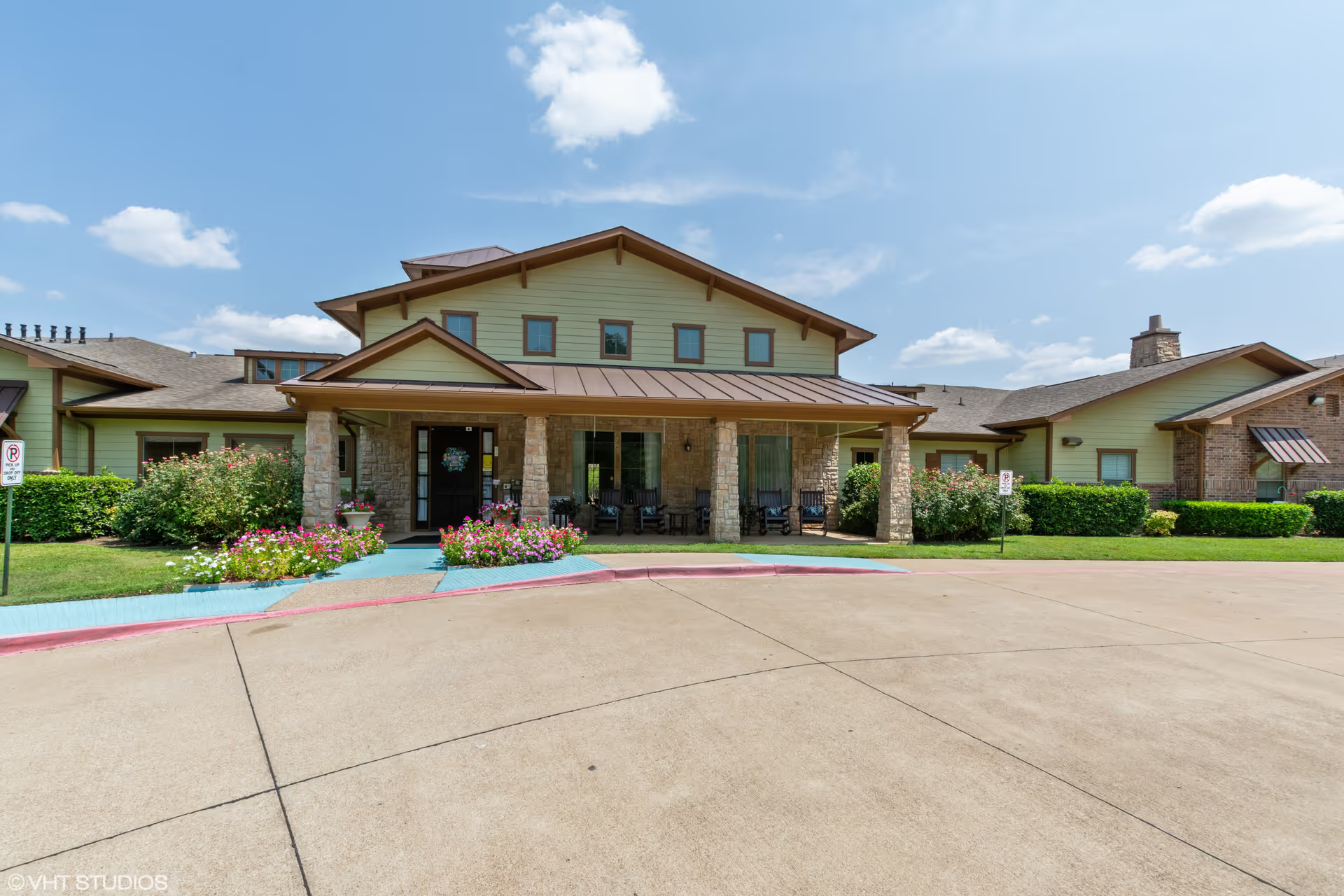
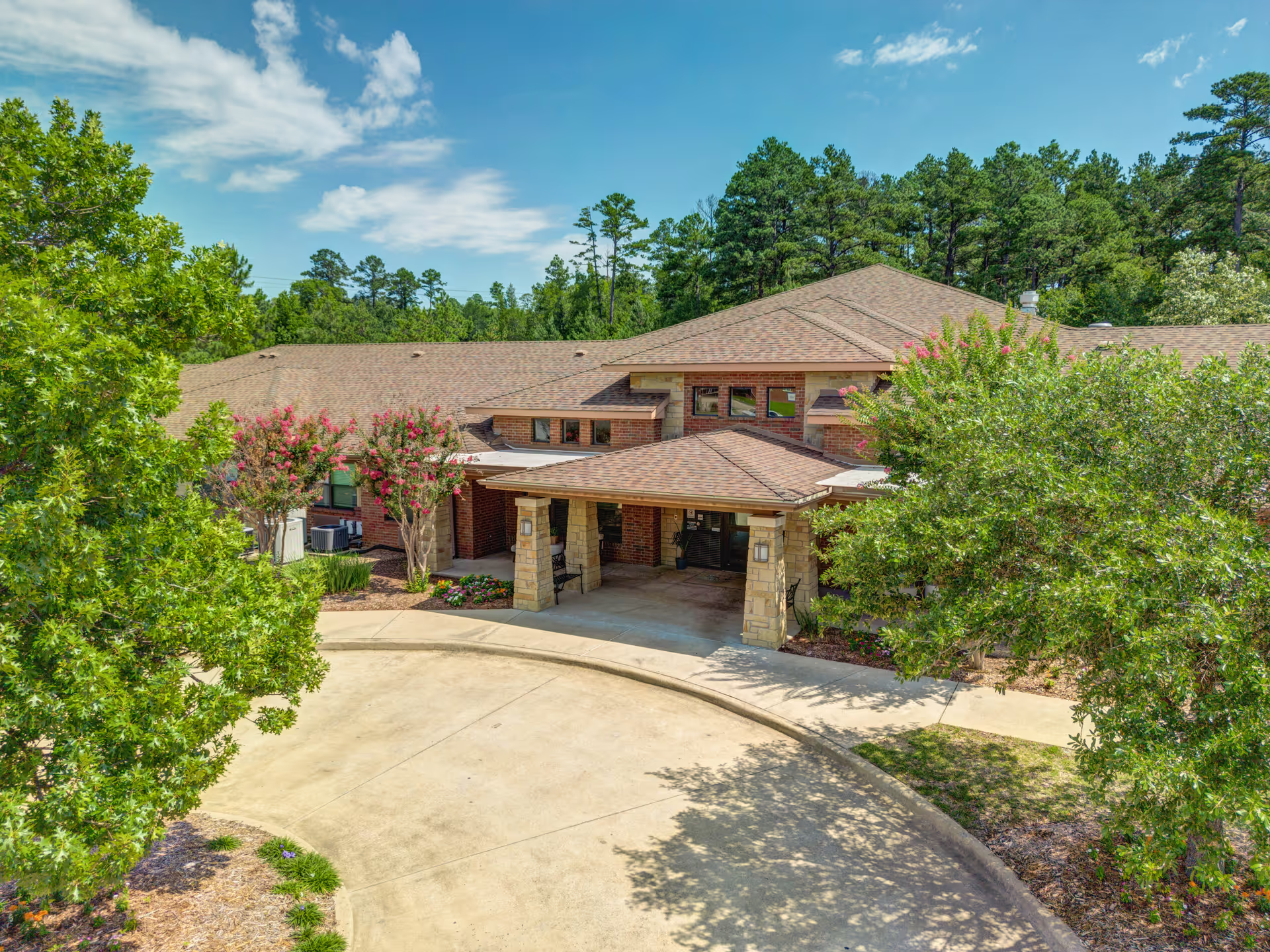
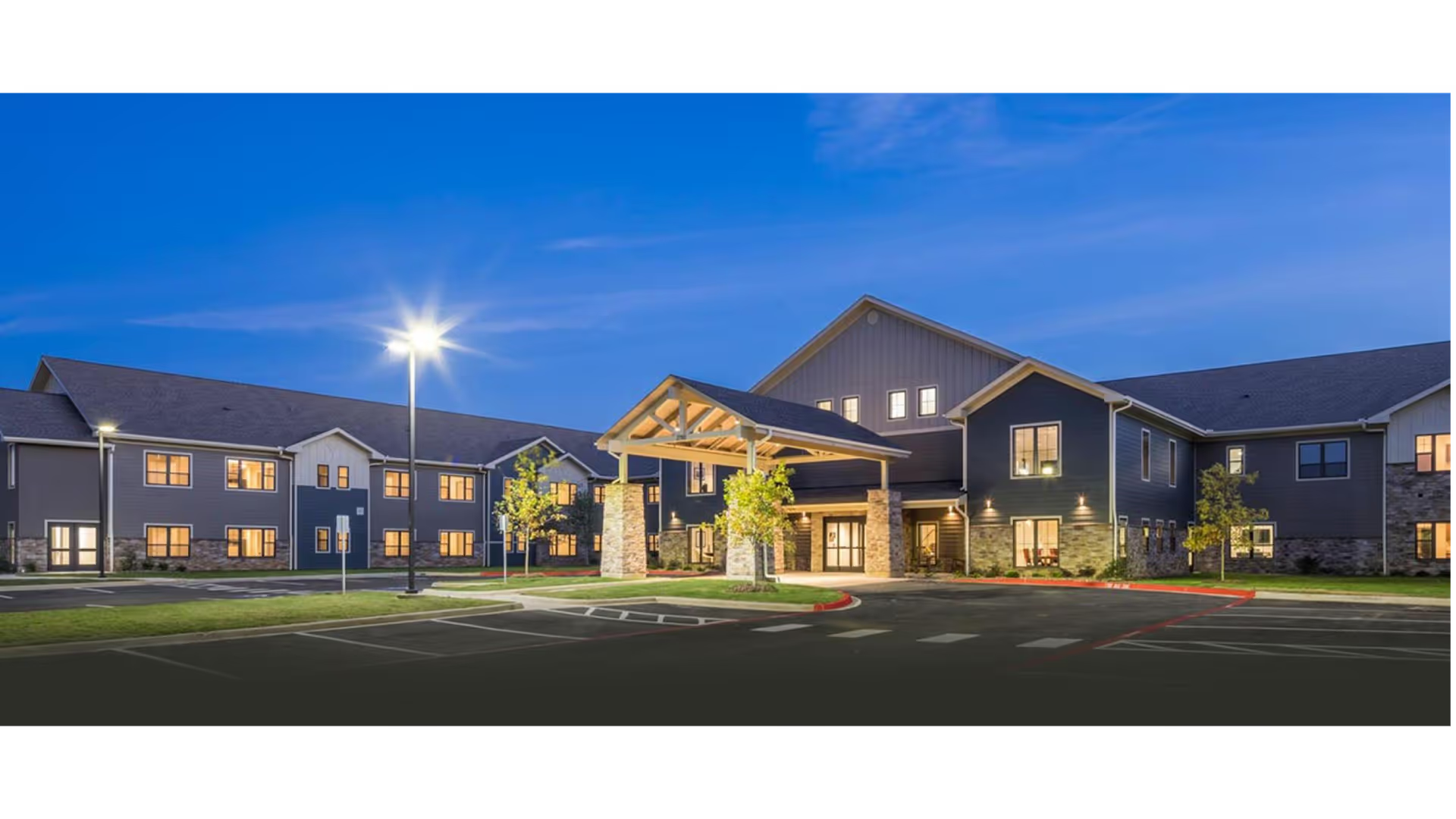
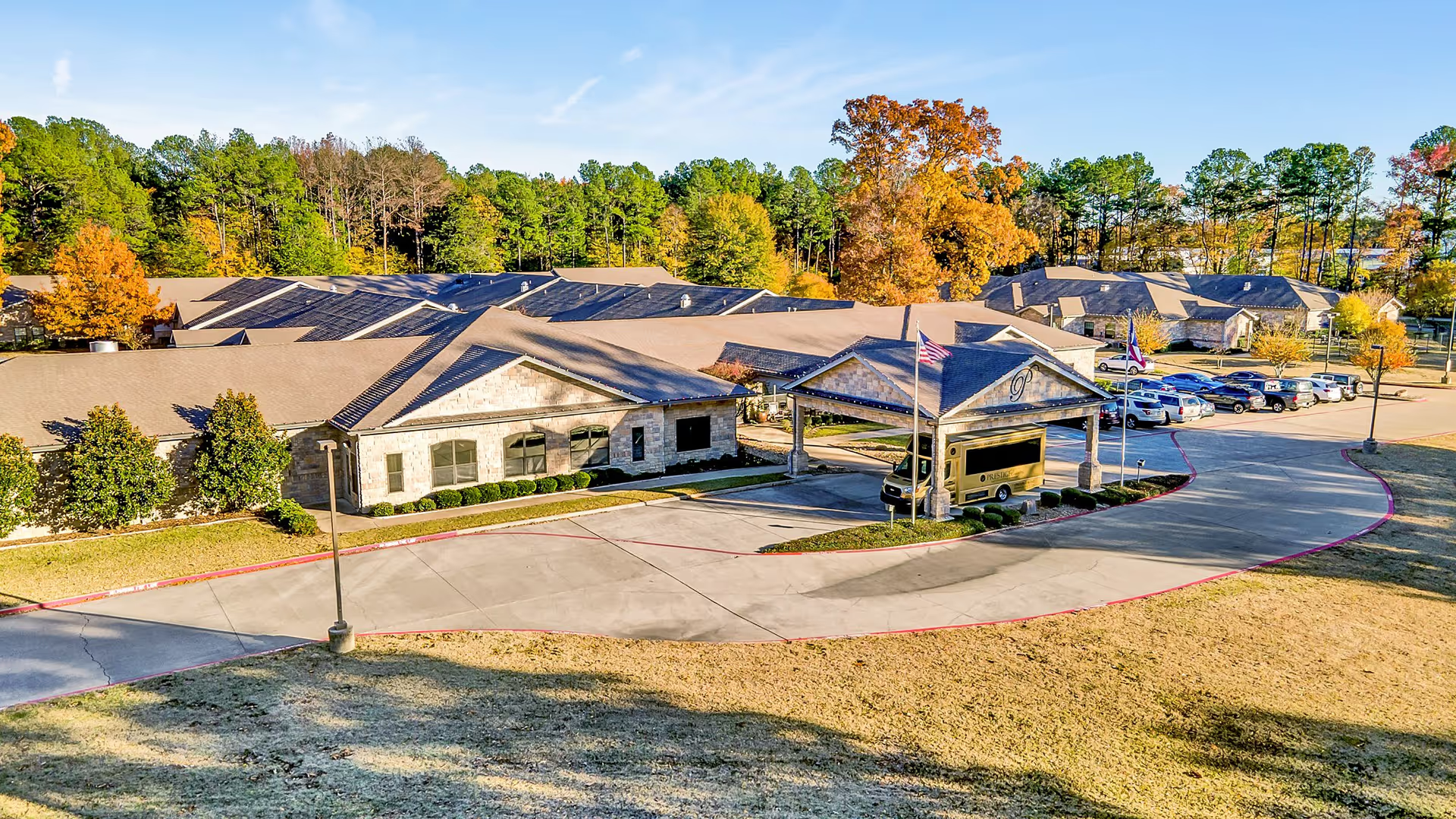
Briarcliff Health Center elicits strongly polarized responses: many families describe attentive, compassionate caregivers, effective rehabilitation, and a welcoming memory‑care program, while others report operational inconsistencies that materially affected their experience. Overall impressions cluster around two patterns — high marks for direct caregiving and therapy, and recurring concerns about communication, management, and environment variability. An aggregate community rating near the midpoint reflects this split.
Care and staff: Nursing and caregiving staff receive frequent praise for kindness, patience, and day‑to‑day support. Reviewers highlight specific employees and front‑line teams as reliable, punctual, and effective advocates for residents. At the same time, there are repeated accounts of uneven staffing coverage (notably overnight or on specific shifts), delayed responses to call requests, and instances characterized as concerns about staff conduct. These patterns suggest that quality of care can be strong but may vary by unit or shift.
Rehab and memory care: Rehabilitation services (PT/OT) and the memory‑care unit are consistently identified as strengths. Families report measurable functional gains after therapy and describe the memory unit as structured and appropriate for residents with Alzheimer’s disease. The facility’s location adjacent to assisted living is viewed as an operational advantage for transitions between levels of care.
Dining and activities: Activity programming is frequently praised for keeping residents engaged and socially connected. Dining impressions are mixed: some reviewers describe enjoyable, varied meals and adequate portions, while others cite bland offerings, cold trays, limited variety, and failures in following special diets. This points to generally acceptable programming but inconsistent execution in dietary management.
Facilities and maintenance: Many visitors note a clean, well‑kept interior and effective housekeeping practices, with several staff members singled out for their work. Conversely, some reviews describe maintenance and infrastructure issues — plumbing, flooding, siding, and other repairs — and odor or incontinence‑care concerns in particular areas. The facility’s large size is noted as making navigation difficult for visitors and residents, which can affect perceived accessibility and comfort.
Management and systems: Opinions about leadership and administrative responsiveness are mixed. Some families commend specific administrators and HR personnel for efficient, caring support; others report poor telephone communication, unhelpful interactions with supervisory staff, and lapses in timely family notification. Serious claims, including allegations of theft and missing personal property, appear in the record and should be treated as high‑priority concerns to investigate further.
Notable patterns and guidance: The overall picture is of a facility capable of delivering high‑quality rehabilitation, meaningful activities, and warm caregiving in many instances, with variability tied to shift, unit, and management practices. Prospective residents and families should tour units during different shifts, ask about staffing ratios and overnight coverage, review protocols for dietary accommodations and property safeguards, inquire about maintenance schedules, and request examples of family communication and physician‑on‑call availability. These targeted questions will help determine whether the aspects of Briarcliff that other families praised are consistently present for a given unit or admission.