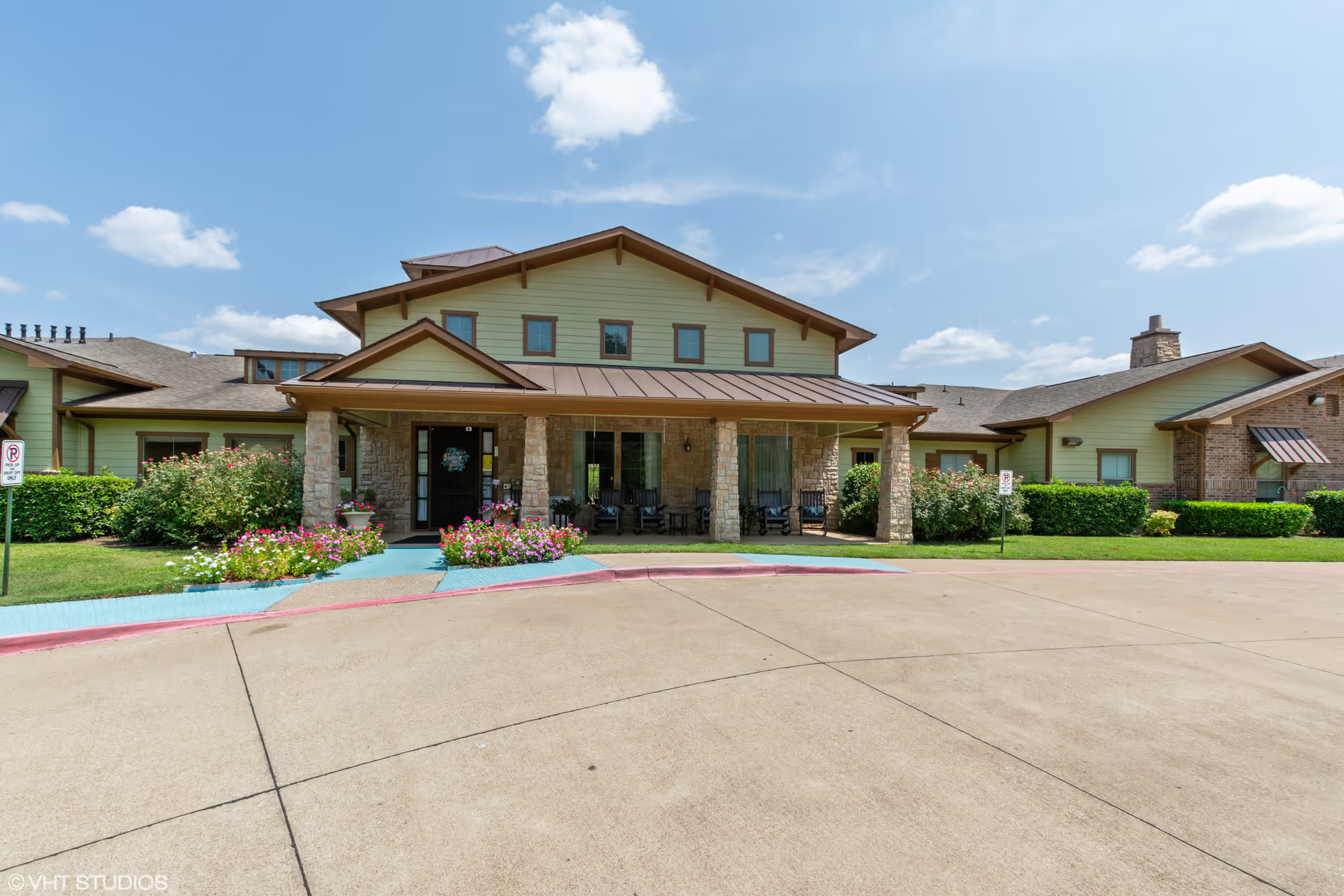
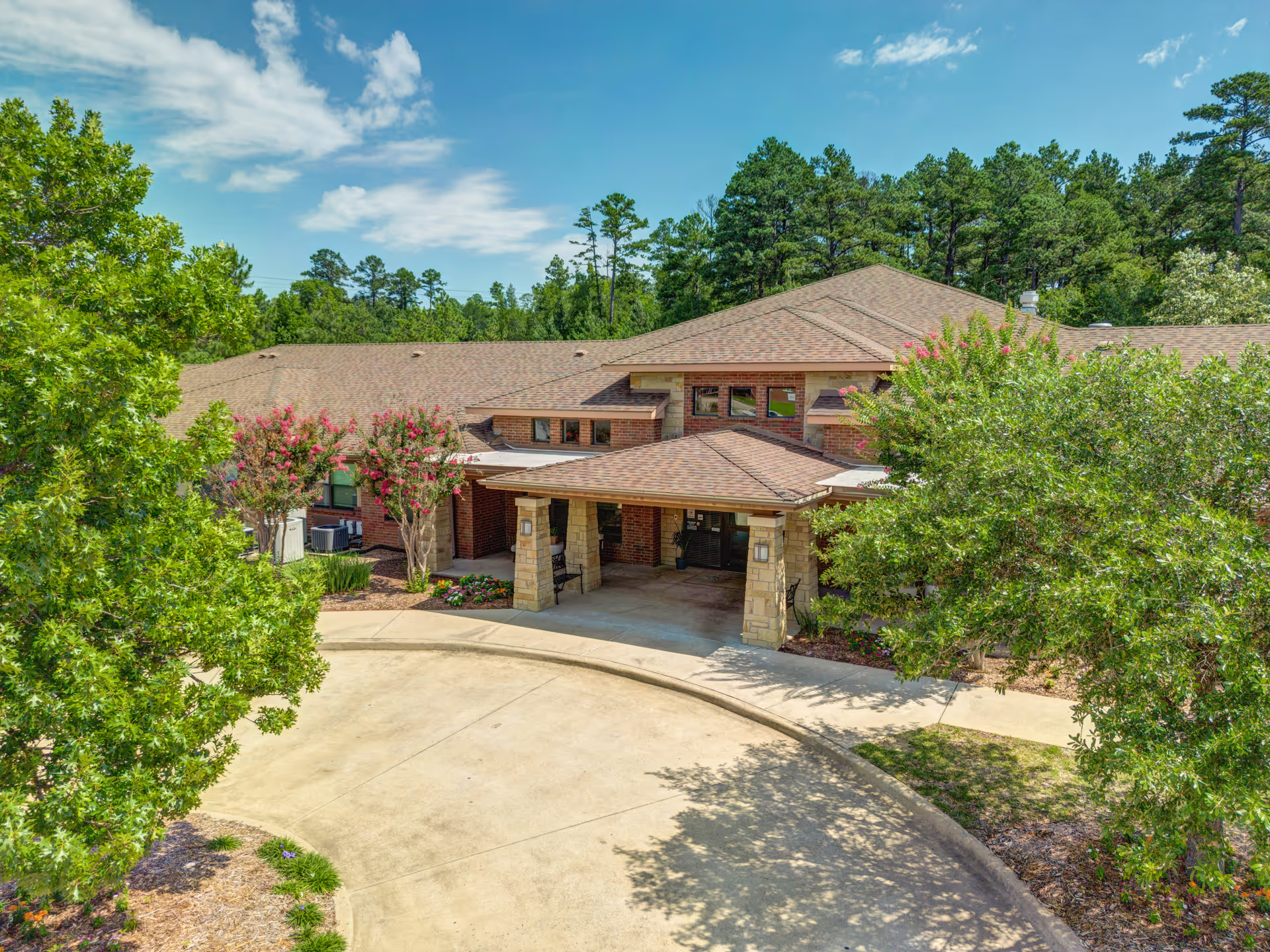
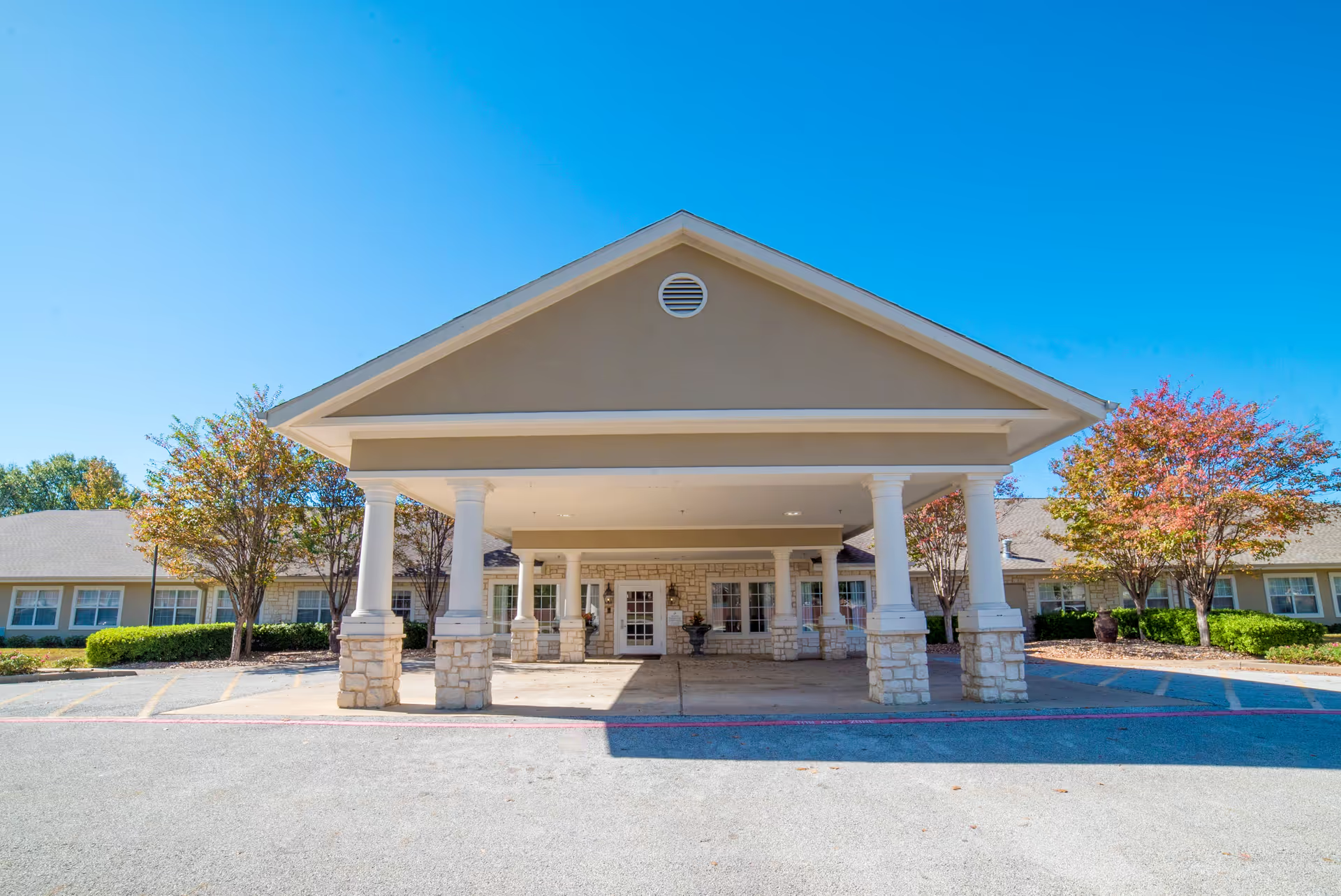
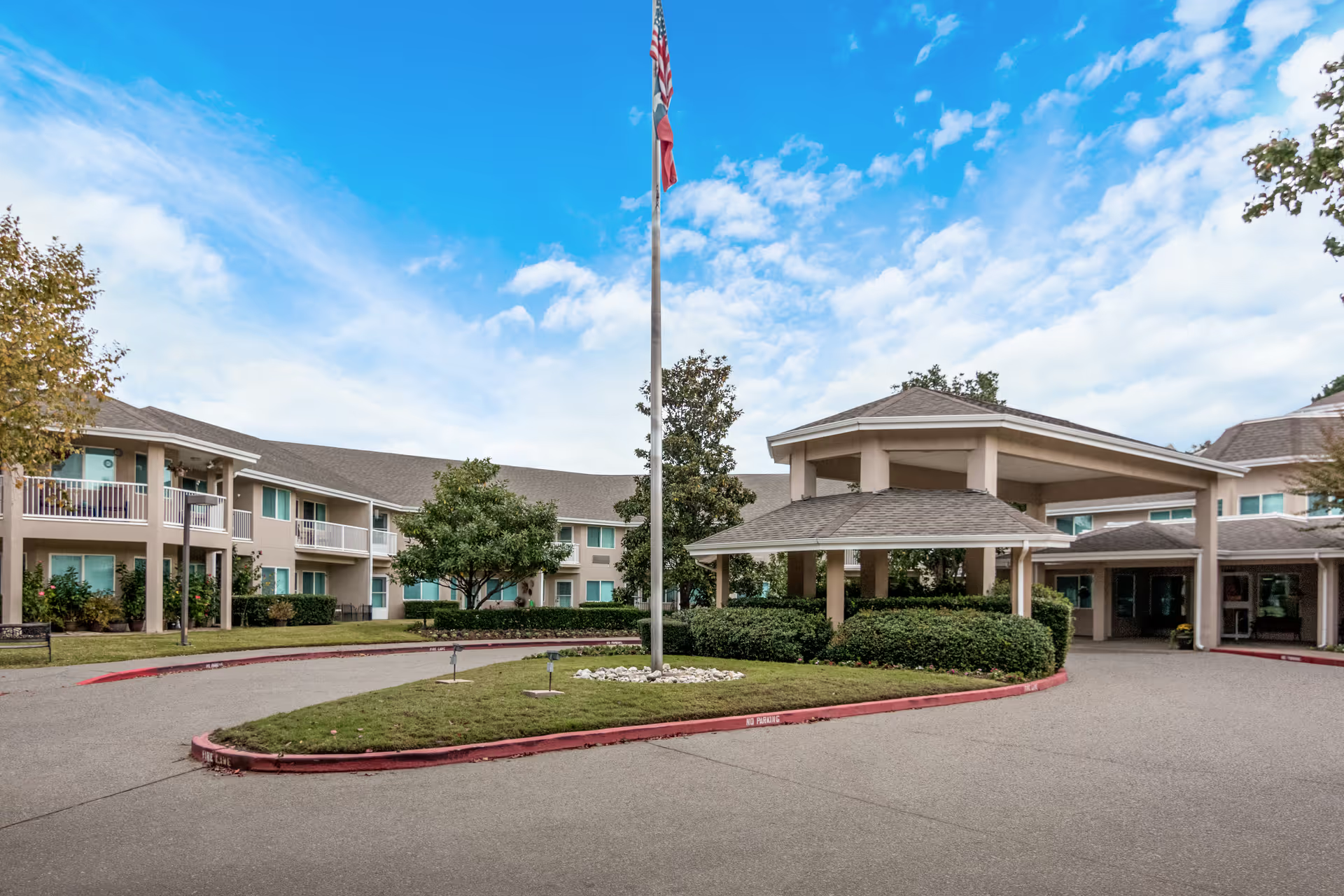
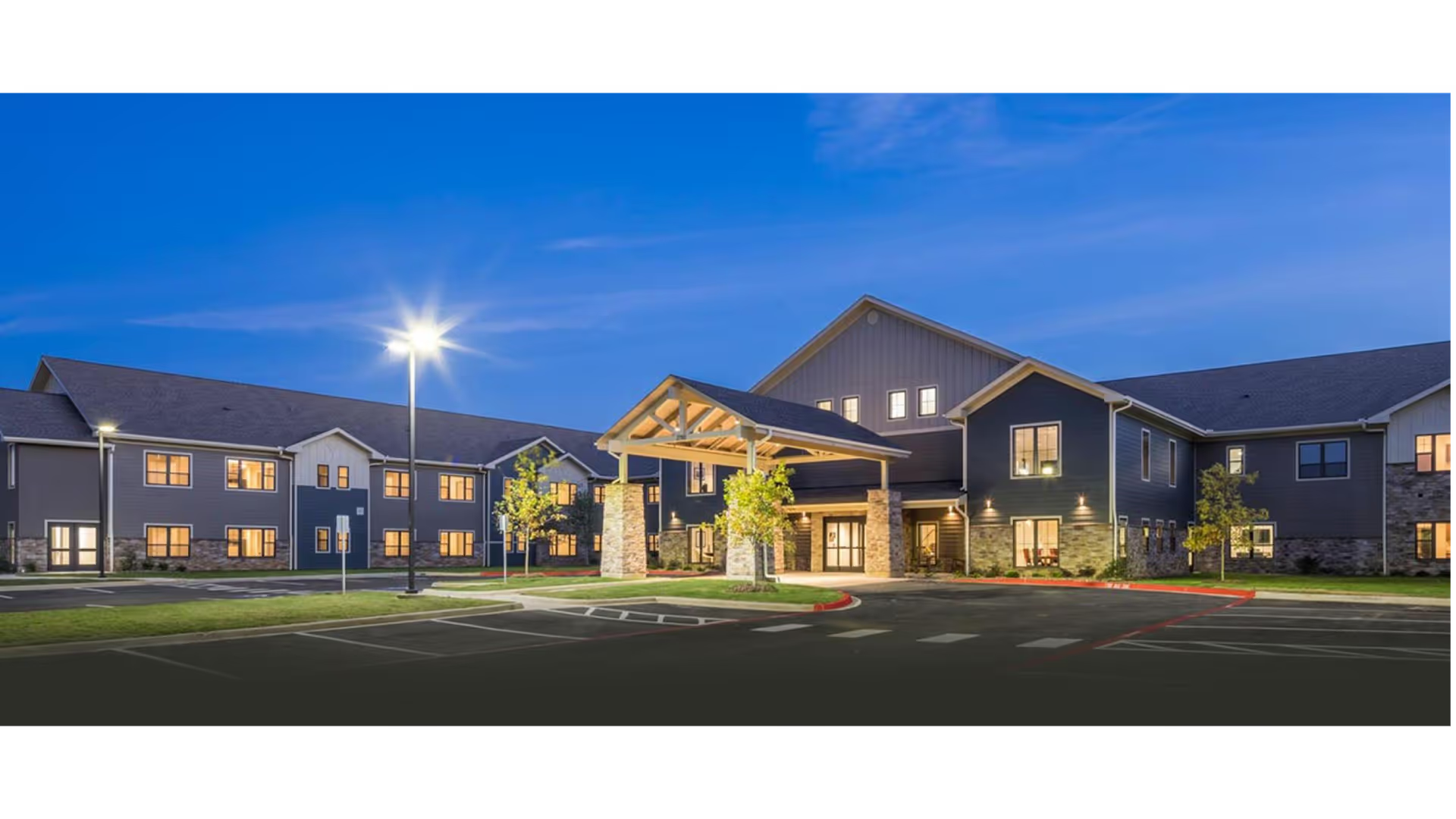
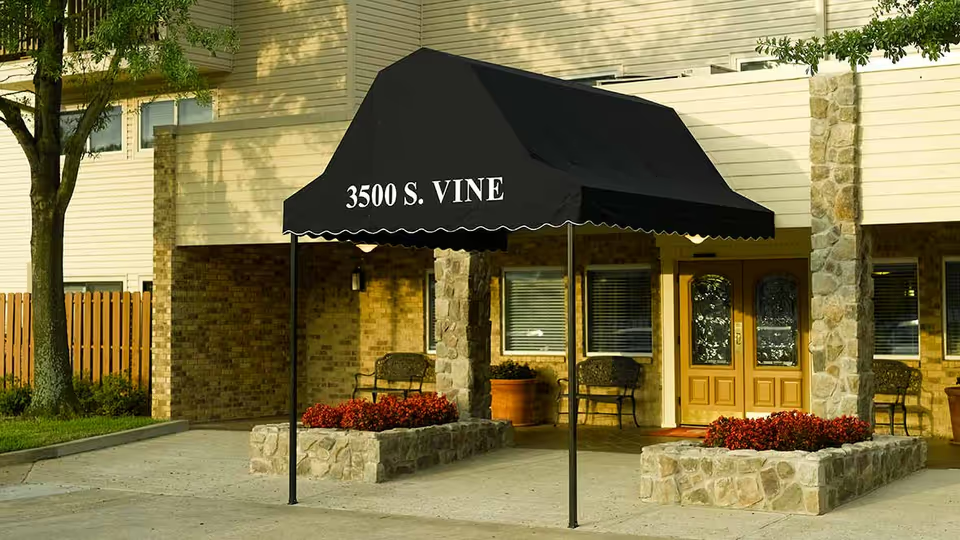
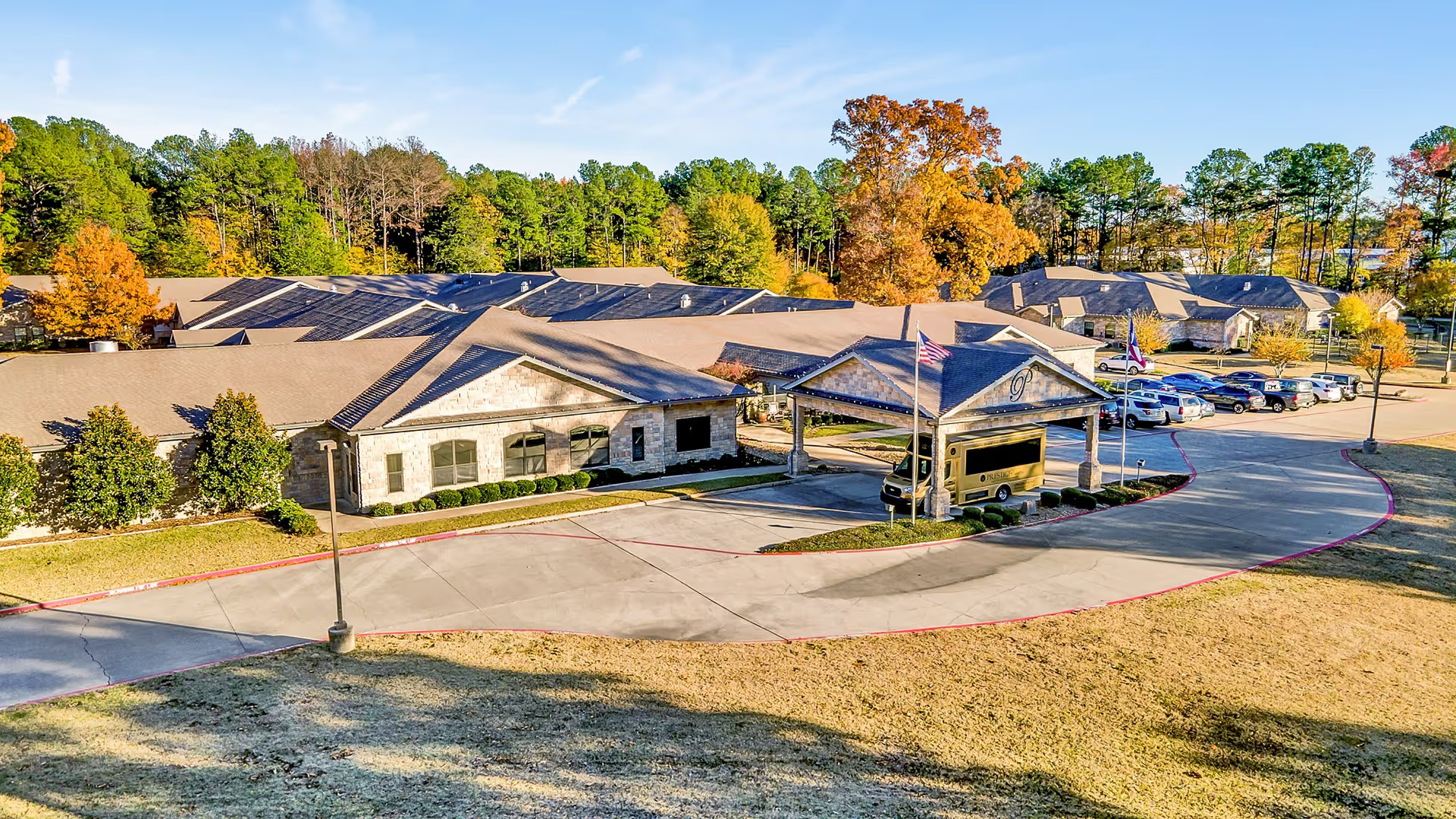
Garden Estates of Tyler presents as a large, activity-focused senior community with consistently praised front-line staff and a strong sense of resident community. Families and residents commonly describe staff as warm, attentive and helpful; admissions and move-in coordination are frequently characterized as smooth, and community leaders at the local level are often described as proactive and engaged. The physical environment includes spacious apartment options with full kitchens, multiple shared activity spaces, a dining room that emphasizes restaurant-style table service, and pet-friendly outdoor areas.
Care quality is a mixed picture. Direct-care and day-to-day support are often highlighted as strengths: staff are noted for personal attention, familiarity with residents, and timely responses to requests. At the same time, reviewers indicate limited on-site clinical coverage and constraints in medical logistics — examples include restricted scheduling windows for clinic appointments, questions about medication/insulin coordination, and reduced evening/night staffing. These operational characteristics make the community a reasonable fit for residents needing independent living or light assisted support, but some families express concern about the facility's readiness to manage advancing medical or complex memory-care needs without a subsequent move.
Dining is a salient and polarized theme. The community offers menu-based, sit-down dining with daily specials and alternative selections; reviewers appreciate the dining-room presentation and social aspect of meals. However, there is a recurrent complaint about inconsistent food quality, kitchen turnover, and a lack of reliably therapeutic options for residents with diabetes, cardiac, or hypertension diets. Families routinely recommend sampling a current meal on tour and confirming the community's process for special-diet accommodations before committing.
Activities, amenities, and social programming are clear strengths. The community provides a broad calendar of events — exercise, crafts, games, music, weekly outings and religious services — plus on-site services such as a beauty shop and craft rooms. Many reviewers describe an engaged social environment in which residents form friendships and participate in communal life, contributing positively to social well-being.
Facility condition and maintenance show variability. Large portions of the property are described as clean and being updated, but ongoing renovation needs, older mechanical systems, and specific infrastructure concerns such as moisture intrusion, leaking pipes, and dated HVAC were noted. These issues are operational in nature and have led families to inquire about current remediation timelines. Some units are described as darker with limited natural light; availability and condition vary by building and unit type.
Management and communications create a mixed impression. Point-of-care staff receive strong praise, whereas administrative and corporate-level accessibility has been described as uneven. Reviewers mention leadership turnover, occasional unexpected fee increases, and inconsistencies in front-desk communication. Transportation is available for appointments, but families should clarify pickup/return logistics and any extra fees, as constraints on return transportation and scheduling have been a concern.
Overall recommendation guidance: Garden Estates of Tyler is likely a good match for older adults seeking an active, social independent-living setting with responsive caregiving staff and a menu of amenities. Prospective residents with significant clinical needs, advanced dementia, or strict therapeutic-diet requirements should conduct targeted due diligence: tour multiple unit types, sample current meals, confirm clinical staffing patterns and medication/insulin protocols, and obtain written clarity on transportation procedures and any additional fees. Asking for recent maintenance updates and a timeline for promised renovations will help set realistic expectations about facility condition.