The reviews present a mixed but consistent pattern: many families praise the interpersonal side of care while others identify operational weaknesses that affect clinical reliability and family confidence. Strengths frequently cited include a warm, friendly staff culture, low turnover among long‑tenured employees, and leadership that some families find responsive. The facility’s common areas and grounds are described as clean and well kept, dining is often characterized as homestyle and enjoyable, and the activities program is highlighted for creativity and resident engagement. The presence of on‑site therapy spaces and a memory‑care unit are also noted as positive service elements.
Care and staffing impressions are polarized. Positive accounts emphasize compassionate, attentive aides, nursing staff, and therapists who worked collaboratively with outside agencies to meet resident needs. Conversely, several accounts describe inconsistencies in basic clinical care and personal‑care routines (bathing, oral care, timely clothing changes), delayed responses to call requests, and difficulty reaching nurses during nights and weekends. A few reviews raise serious concerns about medication handling and clinical outcomes; these descriptions suggest the need to verify medication‑management and clinical‑incident protocols during any tour or intake discussion.
Rehabilitation, dining, and activities also show variability. Some families report excellent, focused therapy programs that improved strength and reduced falls; others describe limited or no effective rehab and perceive marketing about therapy to be misleading. Dining receives frequent praise for quality and atmosphere, though some reviewers mention missed meals or hydration lapses. Activities are generally presented positively, with an active director and programming that engages residents and contributes to a home‑like social environment.
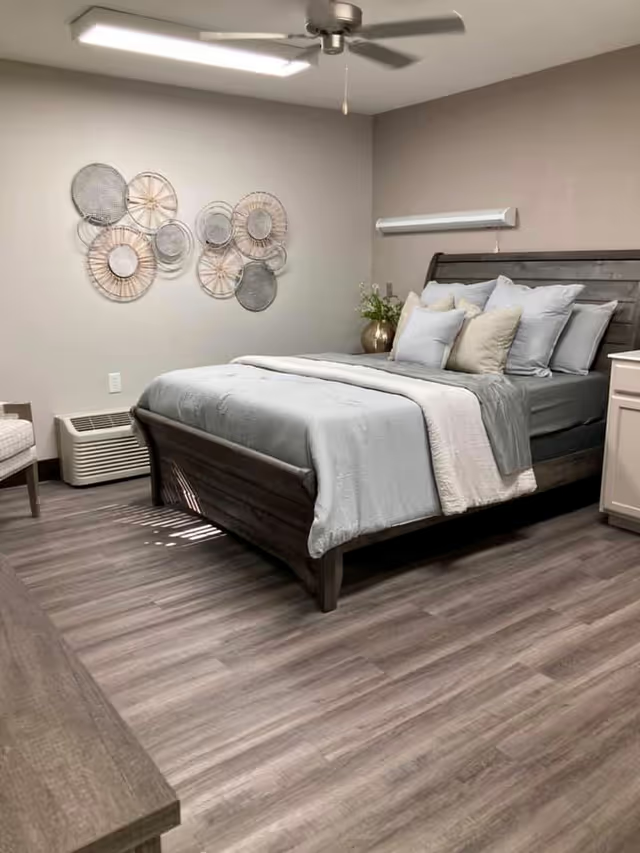
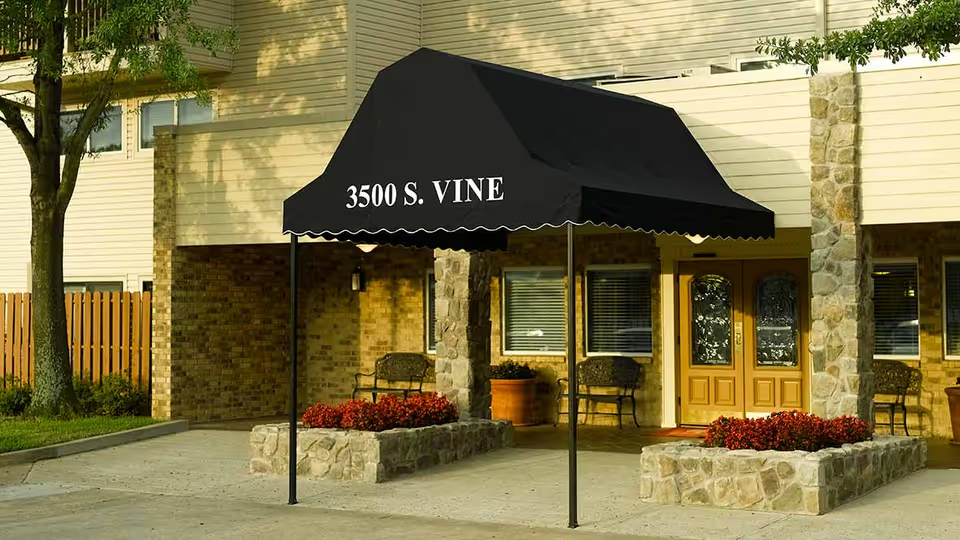
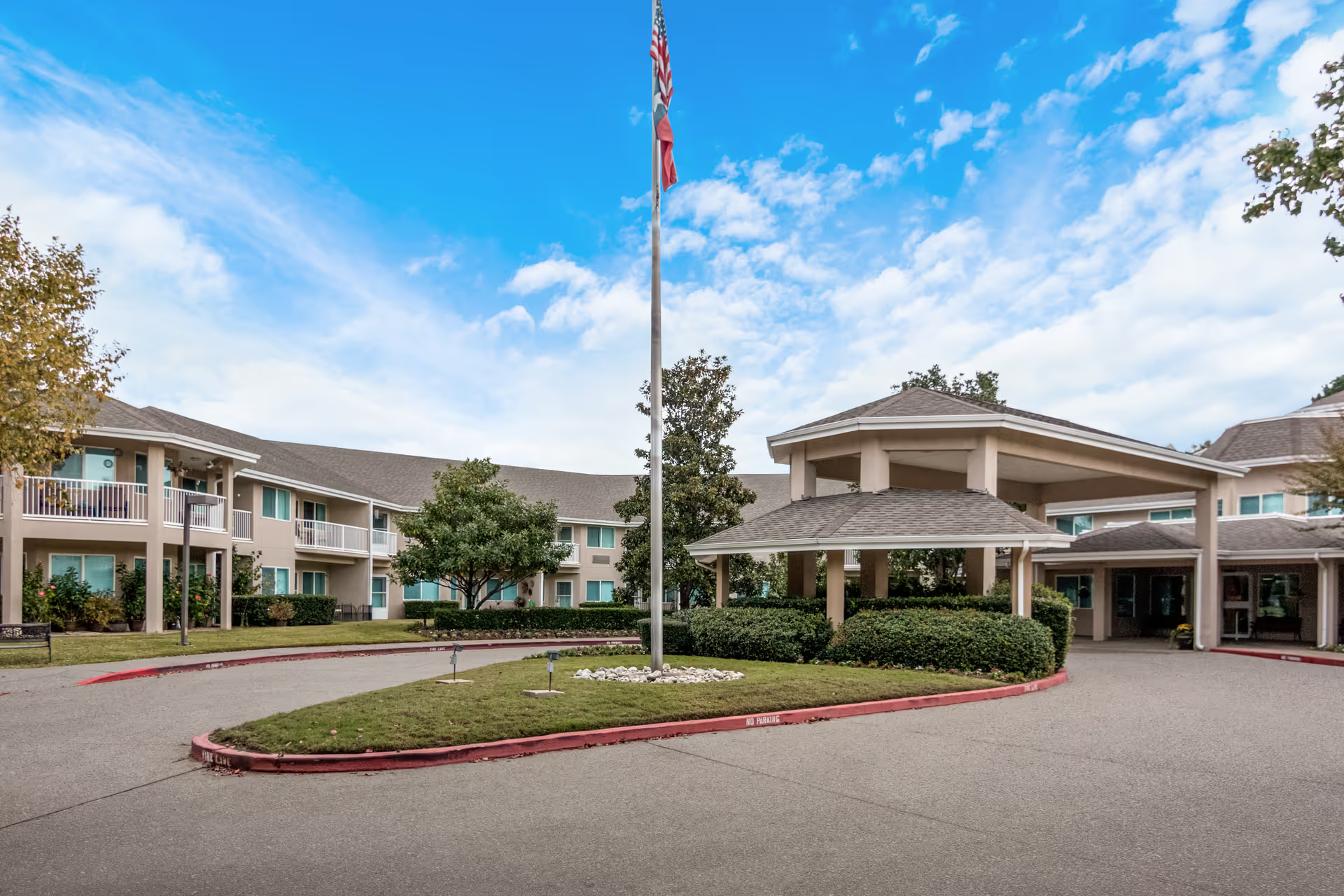
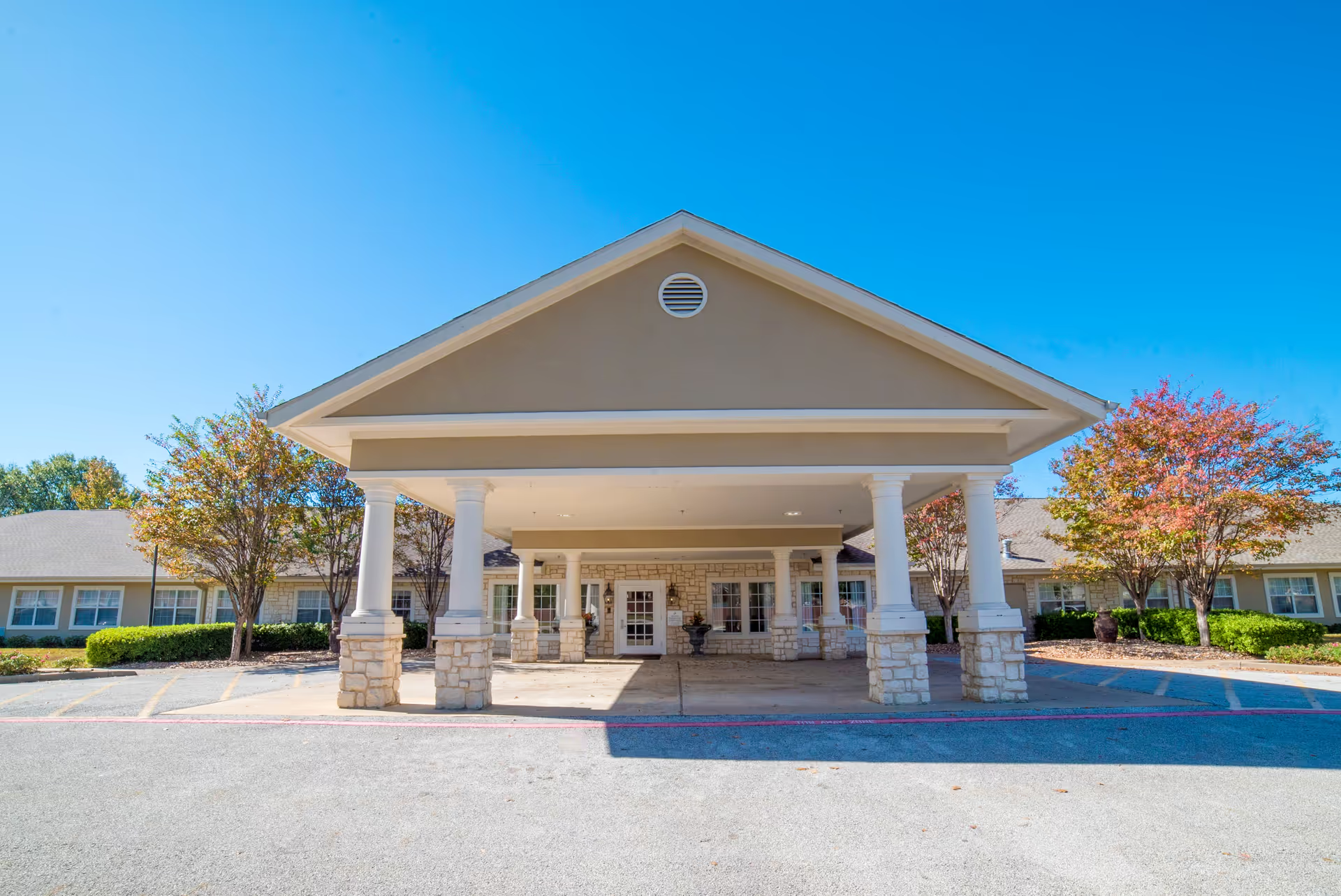
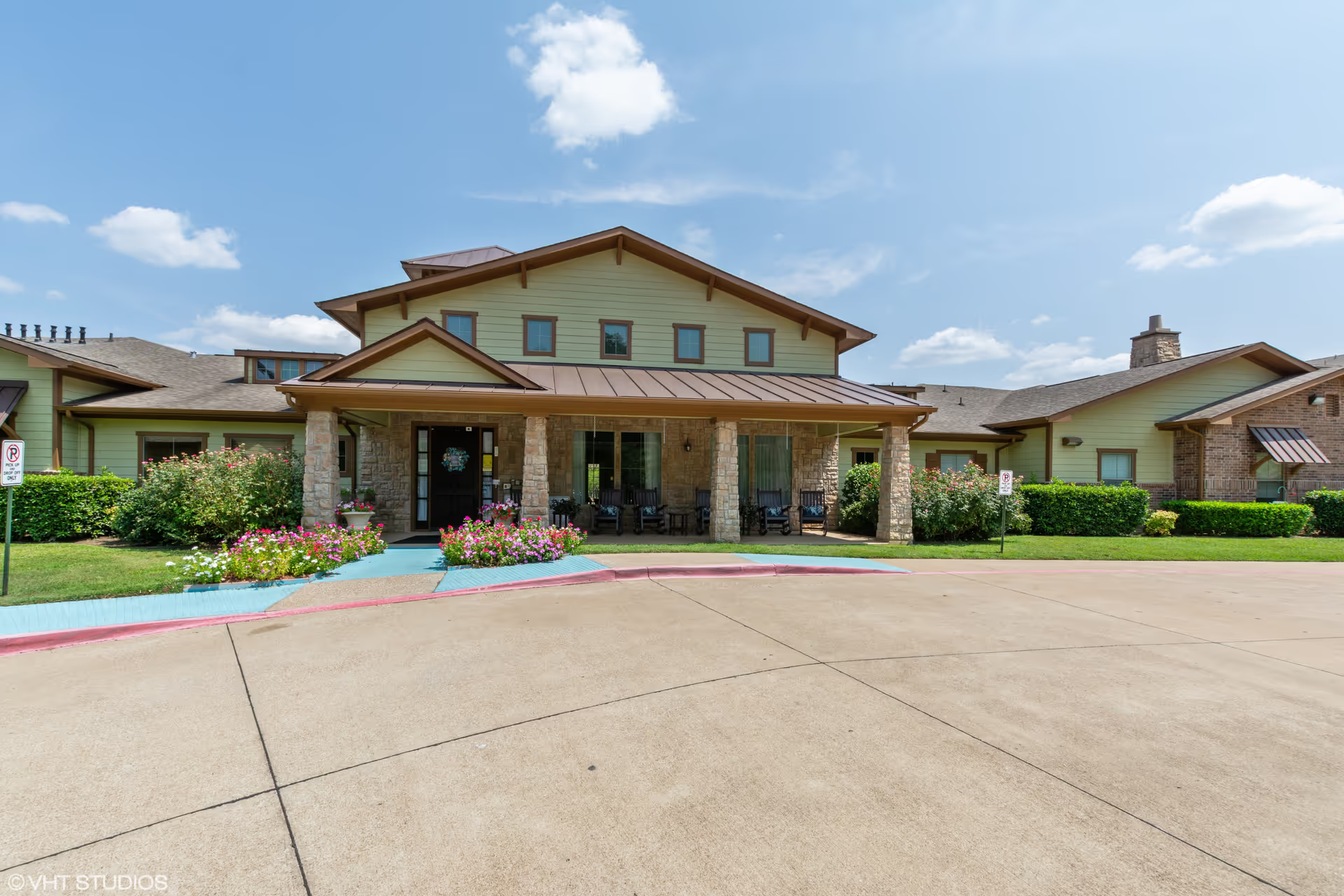
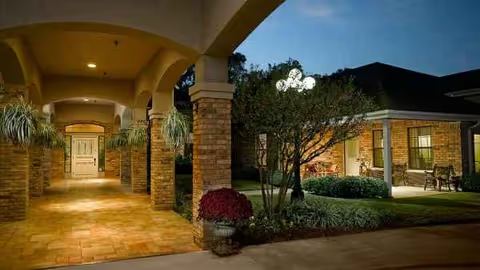
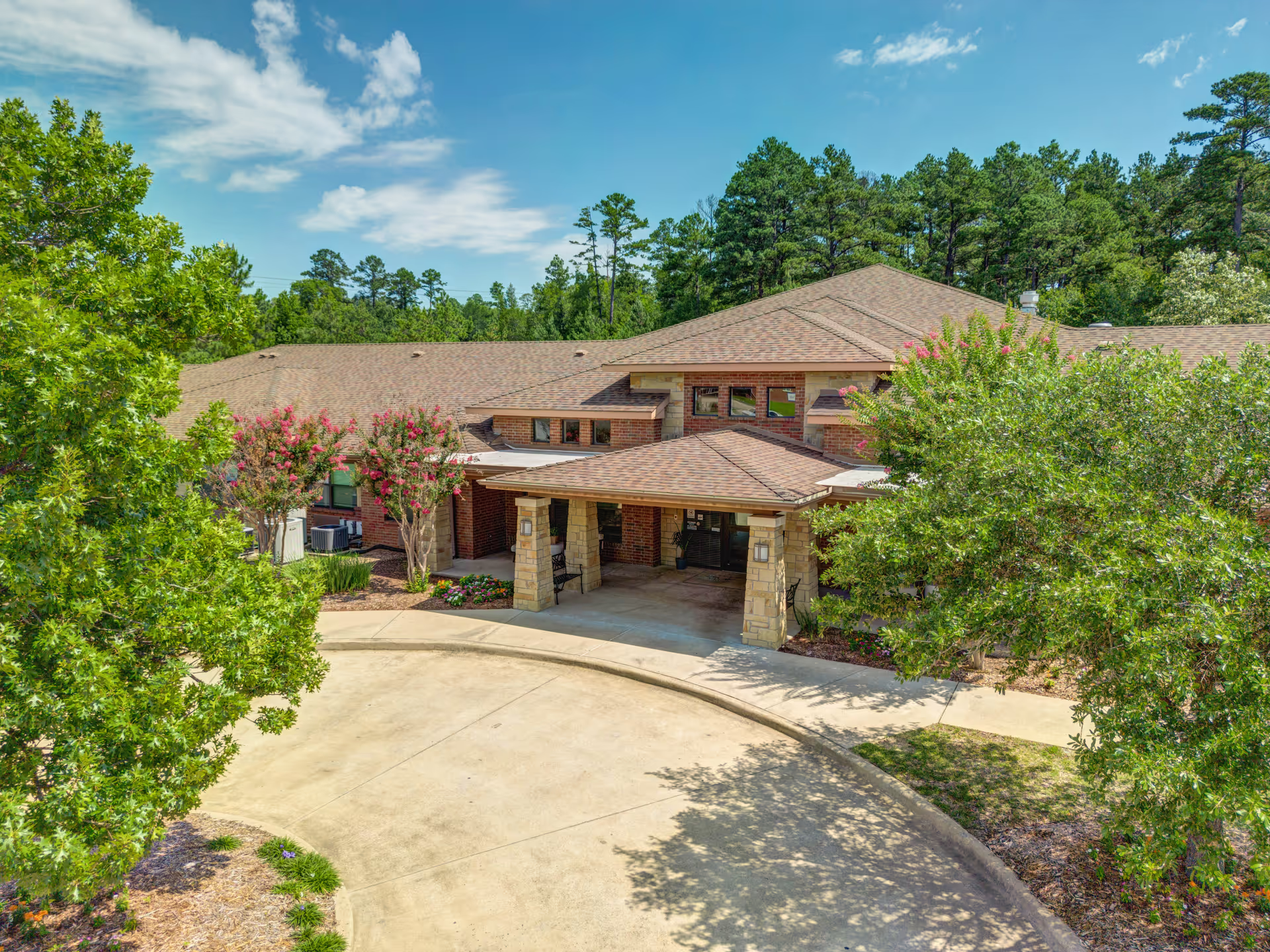
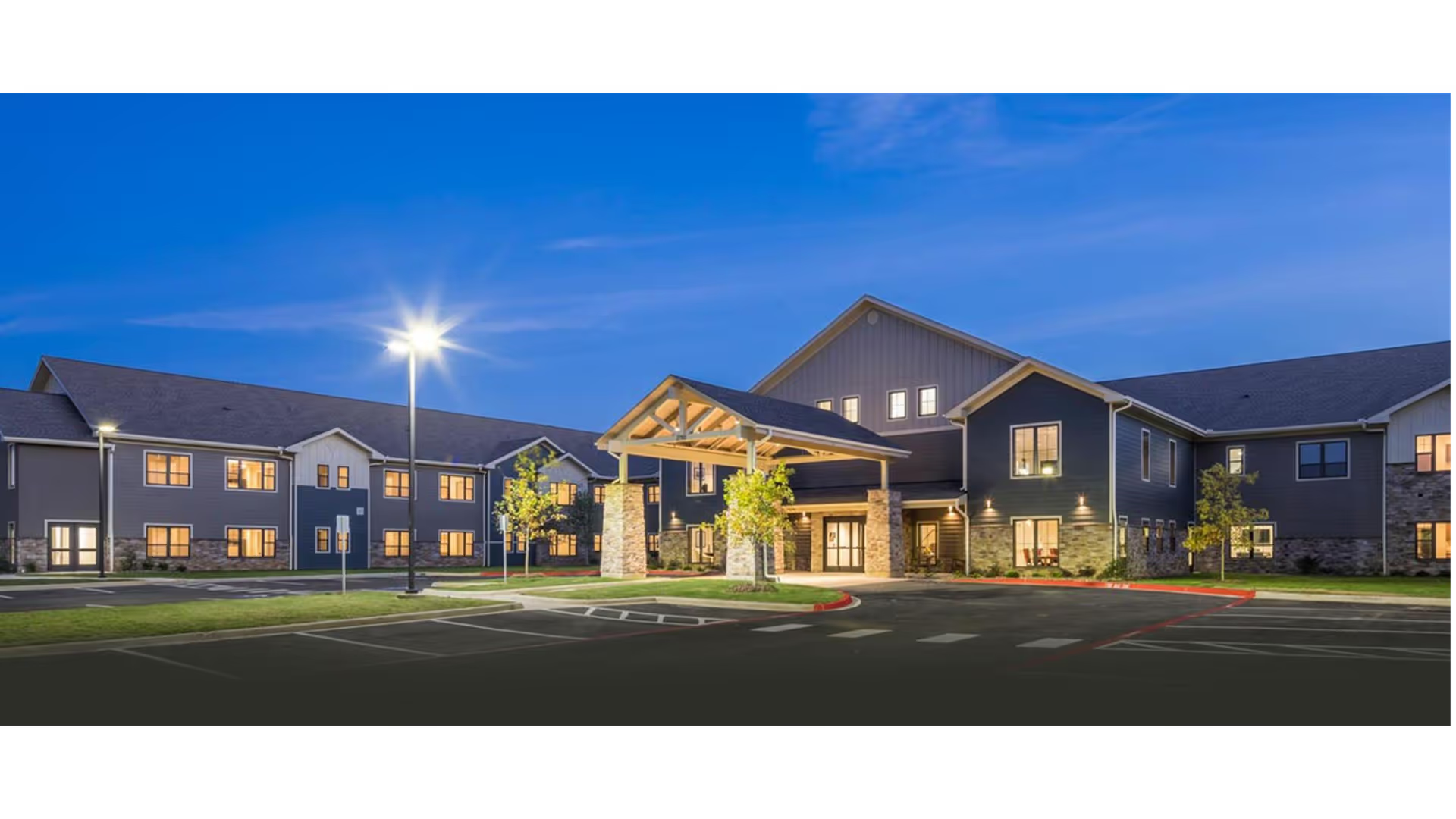
Facility condition and privacy present a mixed picture. Common areas, public restrooms, and outdoor sitting areas are commonly described as clean and pleasant with a fresh smell, while several reviewers cite room‑level cleanliness and odor issues. The building is older in parts and has undergone some modernization; reviewers’ impressions vary between “homey” and “institutional” depending on the wing. Privacy management (for example, window viewing and blackout screening) is a recurring operational concern that prospective families may wish to inspect in person.
Management and operations show divergent experiences. Some families commend the administrator and director of nursing for hands‑on involvement; others report slow or unhelpful responses from corporate and billing or discharge disputes (including deposit/charge questions). Night and weekend accessibility of clinical staff and phone responsiveness are recurring operational weaknesses. Several reviewers say care quality improved after staffing changes, indicating that staffing stability and leadership follow‑through materially affect resident experience.
Given the variability in accounts, prospective residents and families should plan an in‑person visit focused on verification of specific operational items: night/weekend staffing and call‑response times, rehabilitation program structure and success metrics, medication‑management and discharge procedures, room cleanliness and odor control, privacy measures, and the facility’s billing/refund policies. Speaking with current family contacts, observing mealtime and activity periods, and asking for recent quality or inspection information will help clarify whether the facility’s strengths align with an individual resident’s needs.