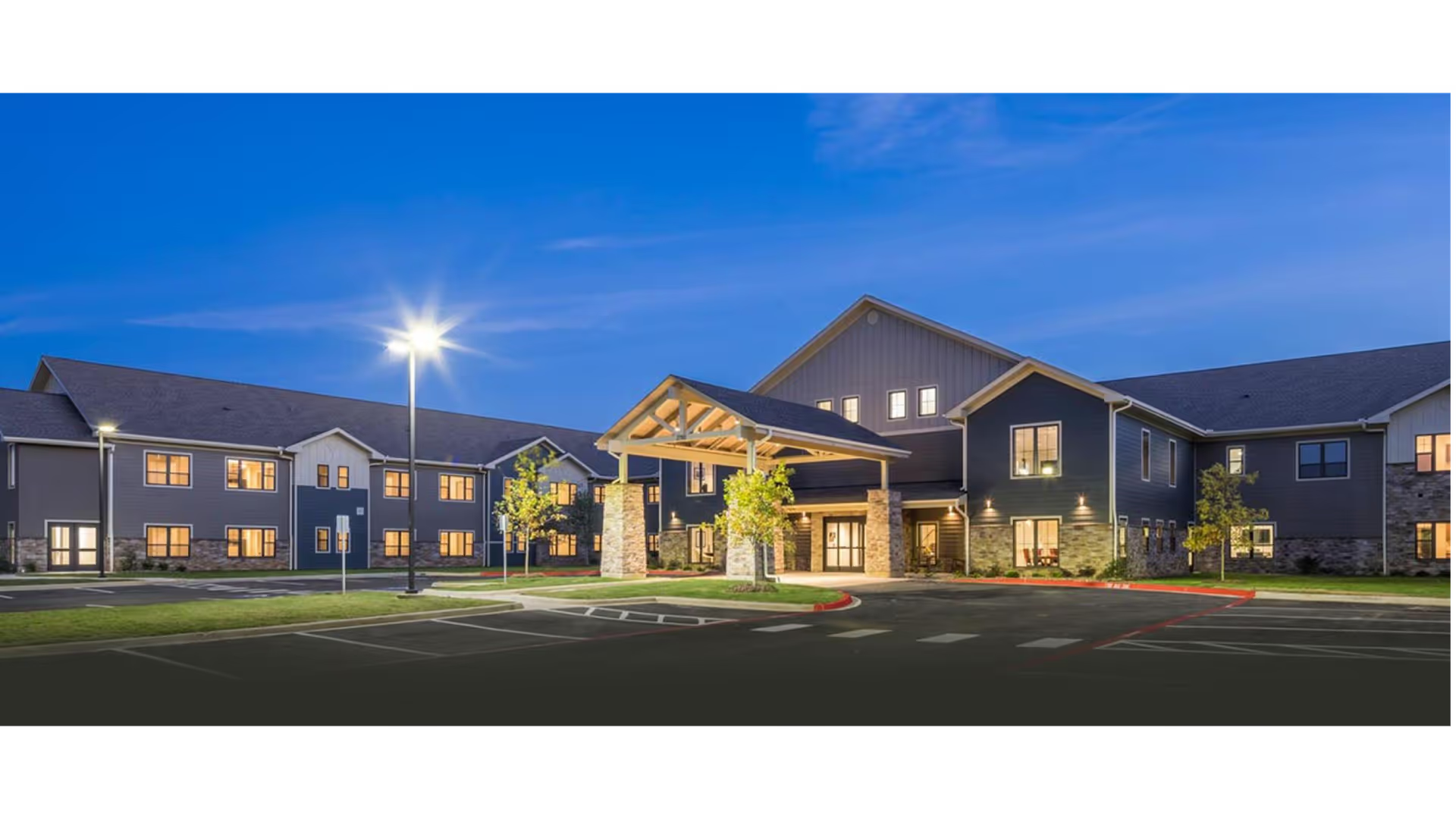
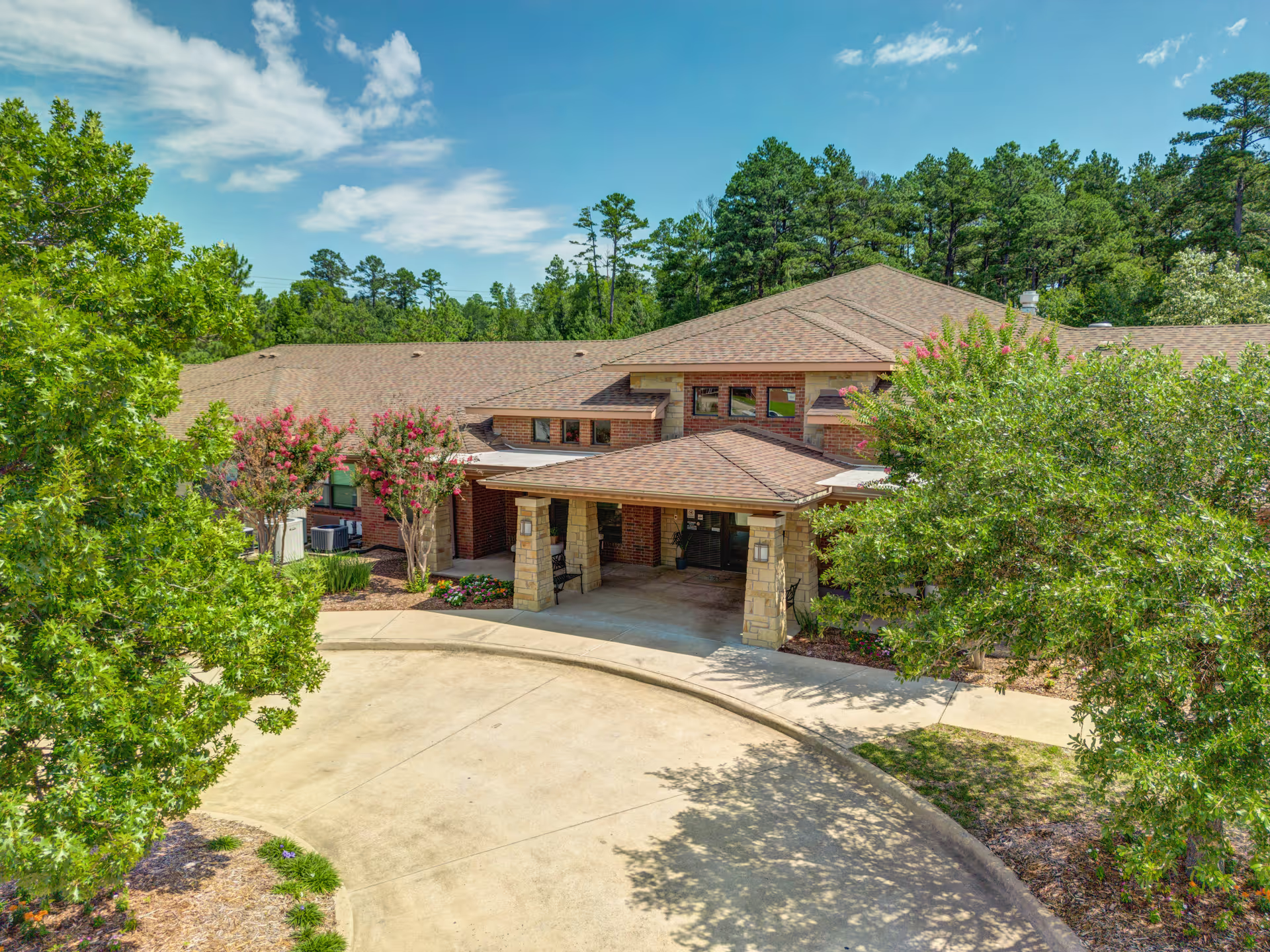
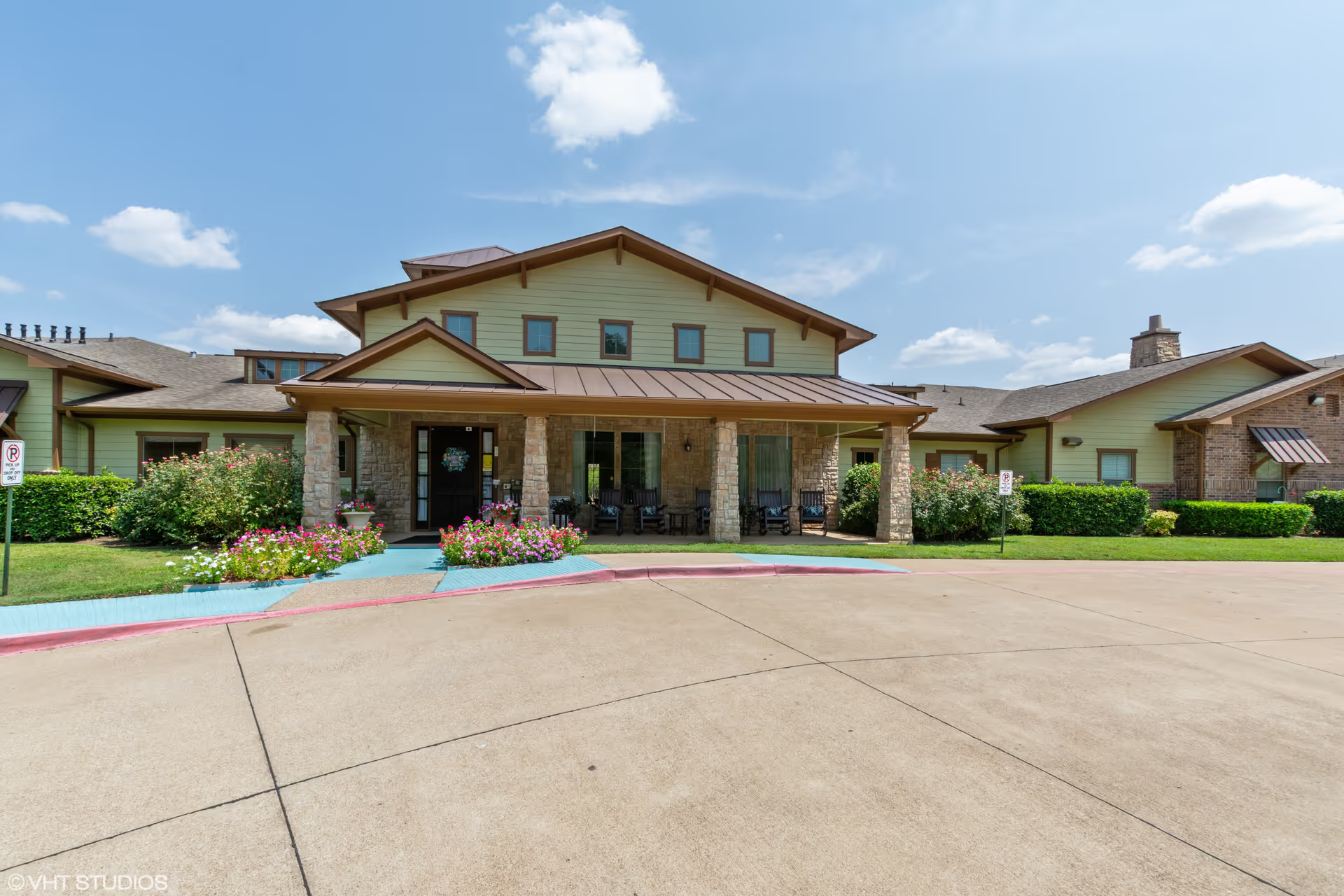
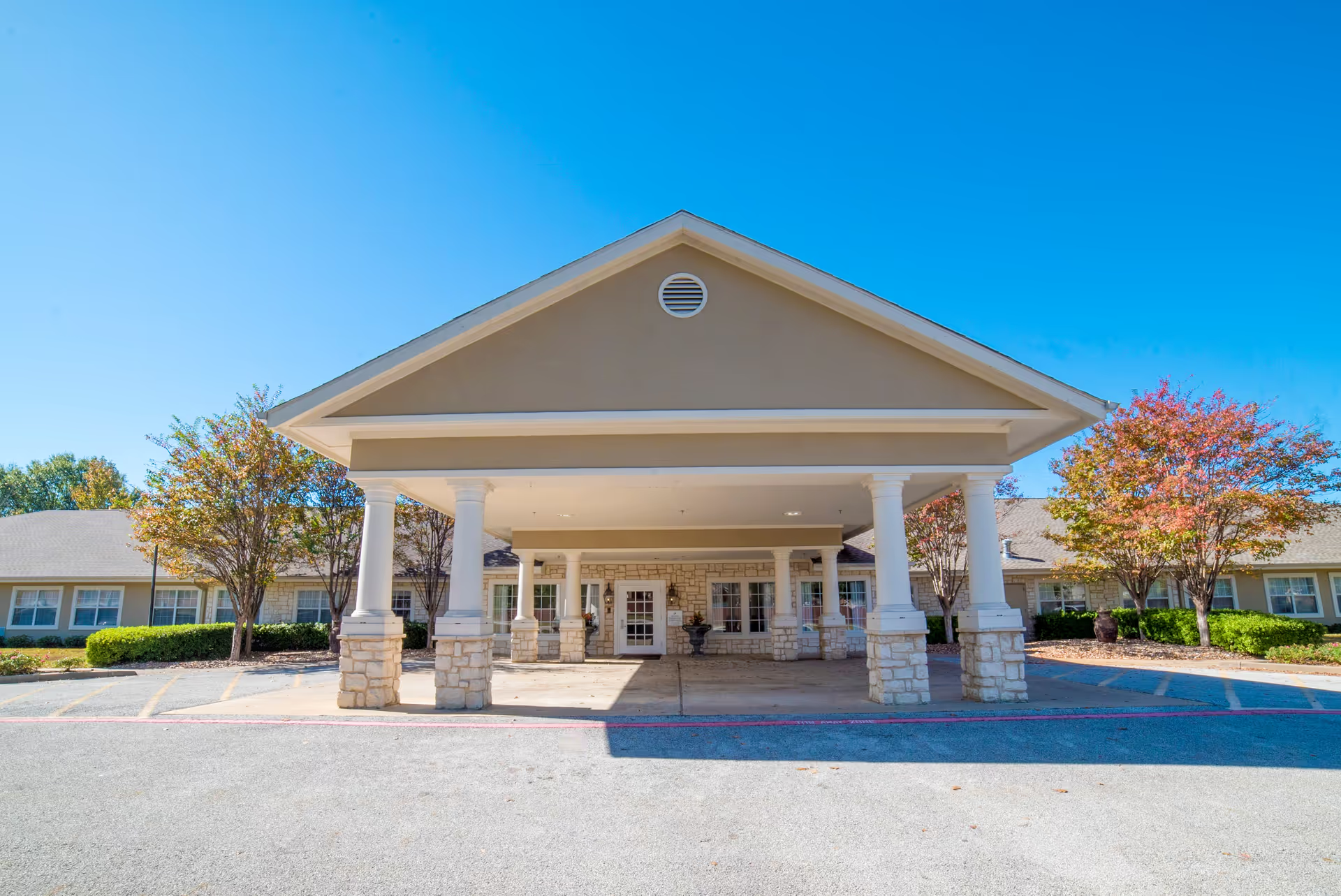
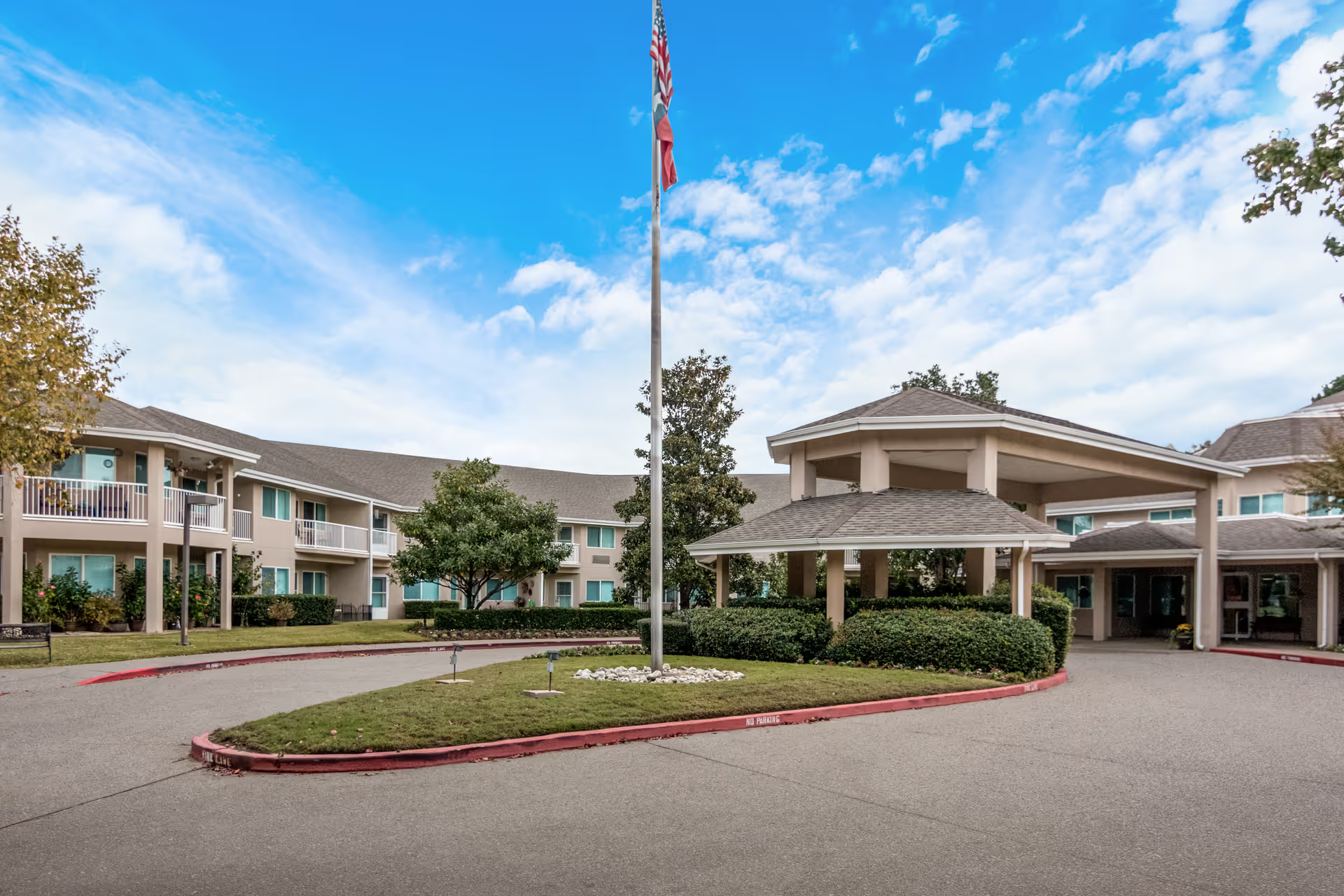
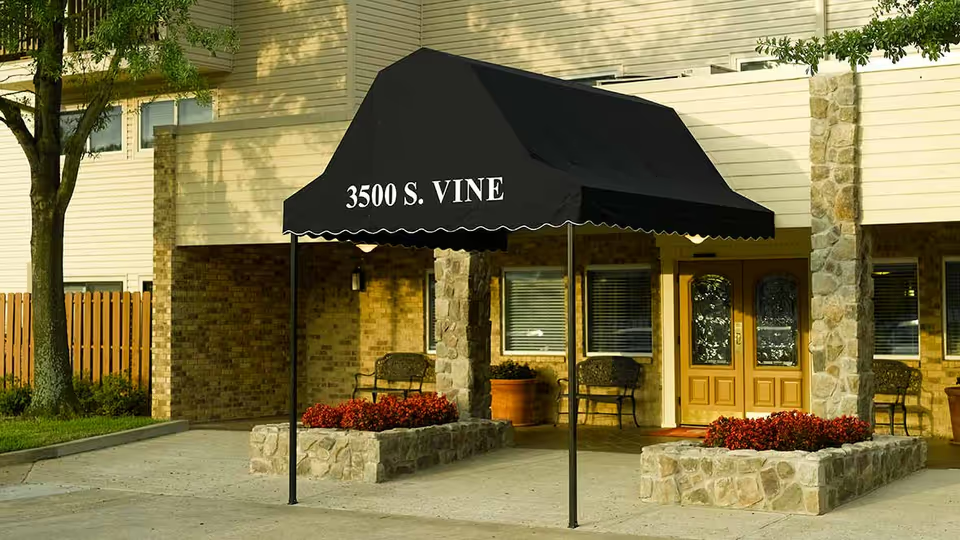
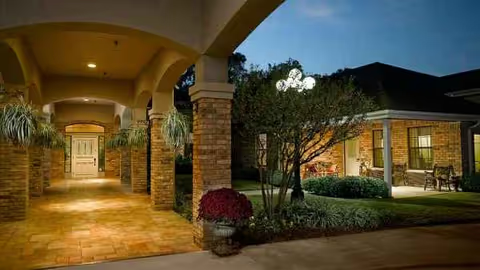
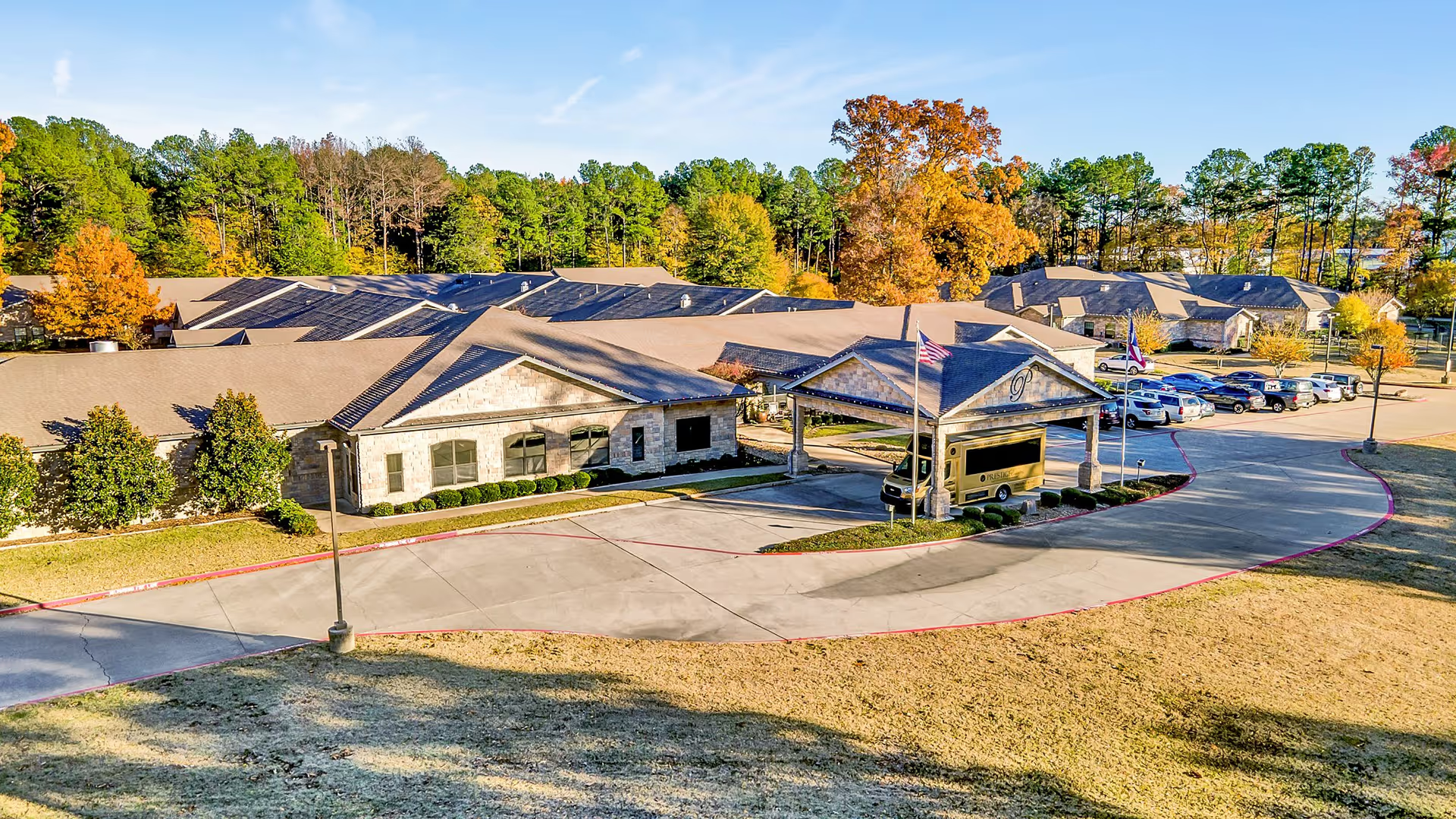
Meadow Lake Senior Living presents as a campus with many strengths alongside several operational challenges. Strengths center on hospitality and lifestyle: reviewers consistently cite warm, compassionate staff; chef-quality dining with multiple venues (restaurant, grill, bistro) and a dedicated memory-care dining area; a broad calendar of activities and outings; a well-maintained, landscaped campus with courtyard and lake views; and a range of on-site amenities including rehab services, beautician, exercise space, and accessible walking routes. Apartment options include larger two-bedroom units and features such as private outdoor access and long interior corridors that support indoor exercise and mobility.
Care quality and staffing are mixed. Many families and residents praise individual caregivers, aides, and certain clinicians by name and describe attentive, personalized interactions. At the same time, there are recurring operational concerns suggesting inconsistent staffing levels, leadership turnover, and uneven training for dementia care. These factors are associated with descriptions of variable responsiveness to assistance with dressing, showering, medication and mealtime support. Reviewers highlight a contrast between consistently compassionate staff members and periods when staffing shortages or scheduling gaps appear to affect day-to-day care.
Dining and activities are prominent assets but show variability. The facility’s dining program — often described as restaurant-style with well-seasoned meals and special-occasion access — is a frequently cited benefit and a focal point of community life. Conversely, some families describe fluctuations in meal quality and service continuity, indicating kitchen staffing or management inconsistencies. Programming is generally robust (games, bingo, speakers, outings, social events) and supports social engagement; however, families of memory-care residents sometimes report a lack of meaningful, individualized activity and concerns about noise management during mealtimes.
Facilities and campus infrastructure receive generally positive feedback for cleanliness, landscaping, and common-area upkeep. At the same time, multiple accounts point to delayed major maintenance (for example HVAC or drain issues), limited backup power during outages, and construction or finish-quality concerns in certain units. These infrastructure items have operational implications for comfort and safety, especially during weather events or utility interruptions.
Management and communication present a mixed picture. Several reviewers praise responsive maintenance and specific staff members or directors, while others describe periods of unorganized management, recurring leadership changes, and gaps in communication during clinical or facility incidents. High upfront buy-in fees and periodic affordability concerns are notable financial considerations for prospective residents and families.
Overall, Meadow Lake appears to offer a strong lifestyle and social environment with notable strengths in dining, amenities, and community engagement. Prospective residents and families should weigh these positives against the operational patterns described: evaluate current staffing levels, dementia-care training and supervision, maintenance response times, emergency power plans, and the true cost after buy-in fees. A focused tour that includes conversations with clinical leadership, review of emergency preparedness plans, and observation of mealtime and activity environments will help determine fit for individuals with higher personal-care or complex memory-care needs.