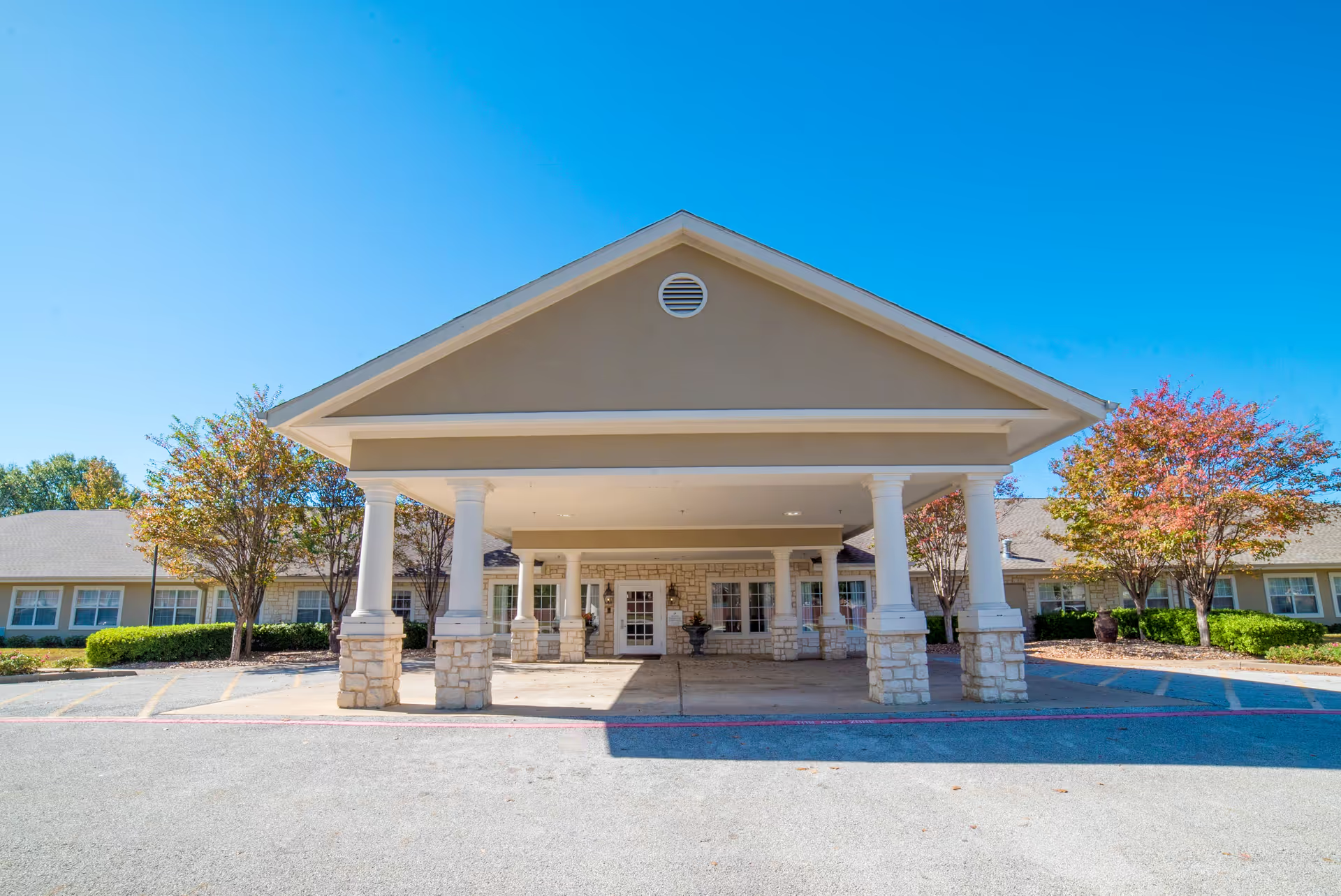
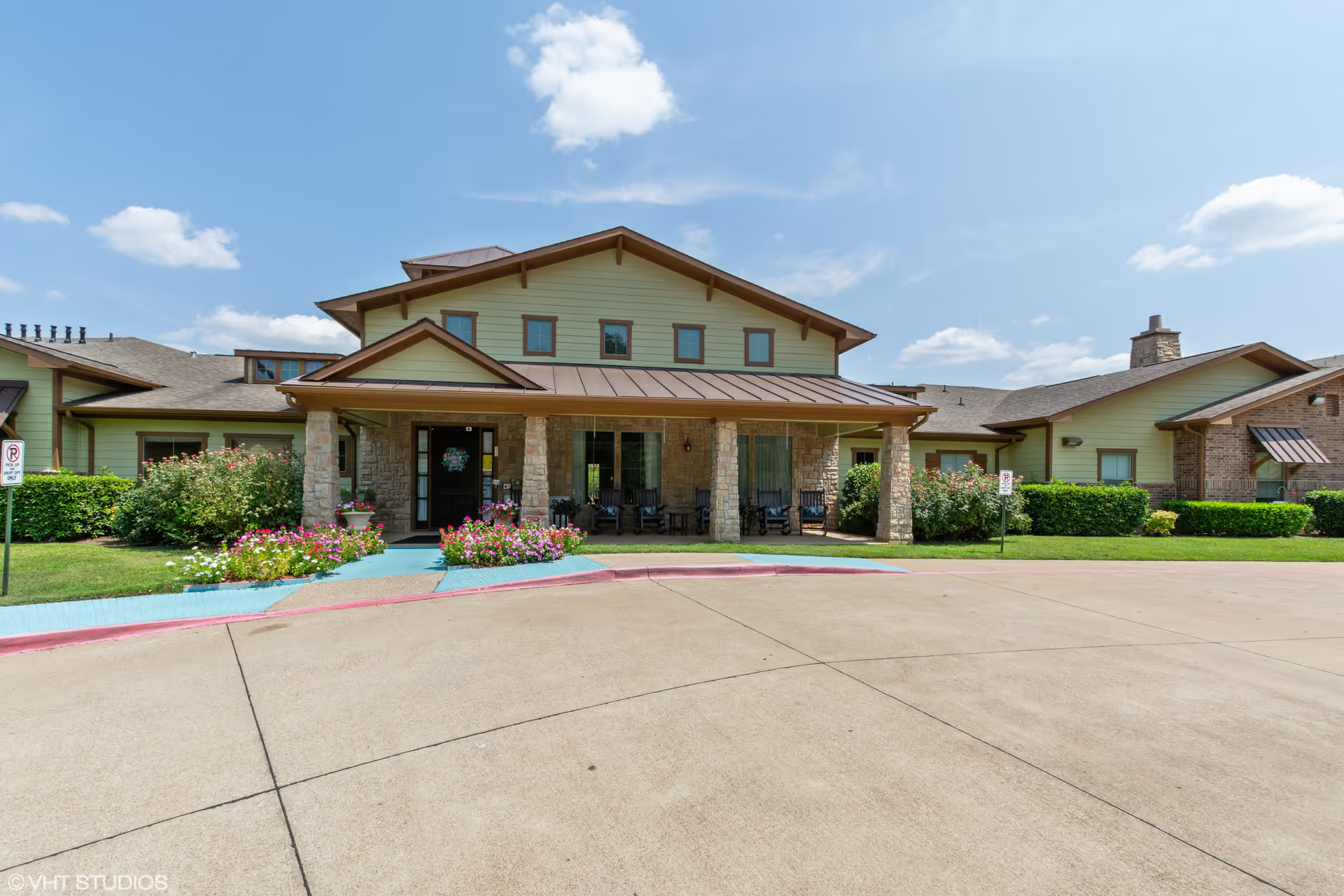
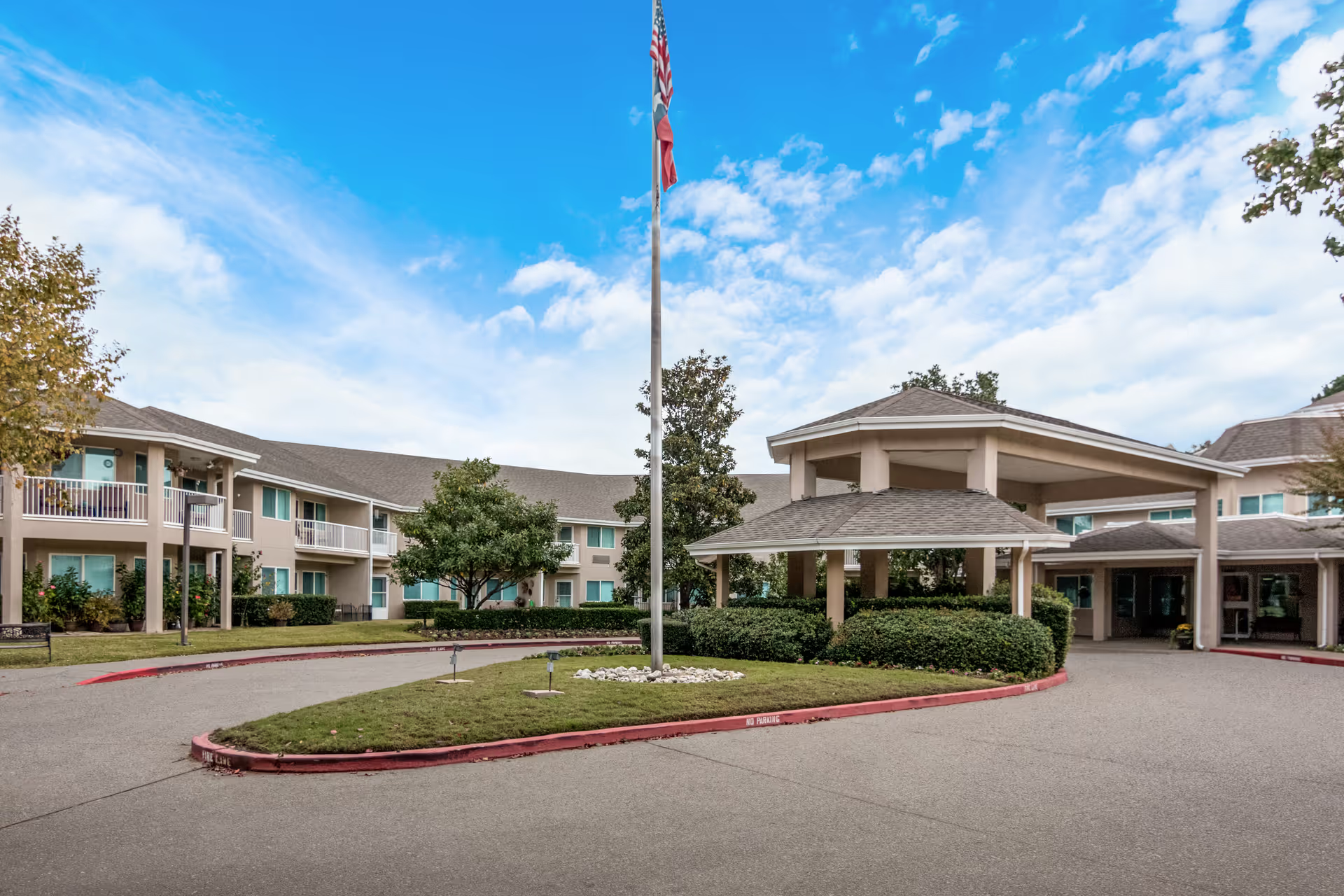
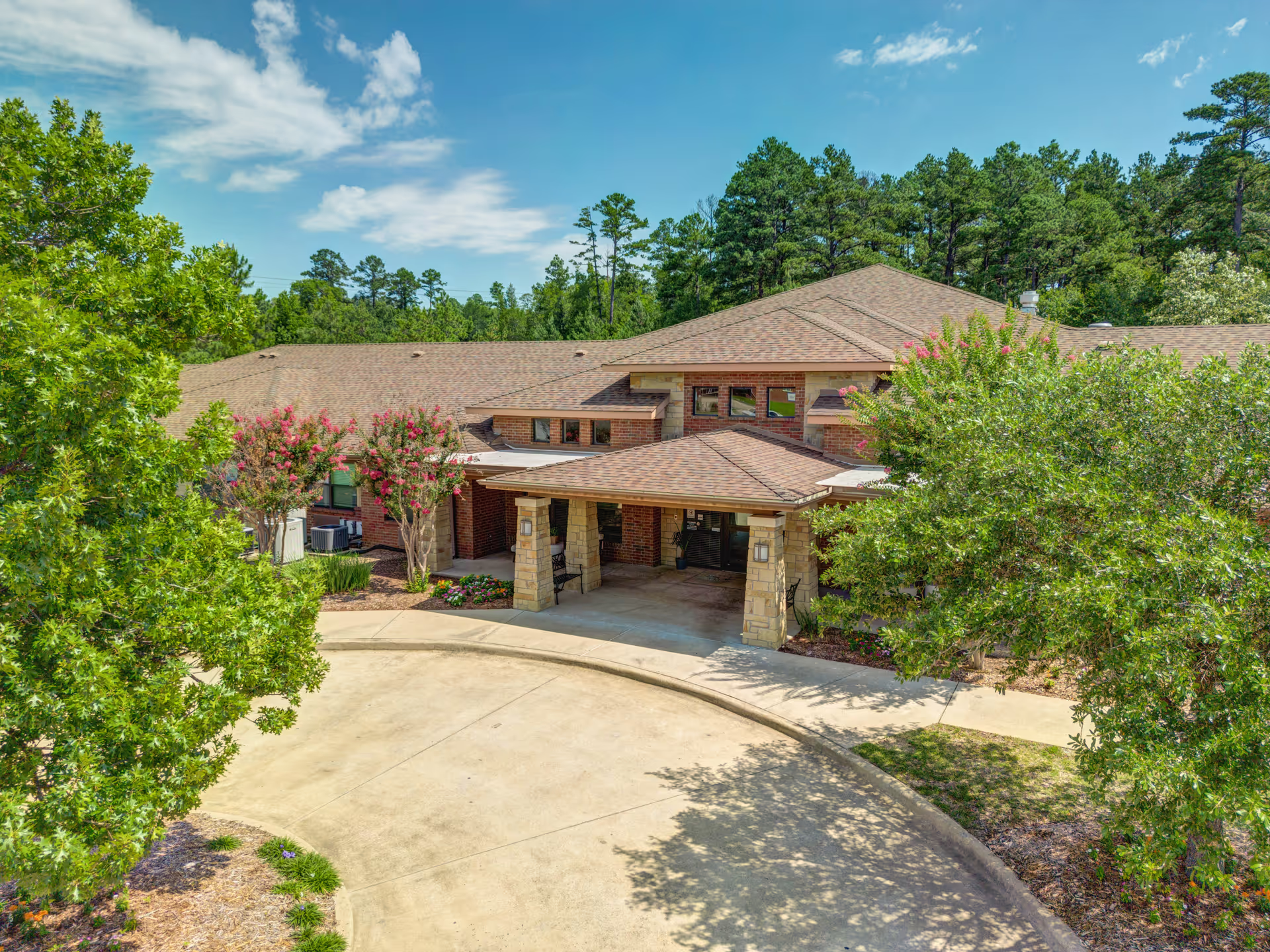
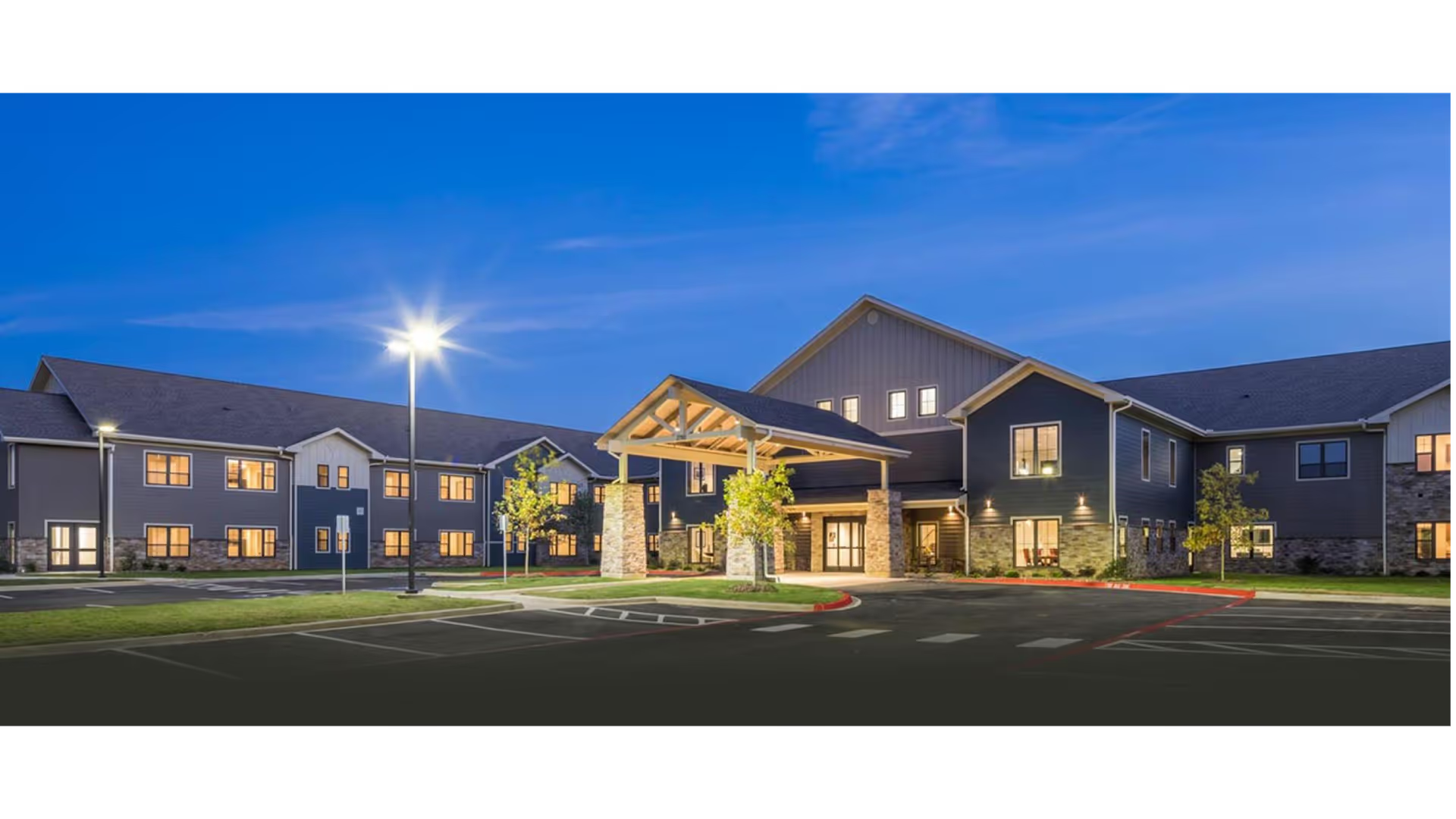
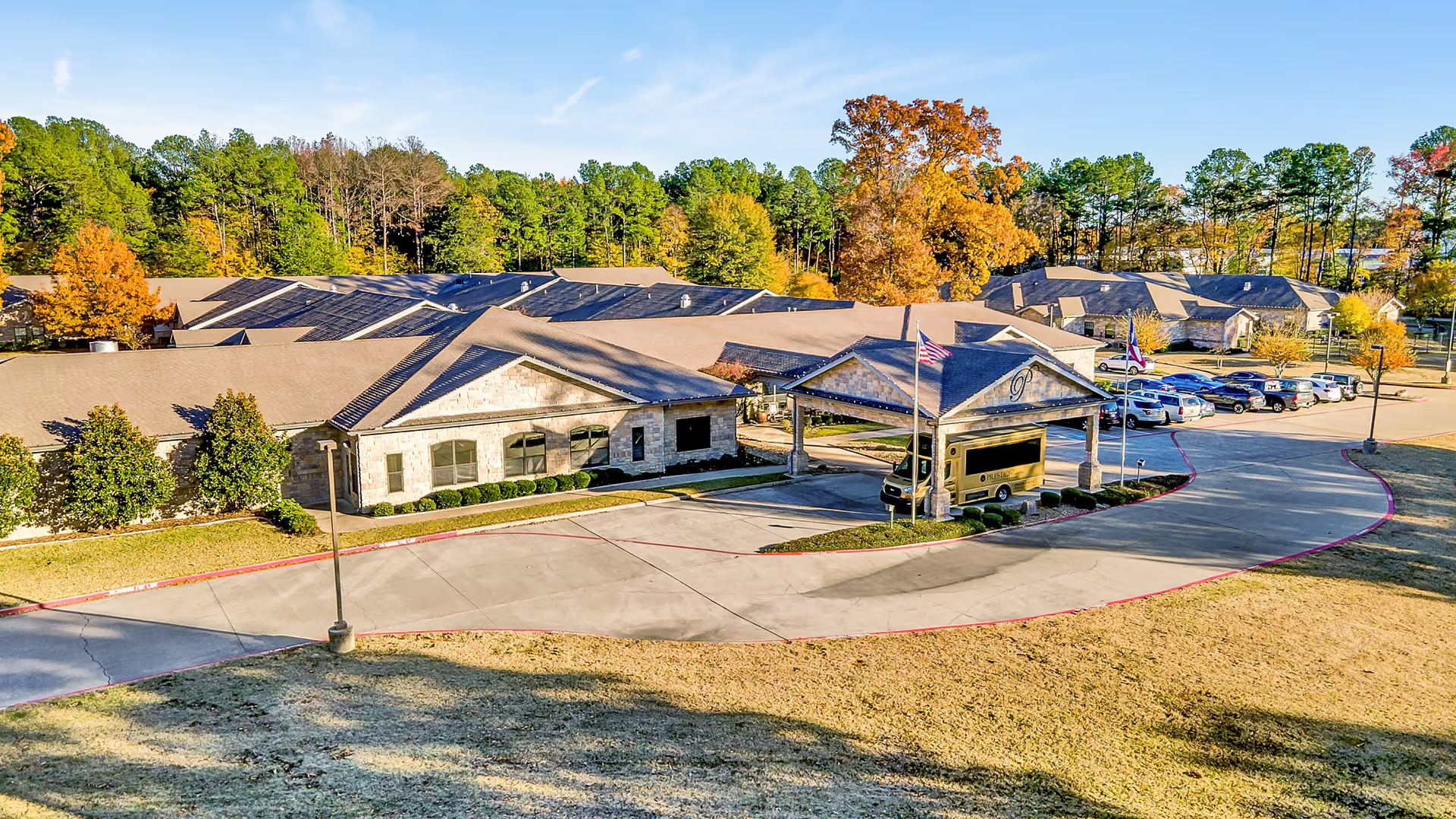
Overall impression: Reviews of the facility are mixed, with a clear split between families who value the community’s affordability, small size, and local character and those who raise operational and care-quality concerns. The facility presents as a lower-cost option that bundles basic services such as transportation and housekeeping and offers apartment-style units with kitchenettes. These features, together with a quieter, home-like atmosphere and planned activities, are commonly cited as strengths for residents seeking a less institutional setting.
Care and clinical oversight: Concerns center on clinical staffing and medication management. Several reviewers described limited clinical resources and no regular on-site nurse, which contributes to inconsistent medication administration and the perception that medication oversight is inadequate. Understaffing, including minimal overnight coverage, appears to increase family involvement to ensure needs are met. These factors suggest prospective families should verify staffing ratios, on-call nursing arrangements, and formal medication-administration protocols before placement.
Staff and training: Accounts vary between praise for friendly, attentive caregivers and criticism of poorly trained or uncaring staff. The small size is noted to allow more individualized attention when staff are engaged, but staffing shortages and apparent training gaps have led to concerns about responsiveness and the quality of daily care. Prospective residents should ask about staff training, turnover, and supervision practices during a tour.
Dining and activities: The community offers organized activities—bingo, outings (for example shopping trips), and other planned events—which many reviewers found engaging. Meal quality is described inconsistently: some call the meals average and adequate, while others cite limited hot-meal availability and questionable food quality, with reliance on lighter fare at times. Clarify meal schedules, sample menus, and accommodations for dietary needs when evaluating the community.
Facilities and maintenance: Reports of maintenance issues and water damage contrast with other accounts that describe a clean, well-presented interior. This variability points to inconsistent upkeep: sanitation controls and pest management have been raised as concerns in a subset of reviews, and families should inspect unit cleanliness and building condition in person. Ask about recent repairs, pest-control protocols, and routine housekeeping schedules.
Management and governance: Some families appreciate the local, non-corporate management and the personal touch that can accompany a small operator. Others described management as unresponsive to facility problems and expressed uncertainty about the facility’s certification or licensing status. Confirm regulatory compliance and inquire about how management addresses maintenance, care complaints, and family communication.
Notable patterns and guidance: The pattern across reviews is one of pronounced variability—positive experiences tied to engaged staff and the benefits of a small community; negative experiences tied to understaffing, inconsistent clinical oversight, and facility maintenance or sanitation problems. For prospective residents and families, an in-person visit with focused questions is advisable: review staffing levels (day and night), nurse availability, medication-administration procedures, cleaning and pest-control schedules, examples of recent repairs, sample menus, activity calendars, and documentation of licensing or certification. These checks will help assess whether the facility’s strengths align with the prospective resident’s care needs and expectations.