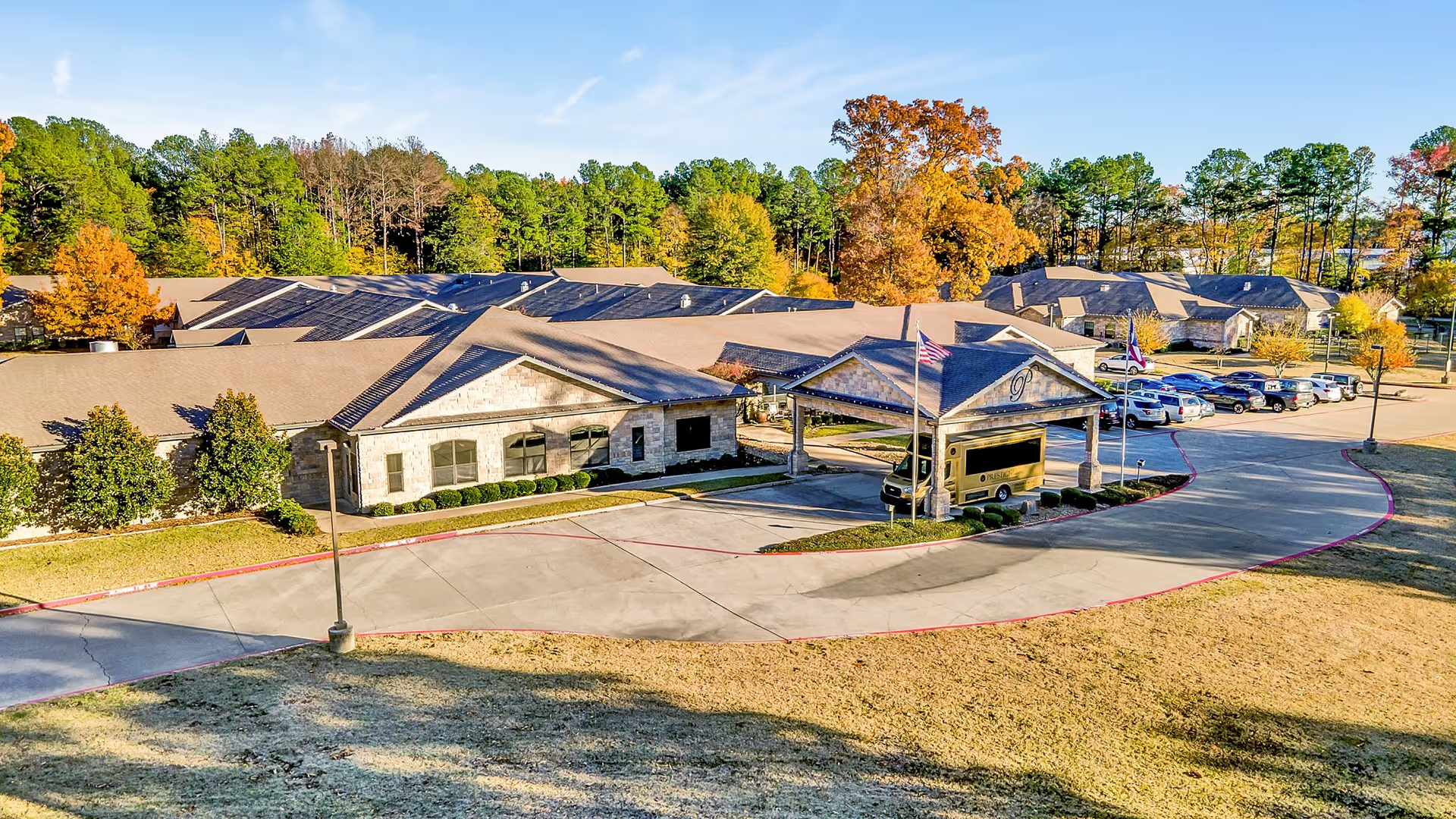
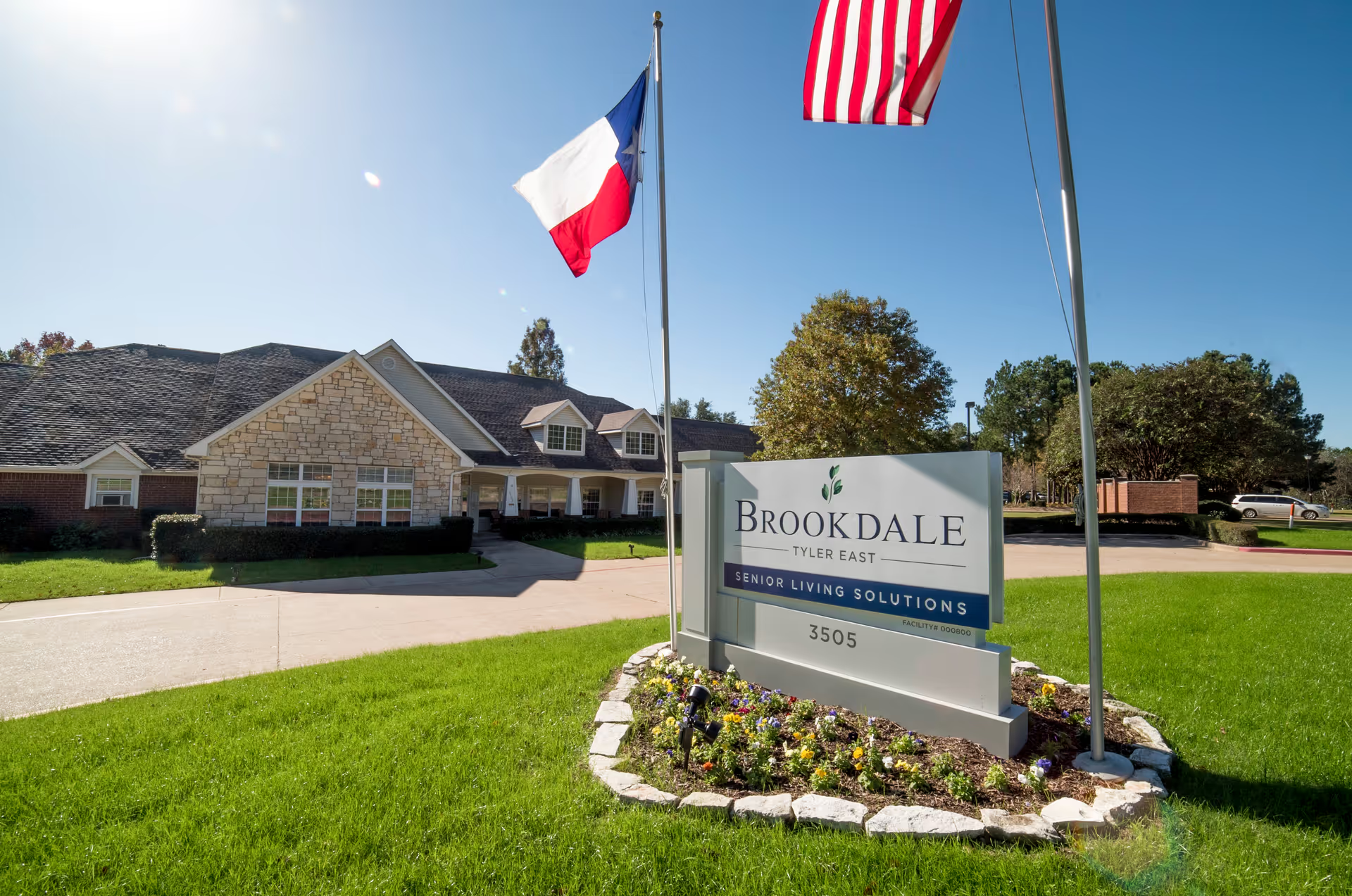
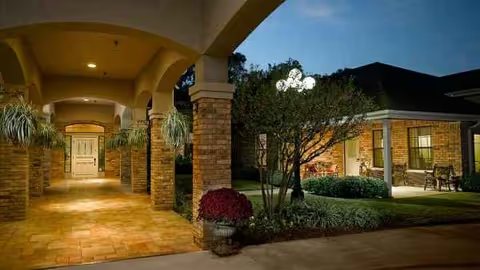
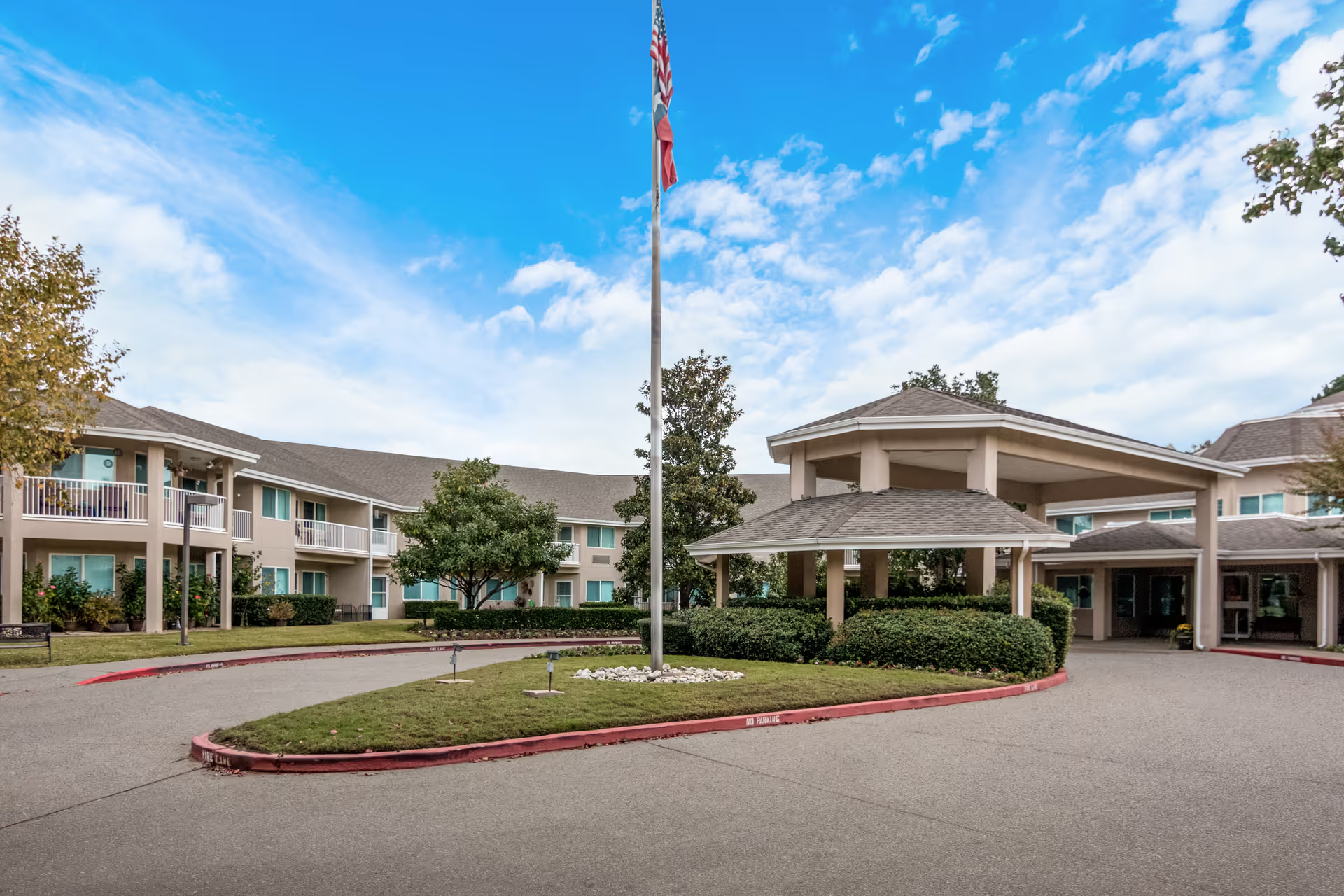
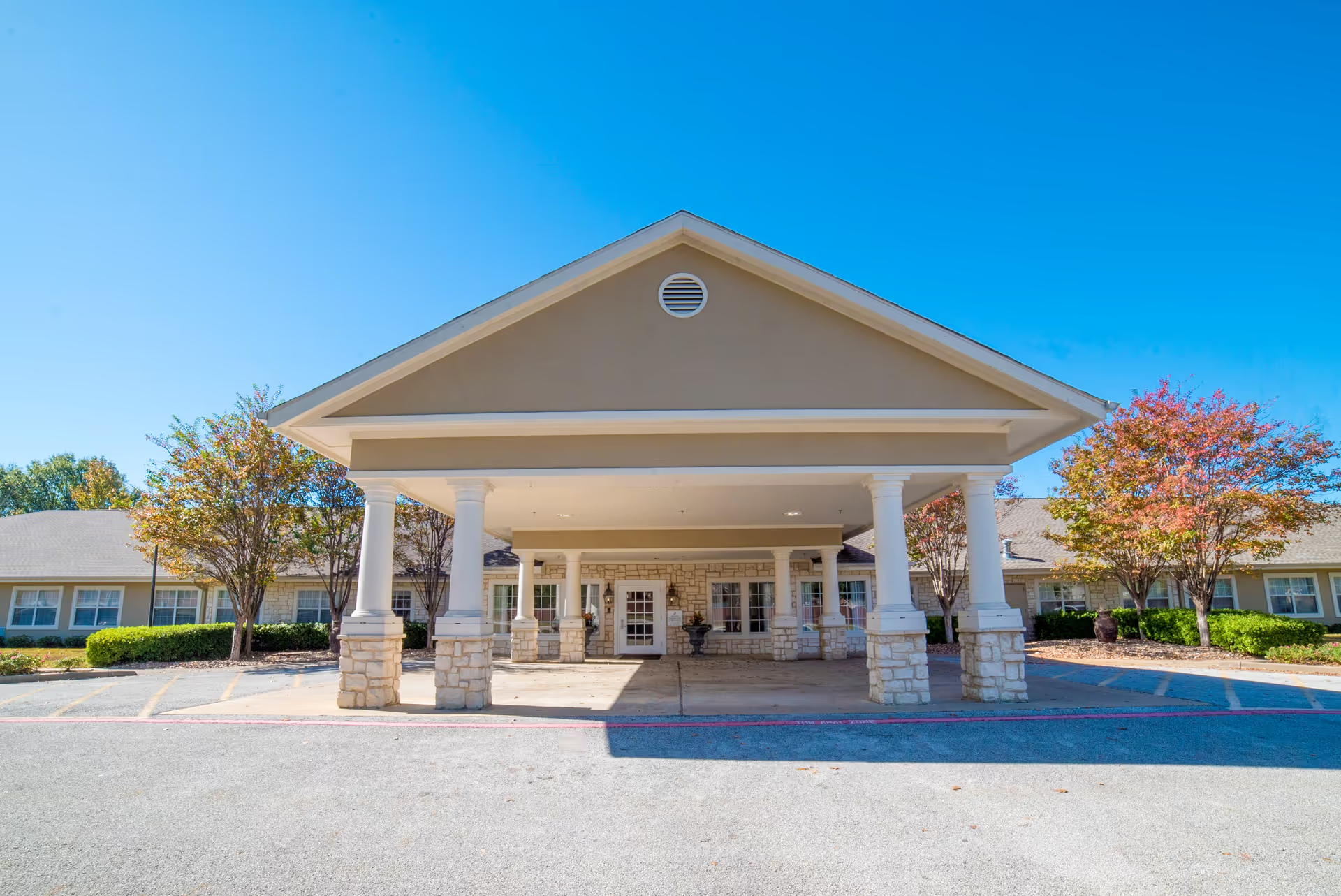
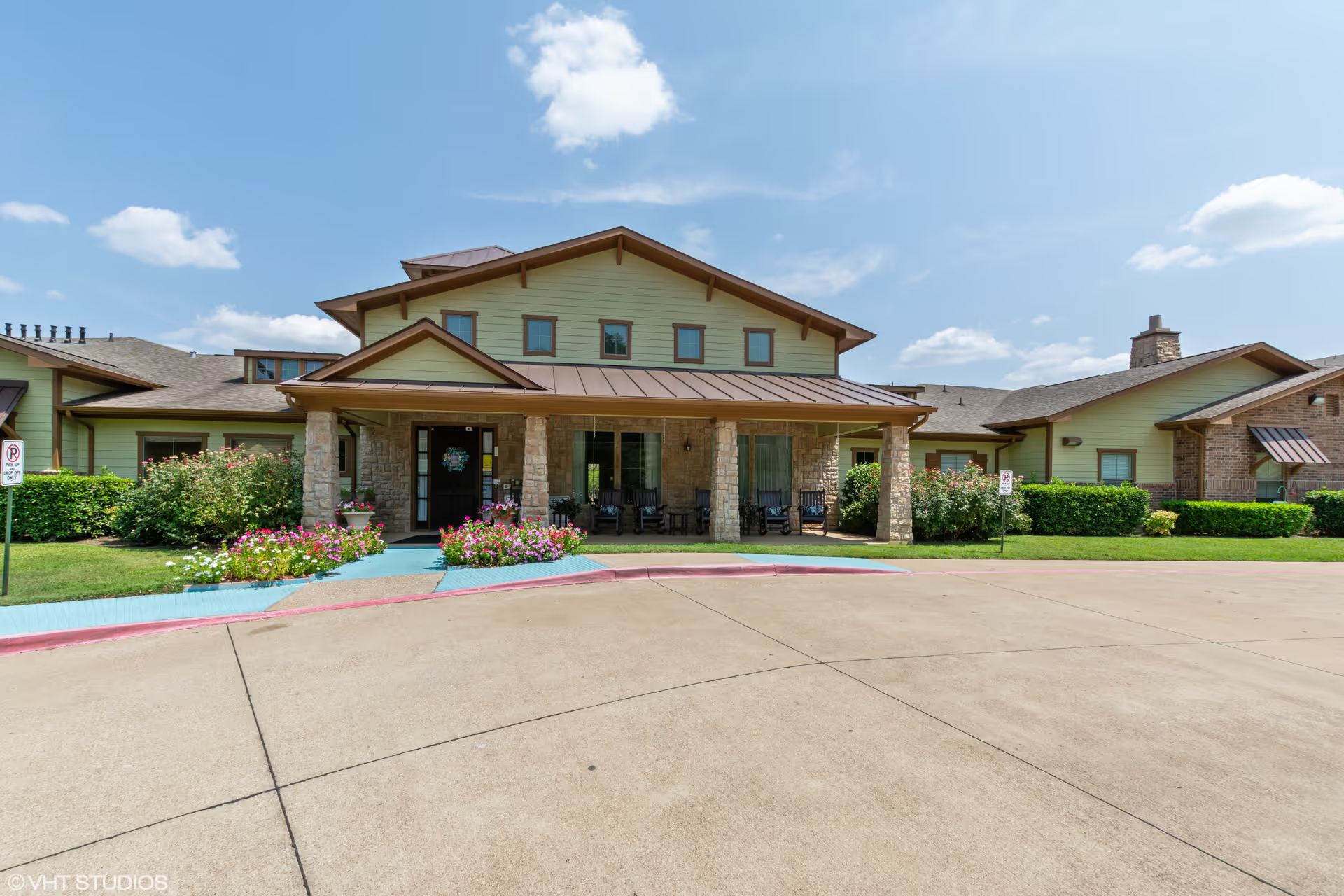
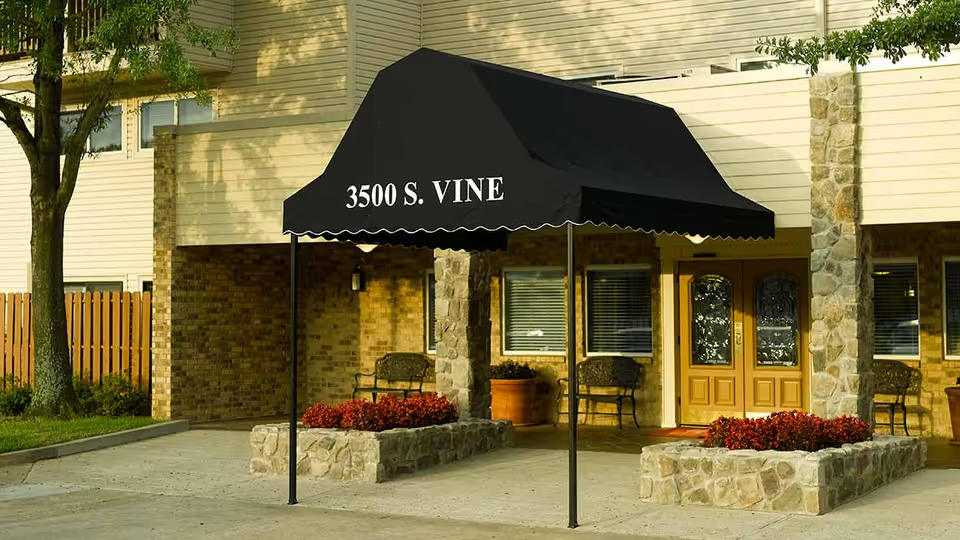
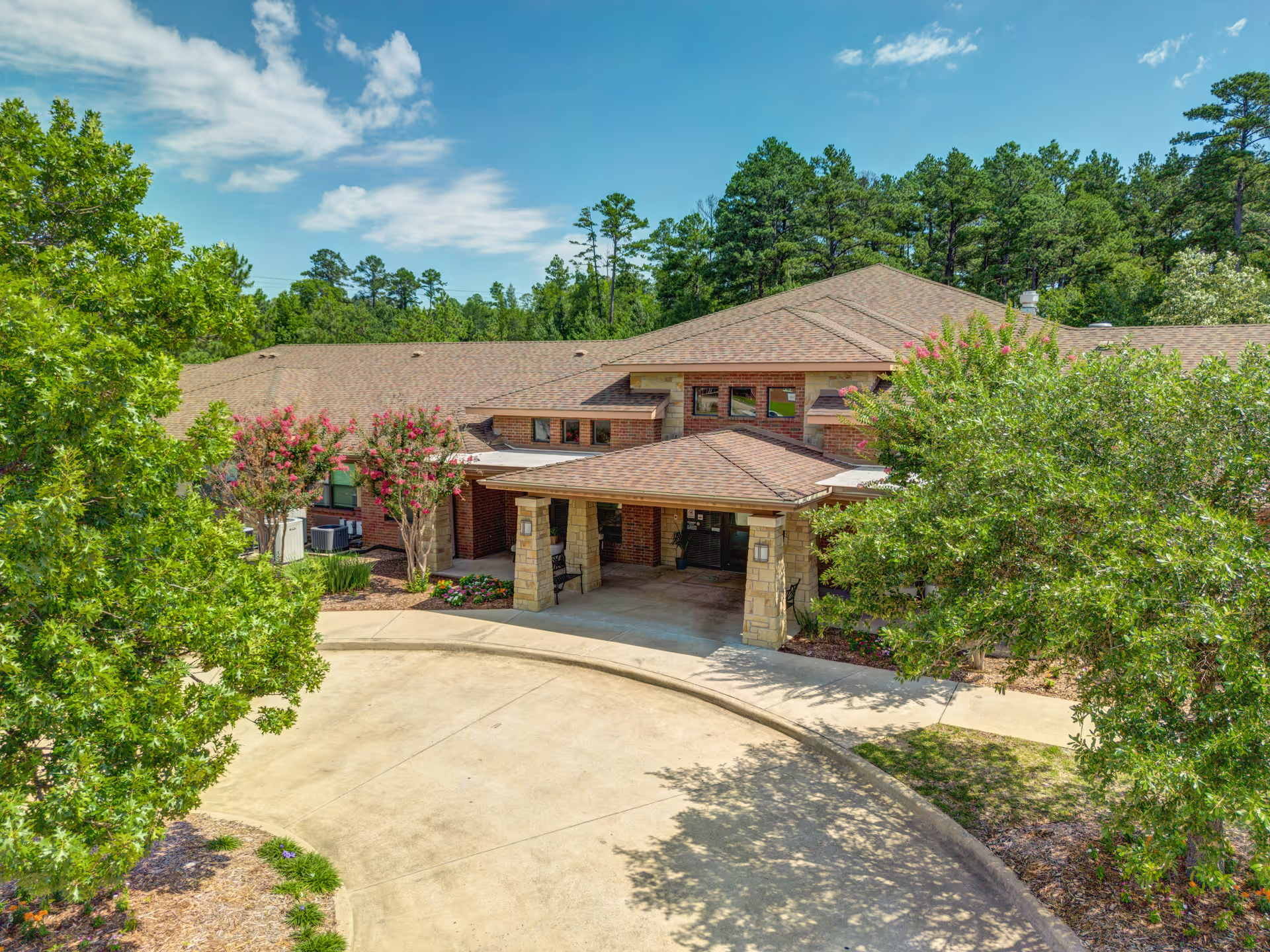
The Center at Grande presents as a modern, well-maintained short-term and skilled-rehab facility with many programmatic strengths. The therapy department (PT/OT/speech) is a consistent highlight across feedback: staff are described as skilled, encouraging, and outcomes-focused, with a well-equipped gym and frequent therapy availability. Physical amenities — private rooms, a hotel-like lobby, landscaped outdoor spaces, and on-site personal-care options — are commonly cited as a positive environment for rehabilitation. Admissions, case management, and certain front-desk and concierge services also receive frequent praise for efficiency and family support.
Despite those strengths, a clear pattern of operational inconsistency emerges in clinical and daily-care domains. Families and residents describe variability in nursing competency and responsiveness, with documented examples that indicate lapses in medication administration, documentation, and escalation of medical issues. There are repeated concerns about wound care and pressure-area management, as well as sanitation and linen-handling practices that suggest weaknesses in routine hygiene workflows and housekeeping oversight. Nighttime staffing and call-bell response times are particular areas of concern that reviewers link to delayed assistance and unresolved clinical needs.
Communication and care coordination are uneven. While some families report proactive case managers and hands-on leadership, others describe poor updates, missed outside appointments, and delayed follow-through on referrals. These gaps extend to medication reconciliation, peripheral-line (PICC) and catheter care, and laboratory monitoring in some accounts. Dining receives mixed evaluations: some reviewers praise varied menus, dining ambience, and specific meals, while others report inconsistent quality, small portions, and long intervals between meal service. Financial interactions and billing/insurance navigation are another recurring source of dissatisfaction for some families.
Patterns of strong, patient-centered therapy and supportive amenities coexist with operational risks that may materially affect clinical outcomes. Given the variability described, prospective residents and families should prioritize targeted questions during a tour or admission conversation: staffing ratios (day vs. night), protocols for medication administration and documentation, wound-care and pressure-relief procedures, linen/housekeeping schedules, property-security measures, processes for communicating care-plan changes, and the facility’s approach to infection-control cohorting and visitor flexibility. The facility demonstrates significant capacity to deliver high-quality rehabilitation and pleasant surroundings, but families should confirm current staffing and clinical-safety practices to ensure those strengths are consistently enacted for their loved one.