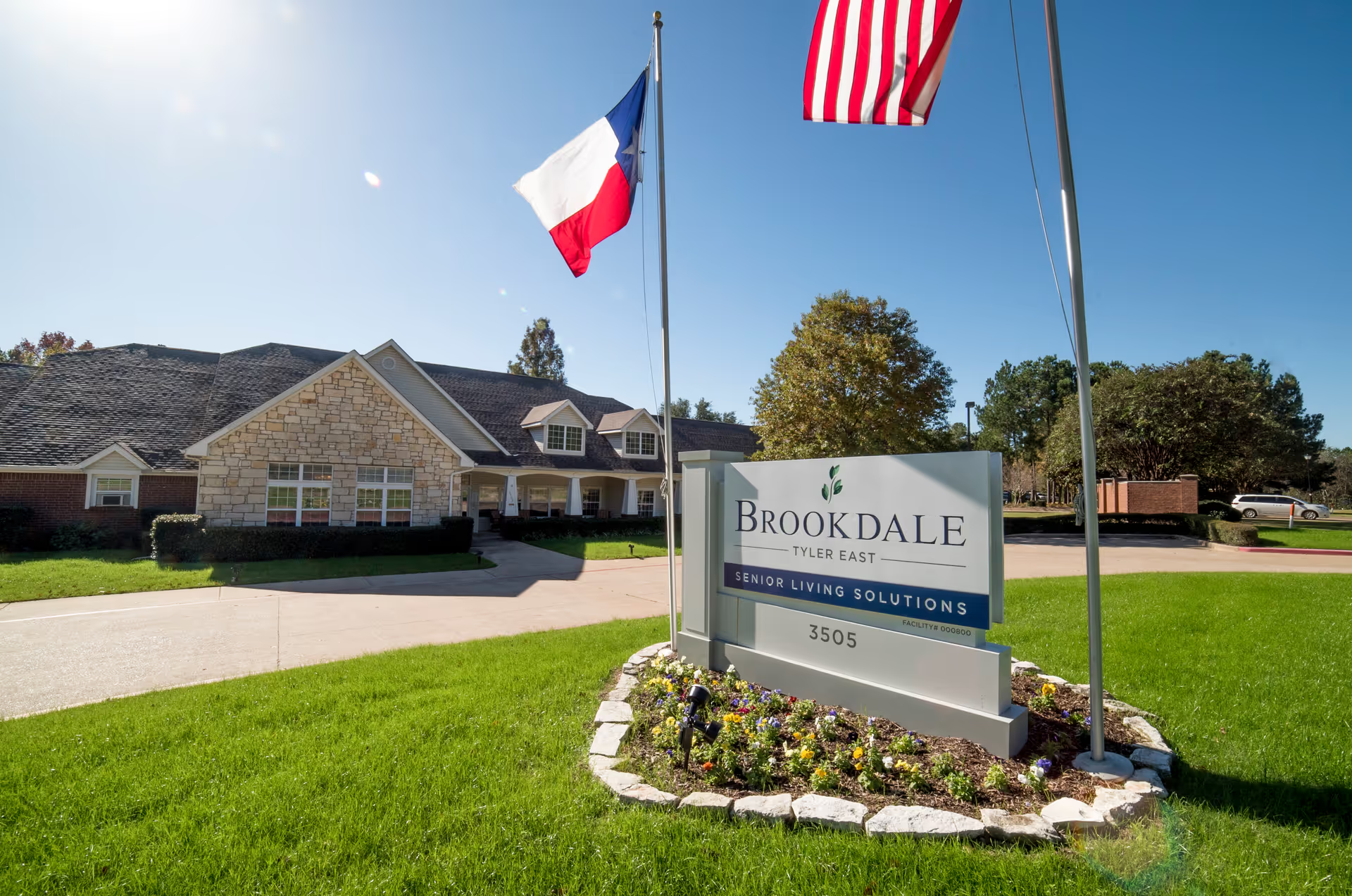
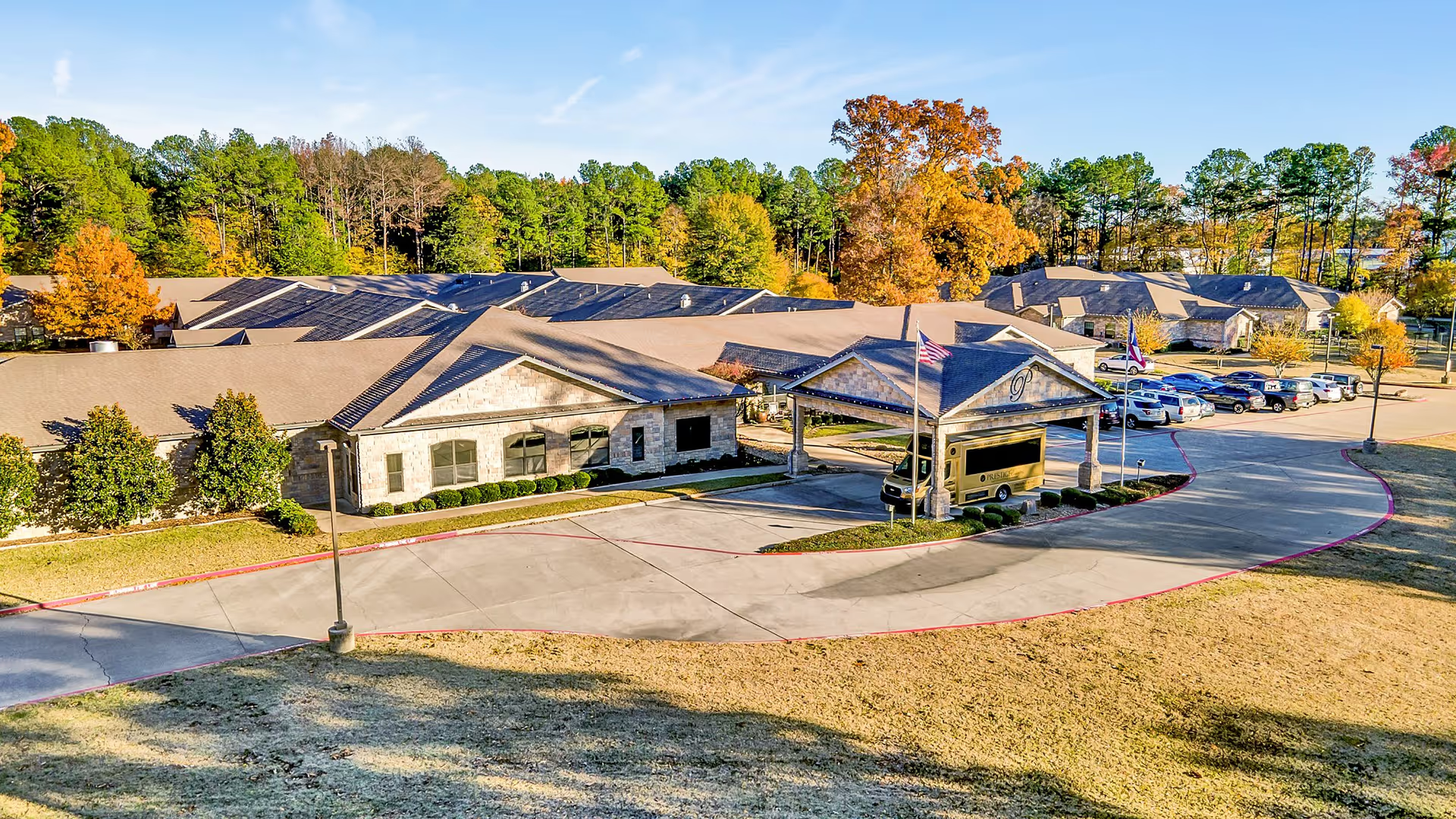
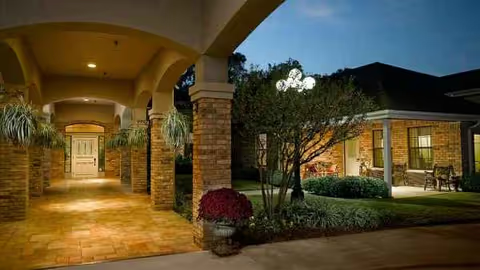
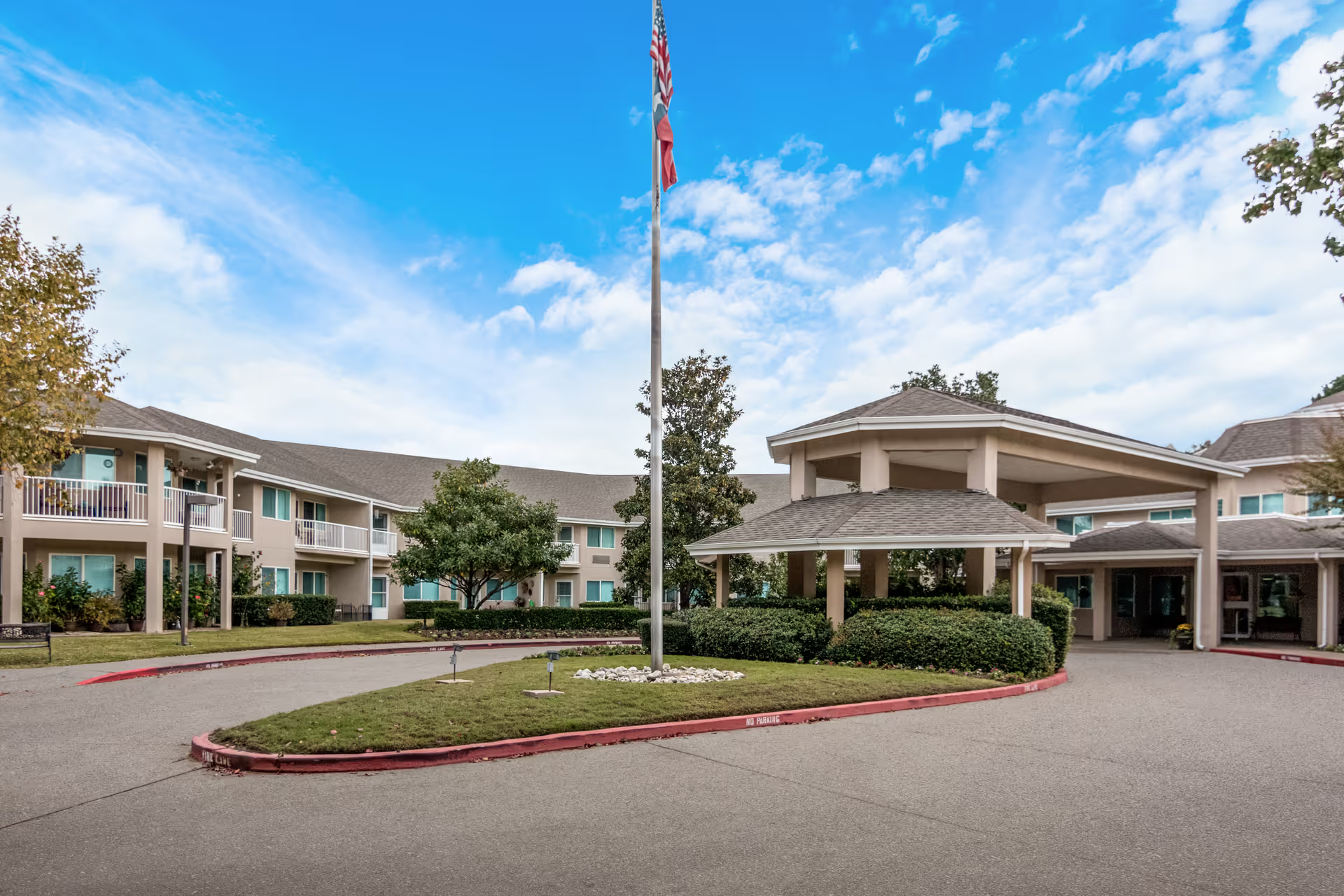
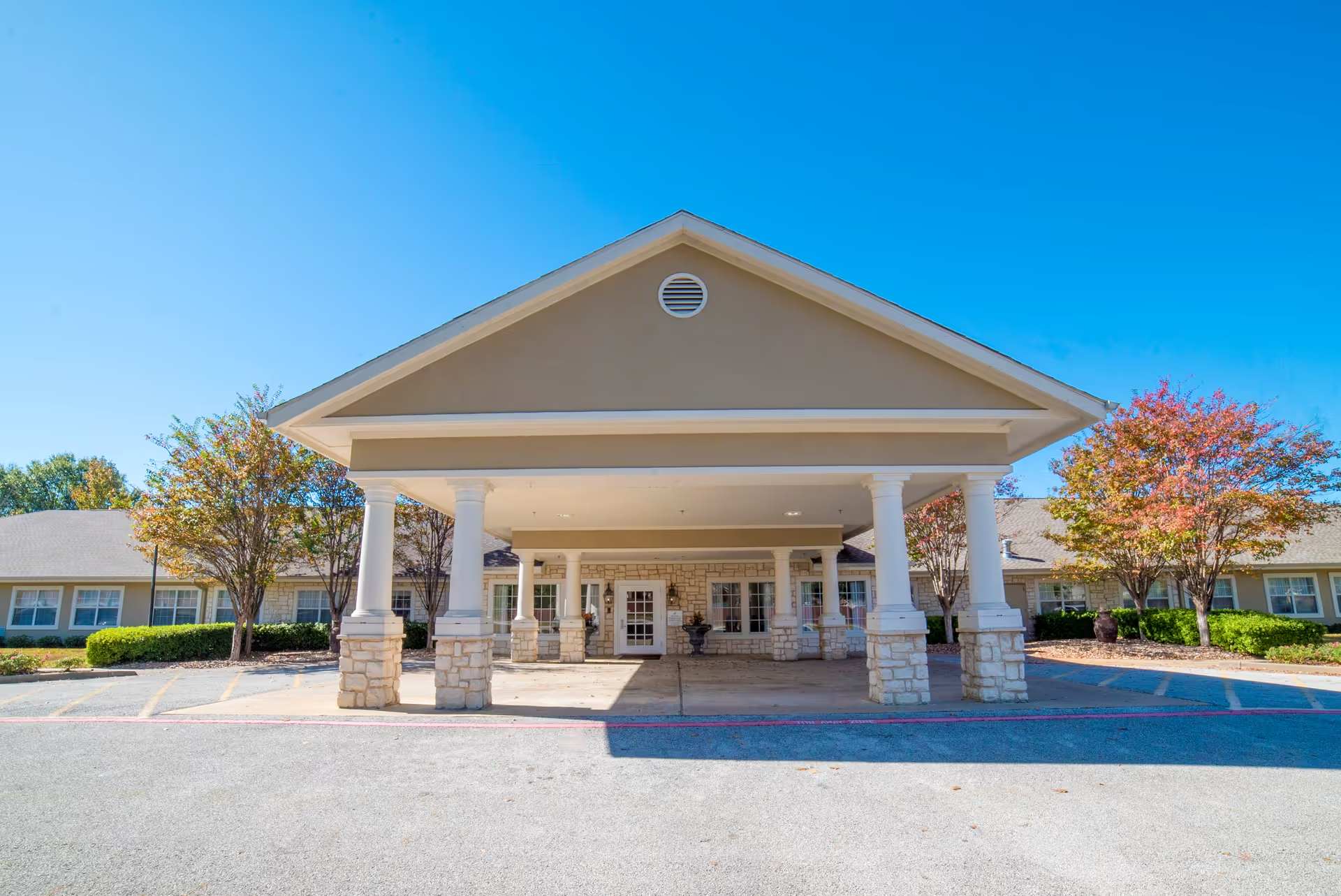
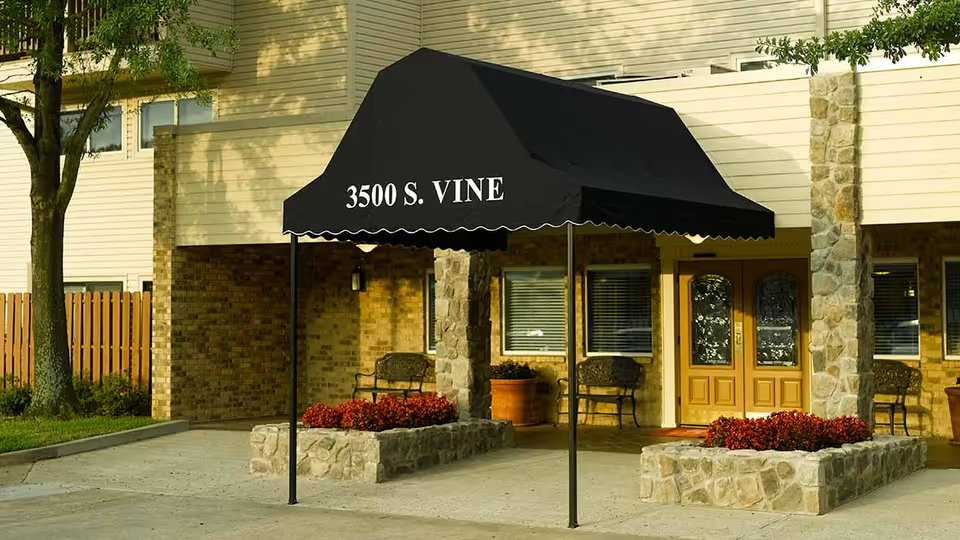
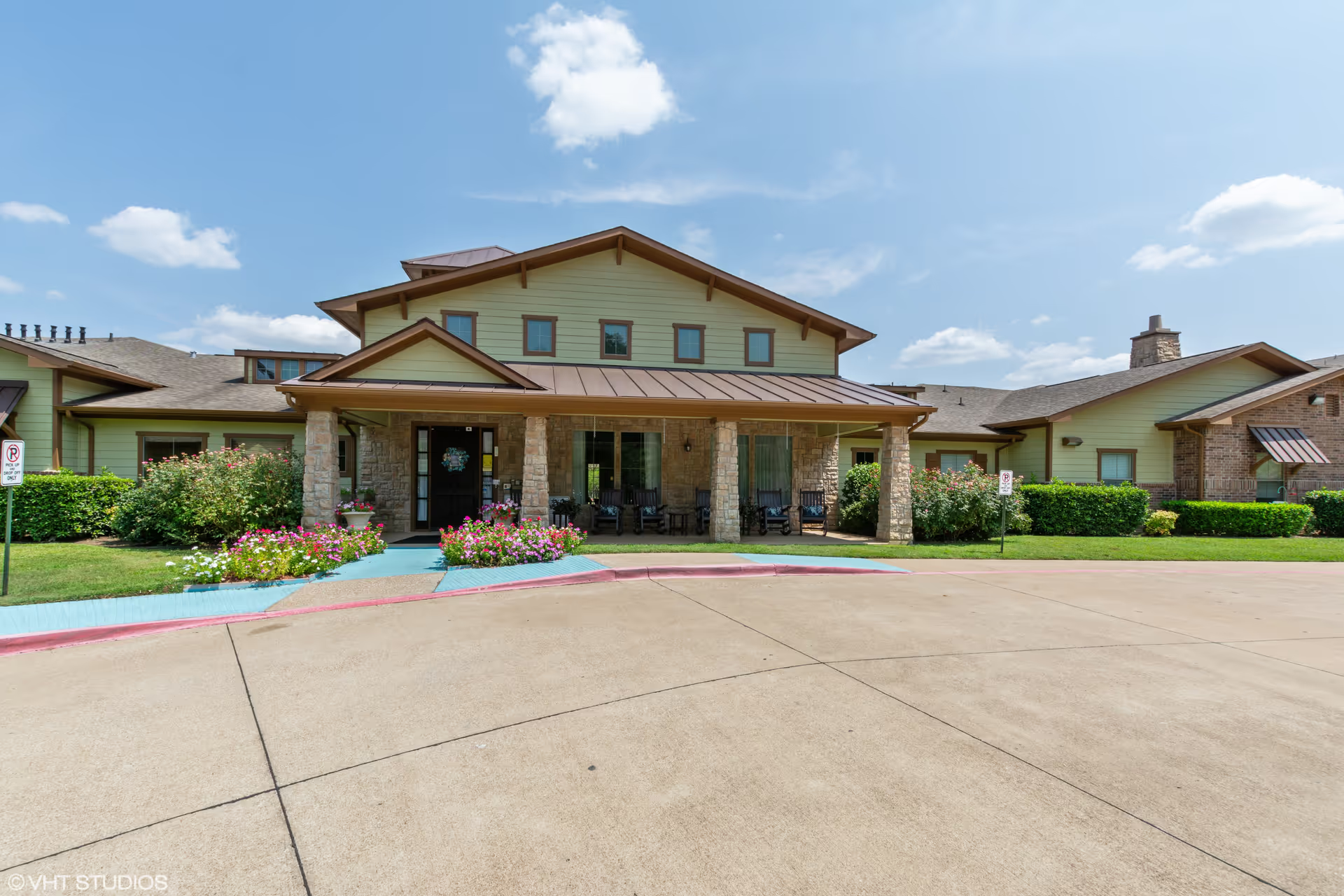
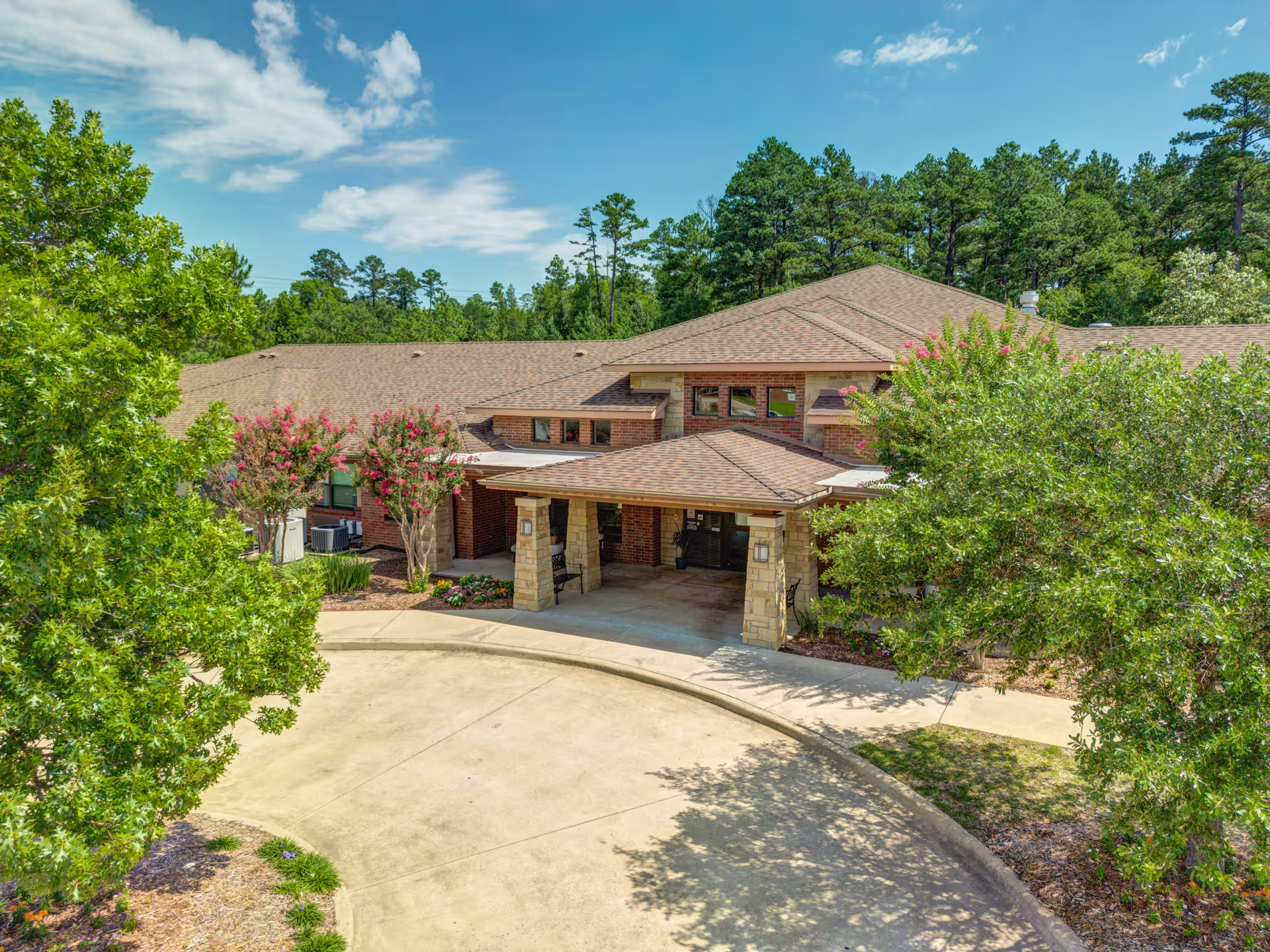
The Hamptons of Tyler presents a mixture of strong physical amenities and variable operational performance. The community's campus, living units and common spaces are frequently praised: spacious, well-lit apartments (many with full kitchens and screened balconies), thoughtfully maintained grounds, and a wide range of on-site offerings such as a pool, gym, library, beauty shop, pharmacy and recreational areas. Transportation services and cafeteria-style dining with generous portions and a salad bar add convenience for residents and families.
Care and frontline staff receive consistently positive remarks for compassion and individualized attention. Multiple reviewers describe nursing and caregiving teams who provide emotional support, strong end-of-life coordination, and hands-on involvement that creates a family-like atmosphere. At the same time, a recurring theme is workforce instability: high turnover and staffing shortages have been linked to inconsistent monitoring, slower response times to calls, and gaps in clinical processes. Memory-care programming earns praise for engagement and activity variety, with specific activity directors named for their positive impact; concurrently, there are concerns about variability in clinical oversight in that unit.
Dining and activities are overall strengths: residents commonly enjoy abundant portions, chef-prepared meals, and a diverse calendar of events that includes live music, art, exercise classes and outings. Some reviewers note, however, that menu variety can be uneven and that certain meal rotations skew toward fried or repetitive items. Activity offerings are robust, but accessibility for residents with limited mobility or hearing impairment can be limited in practice; families should review how programs are adapted to individual needs.
Operationally, several consistent issues arise. Maintenance responsiveness and building accessibility have been problematic for some residents—prolonged elevator outages and unresolved unit repairs were specifically called out. Cleanliness and sanitation are areas of mixed feedback, with some families reporting concerns in common areas and in-room housekeeping reliability. Administrative operations also show variability: billing inaccuracies, unexplained charges, and aggressive collections practices have been cited alongside examples of clear communication and strong crisis response during storms or infection-control events.
Management and leadership present a divided picture. Periods of engaged, communicative leadership and exemplary crisis handling are described, while other families report absentee or inexperienced management, unmet promises, and negative impacts coinciding with an ownership transition. These patterns suggest that resident experience may depend heavily on current leadership, staffing levels and unit-level management.
For prospective residents and families: the Hamptons offers many desirable physical and social features and has demonstrable strengths in caregiving when staffing is stable. However, because reviewers describe persistent operational weaknesses—especially staffing stability, medication administration consistency, maintenance and billing—visitors should inquire directly about current staffing ratios, recent maintenance history (including elevators), medication management protocols, housekeeping schedules, and billing procedures. Touring the memory-care unit, attending an activities session, and speaking with current families can help clarify whether the community’s current operational performance aligns with expectations for a particular resident’s needs.