Reviewer feedback for The Heights of Tyler is strongly polarized: a substantial number of accounts describe an environment with compassionate caregivers, solid rehabilitation services, and an attractive, home-like facility, while an overlapping set of accounts describes operational and clinical inconsistencies that merit attention.
Care quality is a central mixed theme. Many families and residents praised knowledgeable, attentive nurses and effective therapy programs that supported successful rehabilitations. Conversely, there are recurring descriptions of medication-administration gaps, delays in initiating therapy or clinical follow-up, wound- and skin-care concerns, and clinical escalations that resulted in hospital transfers. Call-light response times and timely pain or symptom management were also cited as inconsistent contributors to clinical risk.
Staffing and conduct present a contrast between dedicated individuals and uneven workforce stability. Numerous comments highlight compassionate, responsive nurses, proactive admissions coordinators, and an activities team that engages residents. At the same time, reviewers noted high staff turnover, frequent use of agency or temporary staff, aides who are sometimes distracted or minimally interactive, and variability in responsiveness and communication tone across shifts (including differences between weekdays, weekends, and nights).
Dining and activities were also described variably. The facility offers multiple dining areas and a range of programming — Bible study, music, group outings, bingo, and special events — and several families praised the activity leadership. However, reviewers also described inconsistent meal-service continuity, problems with dietary/allergy management, missed meals on occasion, and intermittent equipment or service issues that affected food availability.
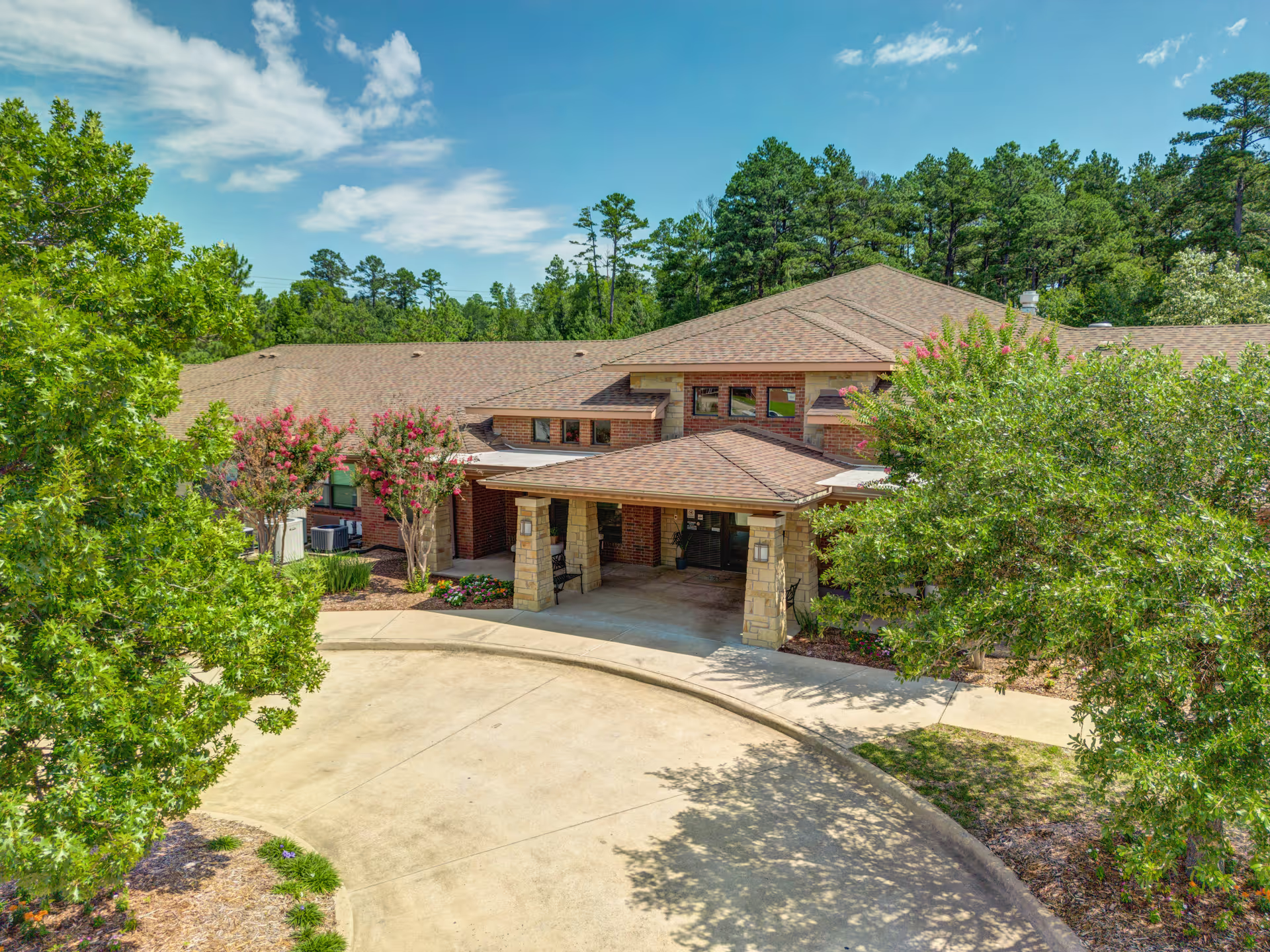
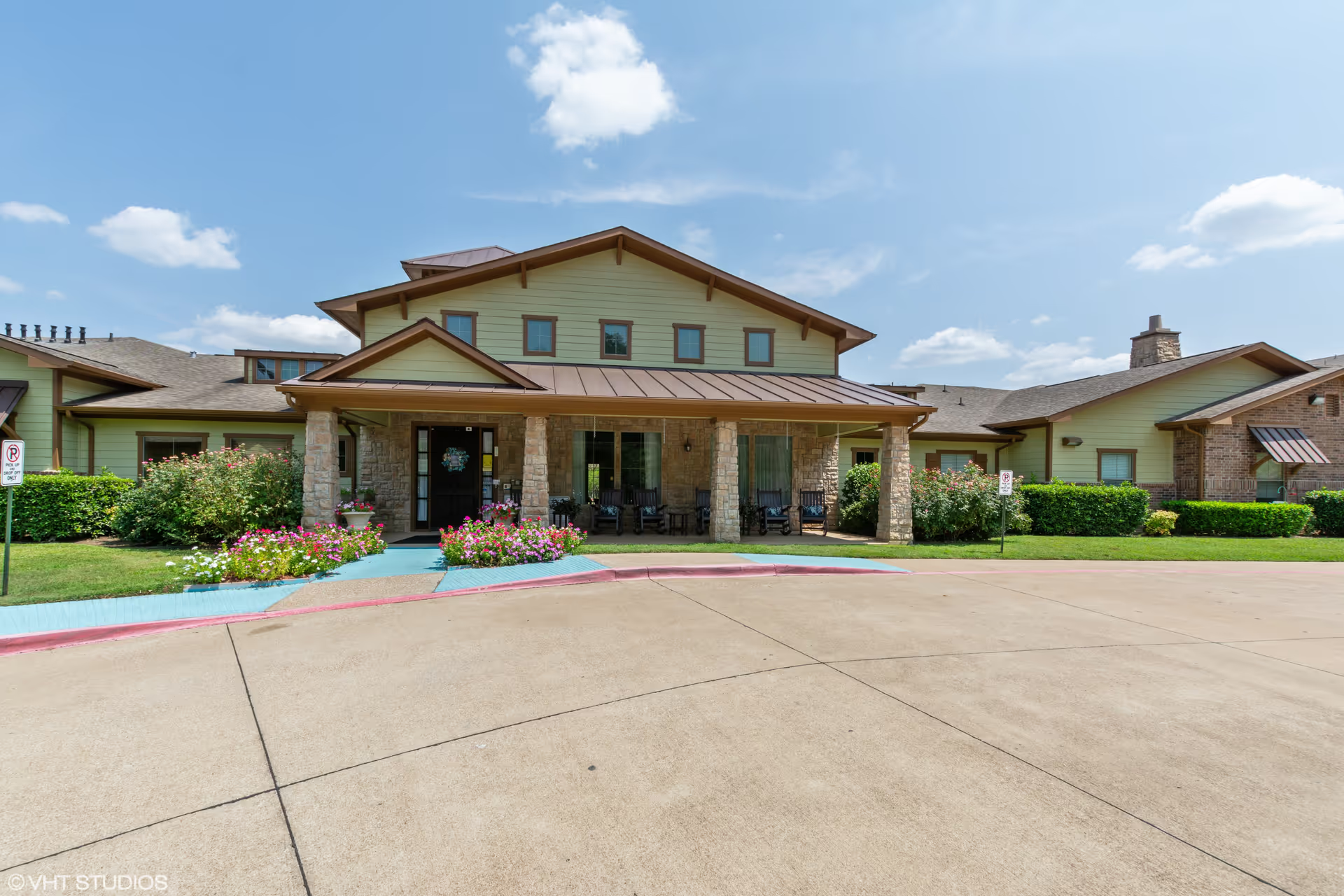
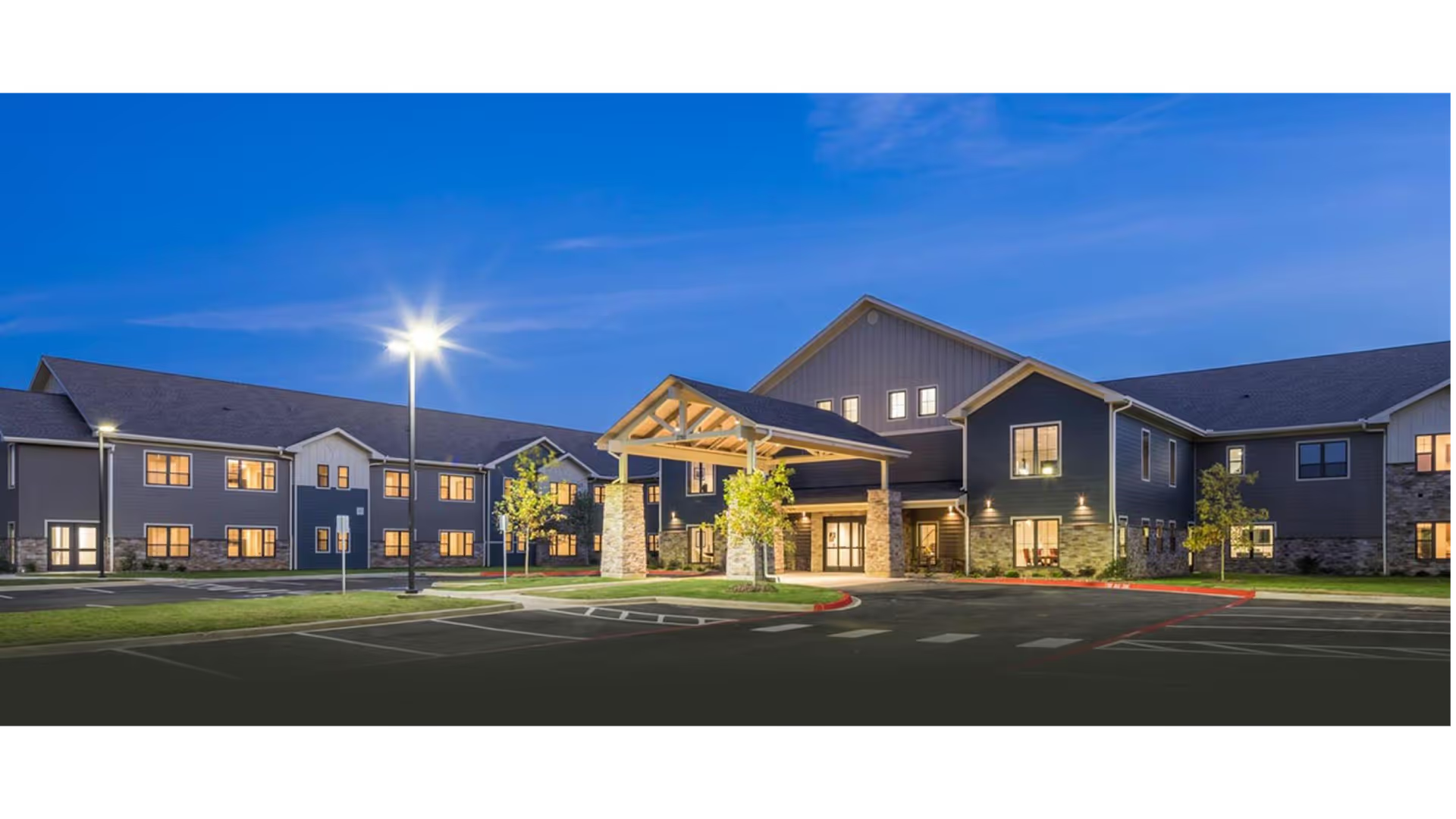
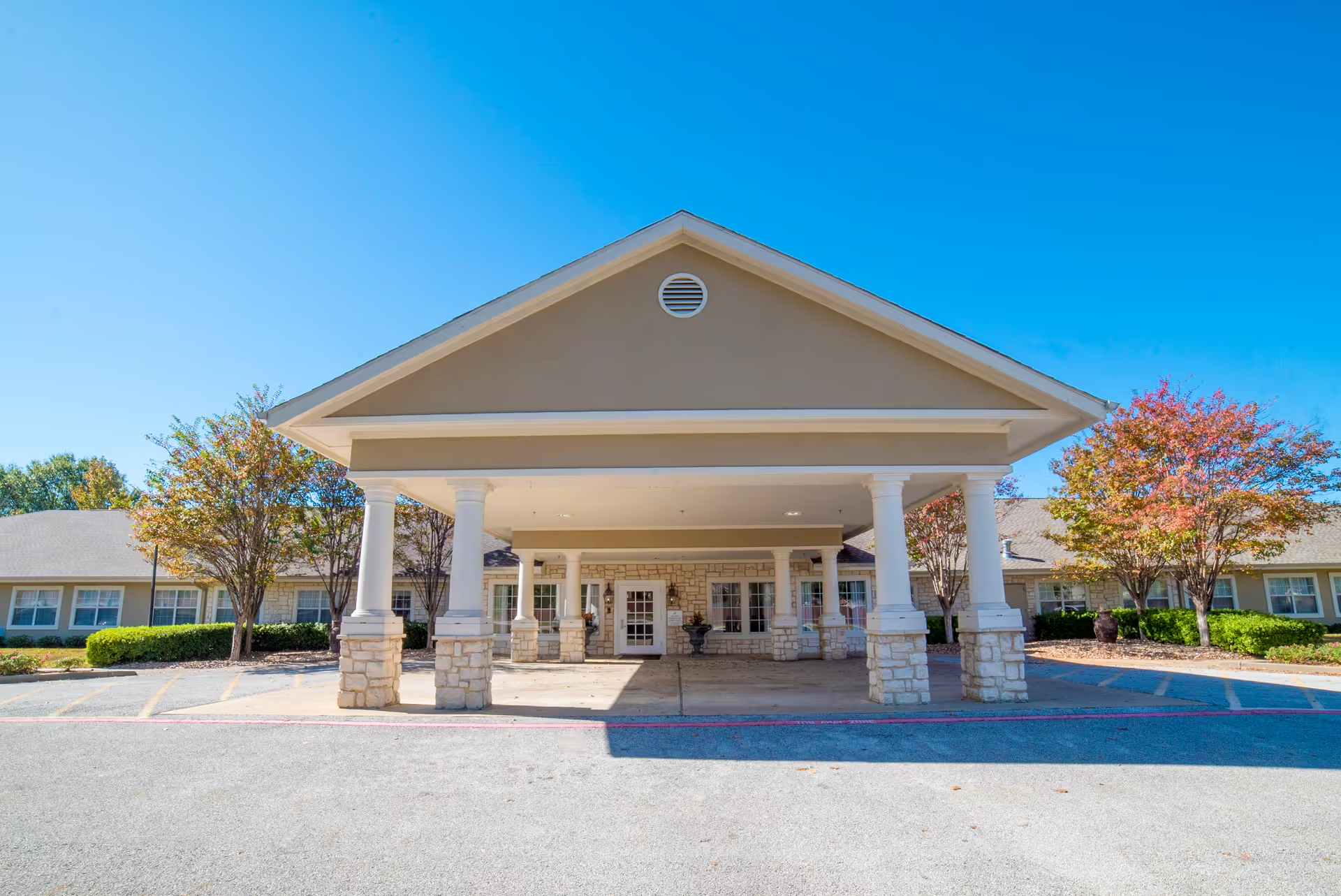
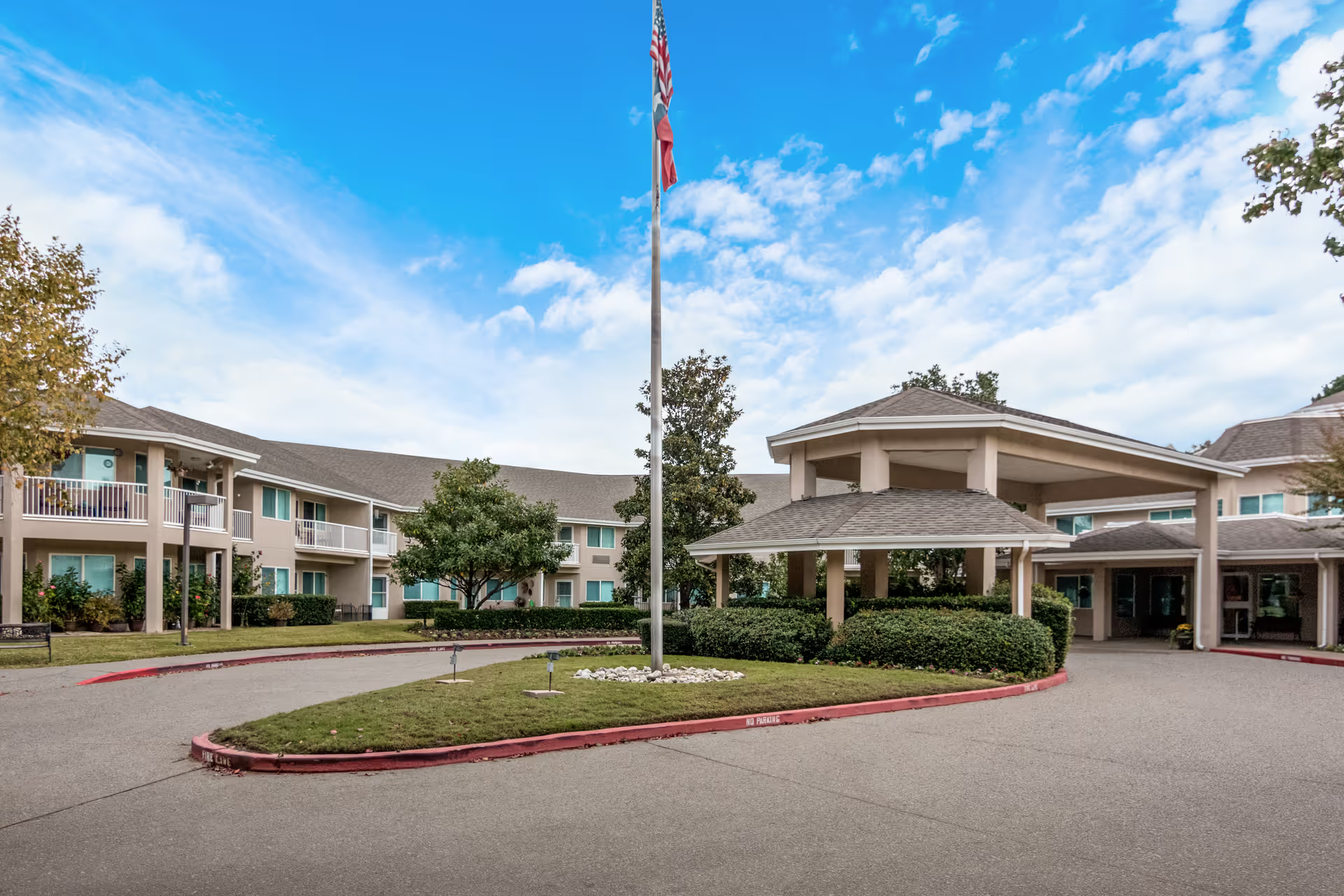
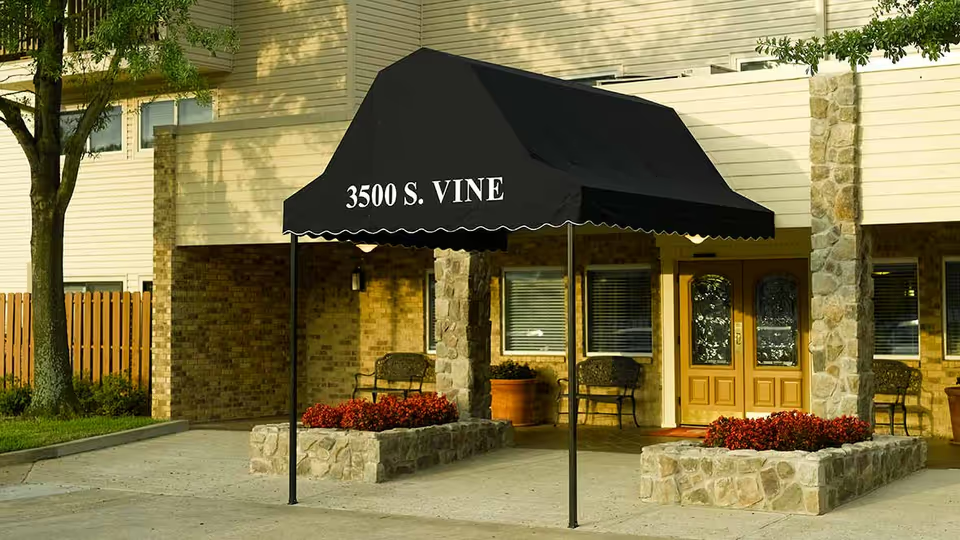
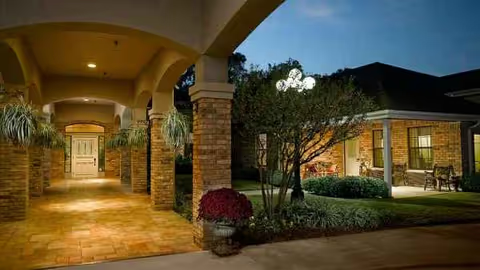
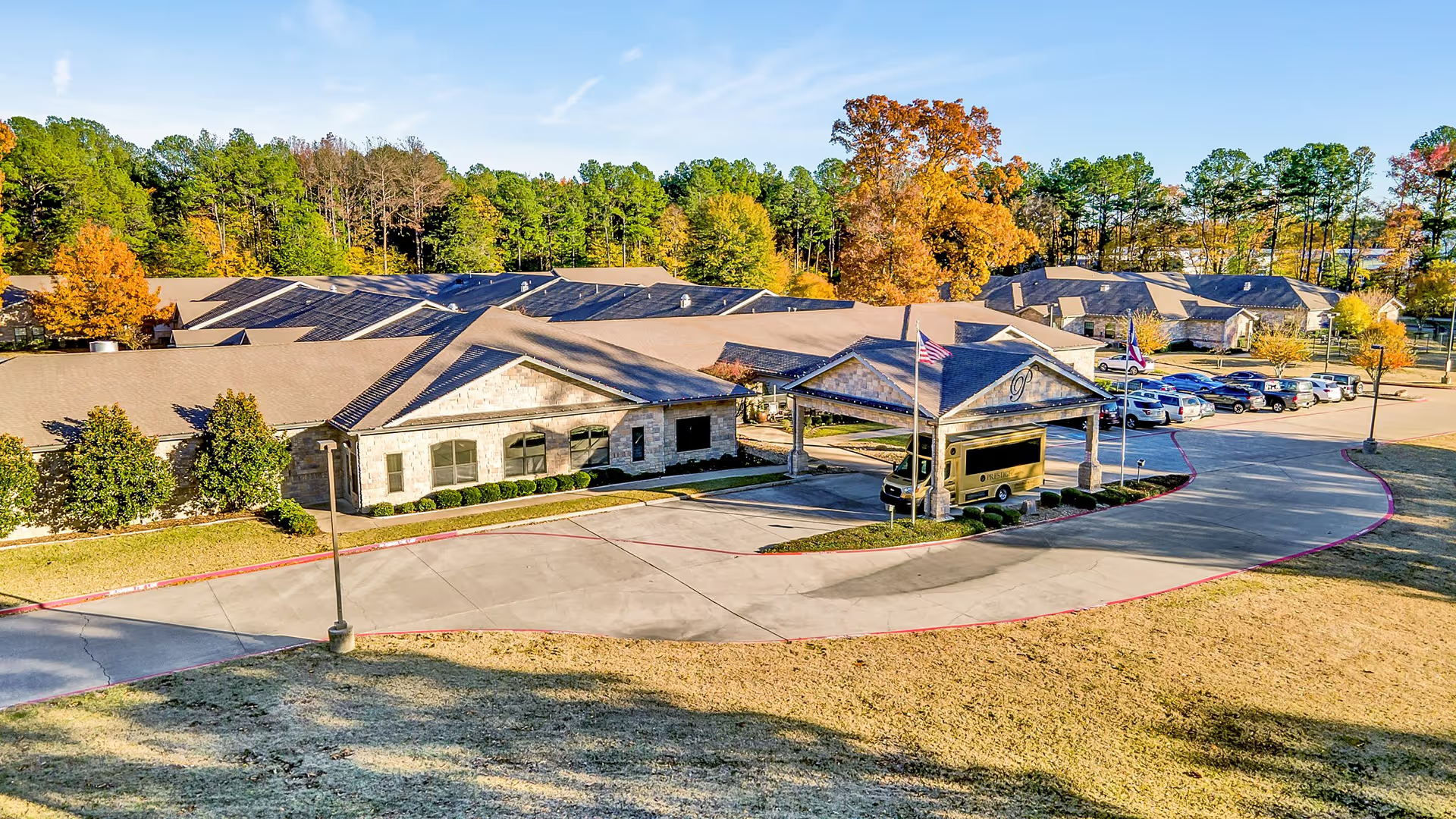
The physical environment receives many positive remarks: a light, bright, newer-feeling building with outdoor space, single-floor layout, and generally comfortable rooms. Simultaneously, there are specific sanitation and maintenance concerns in some rooms and bathrooms, periodic supply issues, and isolated cleanliness lapses that reviewers said affected resident comfort and dignity.
Management and administrative practices drew mixed evaluations. Some families reported prompt issue resolution, regular family meetings, and clear clinician involvement. Other families described poor communication, billing and paperwork difficulties, abrupt visitation-policy changes, and an uncooperative tone from certain administrative staff. A small number of accounts allege documentation irregularities and referenced regulatory attention; these are serious claims that would warrant direct inquiry.
Taken together, the pattern across reviews is one of variability: The Heights of Tyler can provide high-quality, family-centered care and excellent rehab for many residents, but there appear to be operational weak points—staffing consistency, medication controls, personal-care routines, cleanliness oversight, and administrative communication—that produce uneven outcomes. Prospective residents and families may wish to verify current staffing levels, ask about medication and wound-care protocols, observe care across different shifts, and review recent state inspection and quality records before committing.