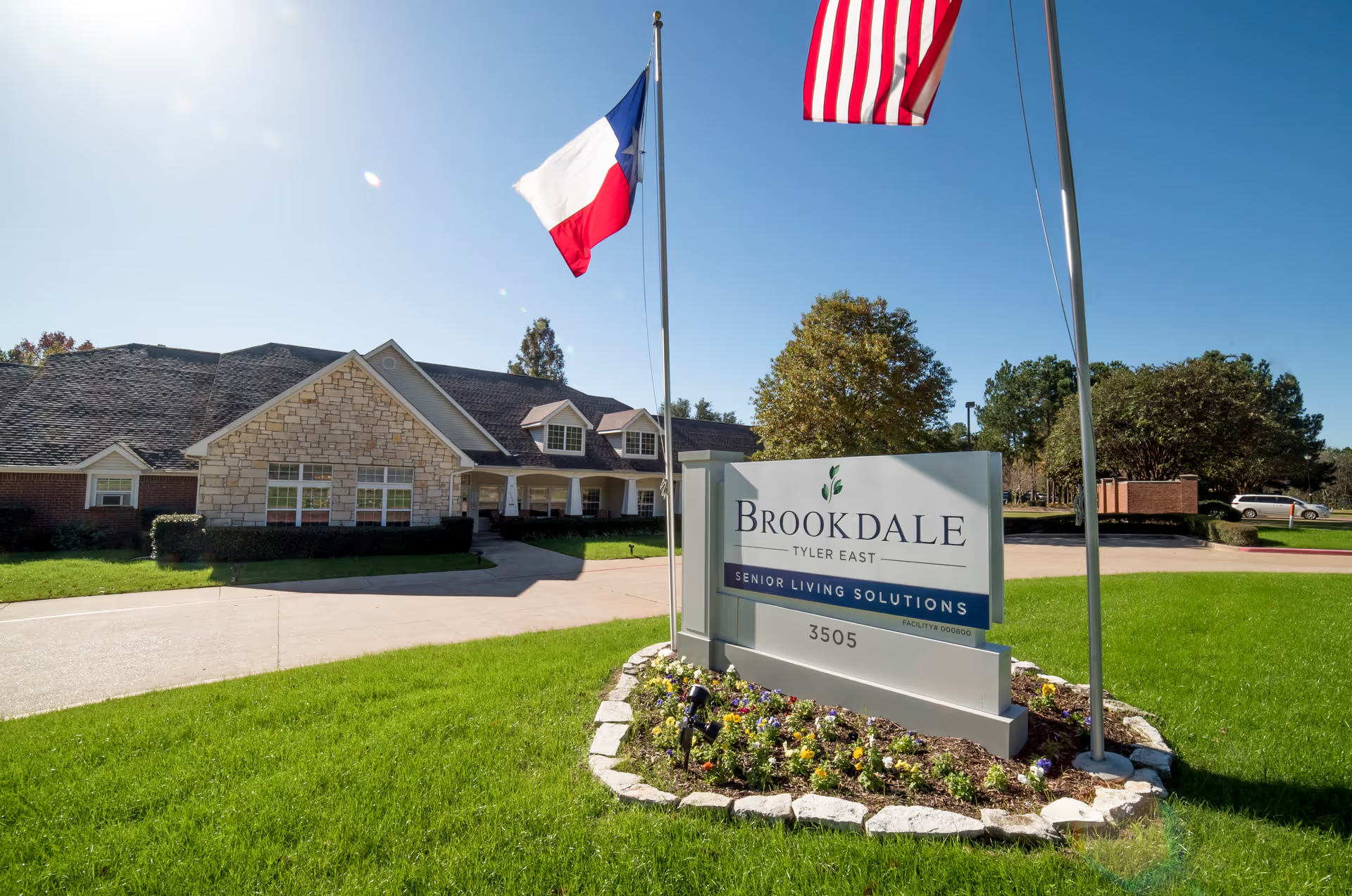
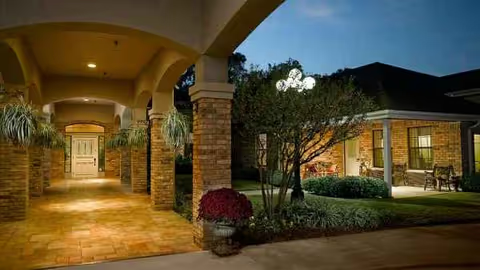
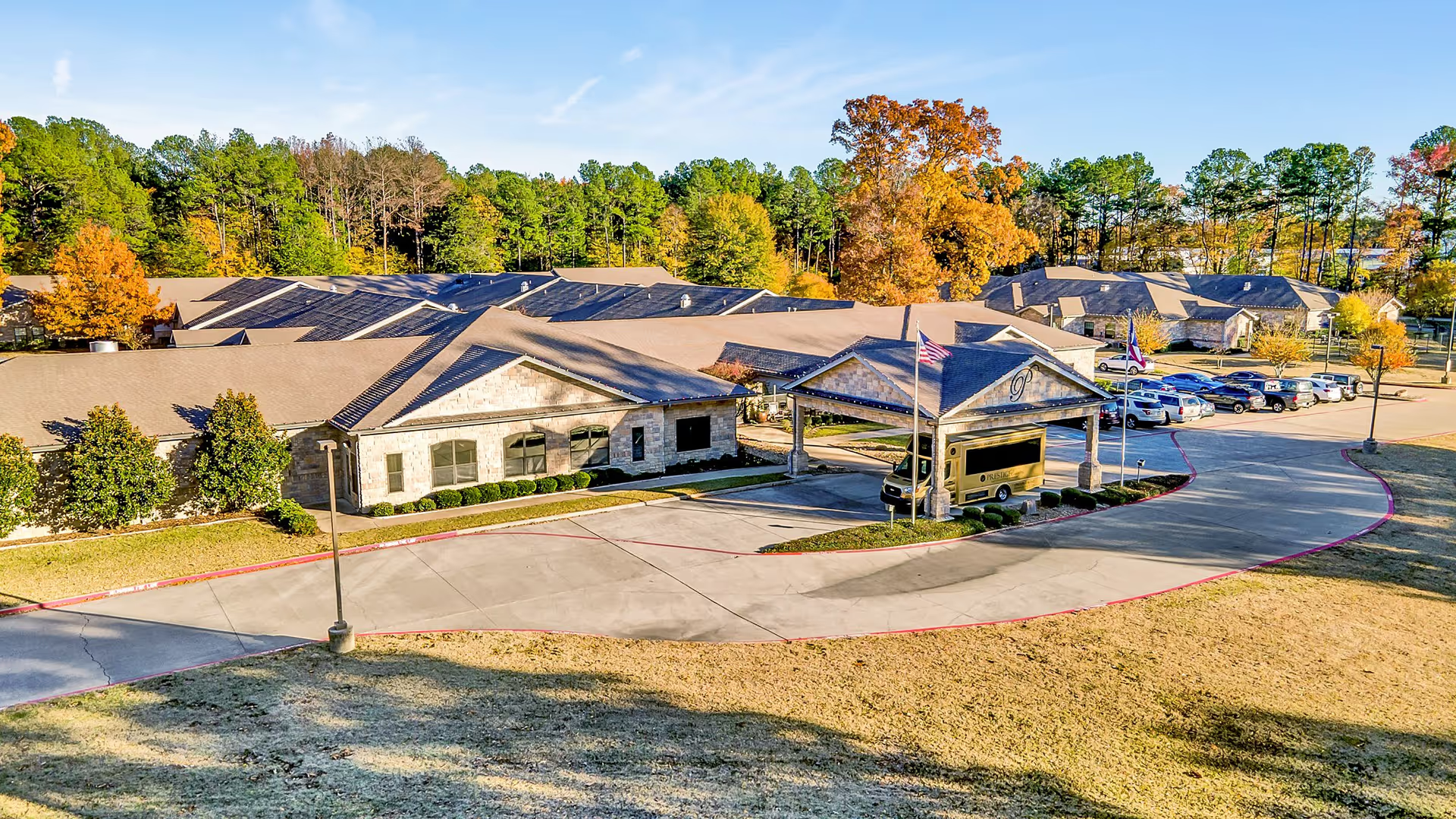
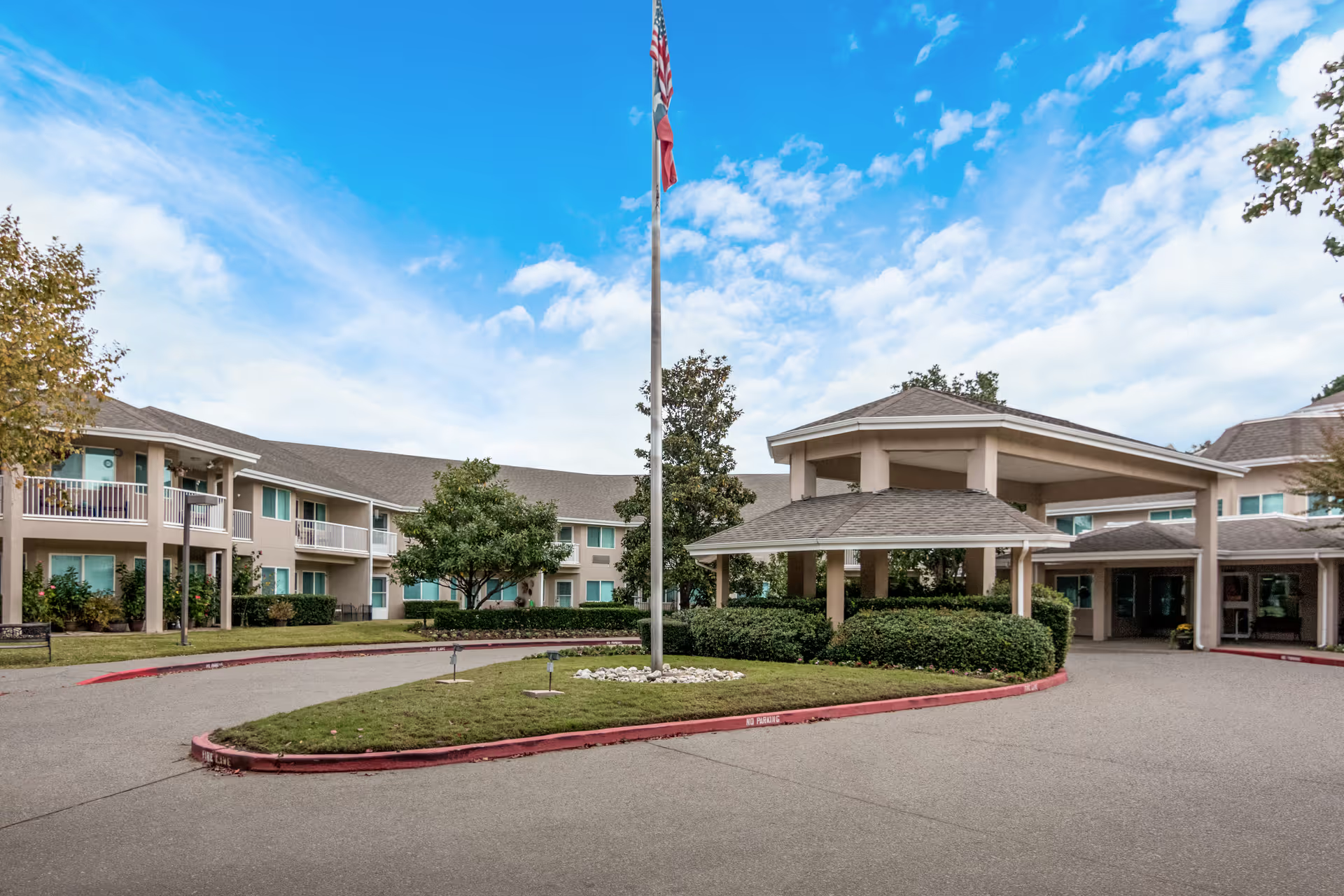
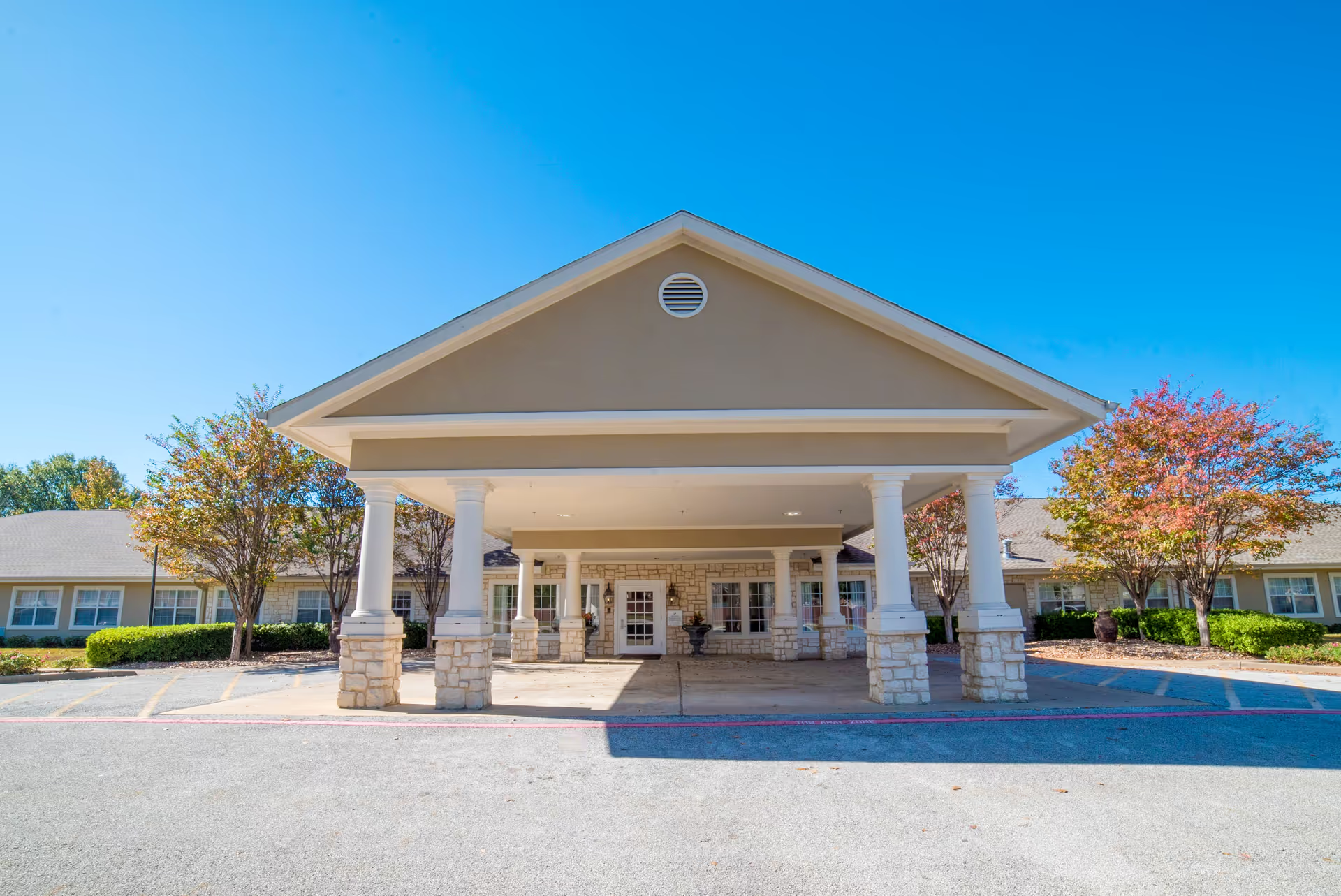
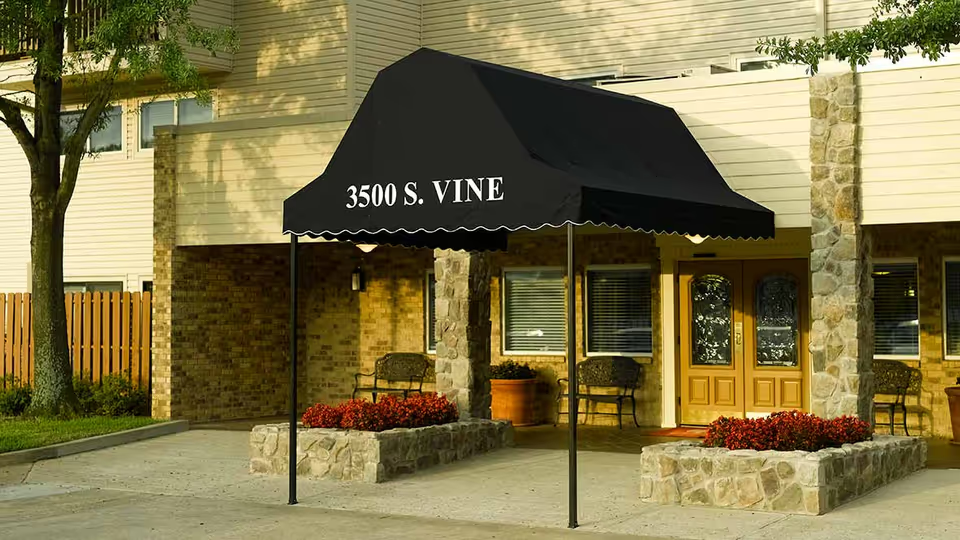
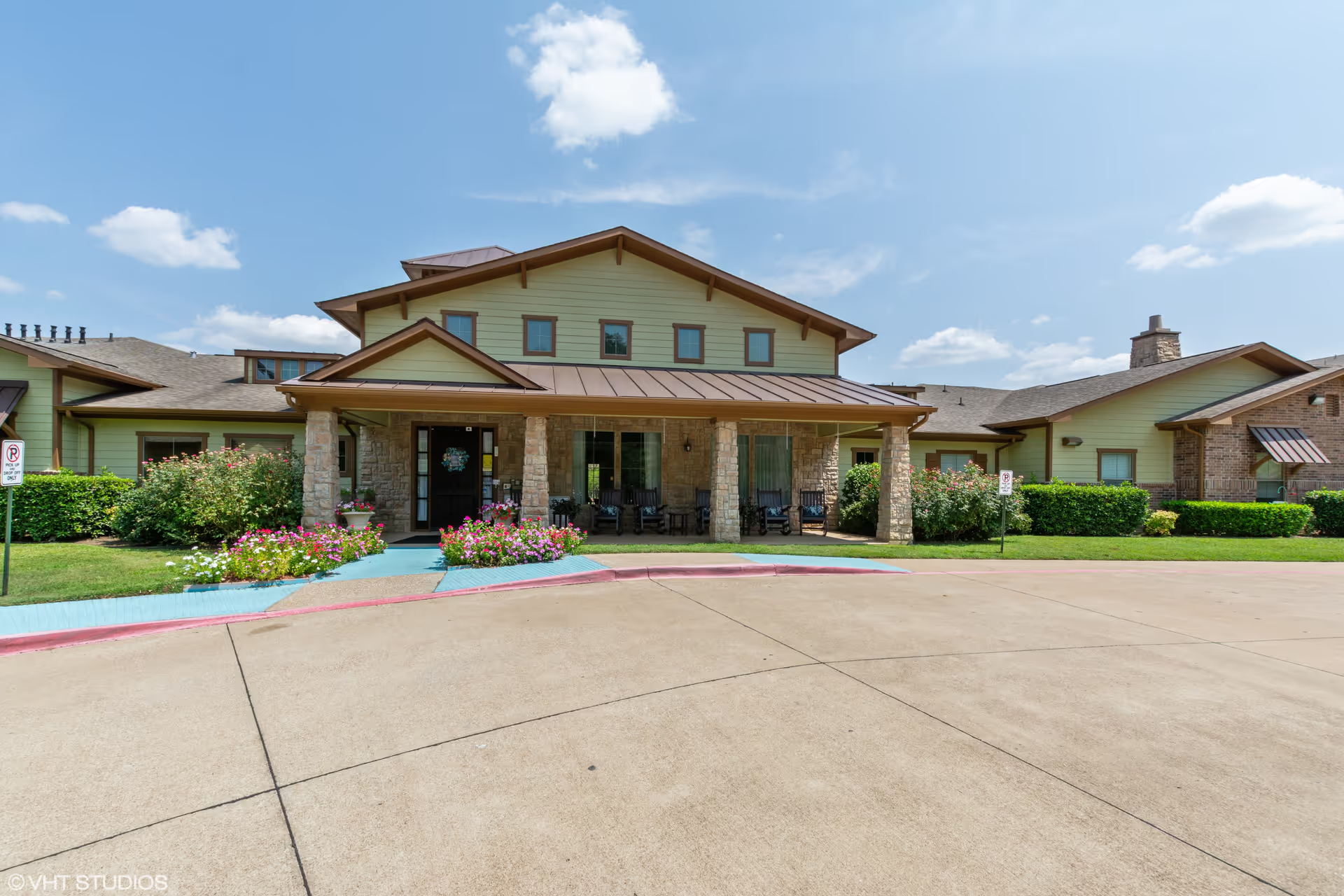
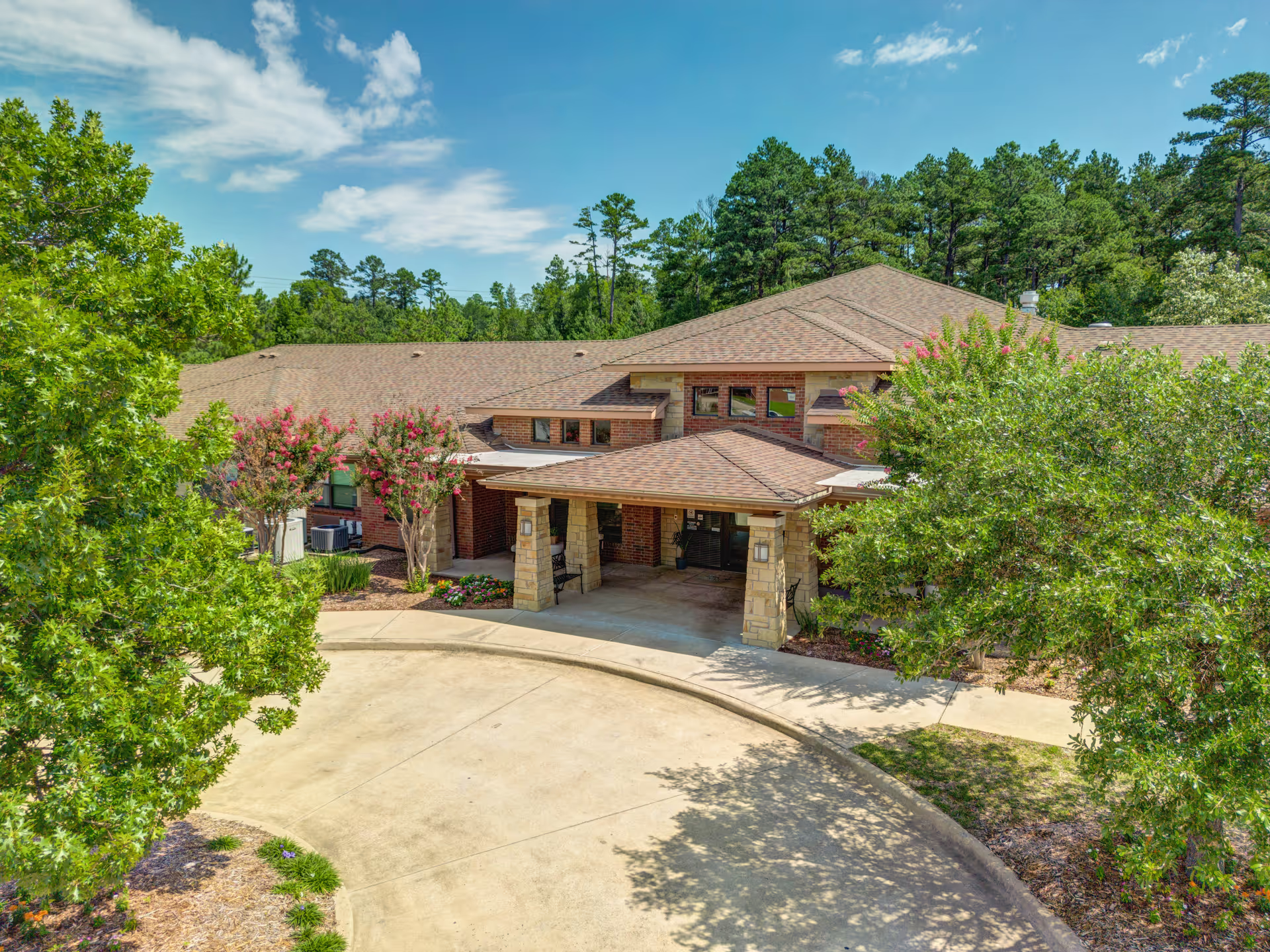
This facility elicits strongly mixed impressions. Many reviews highlight strengths in rehabilitation and therapy services, clean and recently renovated spaces, and individual staff members who are attentive and effective. The therapy department and outpatient programs are consistently praised for skill, encouragement, and positive short-term outcomes; several reviewers described timely discharges home following effective rehabilitation. Facility aesthetics — including roomy, remodeled rooms, a welcoming entrance, and well-kept dining areas — are also commonly noted as positives.
At the same time, there are recurring operational concerns that prospective residents and families should weigh. Staffing and coverage are described as inconsistent, with particular gaps noted on weekends and during some shifts; this variability is linked to delays in responding to call lights, assistance with transfers, and inconsistent wound or other clinical care on weekends. Medication management and administration controls emerged as a significant pattern of concern, including reports of dosing errors and conflicting medication events. Relatedly, reviewers described variability in clinical judgment and training among staff, suggesting an uneven skill mix on some units.
Communication and management themes are mixed. Several reviewers praise specific leaders — liaisons, the director of nursing, and some administrators — for responsiveness and coordination. Others describe gaps in family communication, perceived retaliatory responses to complaints, and decisions that appear influenced by insurance or financial drivers. Maintenance and facilities operations also show variability: while many areas are clean and well-maintained, there are intermittent HVAC problems, delayed maintenance responses, overflowing waste issues, and odor concerns in some common restrooms.
Dining and activity programs receive both praise and criticism. Some reviewers commend flavorful meals, daily choices, and a clean dining environment; others report inconsistent meal quality and irregular activity schedules. The facility’s household-style units and social programming are seen as strengths for quality of life when they are operating consistently.
Safety and care-continuity issues were raised around dementia supervision and wandering-risk management, room transfers and moves, and inconsistent housekeeping. There is at least one serious allegation involving theft and misconduct; that claim stands apart from operational criticisms and may warrant independent inquiry. Overall quality of care appears variable across units and shifts: when staffing, leadership, and therapy align, families report very good outcomes and experiences; when staffing is thin or communication breaks down, families report delayed care, medication concerns, and frustration.
Recommendation: families should inspect the specific unit where a resident would be placed, ask for recent staffing and clinical-coverage patterns (including weekend coverage), inquire about medication-safety protocols and incident escalation procedures, and verify how maintenance and housekeeping are scheduled. If reliable oversight or frequent visitation is not feasible, the variability described suggests close follow-up or consideration of alternatives. Conversely, for short-term rehabilitation needs with active therapy participation, the facility’s therapy team and outpatient offerings may provide strong value when the unit is adequately staffed and supervised.