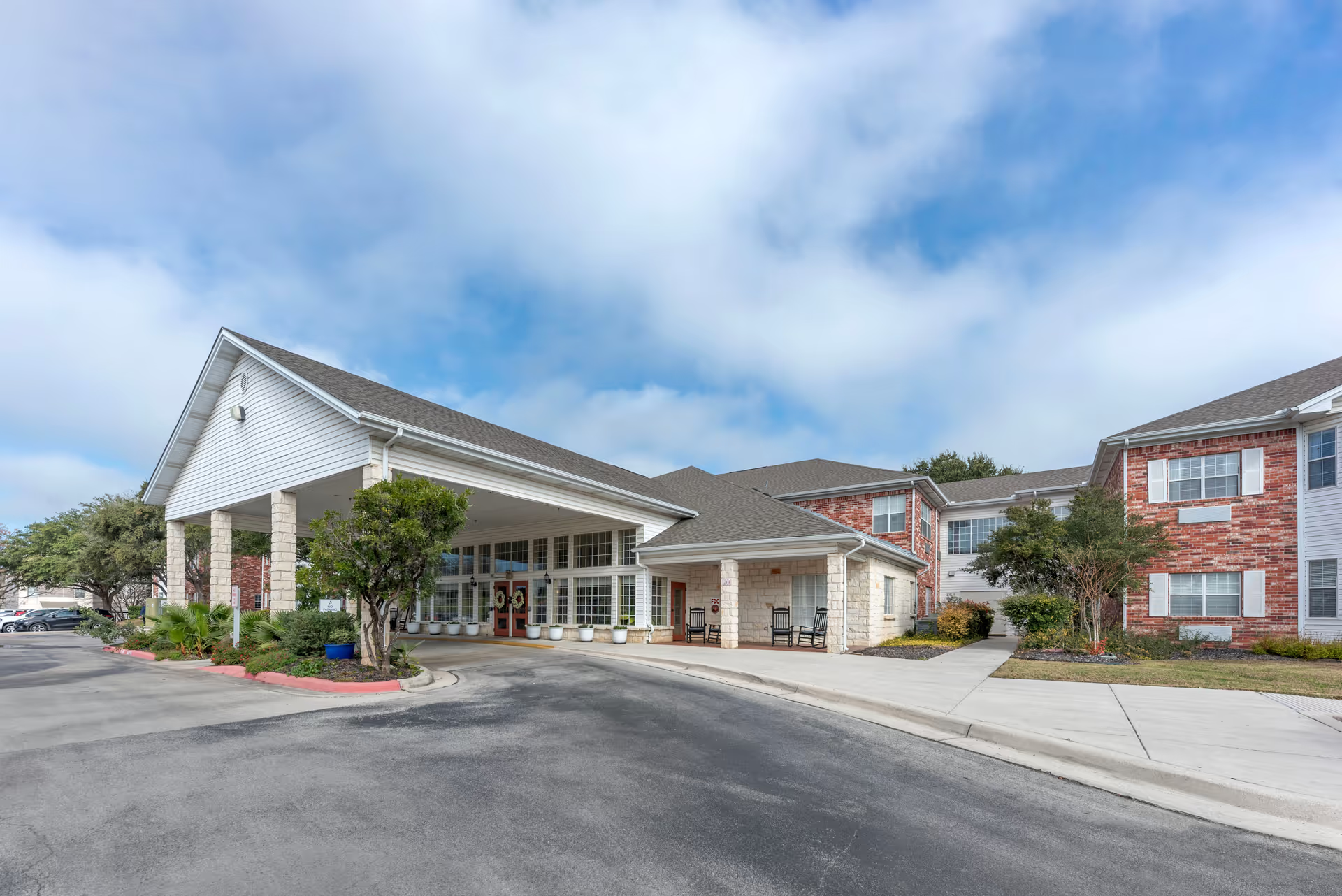
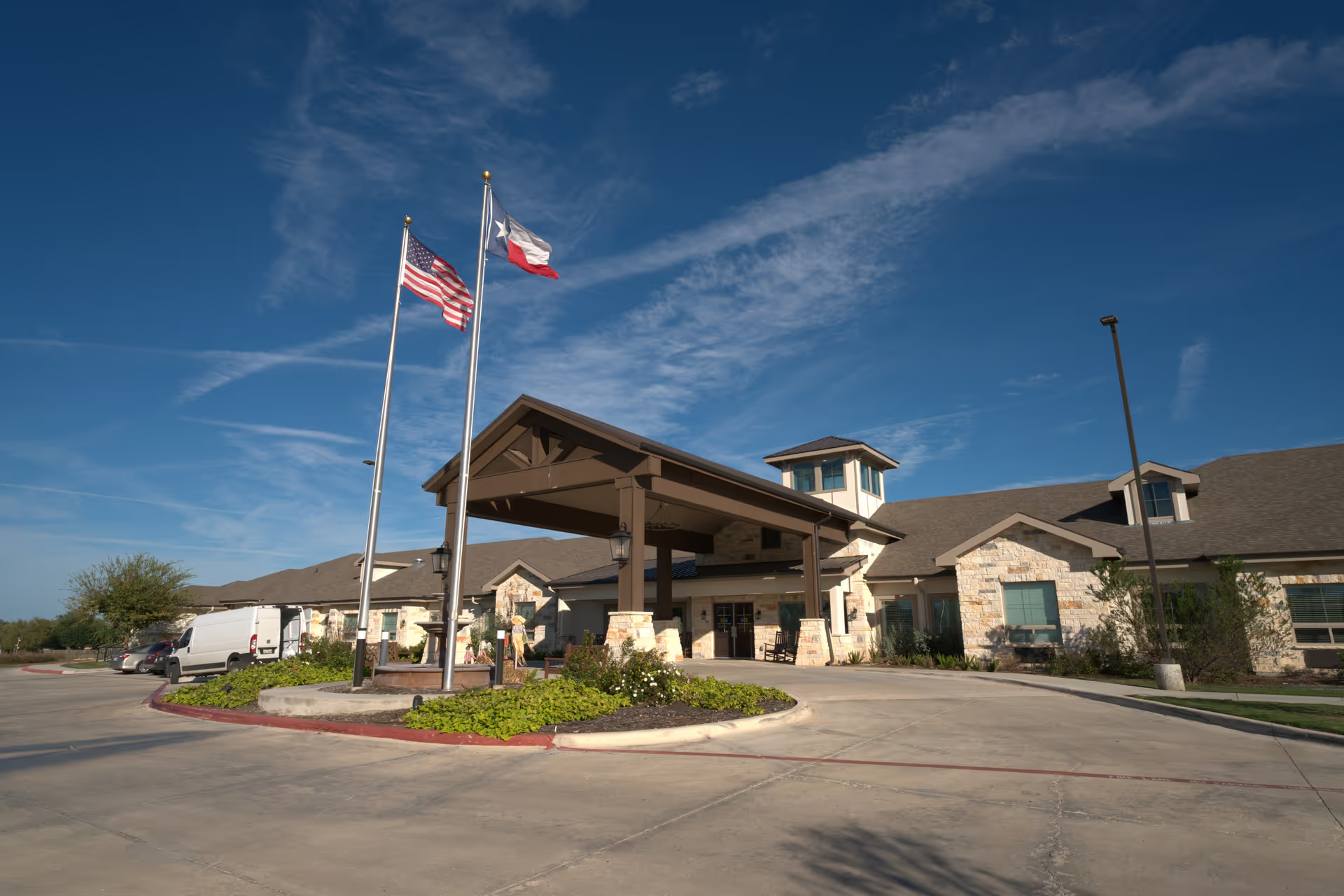
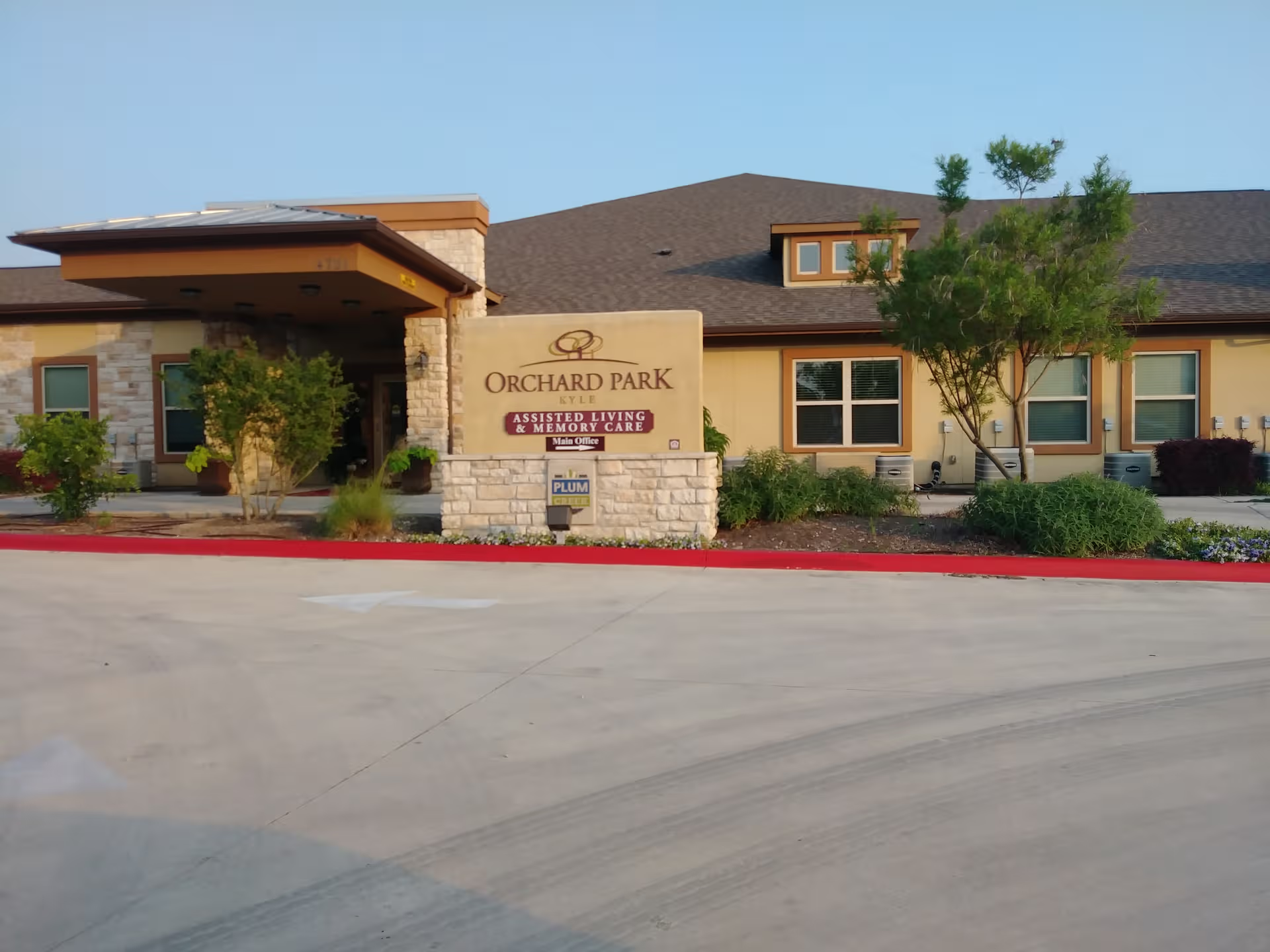
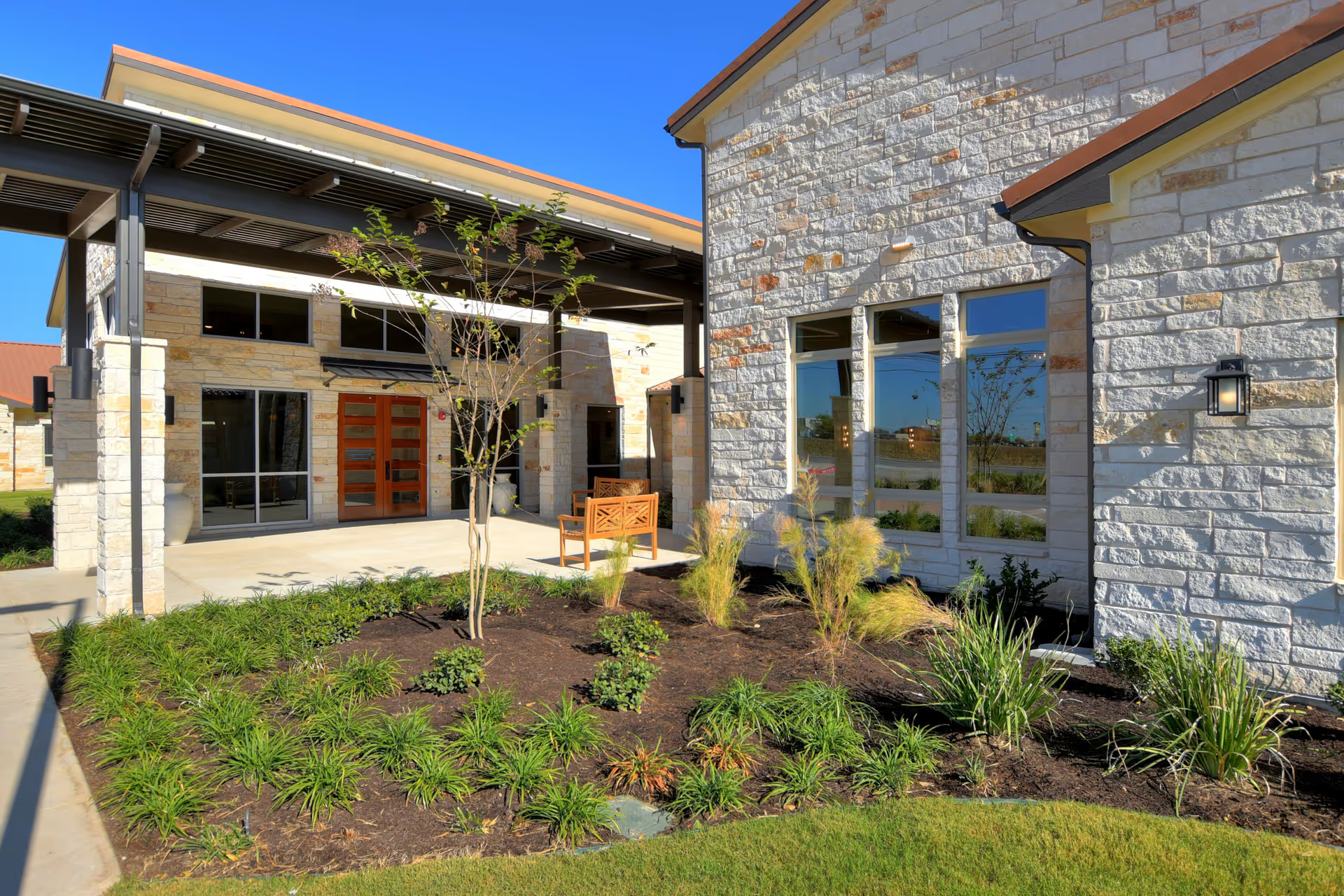
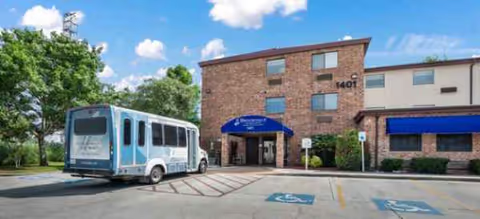
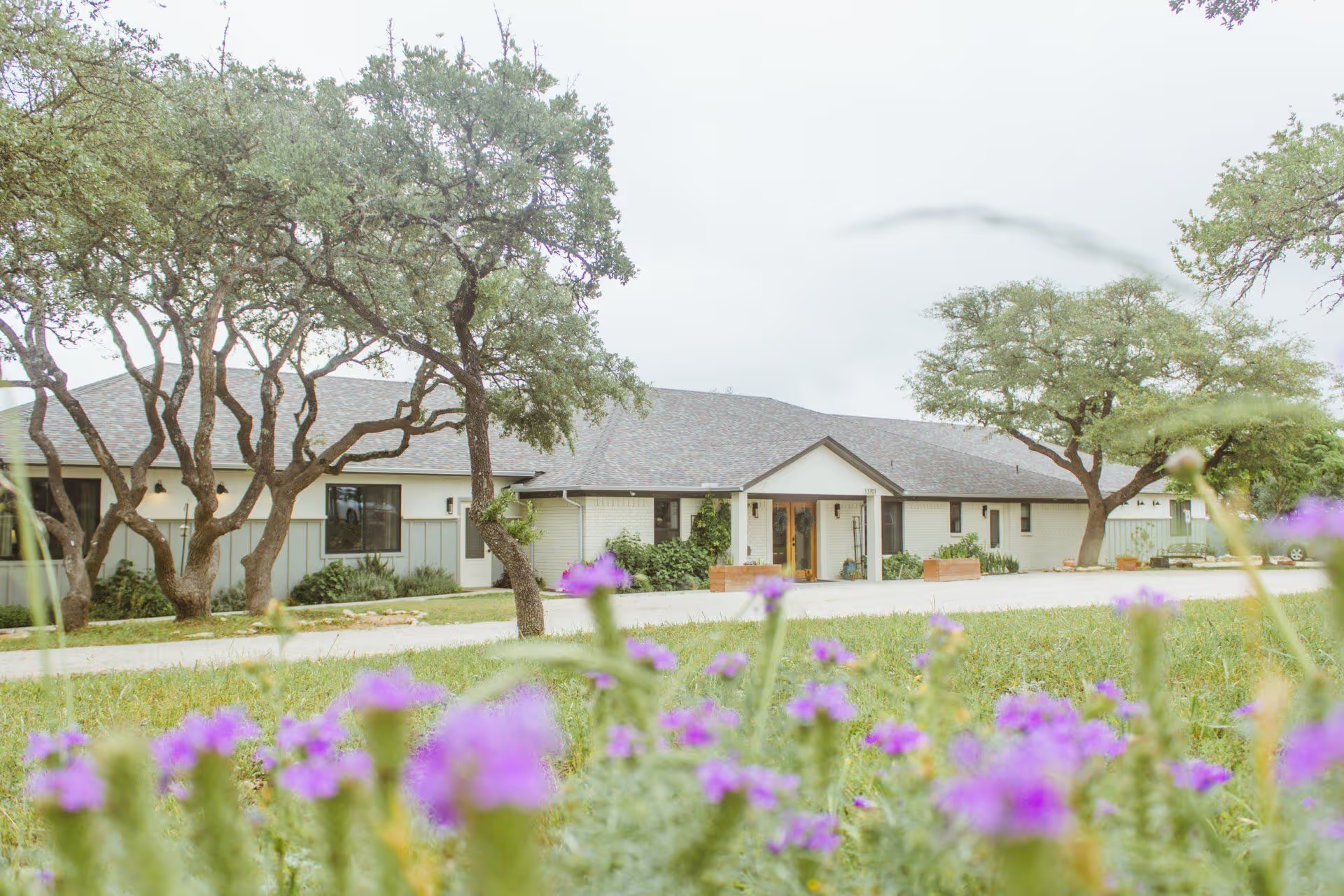
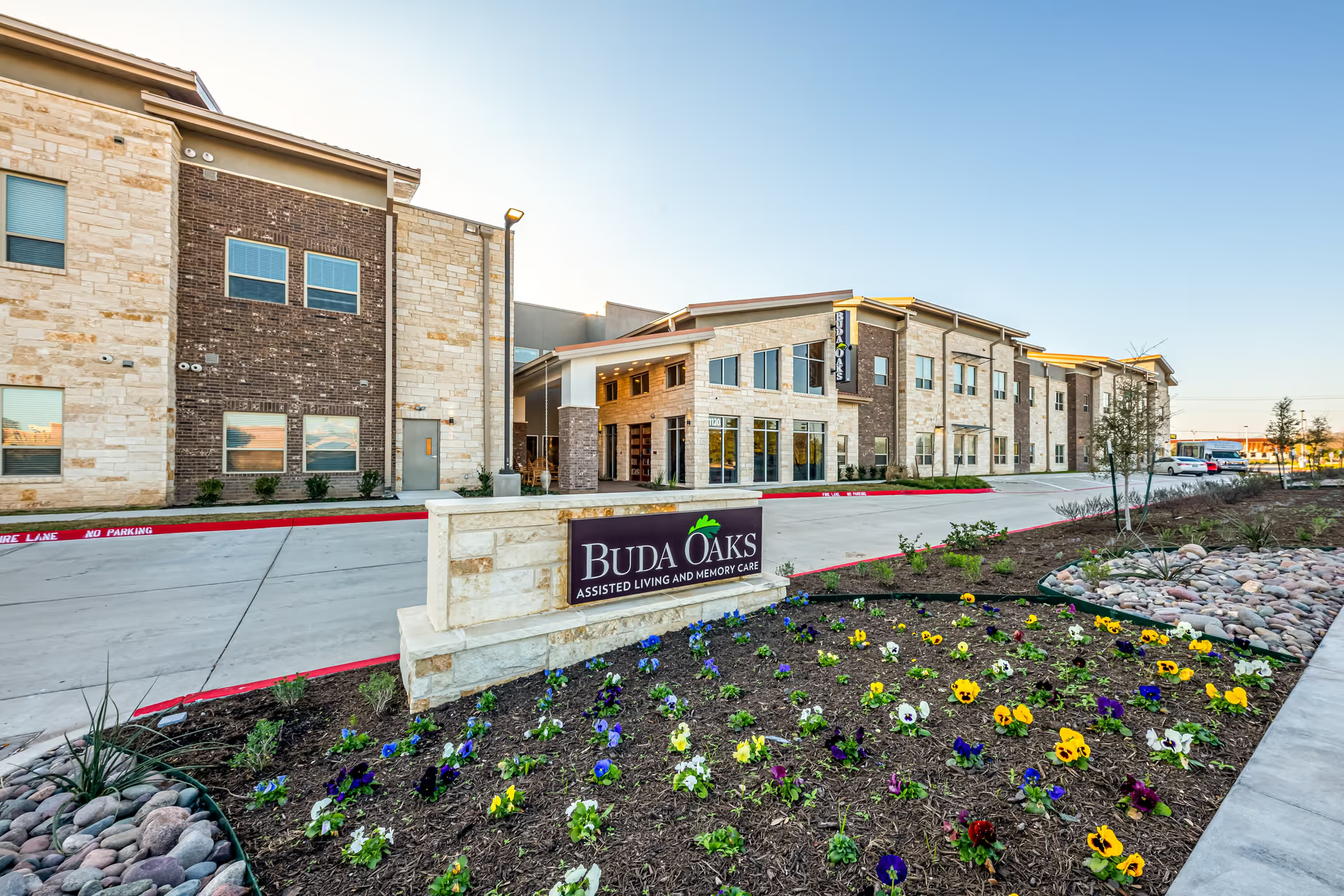
Alexis Pointe of Wimberley is consistently described as a bright, well-appointed community with a home-like atmosphere and active social programming. Many families praise the facility’s physical environment — abundant natural light, an attractive courtyard, and apartments designed for mobility aids — and they report that common areas and dining spaces are clean and welcoming. Reviewers commonly note an emphasis on social engagement, with varied activities, outings, milestone celebrations, and memory-care programming led by a dedicated activity director.
Care quality and staff interactions are a major strength in most accounts. Numerous comments highlight attentive caregivers and nursing staff who are proactive, communicate with families, and customize care (dietary accommodations, reminder of preferences, help coordinating medical equipment). The front-desk team, in particular specific staff members, receives repeated positive mention for responsiveness and family-facing support during transitions. At the same time, there are consistent concerns about staffing stability: high turnover among clinical and maintenance personnel, intermittent understaffing, and management changes that families say have affected continuity of care.
Dining and activities are generally viewed positively. Many reviewers describe meals as above average with fresh salads and fruit and note that servers remember dietary needs. A few operational issues are raised around meal delivery logistics — for example, food served cold from transport carts — which suggests room for improvement in service continuity. Activities, outings, and social groups are well regarded, although programming has at times been curtailed or modified during pandemic periods or when staffing is constrained.
There are notable patterns of concern related to higher-acuity needs and memory care. Several families expressed that the facility is not always equipped to manage residents with high levels of agitation or advanced dementia behaviors; in some cases, admissions were declined or transfers were requested for behavioral reasons. Relatedly, reviewers cite inconsistent dementia-care training and expressed frustration when end-of-life care expectations outlined at admission were not met. Clinical coverage is described as limited by some families — there is no consistent on-site full-time medical provider — which can affect the facility’s ability to handle rapidly escalating care needs.
Operational and safety-related shortcomings appear sporadically but meaningfully in the feedback. Issues include sanitation and pest-control concerns in certain units, inconsistencies in housekeeping and room readiness at move-in, and isolated allegations regarding medication administration and responsiveness. These accounts vary in severity; some describe procedural lapses rather than systemic policy failure, while others indicate family-level trust erosion. Management turnover and variability in how contractual promises are handled are additional themes that families flagged as affecting confidence in long-term placement.
In summary, Alexis Pointe presents as a well-appointed, resident-centered community with many engaged, compassionate staff and robust social programming. Prospective residents and families should weigh those strengths against operational concerns tied to staffing stability, dementia-care capacity, and several service-delivery inconsistencies (housekeeping, meal transport, and medication oversight). For families considering placement, a focused tour that addresses staffing ratios, dementia-care training and policies for end-of-life care, medication administration protocols, pest-control and sanitation practices, and recent management turnover will help clarify whether the community’s current capabilities match the prospective resident’s needs.