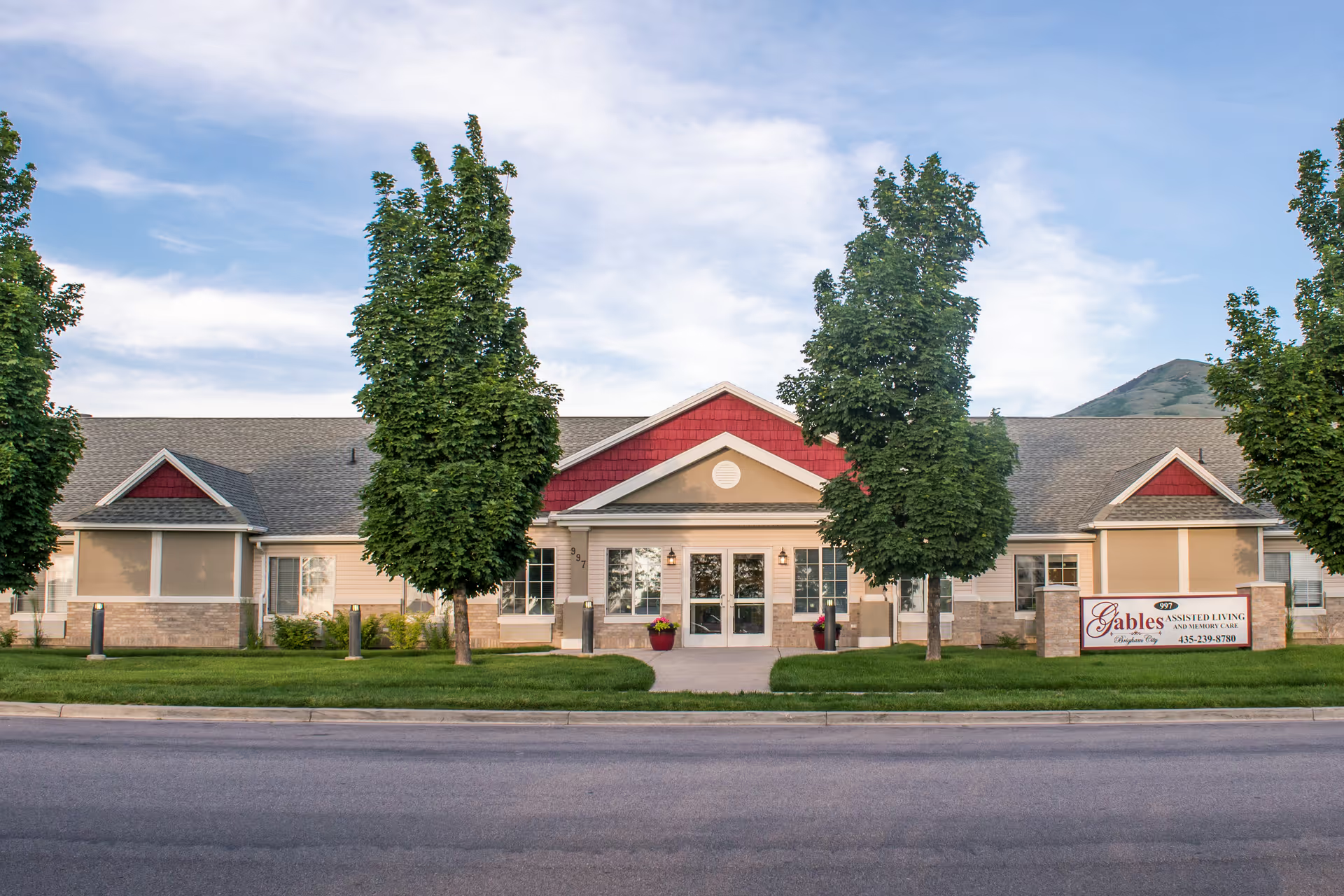
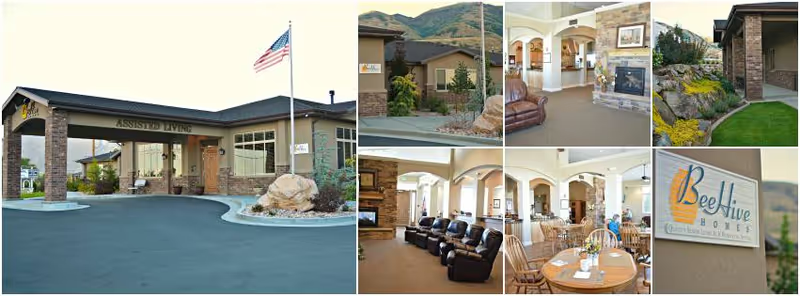
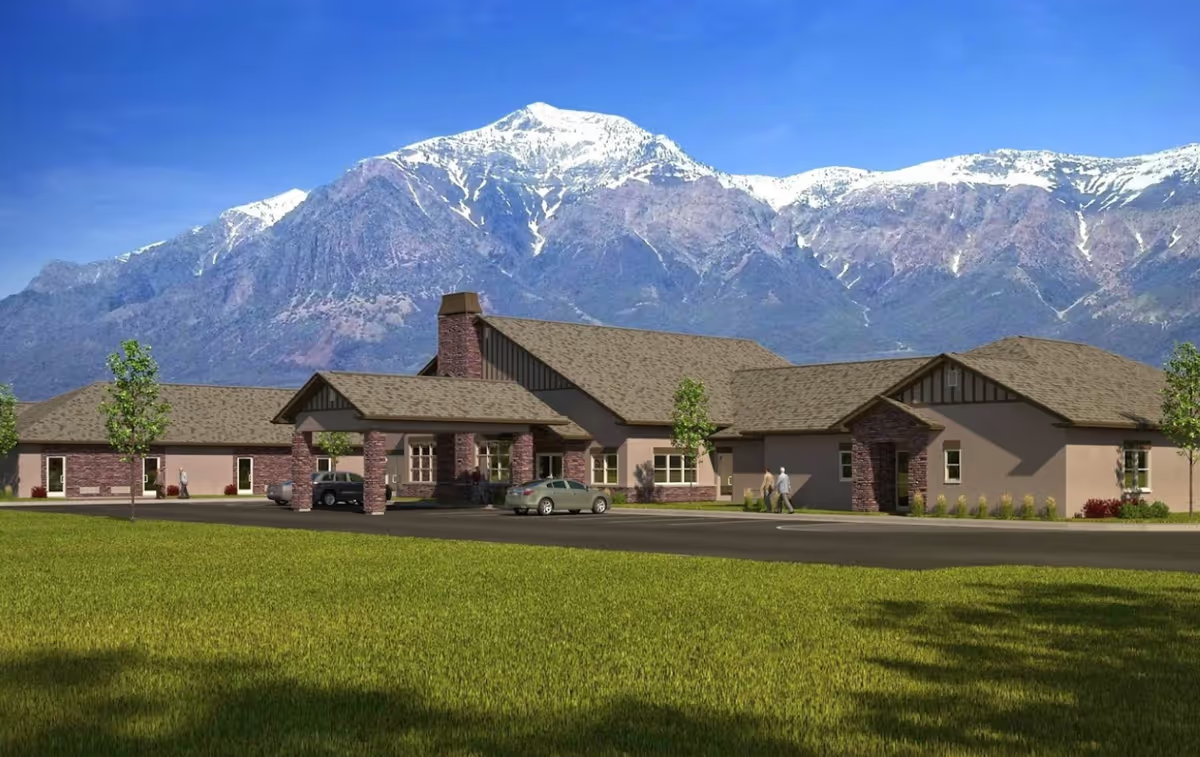
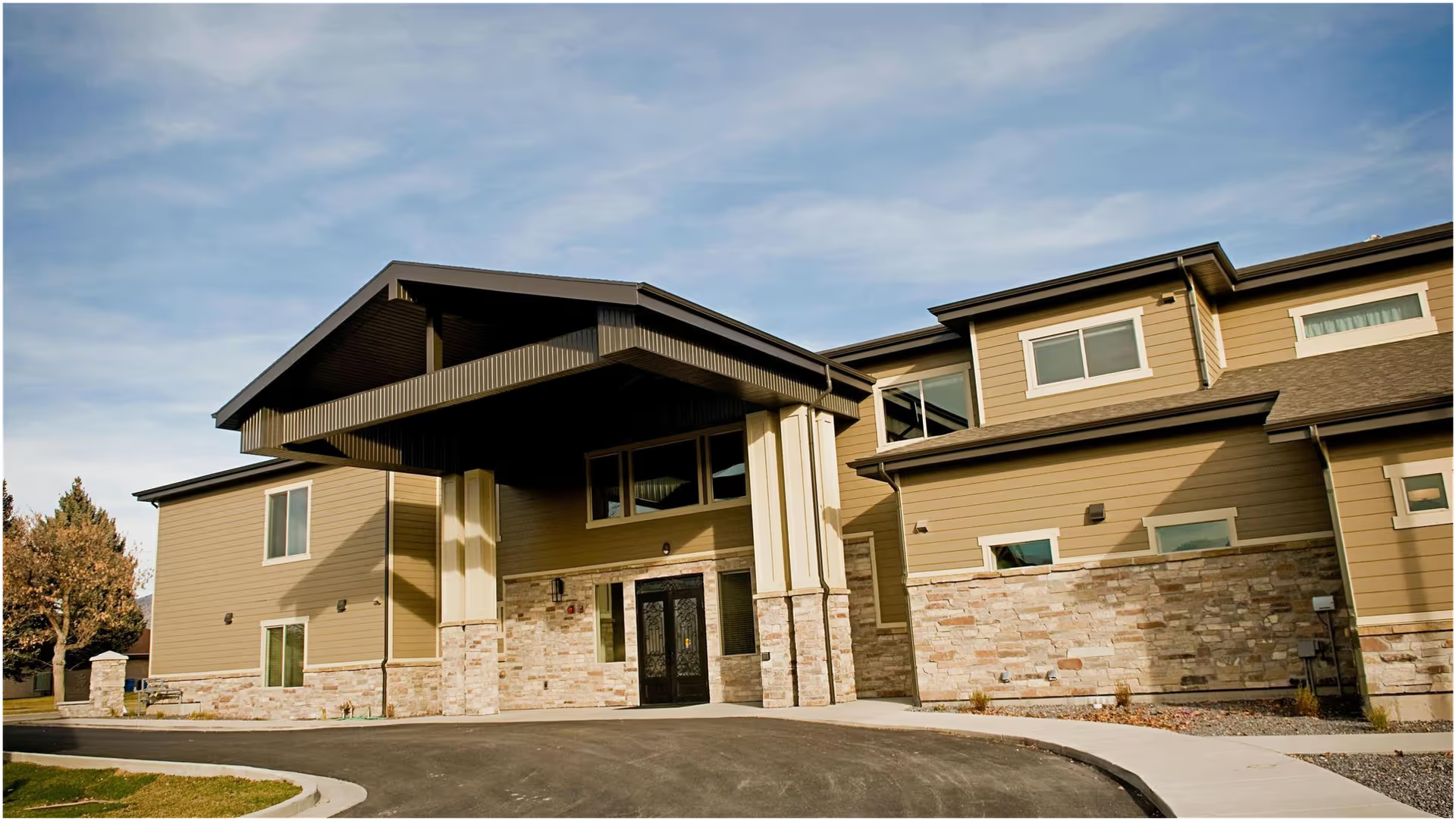
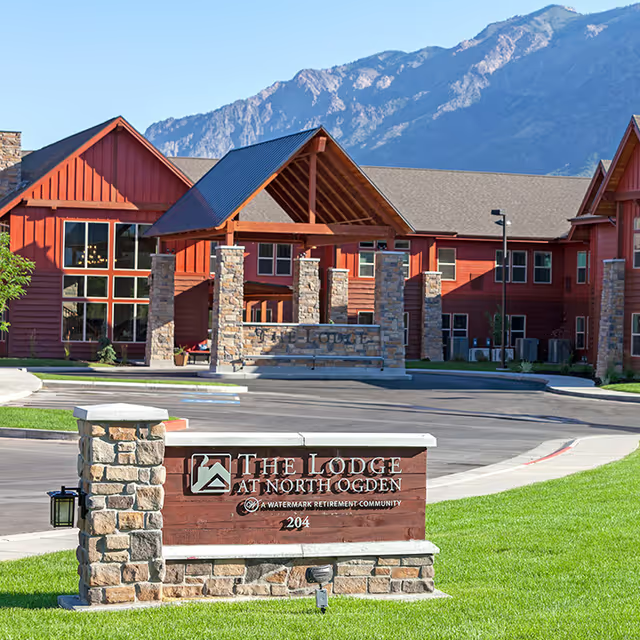
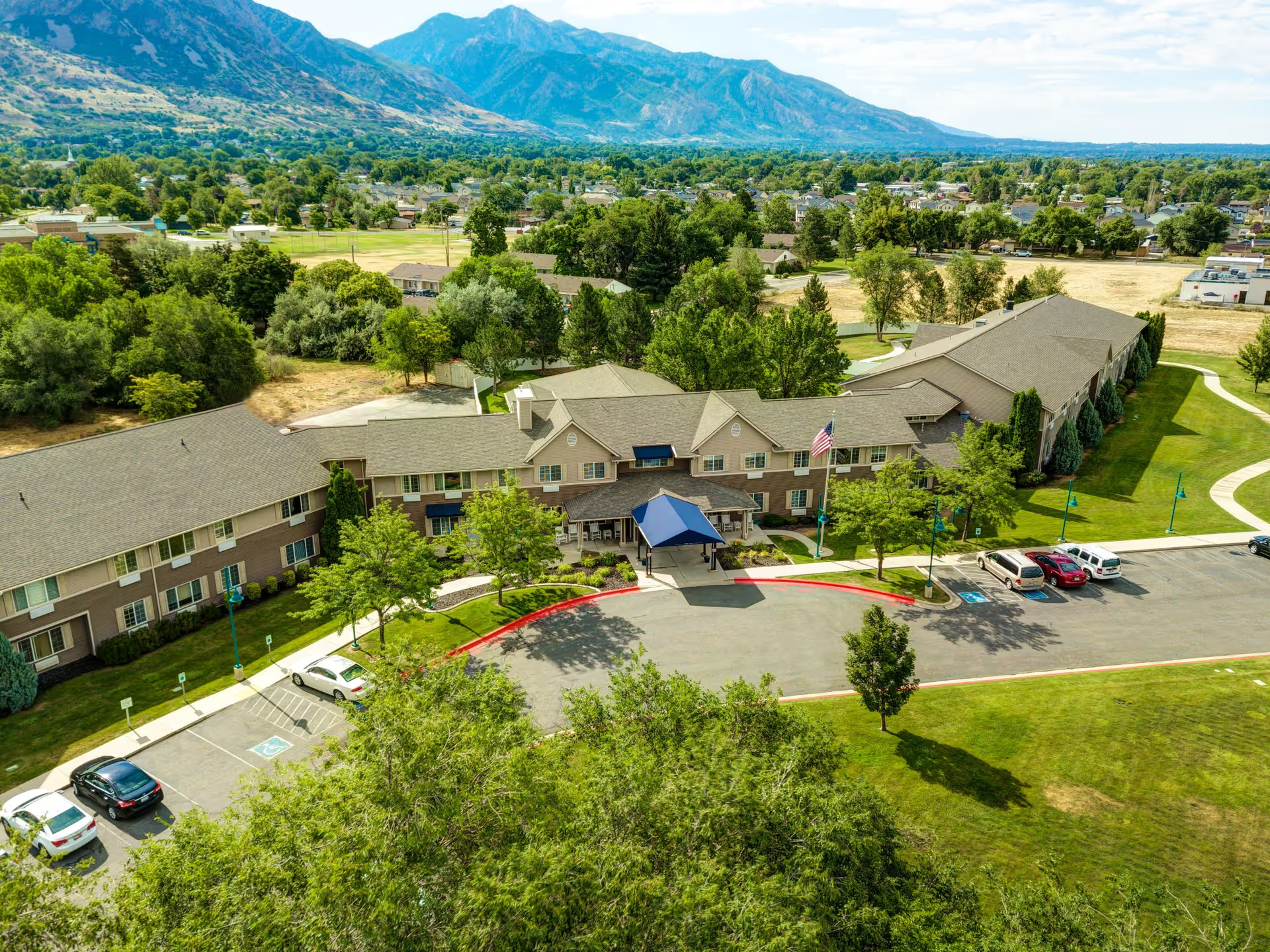
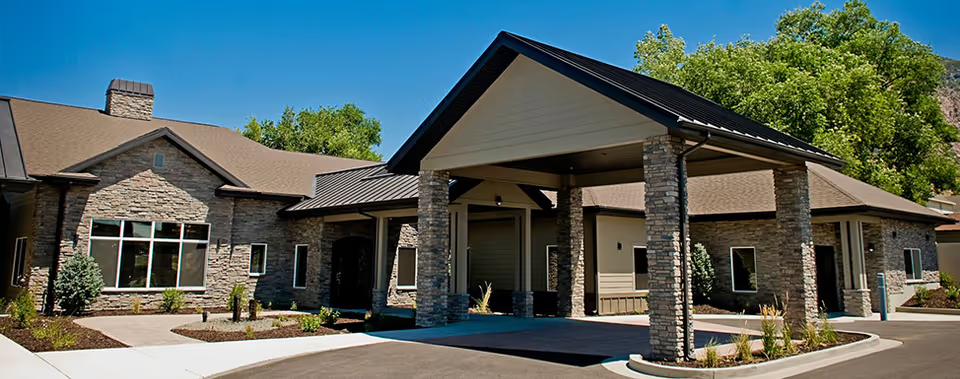
Mission at Maple Springs presents as a well-appointed assisted living and memory-care community with many features that families find appealing. The property is frequently described as attractive and resort-like, with multiple comfortable common areas (including a movie room and beverage stations), private rooms, and a top-of-the-line therapy gym. Its location adjacent to a clinic and hospital is a practical advantage for post-acute care and clinic access.
Clinical and caregiving strengths are prominent in many accounts. The facility has been praised for a strong therapy/rehab team and effective physical-therapy outcomes; several reviews singled out therapists and rehabilitative progress. Nursing and caregiving staff are often described as compassionate, patient, and attentive, particularly in memory-care programs where activities and engagement are highlighted. Families noted meaningful activities, home-style meals, and staff who advocate for residents and involve families in decision-making. Recent leadership changes and specific administrators (named in reviews) received positive mention for improving responsiveness and creating a supportive environment.
Alongside these strengths, reviews indicate operational inconsistencies that prospective families should weigh. There are recurring concerns about medication and clinical-management processes, including delays in contacting physicians and gaps in timely medication administration. Relatedly, some accounts describe delays in staff responsiveness to call lights and assistance needs, which raises questions about consistency of daily-care practices. Cleanliness and sanitation are praised in many reports but also described as inconsistent in parts of the facility; this suggests variability between units or over time.
Communication and administrative processes are another area of mixed feedback. While some families experience responsive advocacy and helpful administrators, others report unreturned calls, billing disputes, and account-collection issues that required escalation. These contrasting experiences point to variability in managerial follow-through and family communications. There are also reports of inconsistent staff conduct, including concerns about tone, professionalism, and cultural sensitivity; these indicate variability in staff behavior and training across shifts.
Practical issues such as limited accessible and visitor parking were noted as a recurring inconvenience. Taken together, the pattern across reviews is polarized: many families describe excellent rehabilitation outcomes, engaged activities, and a warm, homelike culture, while other families report lapses in clinical coordination, responsiveness, housekeeping consistency, and administrative communication. Prospective residents and their families should visit, ask for recent quality and incident metrics, review medication- and incident-response protocols, and meet current leadership and key clinical staff to assess current practices and whether recent management changes have addressed earlier concerns.